
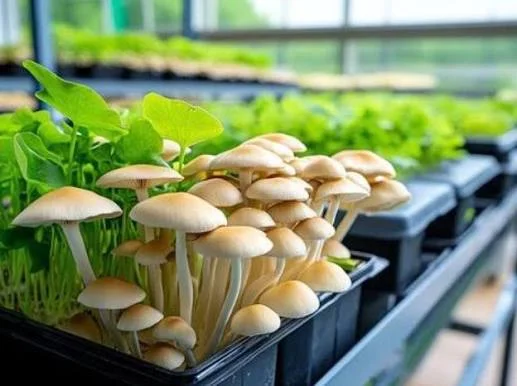
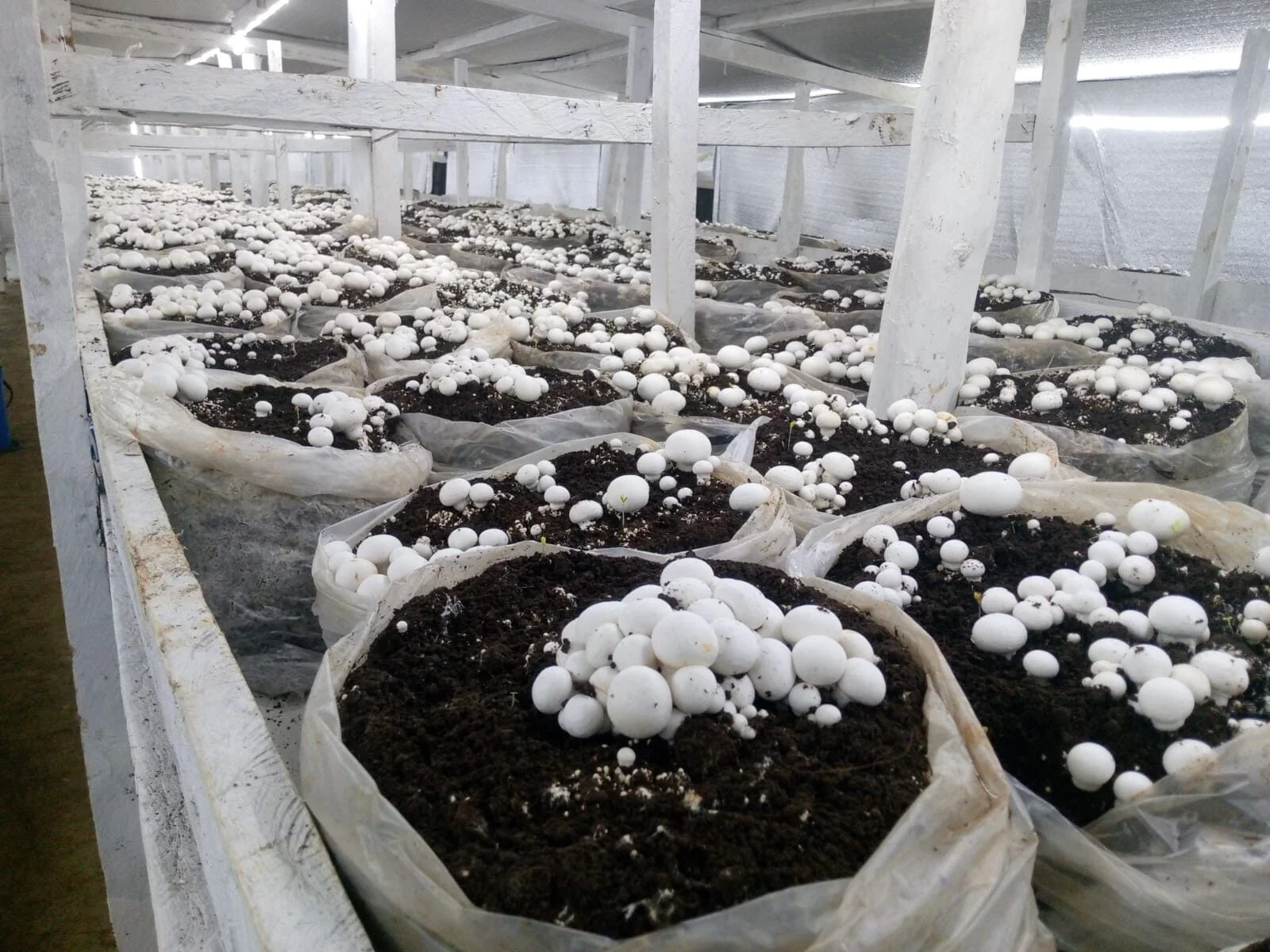
Mushroom farming is becoming an increasingly popular agribusiness in Kenya. Unlike many traditional crops, mushrooms require limited space and can be grown indoors under controlled conditions. This makes them suitable for farmers with small pieces of land.
The growing interest in healthy and nutritious foods has increased the demand for mushrooms in Kenya. Mushrooms are used in homes, hotels, restaurants, supermarkets, and food processing businesses, creating opportunities for farmers to earn income from both fresh and processed mushrooms.
Mushroom farming can be a good option for small-scale farmers because it requires relatively little land and can be done throughout the year. Farmers can also use agricultural waste such as straw and other suitable materials as growing substrates, helping to reduce production costs while making productive use of available resources.
Mushroom farming can be combined with other profitable crops to diversify farm income.
Farmers can explore Rosemary Farming in Kenya as another option for maximizing farm productivity.
Farmers interested in diversifying their agricultural activities can also explore Safi Sarvi organic fertilisers for crops grown alongside mushroom production, helping improve soil fertility and overall farm productivity.
Types of Mushrooms Grown in Kenya
Button Mushrooms
Button mushrooms are popular because of their mild flavour and soft texture. They are commonly sold to households, hotels, restaurants, and supermarkets.
They require controlled temperature, humidity, ventilation, and hygiene. This can make them more challenging for beginners compared with other varieties.
Oyster Mushrooms
Oyster mushrooms are one of the most suitable varieties for small-scale farmers. They can be grown in limited spaces using materials such as straw and other suitable agricultural substrates.
They also have a relatively short growing period, allowing farmers to harvest and sell their produce sooner. Their simple production requirements make them a good starting point for beginners.
Shiitake Mushrooms
Shiitake mushrooms are valued for their distinctive flavour, firm texture, and nutritional qualities. They are used in soups, sauces, stir-fries, and other dishes.
Although they can provide access to valuable markets, shiitake mushrooms require more specialised production techniques and suitable growing conditions.
Best Mushroom Varieties for Kenyan Farmers
For beginners, oyster mushrooms are often the most practical choice because they require limited space and relatively simple growing methods.
Farmers with more experience and better-controlled growing facilities can consider button or shiitake mushrooms. The best variety ultimately depends on production conditions, available capital, and market demand.
Requirements for Mushroom Farming
You do not need a large piece of land to start mushroom farming. What matters most is having a clean, shaded space where you can control moisture, temperature and airflow. A spare room, simple mushroom house or other suitable structure can work, provided it is protected from direct sunlight, dust, pests and excessive heat.
Mushroom Growing House
The growing house can be built using locally available materials such as timber, iron sheets, polythene or other affordable materials. It should have enough room for growing bags and allow you to move around easily when watering, checking the crop and harvesting.
Water, Humidity and Ventilation
Clean water is essential for maintaining humidity. Oyster mushrooms, for example, generally perform well in a humid environment, but the growing room should not become waterlogged. Good ventilation is equally important because stagnant air can encourage problems and affect mushroom development.
Equipment and Hygiene
A beginner can start with basic equipment such as growing bags, mushroom spawn, substrate, shelves or hanging strings, a water sprayer, thermometer and humidity meter. You do not need to buy every piece of equipment at once.
Cleanliness, however, should never be overlooked. Wash your hands and equipment regularly, keep the growing house clean, and remove contaminated bags as soon as they are noticed. Good hygiene can make a significant difference to the success of a mushroom crop.
Preparing Mushroom Growing Substrate
Preparing the right substrate is an important step in mushroom farming because it provides the nutrients and support needed for mushrooms to grow. A well-prepared substrate should have the right moisture level, be free from harmful contaminants, and be suitable for the mushroom variety being cultivated.
What Is Mushroom Substrate?
Mushroom substrate is the material in which mushrooms grow and obtain nutrients. Unlike crops that grow in ordinary soil, cultivated mushrooms are usually grown on prepared organic materials.
The substrate provides the food and structure needed for mushroom mycelium to colonise and eventually produce mushrooms. Its quality can directly affect mushroom growth and yield.
Suitable Substrate Materials
Farmers can use different agricultural materials depending on the mushroom variety. Common options include wheat or rice straw, maize stalks, sawdust, cotton waste, and other suitable plant materials.
Oyster mushrooms can grow well on materials such as chopped straw and other agricultural residues. Using locally available materials can help farmers reduce production costs and make mushroom farming more affordable.
Preparing and Sterilising the Substrate
The substrate should first be cleaned and prepared by removing unwanted materials before being chopped or processed into a suitable size. It is then treated to reduce harmful microorganisms that could compete with the mushroom mycelium.
Farmers can use appropriate heat-based methods such as pasteurisation or sterilisation, depending on the substrate and mushroom variety. The treated substrate should be allowed to cool before mushroom spawn is introduced.
Moisture Requirements
The substrate needs adequate moisture for successful mushroom growth. If it is too dry, the mycelium may struggle to colonise the material, while excessive moisture can reduce air circulation and encourage contamination.
Farmers should aim for a substrate that is evenly moist without being waterlogged. Proper moisture management should continue throughout the growing process.
Filling Growing Bags or Containers
Once the substrate has been properly prepared and cooled, it can be placed into clean growing bags or suitable containers. The substrate should be packed firmly enough to provide support while still allowing sufficient air movement.
Mushroom spawn can then be introduced into the prepared substrate according to the recommended method for the chosen variety. The filled bags or containers should be arranged in a clean growing area where temperature and humidity can be monitored.
Mushroom Spawn and Planting
Mushroom spawn is an important part of mushroom production because it contains the living mycelium needed to colonise the growing substrate. Using good-quality spawn and handling it correctly gives mushrooms a better chance of establishing quickly and producing a healthy crop.
What Mushroom Spawn Is
Mushroom spawn is a material containing actively growing mushroom mycelium. It acts as the planting material in mushroom farming and is introduced into a prepared substrate.
Once placed in the substrate, the mycelium gradually spreads through the material. When the substrate is fully colonised, the mushroom can move to the fruiting stage and begin producing mushrooms.
Choosing Quality Mushroom Spawn
Farmers should purchase spawn from reliable and reputable suppliers. Good-quality spawn should be fresh, vigorous, and appropriate for the mushroom variety being grown.
Avoid spawn that has unusual colours, unpleasant smells, excessive moisture, or visible contamination. Choosing healthy spawn helps improve colonisation and reduces the risk of poor growth.
How to Introduce Spawn into the Substrate
After the substrate has been properly prepared, treated, and allowed to cool, the spawn can be introduced. Farmers should handle the spawn with clean hands and equipment to minimise contamination.
The spawn can be mixed evenly throughout the substrate or placed in layers, depending on the production method being used. The growing bags or containers should then be closed or covered appropriately to maintain suitable conditions.
Proper Spacing and Arrangement
Growing bags should be arranged in a way that provides enough space for air circulation and makes it easy to monitor the crop. Overcrowding can make it difficult to maintain proper ventilation and humidity.
Shelves, hanging systems, or other suitable arrangements can be used depending on the size and design of the mushroom house. Proper organisation also makes watering and harvesting easier.
Conditions Required for Successful Colonisation
During colonisation, the growing environment should have suitable temperature, humidity, and ventilation for the chosen mushroom variety. The area should remain clean and protected from unnecessary disturbance.
Farmers should regularly monitor the growing bags for signs of healthy mycelial growth and remove any contaminated bags promptly. Once the substrate is fully colonised, the mushrooms can be moved into conditions suitable for fruiting.
Mushroom Growing and Maintenance
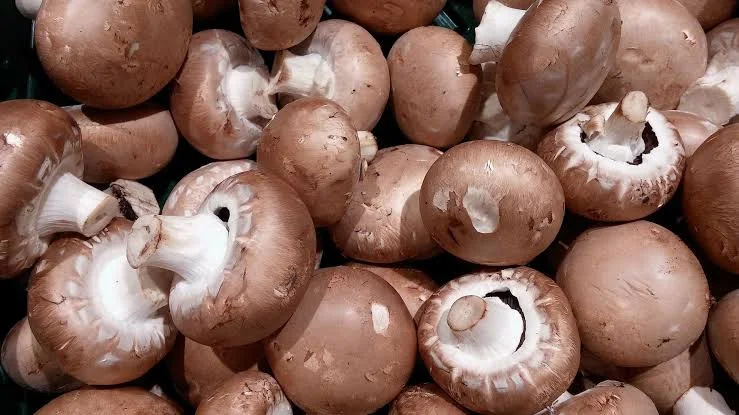
Proper care during the growing stage is important for healthy mushroom development and good yields. Farmers need to maintain suitable environmental conditions, provide enough moisture, ensure proper airflow, and keep the growing room clean throughout production.
Maintaining Temperature and Humidity
Mushrooms require specific temperature and humidity conditions depending on the variety being grown. Farmers should regularly monitor these conditions using suitable equipment such as thermometers and humidity meters.
Maintaining stable conditions helps support healthy mushroom development. Sudden changes in temperature or humidity can slow growth and affect the quality of the harvest.
Watering Mushrooms Correctly
Mushrooms need adequate moisture to grow well, but excessive watering can create problems in the growing environment. Farmers should use clean water and apply it carefully to maintain the required humidity.
Watering should be adjusted according to the conditions inside the growing room. During hot or dry periods, farmers may need to provide moisture more frequently while avoiding waterlogging.
Providing Adequate Ventilation
Good ventilation supplies fresh air and helps control humidity and temperature inside the mushroom house. The growing room should have enough airflow without exposing the mushrooms to strong winds or dusty conditions.
Farmers should regularly check ventilation systems and ensure that air can circulate properly around the growing bags or containers.
Monitoring Mushroom Growth
Regular monitoring allows farmers to identify changes in mushroom development and respond to problems early. Growing bags should be checked for healthy mycelial growth and proper mushroom formation.
Farmers should also monitor moisture, temperature, humidity, and general crop condition. Any damaged or contaminated growing bags should be separated from healthy ones.
Maintaining Cleanliness in the Growing Room
Cleanliness is essential throughout mushroom production because mushrooms are easily affected by contamination. The growing room, tools, shelves, containers, and other equipment should be cleaned regularly.
Farmers should also maintain personal hygiene by washing their hands before handling mushrooms or growing materials. Keeping the production area clean helps create favourable conditions for healthy mushroom growth and better-quality harvests.
Mushroom Harvesting and Post-Harvest Handling
Harvesting mushrooms at the right stage and handling them carefully helps farmers maintain their quality, appearance, and shelf life. Proper post-harvest practices also reduce waste and help farmers receive better prices from buyers.
Signs Mushrooms Are Ready for Harvesting
Mushrooms should be harvested when they have reached the appropriate size and maturity for their variety. For oyster mushrooms, the caps are generally ready when they are well developed but have not started curling heavily at the edges.
Farmers should avoid waiting too long because over-mature mushrooms can become tough, lose quality, and have a shorter shelf life.
When and How to Harvest Mushrooms
Mushrooms can be harvested when they reach the preferred market size and maturity. Harvesting time may vary depending on the mushroom variety and growing conditions.
They should be harvested gently by twisting and pulling them from the growing substrate or using a clean, sharp knife where appropriate. Care should be taken not to damage the growing bags or surrounding mushrooms.
Proper Handling During Harvesting
Harvested mushrooms should be handled carefully to prevent bruising, cuts, and other physical damage. Farmers should use clean hands, containers, and harvesting tools.
Mushrooms should also be protected from direct sunlight and excessive heat immediately after harvesting. Gentle handling helps maintain their freshness and appearance.
Sorting and Grading
After harvesting, mushrooms should be sorted according to size, quality, freshness, and appearance. Damaged, discoloured, or poor-quality mushrooms should be separated from those suitable for sale.
Grading helps farmers present a more uniform product to customers. Higher-quality mushrooms can also attract better prices in some markets.
Storage and Transportation
Fresh mushrooms are highly perishable and should be stored under suitable cool conditions after harvesting. Clean, ventilated packaging can help protect them from physical damage while allowing excess moisture to escape.
During transportation, mushrooms should be kept away from excessive heat and rough handling. Delivering them to buyers soon after harvesting helps preserve their freshness and quality.
Reducing Post-Harvest Losses
Farmers can reduce post-harvest losses by harvesting mushrooms at the correct stage and handling them gently. Proper sorting, packaging, storage, and transportation are also important.
Planning production according to market demand can help prevent unsold mushrooms from remaining in storage for too long. Farmers can also explore processing or value addition for mushrooms that may not meet the preferred fresh-market grade.
Marketing and Profitability of Mushroom Farming
Mushroom farming can generate good income, but the market should be planned before production starts. In Kenya, fresh mushrooms are commonly sold to households, hotels, restaurants, grocery shops, supermarkets and food vendors. Recent Kenyan market reports put fresh mushroom prices at about KSh 400–600 per kg, although some direct and premium markets can pay as much as KSh 800 per kg.
For small-scale farmers, direct selling can be worthwhile because it reduces the amount lost to middlemen. A farmer selling 20 kg at KSh 500 per kg, for example, would make KSh 10,000 in gross sales from that harvest. This is revenue, not profit, since expenses such as spawn, substrate, labour, packaging and transport still have to be deducted.
Production costs vary depending on the setup. JKUAT, for example, has recently listed oyster mushroom spawn at about KSh 600 per litre, while ready oyster substrate has been listed at around KSh 90 per kg.
Farmers should keep records for every production cycle so they know exactly how much they spend and how much they harvest. One Kenyan case study reported production costs of about KSh 110 per kg of fresh mushrooms, although such figures can vary considerably between farms and should not be treated as a standard cost.
To improve returns, farmers can supply regular customers directly and consider value addition. Drying mushrooms can extend their shelf life and open markets beyond the local fresh-produce market.
Conclusion
In conclusion, mushroom farming in Kenya can be a profitable agribusiness for both small and large-scale farmers. Using quality spawn, maintaining proper temperature and humidity, ensuring good ventilation, and keeping the growing area clean are essential for healthy mushroom production.
Farmers should monitor their mushrooms throughout the growing period and harvest them at the right stage to maintain quality. Proper handling, storage, transportation, and early identification of reliable buyers can also help reduce losses and improve profits.
With increasing demand from households, hotels, restaurants, and supermarkets, mushroom farming has good potential in Kenya. Farmers can start on a small scale, gain experience, and gradually expand their production as they develop reliable markets.

