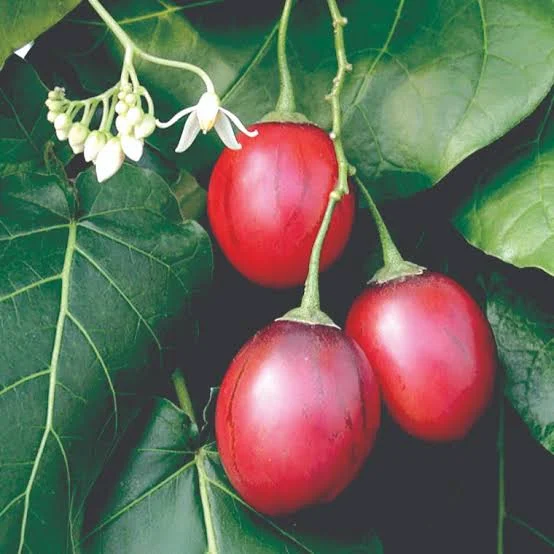
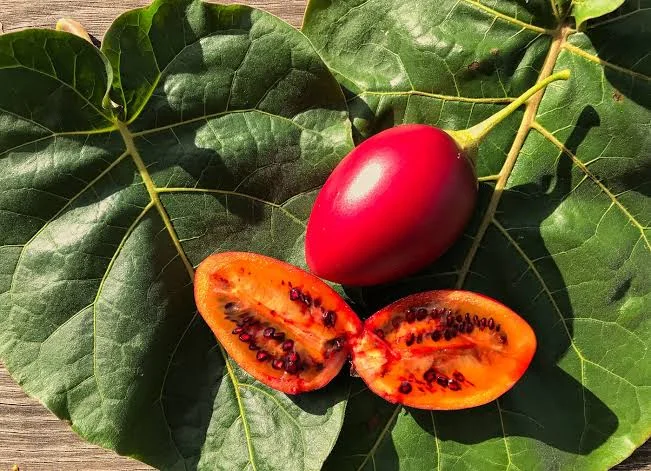
Tree tomato, also known as tamarillo, is a fruit crop grown in various parts of Kenya, particularly in cool and high-altitude areas. The crop produces oval-shaped fruits with juicy flesh and a distinctive sweet-tart flavour. Tree tomatoes can be consumed fresh or used to make juices, sauces, jams and other processed products.
Nutritional and Economic Value of Tree Tomatoes
Tree tomatoes are rich in vitamins, minerals, antioxidants and dietary fibre, making them a valuable addition to a healthy diet. They also provide farmers with an income-generating crop because the fruits can be sold through local markets, supermarkets, hotels, fruit vendors and processors.
Demand for Tree Tomatoes in Kenya
Demand for tree tomatoes in Kenya is supported by their use as a fresh fruit and in juice, sauce and other food products. Consumers and food businesses create markets for quality fruits throughout the year, especially where farmers can maintain consistent production and supply.
Potential of Tree Tomato Farming for Farmers
Tree tomato farming can provide farmers with an opportunity to diversify their income and make productive use of suitable highland land. With quality seedlings, proper orchard management, adequate water and good marketing, farmers can improve fruit production and reduce losses while targeting higher-value markets.
You can read more about passion fruit farming in Kenya, another fruit crop that thrives under suitable highland growing conditions and offers good market potential for farmers.
Suitable Conditions for Tree Tomato Farming
Tree tomatoes perform best when grown under favourable climatic and soil conditions. Choosing a suitable location helps promote healthy growth, flowering, fruit development and consistent yields.
Climate Requirements
Ideal Temperature
Tree tomatoes thrive in cool to moderately warm conditions. An ideal temperature range is approximately 15°C to 25°C. Extremely high temperatures can affect flowering, fruit development and overall plant growth.
Rainfall Requirements
Tree tomatoes require adequate and well-distributed moisture throughout the growing period. They generally perform well with about 1,000–2,000 mm of rainfall annually. In areas with insufficient rainfall, irrigation can help maintain steady growth and fruit production.
Sunlight Requirements
The crop requires sufficient sunlight for healthy growth and fruit development. About 6–8 hours of sunlight per day is generally suitable. However, protection from excessive heat and strong winds can help reduce plant stress.
Suitable Altitude
Tree tomatoes are well suited to Kenya’s highland areas, generally performing well at elevations of around 1,500–2,500 metres above sea level. Cool highland conditions support good vegetative growth and fruit production.
Soil Requirements
Suitable Soil Types
Tree tomatoes grow best in deep, fertile and well-structured soils that allow roots to develop freely. Loamy and sandy-loam soils are particularly suitable because they provide good aeration, moisture retention and drainage.
Soil Drainage
Good drainage is essential because tree tomatoes are sensitive to waterlogging. Poorly drained soils can restrict root development and increase the risk of root-related problems. Farmers should avoid areas where water tends to collect after rainfall.
Ideal Soil pH
A soil pH of approximately 5.5–7.0 is suitable for tree tomato production. Farmers are encouraged to conduct a soil test before planting so that soil acidity and nutrient deficiencies can be corrected appropriately.
Soil Fertility
Tree tomatoes require fertile soils with adequate nutrients to support vigorous growth and fruit production. Adding well-decomposed organic manure and suitable organic fertilisers can improve soil fertility, structure and nutrient availability. Regular soil testing helps farmers determine the nutrients required by the crop.
Best Tree Tomato Varieties to Grow in Kenya
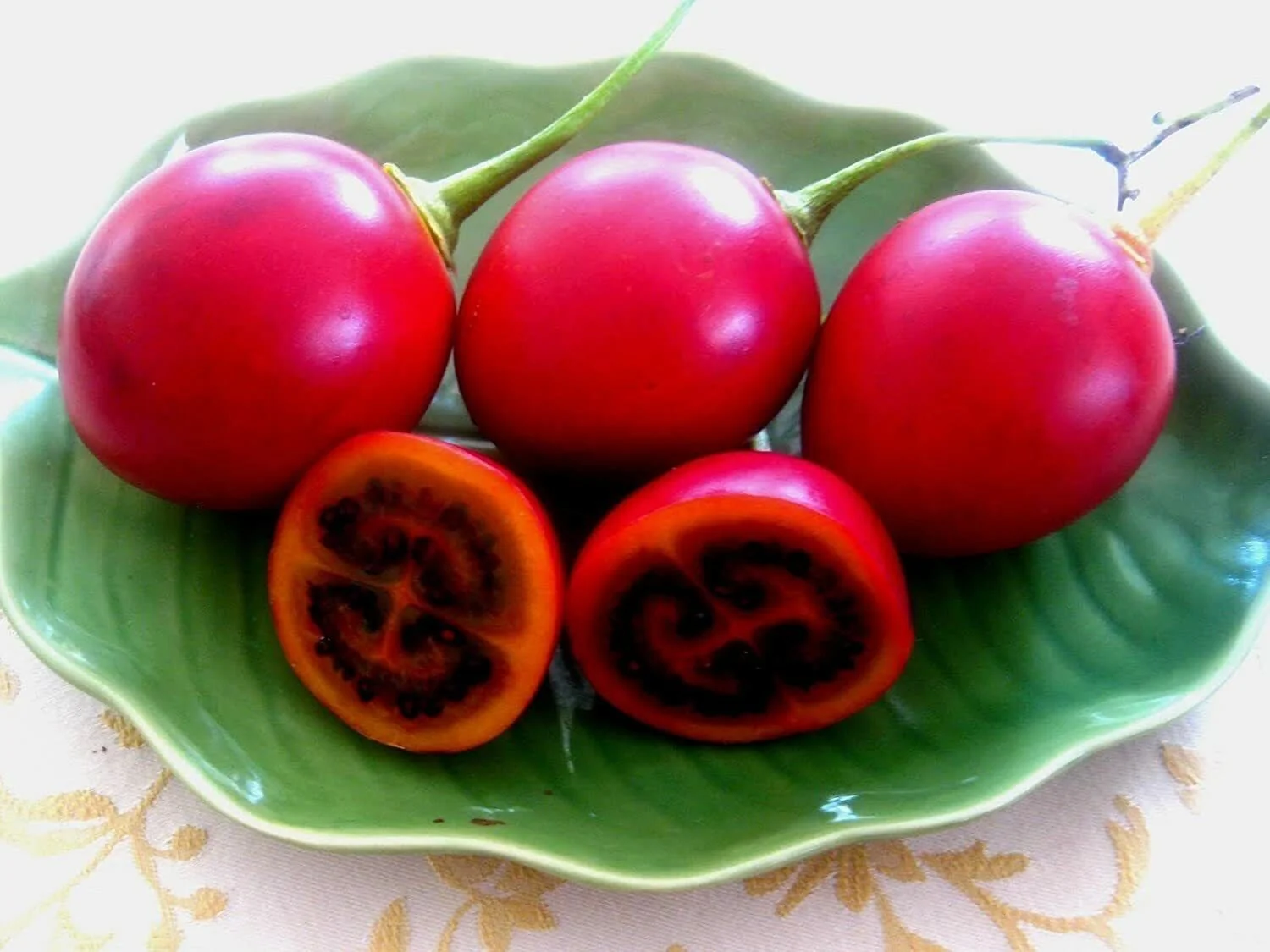
Different tree tomato varieties vary in fruit colour, taste, size and market preference. Farmers should select varieties that are well adapted to their growing conditions and match the needs of their target market.
Red Tree Tomato
Red tree tomatoes are among the commonly grown types and are valued for their attractive colour and juicy flesh.
Fruit Characteristics
The fruits have bright red or reddish skin when ripe, with soft, juicy flesh and numerous small seeds. They are generally oval-shaped and can vary in size depending on the variety and growing conditions.
Taste and Market Demand
Red tree tomatoes have a sweet and slightly acidic taste, making them suitable for eating fresh and preparing juices, sauces and other products. Their attractive appearance makes them popular in fresh produce markets.
Purple Tree Tomato
Purple tree tomatoes are recognised by their deep purple to reddish-purple skin and distinctive flavour.
Fruit Characteristics
The fruits are usually oval or egg-shaped, with dark-coloured skin and orange-red flesh when fully ripe. They have a firm texture that makes them suitable for fresh consumption and processing.
Taste and Uses
Purple varieties often have a balanced sweet and tangy flavour. They can be eaten fresh or used in juices, salads, sauces, jams and other processed products.
Yellow Tree Tomato
Yellow tree tomatoes produce fruits with yellow or golden skin and brightly coloured flesh.
Fruit Characteristics
The fruits are typically oval-shaped with smooth yellow skin when mature. They have juicy flesh and a characteristic sweet-tart flavour.
Market Potential
Yellow tree tomatoes can appeal to consumers looking for different fruit colours and varieties. Their distinctive appearance can create opportunities in fresh fruit markets, restaurants, hotels and speciality produce outlets.
Choosing a Variety Based on Location and Market Demand
Farmers should consider climate, altitude, soil conditions, availability of quality seedlings and water when selecting a tree tomato variety. Market preferences should also guide the choice, particularly the preferred fruit colour, size, taste and intended use. Growing varieties that have reliable demand can help farmers market their produce more effectively.
Land Preparation for Tree Tomato Farming
Selecting Suitable Land
Choose land with fertile, well-drained soil and adequate access to sunlight and water. Avoid waterlogged areas and sites exposed to strong winds, which can damage tree tomato plants.
Soil Testing
Conduct a soil test before planting to determine the soil’s pH and nutrient status. The results help farmers identify nutrient deficiencies and determine the appropriate amendments, manure and fertilisers, such as safi sarvi fertiliser is required for healthy crop establishment.
Land Clearing
Clear the selected land of weeds, bushes, crop residues and other unwanted vegetation. Remove tree stumps and large roots where necessary, then prepare the soil to provide a clean planting area.
Preparing Planting Holes
Dig planting holes approximately 60 cm × 60 cm × 60 cm to provide sufficient space for root development. Separate the topsoil from the subsoil and mix the topsoil with well-decomposed organic manure before returning it to the hole.
Recommended Spacing
Tree tomatoes can be planted at approximately 2.5–3 metres between plants and 3 metres between rows. Proper spacing improves air circulation, allows sufficient sunlight penetration and provides enough room for orchard management and harvesting.
Adding Organic Manure
Apply well-decomposed organic manure to improve soil structure, moisture retention and nutrient availability. Mix the manure thoroughly with the topsoil before planting, while avoiding direct contact between fresh manure and the seedling roots.
Planting Tree Tomatoes in Kenya
Proper planting practices give tree tomato seedlings a strong start and help establish a productive orchard. Farmers should use healthy planting materials, plant at the right time and provide adequate moisture during establishment.
Selecting Quality Seedlings
Features of Healthy Seedlings
Choose seedlings that are healthy, vigorous and free from visible pests and diseases. Good seedlings should have strong stems, well-developed green leaves and a healthy root system. Avoid seedlings that are weak, yellowing, damaged or severely root-bound.
Importance of Quality Planting Materials
Quality seedlings establish faster and generally provide more uniform growth in the orchard. Using reliable planting materials also helps farmers maintain the desired variety and reduces the risk of introducing pests and diseases into the farm.
Best Planting Time
Planting During Rainy Seasons
Tree tomato seedlings can be transplanted at the beginning of the rainy season when the soil has sufficient moisture. Planting when rainfall is well distributed reduces transplanting stress and lowers the amount of irrigation required during establishment.
Planting Under Irrigation
Where irrigation is available, farmers can plant tree tomatoes outside the main rainy seasons. A reliable water supply allows seedlings to establish properly and supports continuous growth during dry periods.
Tree Tomato Planting Process
Preparing the Planting Hole
Prepare the planting hole according to the recommended size and spacing. Mix well-decomposed organic manure with the topsoil and return the mixture to the hole before transplanting.
Transplanting Seedlings
Carefully remove the seedling from its container or nursery bed without damaging the roots. Place it upright in the centre of the hole, keeping the root ball at approximately the same depth as it was in the nursery. Firm the soil gently around the roots.
Initial Watering
Water the seedling immediately after transplanting to settle the soil around the roots and reduce transplanting stress. Continue watering regularly until the plants are well established, particularly when rainfall is insufficient.
Mulching After Planting
Apply organic mulch around the base of the plant while leaving a small gap around the stem. Mulching helps conserve soil moisture, suppress weeds, regulate soil temperature, and gradually add organic matter as it decomposes.
Tree Tomato Orchard Management
Proper orchard management is essential for maintaining healthy tree tomato plants, encouraging flowering and fruit development, and achieving consistent yields. Farmers should pay attention to water, nutrients, pruning and weed control throughout the production cycle.
Watering and Irrigation
Water Requirements
Tree tomatoes require consistent moisture, particularly during flowering and fruit development. The soil should remain adequately moist but not waterlogged, as excessive moisture can affect root health.
Irrigation Methods
Farmers can use drip irrigation, sprinkler irrigation or watering cans depending on the farm size and available resources. Drip irrigation is particularly useful because it delivers water directly to the root zone while reducing water wastage.
Managing Water During Dry Seasons
During dry periods, irrigate regularly to prevent moisture stress and fruit development problems. Applying mulch around plants can help conserve moisture and reduce the frequency of irrigation. Irrigation schedules should be adjusted according to soil type, weather conditions and plant growth stage.
Fertilizer and Manure Application
Importance of Organic Manure
Well-decomposed organic manure improves soil structure, increases organic matter and enhances the availability of nutrients to tree tomato plants. It also improves the soil’s ability to retain moisture while supporting healthy root development.
Nutrient Requirements
Tree tomatoes require essential nutrients such as nitrogen, phosphorus and potassium, together with secondary and micronutrients. Nitrogen supports vegetative growth, phosphorus contributes to root development and flowering, while potassium supports fruit development and overall plant strength.
Fertilizer Application
Apply fertilisers according to soil-test recommendations and the crop’s growth stage. Organic manure can be incorporated into the soil, while additional fertilisers may be applied around the root zone without placing them directly against the stem. Adequate watering after fertiliser application helps nutrients become available to the plants.
Pruning and Training
Removing Unwanted Branches
Remove dead, damaged, diseased and weak branches regularly. Pruning also helps control excessive growth and directs the plant’s energy towards productive branches.
Supporting Tree Growth
Tree tomatoes can develop heavy branches, especially when carrying many fruits. Providing suitable support such as stakes can help prevent branches from bending or breaking under the weight of the crop.
Maintaining a Healthy Canopy
Maintain an open and well-balanced canopy by removing overcrowded branches. This improves light penetration and air movement within the plant, while making orchard management and harvesting easier.
Weed Management and Mulching
Weed Control Methods
Control weeds through hand weeding, shallow cultivation or appropriate mulching. Weeds compete with tree tomatoes for water, nutrients and sunlight, particularly when plants are young.
Benefits of Mulching
Mulching helps conserve soil moisture, suppress weed growth and reduce soil erosion. As organic mulch decomposes, it also contributes organic matter to the soil.
Suitable Mulching Materials
Suitable materials include dry grass, straw, crop residues and well-decomposed plant material. Apply mulch around the plants while leaving space around the stem to reduce excessive moisture accumulation and stem-related problems.
Tree Tomato Harvesting and Post-Harvest Handling
Proper harvesting and post-harvest handling help maintain the quality, freshness and market value of tree tomatoes. Careful handling from the farm to the market also helps reduce bruising, spoilage and post-harvest losses.
Signs of Maturity
Tree tomatoes are ready for harvesting when they reach their characteristic mature colour, depending on the variety. The fruits should be fully developed and firm, with a slight change in texture as they approach full ripeness. Farmers should harvest according to the maturity requirements of their target market.
Proper Harvesting Methods
Harvest tree tomatoes carefully by hand to avoid damaging the fruits and branches. Where necessary, use clean harvesting tools and avoid dropping or throwing fruits into containers. Harvesting during the cooler parts of the day can also help maintain fruit quality.
Sorting and Grading
After harvesting, sort the fruits to remove damaged, bruised, diseased or overripe produce. Grade the remaining fruits according to size, colour, maturity and overall quality to achieve uniform produce and meet different market requirements.
Packaging
Use clean, strong and well-ventilated packaging materials that protect the fruits from bruising and physical damage. Avoid overfilling containers because excessive pressure can damage fruits during handling and transportation.
Storage
Store harvested tree tomatoes in a cool, dry and well-ventilated environment away from direct sunlight. Avoid excessive heat and moisture, as these conditions can accelerate deterioration and reduce the shelf life of the fruits.
Transportation
Transport tree tomatoes in clean, well-ventilated crates or containers that provide adequate protection. Handle the produce carefully and avoid excessive stacking, rough handling and prolonged exposure to high temperatures during transportation.
Reducing Post-Harvest Losses
Farmers can reduce post-harvest losses by harvesting at the appropriate maturity stage, handling fruits gently and using suitable packaging and storage facilities. Quick transportation to the market, proper sorting and careful handling help prevent unnecessary spoilage while maintaining the quality and value of tree tomatoes.
Marketing and Profitability of Tree Tomato Farming
Tree tomato farming can be profitable when farmers achieve good yields, maintain fruit quality and sell at favourable prices. For example, at 3 m × 3 m spacing, one acre holds about 450 plants.
If a mature orchard produces an average of 15 kg of marketable fruit per plant annually, the farm would produce about 6,750 kg (6.75 tonnes). At an illustrative average selling price of KSh 50 per kg, gross revenue would be about KSh 337,500 per acre.
This is gross revenue, not profit. The farmer must deduct expenses such as seedlings, land preparation, manure and fertiliser, irrigation, labour, pest and disease control, harvesting, packaging and transport.
For example, if total annual production and marketing costs were KSh 150,000, the estimated net return would be KSh 187,500. Actual returns can be much higher or lower depending on yield, farm-gate prices, fruit quality, season and production costs.
Where to Sell Tree Tomatoes in Kenya
Local Markets and Fruit Vendors
These markets can provide quick sales for small and medium-scale farmers. Selling directly may offer better prices, although farmers must account for transport, market fees and unsold produce.
Supermarkets
Supermarkets can provide access to higher-value markets but usually require consistent supply, uniform grading, good packaging and reliable delivery.
Hotels, Restaurants and Juice Processors
These buyers can provide regular demand, particularly for quality fruit suitable for juices, sauces and food preparation. Processors may also accept fruit that is suitable for processing but does not meet premium fresh-market appearance standards.
Wholesalers
Wholesalers are useful when farmers have large quantities to sell at once. However, farmers should compare the farm-gate price with the additional costs of direct marketing before choosing a buyer.
Profitability tip: Before planting an acre, prepare a simple budget showing expected kilograms × realistic selling price − total production and marketing costs. This gives a more useful profitability estimate than relying on the selling price alone.
Role of Organic Fertilisers in Tree Tomato Farming
Organic fertilisers provide nutrients while improving the physical condition of the soil. They can support healthy tree tomato growth and contribute to long-term soil productivity.
Benefits of Organic Fertilisers
Organic fertilisers add nutrients and organic matter to the soil. They can improve soil moisture retention and create better conditions for plant growth.
Improving Soil Fertility and Structure
Organic fertilisers improve soil structure by increasing organic matter. This helps the soil retain nutrients and moisture while improving aeration.
Supporting Root Development
Healthy soil provides better conditions for root growth and development. Organic matter can create a favourable root environment and support stronger plants.
Improving Nutrient Availability
Organic fertilisers release nutrients gradually as they decompose. This can improve nutrient availability and support tree tomatoes throughout their growth stages.
Using Safi SarviFertiliser in Tree Tomato Production
Safi Sarvi Fertiliser can be incorporated into tree tomato production as part of a soil fertility management program. It helps improve soil structure, nutrient availability and moisture retention, supporting healthy crop development.
Frequently Asked Questions
In conclusion, tree tomato farming can be a suitable income-generating crop when farmers select quality seedlings and provide proper orchard management. Good soil preparation, adequate water, nutrition, and careful harvesting are important for successful production.
Key Tips for Successful Tree Tomato Farming
Use quality planting materials and grow tree tomatoes in suitable soil and climatic conditions. Regular watering, feeding, pruning, weed management and proper harvesting can improve crop performance.
Importance of Quality Seedlings and Proper Orchard Management
Healthy seedlings provide a strong foundation for establishing a productive orchard. Good management throughout the growing period helps maintain healthy plants and improve fruit production.
Market Potential of Tree Tomato Farming in Kenya
Tree tomatoes have markets among consumers, fruit vendors, supermarkets, hotels, restaurants and processors. Farmers can improve their market opportunities by producing quality fruits and identifying reliable buyers.
FAQs About Tree Tomato Farming in Kenya
How Long Do Tree Tomatoes Take to Mature?
Tree tomatoes generally begin producing fruits within 12–18 months after planting, depending on the variety and growing conditions. Good orchard management can support earlier and more consistent production.
Which Areas Are Suitable for Tree Tomato Farming in Kenya?
Tree tomatoes perform well in cool, high-altitude areas with fertile, well-drained soils. Suitable growing areas include parts of Central, Rift Valley and Eastern Kenya.
How Many Tree Tomato Plants Can Be Planted Per Acre?
The number of plants depends on the spacing used. At a spacing of 3 m × 3 m, approximately 450 tree tomato plants can be planted on one acre.
How Much Does It Cost to Start Tree Tomato Farming?
The cost depends on land preparation, seedlings, manure, fertilisers, irrigation, labour and other inputs. Farmers should prepare a budget based on their location, orchard size and production system.
How Many Fruits Can One Tree Tomato Plant Produce?
A well-managed tree tomato plant can produce hundreds of fruits in a season, although yields vary depending on variety, age, climate, nutrition and orchard management.
Is Tree Tomato Farming Profitable in Kenya?
Tree tomato farming can be profitable when farmers achieve good yields, control production costs and access reliable markets. Profitability varies according to farm management, market prices and production conditions.