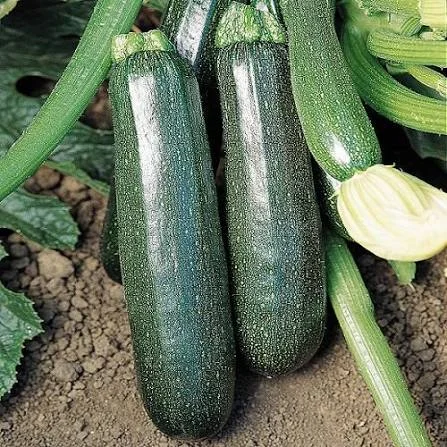
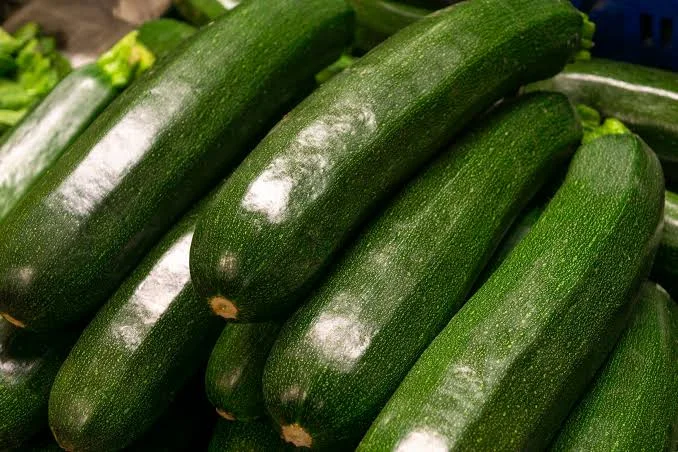
Courgettes, also known as zucchini, are fast-growing warm-season vegetables that can be grown for both household consumption and commercial markets in Kenya. The crop belongs to the squash family and is normally harvested while the fruits are still young, tender and marketable.
One advantage of courgette farming is that harvesting is not a one-time activity. Once plants begin producing, farmers can harvest fruits repeatedly as long as the crop remains healthy and there is sufficient market demand.
Good soil fertility supports healthy growth and fruit production. Organic fertilizers such as Safi Sarvi can support a courgette fertility programme by supplying nutrients and improving soil structure and moisture management. They work best when used according to the product recommendations and alongside good soil testing, irrigation and general crop management rather than as a replacement for a complete fertility programme.
Successful courgette farming therefore involves more than planting seed. Variety selection, soil preparation, spacing, water management, pest and disease control, harvesting and access to a reliable market all affect the final return.
Why Grow Courgettes in Kenya?
Courgettes can be attractive to vegetable farmers because they have a relatively short production period and produce fruits repeatedly.
Farmers can sell their produce through:
- Local and open-air markets
- Vegetable vendors
- Supermarkets and grocers
- Hotels and restaurants
- Wholesalers
- Direct consumers
- Structured or contract buyers where available
However, farmers should identify their target market before planting. Buyers may have specific requirements for fruit size, colour, packaging, delivery frequency and quality.
Because courgettes are perishable and harvested frequently, producing without a reliable market can lead to unnecessary losses.
Market Demand for Courgettes
Demand varies according to location, season, supply and fruit quality. There is therefore no single selling price that applies to every farmer.
Before planting a commercial crop, speak to potential buyers and find out:
- Preferred fruit size and colour
- Quantity required
- Packaging requirements
- Delivery frequency
- Whether produce is collected or delivered
- Payment terms
- Quality standards
A restaurant may require a different product specification from a wholesaler. Your market should therefore influence both your choice of variety and the size of your crop.
Climate and Soil Requirements
Courgettes perform well under warm conditions with adequate sunlight, moisture and good drainage.
Temperature and Water
Courgettes are warm-season vegetables. Cold conditions can slow germination and growth, while excessive heat combined with water stress can reduce crop performance.
The crop needs reasonably consistent moisture, especially during flowering and fruit development. It can be grown under rain-fed conditions where rainfall is adequate and well distributed, but irrigation provides greater control when rainfall is unreliable.
Heavy rainfall can also create problems through waterlogging, disease pressure and poor field access.
Soil
Courgettes perform well in fertile, well-drained loam or sandy-loam soils with adequate organic matter.
Poor drainage should be avoided because water remaining around the roots can encourage root problems and restrict plant growth.
A soil test can provide useful information about:
- Soil pH
- Available nutrients
- Organic matter
- Nutrient deficiencies
- The need for amendments such as lime
Testing the soil before planting is generally more reliable than applying the same fertilizer programme to every field.
Choosing Courgette Varieties
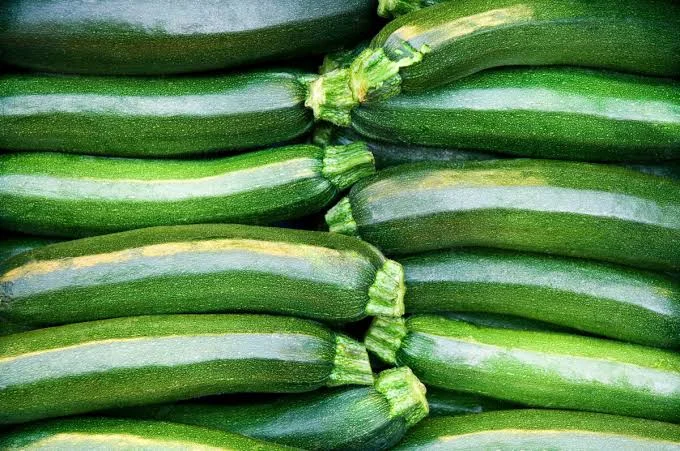
Variety selection should begin with the market rather than simply choosing the most popular seed.
Examples of varieties reported in Kenyan production guidance include:
- Ambassador F1
- Simba F1
- Black Beauty
- Cera F1
- Green Zucchini
Seed availability changes, so farmers should confirm current availability and suitability with reputable seed suppliers.
When choosing a variety, consider:
Maturity period: Early varieties may be useful where farmers want an earlier harvest, although actual maturity depends on growing conditions.
Fruit characteristics: Buyers may specify fruit length, diameter, colour, shape and appearance.
Disease tolerance: Where particular diseases are common, suitable varietal tolerance can form part of an integrated management strategy.
Yield potential: Seed-company yield figures should be treated as potential rather than guaranteed farm yields.
Market preference: A variety should produce fruits that your intended buyers want.
Seed quality: Purchase properly labelled seed from reputable suppliers and check the variety and validity information before planting.
Land Preparation
Start by clearing weeds, stones and unwanted crop residues. Plough or dig the soil sufficiently to loosen compacted areas, then break large clods and prepare a suitable planting bed.
Avoid cultivating very wet soil because this can damage soil structure and create compaction.
Organic Matter
Well-decomposed manure or suitable organic fertilizer can contribute nutrients and improve soil structure. Fresh manure should not be placed directly against seeds or young roots because it can cause damage.
Where commercial organic fertilizers such as Safi Sarvi are used, follow the product label and consider the existing fertility of the soil. Applying more fertilizer than recommended does not automatically result in higher yields.
How to Plant Courgettes
Courgettes are commonly established from seed. Direct seeding can reduce transplant shock, although nursery raising and transplanting may also be used.
When to Plant
The best planting period depends on local rainfall and whether irrigation is available.
For rain-fed farming, planting should be timed around reliable rainfall. Farmers using irrigation have greater flexibility and can plan production according to market opportunities.
Avoid planting immediately before prolonged heavy rainfall where fields are prone to waterlogging.
Planting Depth
Seeds are commonly planted about 2–3 cm deep, depending on soil conditions and the seed supplier’s recommendation.
Maintain adequate moisture during germination.
Thinning
Farmers may sow two or three seeds at each planting point and thin after emergence, retaining the strongest seedling.
Spacing
Spacing depends on variety and growth habit. Bush varieties commonly use approximately 60–120 cm between plants and 1–1.5 m between rows, while trailing varieties require more space.
Correct spacing gives plants better access to light, water and nutrients while improving air movement and making weeding, spraying and harvesting easier.
Fertilizer and Nutrient Management
Courgettes require adequate nutrients for leaf growth, flowering and fruit development. However, fertilizer decisions should consider soil fertility, crop condition and production objectives rather than relying on one fixed recipe.
Nitrogen
Nitrogen supports leaf and stem development. Too little can produce weak, pale plants, while excessive nitrogen can encourage excessive vegetative growth.
Phosphorus
Phosphorus contributes to root development and reproductive growth. Its application should be guided by soil-test results where possible.
Potassium
Potassium supports general plant function and is particularly important during fruit development.
A balanced nutrient programme is more useful than focusing on one nutrient alone.
Organic Fertilizer and Safi Sarvi
Well-decomposed manure and suitable organic fertilizers can contribute nutrients and improve soil properties.
Safi Sarvi organic fertilizer products can be incorporated into a courgette soil-fertility programme where appropriate. Biochar-based organic fertilizer, for example, can contribute nutrients while supporting soil physical properties and nutrient or moisture retention.
The exact application rate should depend on the product, soil condition and production system. Farmers should follow the manufacturer’s recommendations and, where possible, use soil-test results to guide the overall fertility programme.
Top-Dressing and Foliar Feeding
The need for additional fertilizer during crop growth depends on initial soil fertility, the basal programme and crop condition.
Foliar fertilizers can provide nutrients through the leaves in specific situations, but they should complement rather than replace proper root-zone nutrition.
Irrigation and Water Management
Consistent moisture is particularly important during flowering and fruit development.
Water requirements depend on soil type, temperature, rainfall, wind, plant size, growth stage and irrigation method.
The aim is to keep the root zone adequately moist without creating waterlogged conditions.
Drip Irrigation
Drip irrigation is useful for commercial production because it delivers water close to the root zone and allows farmers to manage water more precisely.
Watering cans and furrow irrigation can also be practical for smaller farms where appropriate.
Instead of following a rigid watering calendar, check soil moisture around the root zone and adjust irrigation according to weather and crop requirements.
Mulching and Weed Control
Mulching can reduce evaporation, suppress weeds, reduce erosion, keep fruits cleaner and moderate soil temperature.
Suitable organic mulch can also contribute organic matter as it decomposes. Keep mulch slightly away from the plant stem to avoid excessive moisture around the base.
Weeds compete with courgettes for water, nutrients and light and can provide shelter for pests. Hand weeding, shallow cultivation and mulching can help maintain a relatively weed-free crop.
Avoid deep cultivation close to established plants because courgette roots can be damaged.
Common Courgette Pests
Courgettes can be affected by several pests, including:
- Aphids
- Whiteflies
- Spider mites
- Fruit flies
- Cutworms
- Leaf miners
- Thrips
- Epilachna beetles
Aphids and Whiteflies
These insects commonly occur on young shoots and the undersides of leaves. They suck plant sap and can weaken plants. Aphids and whiteflies can also be associated with the spread of some plant viruses.
Spider Mites
Spider mites are more likely to become problematic under hot and dry conditions. Look for leaf stippling, yellowing and fine webbing in severe infestations.
Fruit Flies
Fruit flies can damage developing fruits, causing internal injury and rotting. Remove damaged and fallen fruits from the field to reduce breeding sites.
Cutworms
Cutworms can attack young seedlings close to the soil surface. Regular inspection of newly planted fields can help identify damage early.
Common Courgette Diseases
Disease problems are more likely under conditions such as high humidity, poor drainage, overcrowding and prolonged leaf wetness.
Common diseases include:
- Powdery mildew
- Downy mildew
- Damping-off
- Anthracnose
- Viral diseases
- Root and fruit rots
Good drainage, appropriate spacing, field hygiene and regular scouting can help reduce disease pressure.
Viral diseases may cause mottling, mosaic patterns, leaf distortion and poor growth. Since insects such as aphids and whiteflies can contribute to virus transmission, managing these vectors is also important.
Integrated Pest and Disease Management
Do not make pesticide spraying the first response to every crop problem.
An integrated pest management approach should include:
- Use quality seed.
- Select suitable varieties.
- Rotate crops where practical.
- Control weeds.
- Inspect the crop regularly.
- Remove severely diseased material where appropriate.
- Remove damaged and rotting fruits.
- Maintain good spacing and drainage.
- Avoid unnecessary overhead irrigation.
- Use pesticides only when justified and according to the label.
- Observe the required pre-harvest interval.
Correctly identifying the pest or disease before treatment is important. Using the wrong product can increase production costs without solving the problem.
Flowering and Fruit Development
Courgettes produce separate male and female flowers on the same plant. Good pollination is important for fruit development.
Poor fruit set may be associated with environmental stress, inadequate pollination or other crop-management problems.
Where pollinators are important, avoid unnecessary pesticide applications during periods of active pollinator activity and follow responsible pesticide-use practices.
Harvesting Courgettes
Courgettes are normally harvested while the fruits are still immature and tender.
The ideal size depends on the variety and market. Many production guides recommend harvesting fruits while relatively small, often around 10–20 cm, although buyers may specify a different range.
Harvesting should follow the buyer’s requirements.
Overgrown fruits may become tougher, develop larger seeds and become less attractive to fresh-produce buyers.
Use a clean, sharp knife or secateurs to cut fruits from the plant, leaving a short stalk attached. Avoid pulling or twisting fruits because this can damage the plant.
Courgettes develop quickly, so fields should be inspected frequently. During active production, harvesting may be required several times each week.
Regular harvesting helps maintain a steady supply of marketable fruits.
Sorting and Post-Harvest Handling
Before marketing, remove fruits that are:
- Rotten
- Diseased
- Bruised
- Severely misshapen
- Insect-damaged
- Overgrown
- Outside the buyer’s specifications
Keep harvested courgettes in the shade and protect them from direct sunlight, crushing and bruising.
Use clean containers and avoid overloading them. Transport produce to market as soon as practical.
Good post-harvest handling can reduce losses and help maintain the quality expected by buyers.
Where to Sell Courgettes in Kenya
Potential markets include:
- Local markets
- Hotels and restaurants
- Supermarkets
- Grocers
- Wholesalers
- Vegetable vendors
- Direct consumers
- Institutional buyers
- Export-oriented supply chains where required standards can be met
A small farmer near an urban centre may find direct sales practical, while larger producers may require wholesalers or structured buyers who can take consistent volumes.
Courgette Farming Costs in Kenya
Production costs vary depending on the farming system.
Important expenses can include:
- Land preparation
- Seed
- Manure or organic fertilizer
- Basal and top-dressing fertilizer
- Irrigation and water
- Labour
- Pest and disease control
- Harvesting
- Packaging
- Transport
- Market charges
Do not calculate profitability using only seed and fertilizer costs. Labour, irrigation, harvesting and transport can also represent significant expenses.
Keep records throughout the production cycle.
Calculating Profit
Gross revenue = marketable produce sold × selling price
For example, selling 2,000 kg at KSh 50 per kg gives:
2,000 × KSh 50 = KSh 100,000 gross revenue
If total production and marketing costs are KSh 65,000:
KSh 100,000 − KSh 65,000 = KSh 35,000 net profit
This is only an illustration. Actual yields and prices vary between farms, seasons and markets.
Courgette Yield Per Acre
Yield depends on variety, plant population, soil fertility, irrigation, pest and disease pressure, pollination and the percentage of produce that meets market specifications.
Published production figures vary, so advertised yields should not be treated as guarantees.
Farmers should record:
- Area planted
- Number of plants established
- Total kilograms harvested
- Rejected produce
- Total kilograms sold
- Selling price
- Total production costs
These records provide a more realistic picture of the farm’s performance over time.
Practical Courgette Production Calendar
Before planting
- Identify buyers.
- Select a suitable variety.
- Test the soil.
- Prepare the land.
- Source quality seed.
- Plan irrigation where necessary.
Planting and early growth
- Prepare a well-drained seedbed.
- Apply fertilizer according to the fertility plan.
- Sow at the recommended depth.
- Maintain moisture during germination.
- Thin overcrowded seedlings.
- Control weeds.
- Scout for pests and diseases.
Flowering and fruiting
- Maintain consistent soil moisture.
- Monitor flowering and fruit development.
- Scout regularly.
- Maintain field hygiene.
- Harvest fruits as they reach marketable size.
Harvesting
- Pick according to buyer specifications.
- Avoid overgrown fruits.
- Handle produce carefully.
- Grade before sale.
- Keep produce shaded.
- Deliver promptly.
Frequently Asked Questions
How long do courgettes take to mature?
First marketable fruits can commonly be harvested roughly 50–60 days after planting, although actual timing varies with variety, temperature, fertility, water and crop management.
Can courgettes be grown throughout the year in Kenya?
With suitable temperatures and reliable irrigation, production can be scheduled during different periods. However, prolonged heavy rains can increase drainage and disease problems.
What is the best soil for courgettes?
Fertile, well-drained loam or sandy-loam soil with adequate organic matter is generally suitable. Soil testing is recommended.
How deep should courgette seeds be planted?
A depth of around 2–3 cm is commonly used, subject to the seed supplier’s recommendation.
How far apart should courgettes be planted?
Bush varieties commonly require around 60–120 cm between plants and 1–1.5 m between rows, although spacing should follow the variety’s recommended growth habit.
How often should courgettes be harvested?
During active production, harvesting may be required several times per week. Regular picking helps prevent fruits from becoming overgrown.
What pests affect courgettes?
Common pests include aphids, whiteflies, spider mites, fruit flies, cutworms, leaf miners, thrips and beetles.
What diseases affect courgettes?
Common problems include powdery mildew, downy mildew, damping-off, anthracnose, viral diseases and root or fruit rots.
Is irrigation necessary?
Not always. Courgettes can be grown under suitable rain-fed conditions, but irrigation provides greater control where rainfall is unreliable.
How can farmers improve profitability?
Start with the market. Identify buyers before planting, choose a variety that meets their requirements, manage production costs, maintain crop health and keep accurate farm records.
Final Thoughts
Successful courgette farming in Kenya starts before planting.
Choose a variety suited to your market and growing conditions. Prepare fertile, well-drained soil and use soil-test information to guide fertilizer decisions. Organic fertilizers such as Safi Sarvi can form part of a broader soil-fertility programme where appropriate.
Maintain adequate moisture, scout regularly for pests and diseases, harvest fruits at the required size and handle them carefully after harvest.
Most importantly, treat courgette production as both a crop and a business. Know your costs, understand your buyer’s requirements and keep records of what your farm actually produces.
With sound crop management, careful harvesting and a dependable market, courgettes can form a useful part of a diversified vegetable farming enterprise in Kenya.