
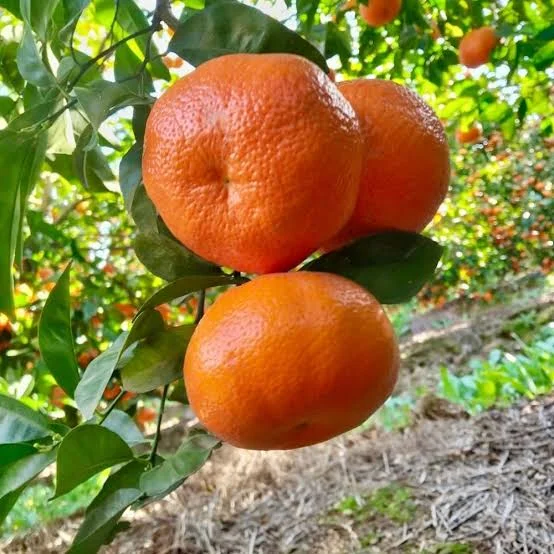
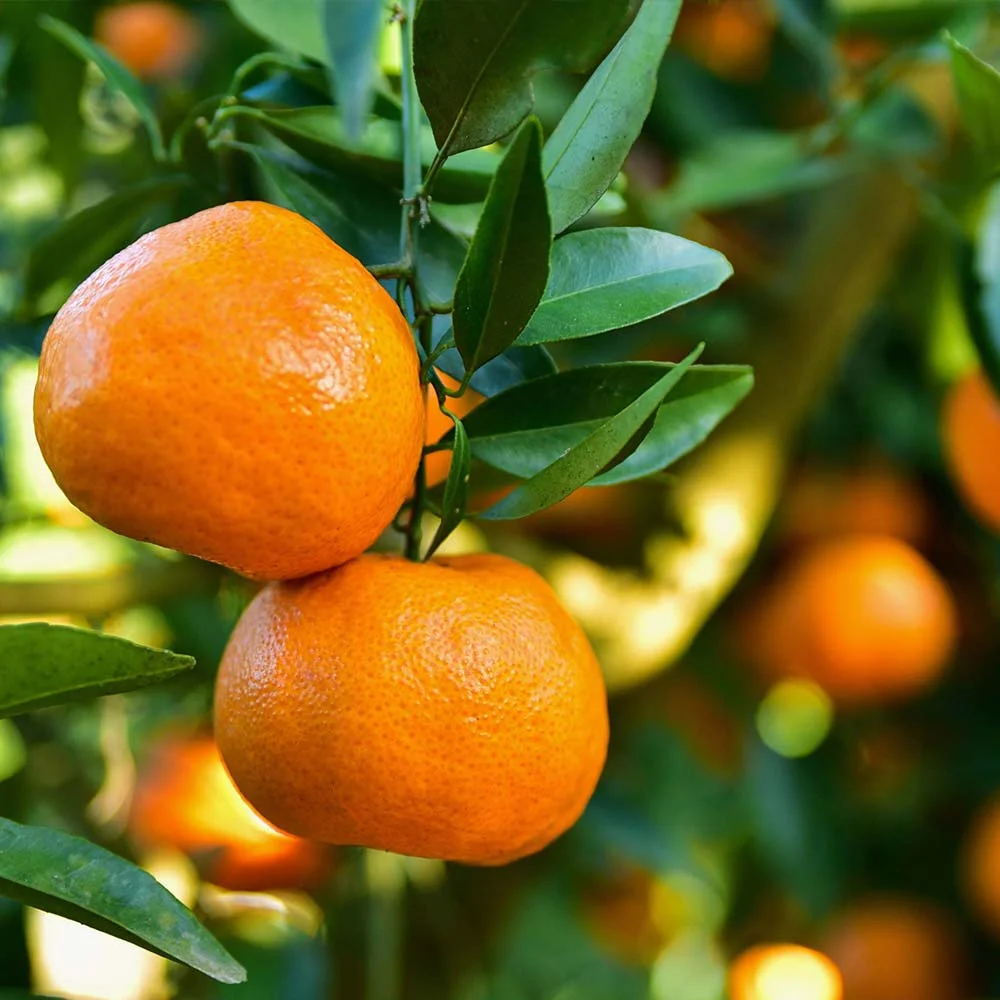
Did you know that in 2024, the country produced about 36,633 tonnes of tangerines worth approximately KSh 1.92 billion, according to the Kenya National Bureau of Statistics (KNBS). That was an increase from 28,761 tonnes produced in 2023, pointing to a crop with growing production and market value.
For farmers, tangerines offer more than just another fruit to grow. The sweet, juicy fruits are popular for fresh consumption and can be sold through local markets, fruit vendors, supermarkets, hotels, restaurants and processors.
But establishing a productive tangerine orchard takes planning. The choice of variety and seedlings, soil condition, water availability, spacing, nutrition and day-to-day orchard management can all affect how well the trees perform.
With the right conditions and proper management, tangerine farming can provide Kenyan farmers with a long-term source of income while supplying fresh citrus to local markets.
For Kenyan farmers, tangerine farming can provide an opportunity to diversify farm income and make use of suitable agricultural land. With good-quality seedlings, appropriate soil and climate conditions, adequate water, proper nutrition and good orchard management, farmers can establish productive tangerine orchards and supply fruit to local markets.
You can read more about Orange Farming in Kenya, including suitable varieties, growing conditions and planting practices. Our guide also covers orchard management, harvesting and marketing for better production.
Suitable Conditions for Tangerine Farming
Ideal Temperature
Tangerines thrive in warm conditions, with temperatures of about 20°C to 30°C being suitable for healthy growth. They require relatively warm conditions throughout the growing season, while extreme heat can increase water requirements and affect fruit development. Areas with temperatures that remain within a suitable range are therefore preferable for establishing tangerine orchards.
Rainfall Requirements
Tangerines require adequate and well-distributed moisture for good growth and fruit production. About 1,000 to 1,500 mm of rainfall annually is generally suitable when the rainfall is reasonably distributed throughout the year. Where rainfall is insufficient or unreliable, farmers can use irrigation to supplement water, particularly during flowering, fruit development and dry periods.
Sunlight Requirements
Tangerine trees require plenty of sunlight to support photosynthesis, flowering and fruit development. The orchard should be established in an open area that receives direct sunlight for most of the day. Adequate spacing between trees also helps ensure that the leaves and fruits receive sufficient light.
Soil Requirements
Suitable Soil Types
Tangerines grow well in deep, fertile and well-drained soils. Loam and sandy-loam soils are particularly suitable because they provide a good balance between water retention, aeration and drainage. The soil should also be deep enough to allow the tree’s roots to develop properly.
Soil Drainage
Good drainage is essential because tangerine trees do not perform well in waterlogged soils. Excess water around the roots can reduce aeration and contribute to root problems. Farmers should therefore avoid poorly drained areas and improve drainage where necessary before planting.
Ideal Soil pH
Tangerines generally perform well in slightly acidic to neutral soils, with a soil pH of about 5.5 to 7.0. Farmers are encouraged to conduct a soil test before planting to determine the soil’s pH and nutrient status. Where necessary, appropriate soil amendments can be applied based on the soil-test recommendations.
Soil Fertility
Tangerines require fertile soils containing adequate nutrients to support vegetative growth, flowering and fruit development. Incorporating well-decomposed organic manure can help improve soil structure and nutrient availability. Fertiliser should be applied according to the nutritional needs of the trees and, where possible, guided by soil-test results.
Best Tangerine Varieties to Grow in Kenya
Pixie Tangerine
Pixie tangerines produce small to medium-sized fruits with a sweet flavour and easy-to-peel skin. They are valued for their pleasant taste and are mainly suitable for fresh consumption. The variety can be a good option for farmers targeting consumers who prefer convenient, sweet citrus fruits.
Kinnow Tangerine
Kinnow produces juicy and flavourful fruits with an attractive orange colour. The fruits have good juice content, making the variety suitable for both fresh consumption and processing. Farmers can consider Kinnow where there is demand for juicy citrus fruits in local markets.
Clementine Tangerine
Clementine is known for its small to medium-sized fruits, sweet flavour and easy-to-peel skin. The fruits are juicy and are generally preferred for fresh consumption. Its attractive appearance and convenient size can make it suitable for retail fruit markets.
Dancy Tangerine
Dancy tangerines are recognised by their deep orange colour, distinctive flavour and relatively easy-to-peel skin. The fruits have a characteristic sweet and slightly tangy taste that makes them suitable for fresh consumption. Farmers targeting local fresh-fruit markets can consider this variety where it is well adapted to the growing conditions.
Murcott Tangerine
Murcott produces medium-sized fruits with a sweet and juicy flesh and attractive orange colour. The fruits have good flavour and juice content, making them suitable for fresh consumption as well as processing. Proper orchard management can help farmers achieve good fruit quality and consistent production.
Choosing a Variety Based on Location and Market Demand
Farmers should consider the climate, soil conditions, water availability and altitude of their farm when selecting a tangerine variety. Market demand is equally important, as buyers may have different preferences for fruit size, sweetness, seed content, appearance and juice content. Selecting a variety that matches both the farm’s growing conditions and the intended market can help farmers achieve better production and marketability.
Land Preparation for Tangerine Farming
Selecting Suitable Land
Tangerines should be planted on land with good sunlight exposure, adequate water availability and well-drained soil. The site should not be prone to waterlogging because excess moisture can affect root development.
Farmers should also consider accessibility to roads and markets, especially when establishing a commercial orchard where fruits will need to be transported after harvesting.
Soil Testing
Soil testing should be carried out before preparing the planting holes to determine the soil’s pH, nutrient levels and general fertility. The results help farmers identify nutrient deficiencies and determine whether soil amendments are required.
Applying manure, organic fertilisers, or other amendments based on soil-test recommendations helps create suitable conditions for young tangerine trees.
Land Clearing
The selected land should be cleared of bushes, weeds, crop residues, and other unwanted vegetation before planting. Large roots, stones and debris should also be removed where necessary.
However, farmers should avoid unnecessary disturbance of the topsoil, as maintaining good soil structure is important for the establishment of the orchard.
Preparing Planting Holes
Planting holes should be prepared several weeks before transplanting the seedlings to allow the soil to settle. Holes of about 60 cm × 60 cm × 60 cm can be prepared, although the size may be adjusted depending on the soil condition and recommendations for the selected planting material.
The topsoil should be kept separate from the subsoil during digging because it is usually richer in organic matter and nutrients.
Recommended Spacing
Adequate spacing gives tangerine trees enough room for root and canopy development while allowing farmers to move through the orchard during management activities.
A spacing of about 5 metres between trees and 5 metres between rows can be used for many tangerine orchards. The exact spacing may vary depending on the variety, rootstock, soil fertility and orchard management system.
Adding Organic Manure Before Planting
Well-decomposed organic manure should be incorporated into the planting-hole soil before the seedlings are planted. Organic manure improves soil structure, supports moisture retention and contributes nutrients needed by young trees. The manure should be thoroughly mixed with the topsoil rather than placing fresh manure directly against the roots, which can damage newly planted seedlings.
Planting Tangerines in Kenya
Planting is an important step in establishing a productive tangerine orchard. Therefore, farmers should use quality seedlings and follow proper planting practices to encourage strong root development and healthy growth.
Planting should also be done when there is enough moisture, while young trees should receive proper watering and care during establishment.
Selecting Quality Seedlings
Farmers should buy tangerine seedlings from reputable nurseries because quality planting materials are more likely to establish well and produce productive trees. In addition, seedlings should be properly hardened before transplanting to reduce stress.
Importance of Certified and Grafted Seedlings
Certified and grafted seedlings are suitable for commercial production because they come from known varieties and can provide more uniform growth and fruit quality. Grafted seedlings can also combine desirable fruit characteristics with suitable rootstocks.
Farmers should therefore purchase seedlings from reputable nurseries and ensure they are correctly labelled and suitable for their area.
Features of Healthy Seedlings
Healthy tangerine seedlings should have strong stems, green leaves and well-developed roots. They should also be free from visible damage, wilting and abnormal growth.
Farmers should avoid weak or damaged seedlings because they may struggle to establish after planting and can result in poor early growth.
Tangerine Planting Process
Best Planting Time
Tangerines are best planted at the beginning of a reliable rainy season because adequate soil moisture helps young trees establish their roots. However, farmers with irrigation can plant during other periods as long as sufficient water is available.
Step-by-Step Planting Process
The prepared hole should contain well-mixed topsoil and decomposed organic manure. The seedling is then carefully removed from its container and placed upright in the centre of the hole.
The hole is filled with soil and gently firmed around the seedling, while the graft union remains above the soil surface. Farmers should also avoid burying the stem.
Initial Watering
The seedling should be watered immediately after planting to settle the soil around the roots and provide enough moisture for establishment. Farmers should then monitor soil moisture and irrigate when necessary, especially during dry periods.
Mulching After Planting
Organic mulch can be placed around the young tree because it helps conserve moisture, suppress weeds and regulate soil temperature. Suitable materials include dry grass and crop residues.
However, the mulch should not touch the stem, as excessive moisture around the base may cause problems for the young tree.
Tangerine Orchard Management
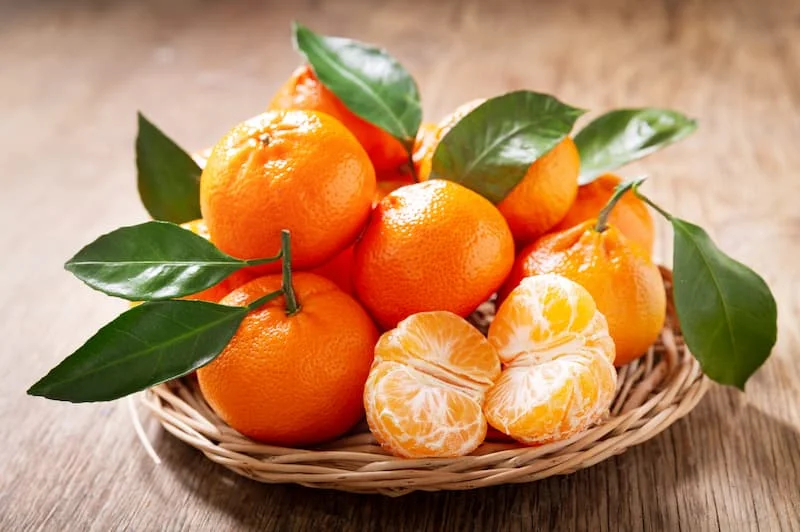
Proper orchard management helps tangerine trees grow well and produce quality fruit. Farmers should therefore focus on adequate watering, proper nutrition, pruning and effective weed control.
Watering and Irrigation
Tangerines need enough water for healthy growth, flowering and fruit development. However, excessive watering should be avoided because waterlogged soil can damage the roots.
Drip irrigation and sprinklers are suitable methods, while irrigation should be increased during dry seasons. Mulching can also help retain moisture around the trees.
Fertilizer and Manure Application
Organic manure improves soil fertility and structure, while also supplying nutrients to growing tangerine trees. Well-decomposed manure should therefore be applied around the trees.
Tangerines require nutrients such as nitrogen, phosphorus and potassium. Fertilisers should be applied according to the trees’ needs and, where possible, guided by soil-test results.
Pruning and Training
Pruning involves removing unwanted, damaged and overcrowded branches. This helps maintain a healthy tree structure and encourages better fruit production.
A well-managed canopy also allows better sunlight penetration and air circulation. Therefore, farmers should prune regularly without removing too many productive branches.
Weed Management and Mulching
Weeds compete with tangerine trees for water and nutrients, so they should be controlled through hand weeding or other suitable methods. Farmers should avoid damaging the tree roots during cultivation.
Mulching helps conserve moisture and suppress weeds. Dry grass and crop residues can be used, although the mulch should be kept away from the tree stem.
Tangerine Harvesting and Post-Harvest Handling
Proper harvesting and post-harvest handling help maintain the quality and freshness of tangerines. Farmers should therefore harvest fruits at the right stage and handle them carefully to reduce damage and losses.
Signs of Maturity
Tangerines are ready for harvesting when they develop their characteristic orange colour, suitable size and sweet flavour. The fruits should also be firm and easily detach when harvested without excessive force.
Proper Harvesting Methods
Tangerines should be harvested carefully by hand, using clean harvesting tools where necessary. Farmers should avoid pulling or dropping the fruits because bruises and cuts can reduce their quality and shelf life.
Sorting and Grading
After harvesting, tangerines should be sorted to remove damaged, rotten or immature fruits. The remaining fruits can then be graded according to size, colour and overall quality, making them easier to market.
Packaging
Tangerines should be packed in clean, strong and well-ventilated containers. Proper packaging protects the fruits from bruising and also makes handling and transportation easier.
Storage
Tangerines should be stored in a cool, dry and well-ventilated environment away from direct sunlight. Proper storage conditions help maintain fruit quality and extend shelf life.
Transportation
During transportation, tangerines should be handled carefully and packed properly to prevent bruising. Vehicles should also provide adequate ventilation, while excessive stacking should be avoided.
Reducing Post-Harvest Losses
Farmers can reduce post-harvest losses by harvesting at the right maturity stage and handling fruits carefully throughout the process. In addition, proper sorting, packaging, storage and transportation help maintain quality and reduce spoilage.
Marketing and Profitability of Tangerine Farming
Tangerine farming can provide farmers with income when production and marketing are properly managed. However, profitability depends on factors such as production costs, fruit yields, market prices and the choice of buyers.
Where to Sell Tangerines in Kenya
Tangerines can be sold through different marketing channels, including local markets, supermarkets, fruit vendors, hotels, restaurants, juice processors and wholesalers. Therefore, farmers should identify reliable buyers and compare available prices before selling.
Local Markets
Local markets provide an accessible outlet where farmers can sell tangerines directly to consumers. They are especially useful for farmers producing smaller quantities.
Supermarkets
Supermarkets purchase fresh fruits that meet their quality and packaging requirements. Farmers with consistent supplies can therefore establish relationships with organised retailers.
Fruit Vendors
Fruit vendors buy tangerines for resale to consumers in busy trading centres and other locations. This provides a convenient market for small and medium-scale farmers.
Hotels and Restaurants
Hotels and restaurants can purchase tangerines for fresh fruit servings, juices and other food preparations. Farmers who consistently supply good-quality fruit can develop regular buyers.
Juice Processors
Juice processors purchase tangerines for making juices and other processed products. This also provides a market for fruits that may not meet the appearance requirements of some fresh-fruit retailers.
Wholesalers
Wholesalers purchase tangerines in large quantities and distribute them to retailers and other markets. This can help farmers sell large volumes at once, although prices vary depending on supply and demand.
Role of Organic Fertilisers in Tangerine Farming
Organic fertilisers play an important role in maintaining soil fertility and supporting healthy tangerine growth. They add nutrients to the soil while also improving conditions around the tree roots.
Benefits of Organic Fertilisers
Organic fertilisers provide nutrients gradually, and they can improve soil health when used regularly. They also support better moisture retention and create favourable conditions for beneficial soil organisms.
Improving Soil Fertility and Structure
Organic fertilisers add organic matter to the soil, which improves its structure and water-holding capacity. As a result, the soil becomes more suitable for root growth and long-term tangerine production.
Supporting Root Development
Healthy roots are important because they absorb water and nutrients needed for tree growth. Organic matter can improve the soil environment around the roots, while also creating better conditions for strong root development.
Improving Nutrient Availability
Organic fertilisers release nutrients gradually as they decompose, making them available to the trees over time. Therefore, they can complement other fertilisers and help maintain nutrient availability throughout the growing season.
Using Safi Sarvi Organic Biochar Fertiliser in Tangerine Production
Safi Sarvi Organic Biochar Fertiliser can be incorporated into a tangerine production programme to improve soil conditions and support nutrient availability. When applied correctly, it can complement other soil fertility practices while helping farmers maintain productive and healthy orchard soils.
Conclusion and Frequently Asked Questions
In conclusion, successful tangerine farming requires suitable growing conditions, quality planting materials and proper orchard management. Farmers should also provide adequate water and nutrients while maintaining good pruning, weeding and mulching practices.
Quality seedlings are important because they support healthy tree establishment and consistent fruit production. In addition, proper orchard management helps maintain tree health and fruit quality, while good marketing practices can improve the farmer’s returns.
Tangerine farming has market opportunities in Kenya through local markets, retailers, fruit vendors, hotels, restaurants, processors and wholesalers. Therefore, farmers who combine good production practices with reliable marketing channels can develop a sustainable tangerine enterprise.
FAQs About Tangerine Farming in Kenya
How Long Do Tangerines Take to Mature?
Grafted tangerine trees can start producing fruit within about 2 to 3 years after planting, although full production usually takes longer. The exact period depends on the variety, growing conditions and orchard management.
Which Areas Are Suitable for Tangerine Farming in Kenya?
Tangerines can be grown in warm areas with suitable soils, adequate moisture and good sunlight. Suitable production areas include parts of Eastern, Coastal, Central and Western Kenya, although farmers should assess their local conditions before planting.
How Many Tangerine Trees Can Be Planted Per Acre?
At a spacing of 5 metres by 5 metres, an acre can accommodate approximately 160 tangerine trees. The actual number may vary depending on the spacing system and orchard design.
How Much Does It Cost to Start Tangerine Farming?
The starting cost varies depending on land preparation, number of seedlings, irrigation, manure, fertilisers, and labour requirements. Farmers should therefore prepare a farm-specific budget based on their location and production system.
How Many Fruits Can One Tangerine Tree Produce?
Fruit production varies depending on the variety, tree age, soil fertility, water availability and orchard management. Mature, well-managed trees can produce hundreds of fruits per season, although yields differ between farms.
Is Tangerine Farming Profitable in Kenya?
Tangerine farming can be profitable when farmers achieve good yields, maintain quality and access suitable markets. However, profitability depends on production costs, market prices, yields and post-harvest losses, so farmers should assess these factors before investing.


