
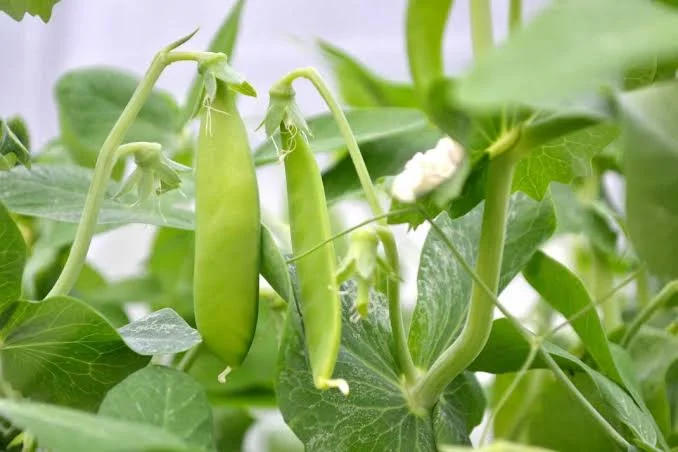
Did you know that Kenya produced more than 24,500 tonnes of snow peas worth about KSh 1.8 billion in 2024? This shows that snow peas are already an important commercial vegetable, with opportunities for farmers who can produce quality pods and access reliable markets.
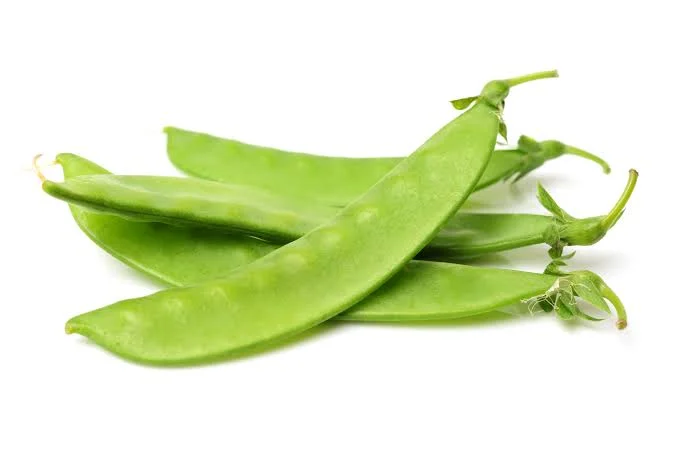
Snow peas are harvested while the pods are still young, flat, and tender. Unlike ordinary peas, the whole pod is eaten, making them popular in salads, stir-fries, hotels, restaurants and supermarkets.
For farmers, successful production depends on more than planting the crop. Cool temperatures, fertile and well-drained soil, adequate moisture, proper trellising and timely harvesting all contribute to good-quality pods. Market planning is equally important, particularly for farmers targeting premium and export buyers.
Why Grow Snow Peas in Kenya?
Snow peas can help farmers diversify vegetable production and create an additional source of income. Farmers who produce uniform, fresh, and tender pods can target supermarkets, hotels, restaurants, fresh-produce traders, and export markets.
However, it is wise to identify the market before planting. Knowing the buyer’s preferred variety, pod size, quality standards, packaging and delivery requirements can help farmers plan production and reduce post-harvest losses.
Demand for Snow Peas in Local and Export Markets
Demand comes from both local and export markets. Export buyers, however, generally have stricter requirements for produce quality, pesticide residues, grading, packaging, and handling.
For this reason, producing snow peas commercially requires a balance between good crop management and good market practices.
Suitable Regions for Growing Snow Peas
Snow peas perform best in cool areas with moderate temperatures, fertile soils, good drainage, and reliable water. In Kenya, suitable growing areas include parts of Nyeri, Kirinyaga, Nyandarua, Laikipia, Nakuru, and Meru.
Farmers should select areas with favourable climatic conditions and avoid poorly drained fields where excess water can affect plant growth. Proximity to roads, collection centres, and reliable markets is also important, especially for farmers targeting fresh and export markets.
Snow peas are a valuable vegetable crop that can provide farmers with good income when properly managed. You can also read more in our article on lentil farming in Kenya to learn about another profitable legume crop.
Climate and Soil Requirements for Snow Peas
Snow peas prefer cool conditions, making Kenya’s highland areas particularly suitable for production. Temperatures around 10°C to 24°C support good growth, flowering and pod formation, while prolonged heat can reduce flowering and affect pod quality.
Soil Requirements
The crop performs best in fertile, loose and well-drained soils, especially loam and sandy-loam soils. Avoid fields where water tends to collect after rain, as waterlogged conditions can weaken the roots and slow growth.
A soil pH of about 6.0 to 7.0 is suitable for snow peas. Before planting, a soil test can show whether the field has the right pH and enough nutrients. This gives farmers a better basis for deciding which fertilisers or soil amendments are needed.
Sunlight and Moisture
Choose an open field that receives good sunlight. Snow peas also need steady soil moisture, particularly when flowering and forming pods. Irrigate during dry periods, but avoid overwatering. A layer of clean organic mulch can help keep moisture in the soil and reduce weed growth.
In simple terms: choose a cool, sunny field with fertile soil, good drainage and reliable access to water. These conditions give snow peas a much better start and help farmers produce tender, marketable pods.
Snow Pea Varieties
Common Snow Pea Varieties
Snow pea varieties differ in pod size, plant growth habit, maturity period, yield potential, and resistance to challenging growing conditions. Farmers should select varieties that are suited to their production area and the requirements of their target market.
Common types include dwarf or bush snow peas and climbing snow peas. Climbing types produce vines that require support, while dwarf types remain shorter and may need less support. The choice depends on available space, labour, production system, and market preferences.
Choosing Varieties Based on Climate and Market Demand
Farmers should select varieties that perform well under the temperatures and growing conditions of their area. A variety adapted to the local climate is more likely to establish well, flower properly, and produce quality pods.
Market demand should also guide variety selection. Farmers supplying supermarkets, hotels, or exporters should choose varieties that produce attractive, tender, uniform pods that meet buyer specifications. It is also advisable to identify the preferred variety and pod characteristics before planting.
Qualities of Good Planting Material
Good-quality snow pea seeds should be clean, mature, healthy, and free from damage. They should have good germination ability and produce vigorous seedlings with strong early growth.
Farmers should purchase certified or quality-assured seeds from reliable suppliers rather than using poor-quality or unknown planting material. Good seeds provide more uniform crop establishment and can contribute to better yields and pod quality.
Land Preparation and Planting
Preparing the Land
Start by clearing the field of weeds, crop residues, and other unwanted vegetation. Plough the soil to loosen compacted areas and improve aeration and root development.
Prepare a fine, well-drained seedbed before planting. Incorporate well-decomposed organic manure into the soil to improve fertility and moisture retention. Raised beds can be useful in areas where drainage is a challenge.
Soil Testing and Improvement
Conduct a soil test before planting to determine the soil pH and available nutrients. Snow peas perform best in fertile soils with a pH of about 6.0 to 7.0.
Based on the soil test results, farmers can add suitable amendments to correct nutrient deficiencies or unsuitable pH. Adding organic matter can also improve soil structure and support healthy plant growth.
Recommended Spacing
For climbing snow pea varieties, leave about 60–90 cm between rows and 5–10 cm between plants. Proper spacing allows adequate air circulation, sunlight penetration, and room for the vines to climb.
Avoid overcrowding the plants because it can encourage poor growth and make field management more difficult. Spacing may also be adjusted according to the variety and the support system being used.
Planting Depth
Plant snow pea seeds at a depth of approximately 2–4 cm. Planting too deeply can delay germination, while very shallow planting can expose seeds to drying and other environmental stresses.
Place the seeds in moist soil and cover them lightly. Adequate moisture after planting helps promote uniform and healthy germination.
Seed Selection and Treatment
Use clean, healthy, and certified snow pea seeds with good germination potential. Avoid seeds that are damaged, discoloured, mouldy, or poorly stored, as they may result in weak or uneven crop establishment.
Where recommended, seeds can be treated with an appropriate seed treatment before planting. Farmers should follow the instructions provided by the seed supplier or agricultural extension officer and avoid unnecessary chemical treatment.
Best Planting Time For Snow Peas in Kenya
Snow peas grow best during cool periods, so planting time should depend on the climate of the production area. Farmers in highland regions can plan planting around periods when temperatures remain moderate and adequate moisture is available.
Where irrigation is available, farmers have greater flexibility in scheduling production. It is also important to consider the expected harvesting period and market demand when deciding when to plant.
Fertilisation and Crop Nutrition
Nutrient Requirements of Snow Peas
Snow peas require essential nutrients for strong root development, healthy vines, flowering, and quality pod formation. The main nutrients include nitrogen, phosphorus, and potassium, together with secondary and micronutrients required in smaller amounts.
Because snow peas are legumes, they can obtain some nitrogen through their association with beneficial soil bacteria. However, maintaining overall soil fertility is still important for achieving healthy growth and good yields.
Applying Organic Manure and Fertilisers
Apply well-decomposed organic manure during land preparation to improve soil structure, moisture retention, and nutrient availability. Manure should be properly composted to reduce the risk of introducing harmful organisms or weed seeds.
Fertilisers should be applied according to soil-test results and the crop’s nutritional needs. Avoid excessive fertiliser application, particularly nitrogen, as it can encourage excessive vegetative growth at the expense of pod production.
Using Safi Sarvi Fertiliser to Improve Soil Health
Farmers can incorporate Safi Sarvi Fertiliser into their snow pea production as part of a soil fertility management programme. Organic biochar-based fertilisers can help improve soil structure and nutrient availability while supporting better moisture management.
Safi Sarvi should be applied according to the recommended rates and method for the product. Combining good soil preparation with appropriate organic fertilisation can help create favourable conditions for healthy snow pea growth.
Top-Dressing and Maintaining Soil Fertility
Top-dressing may be considered when soil tests or crop performance indicate a need for additional nutrients. Apply the appropriate fertiliser carefully around the plants while avoiding direct contact with the stems.
Regularly monitor plant growth and soil condition throughout the growing season. Maintaining adequate organic matter and replacing nutrients removed during harvesting helps keep the soil productive for future crops.
Importance of Balanced Crop Nutrition
Balanced nutrition supports healthy vines, flowering, and the production of tender, well-formed pods. Both nutrient deficiencies and excessive fertiliser application can affect crop performance and profitability.
Farmers should therefore base their fertiliser programme on soil-test results, crop requirements, and professional recommendations. Good nutrition, combined with proper irrigation and general crop management, helps snow peas achieve better quality and yields.
Irrigation and Weed Management
Water Requirements
Snow peas require consistent moisture throughout their growing period, particularly during germination, flowering, and pod development. Adequate moisture supports steady growth and helps produce tender, well-filled pods.
Farmers should monitor soil moisture regularly and irrigate when the soil begins to dry. Water requirements may vary depending on the weather, soil type, crop stage, and availability of rainfall.
Recommended Irrigation Methods
Drip irrigation is a suitable option for snow peas because it delivers water directly to the root zone while reducing water wastage. It also helps keep the foliage relatively dry, which can support better crop management.
Farmers can also use furrow or other appropriate irrigation methods where suitable. Irrigation should be applied evenly and adjusted according to rainfall and soil moisture conditions.
Avoiding Waterlogging
Although snow peas need adequate moisture, excessive water can reduce oxygen around the roots and affect plant growth. Poorly drained fields can also lead to weak roots and reduced crop performance.
Farmers should plant in well-drained soils and provide drainage channels where necessary. Avoid over-irrigating, especially after rainfall, and ensure excess water can move away from the field.
Weed Control Methods
Weeds compete with snow peas for water, nutrients, sunlight, and space, especially during the early stages of growth. Regular weeding helps reduce competition and allows the crop to establish properly.
Farmers can control weeds through hand weeding, shallow hoeing, cultivation, and mulching. Weeding should be done carefully to avoid damaging the shallow roots of snow pea plants.
Mulching and Moisture Conservation
Applying organic mulch such as dry grass, crop residues, or suitable plant material around the plants can help conserve soil moisture and suppress weed growth. Mulch also reduces direct evaporation from the soil surface.
A suitable layer of mulch can help maintain more stable soil moisture, especially during dry periods. Farmers should avoid placing excessive mulch directly against plant stems and should use clean materials to reduce potential problems in the field.
Supporting and Managing Snow Pea Plants
Importance of Trellising
Snow peas are climbing plants that benefit greatly from proper support as they grow. Trellising keeps the vines upright, allowing them to access adequate sunlight and improving air circulation around the plants.
A good support system also keeps pods off the ground, making harvesting easier and reducing contact with soil. Proper trellising can improve the quality and appearance of pods while making field operations more manageable.
Materials Used for Support
Farmers can use materials such as wooden stakes, bamboo poles, sisal twine, strong strings, and trellis nets to support snow pea vines. The materials should be strong enough to hold the plants throughout the growing season.
Supports should be installed early, preferably when the plants are still young. This prevents farmers from disturbing the roots or damaging established vines when installing the trellis later.
Training Vines onto Supports
As the vines grow, gently guide them towards the trellis or support structure. Use soft twine where necessary to secure the plants without tightly tying or damaging the stems.
Regularly check the field and redirect vines that are growing along the ground. Proper training helps the plants spread evenly across the support and makes pods easier to see and harvest.
Pruning and General Crop Management
Light pruning may be carried out to remove damaged, weak, or unwanted growth and maintain good airflow within the crop. Avoid excessive pruning because healthy leaves are important for photosynthesis and pod development.
Farmers should also regularly inspect the crop, control weeds, maintain adequate soil moisture, and monitor plant growth. Combining proper support with good nutrition and irrigation helps produce healthy vines and high-quality snow pea pods.
Harvesting and Post-Harvest Handling
Signs That Snow Peas Are Ready for Harvest
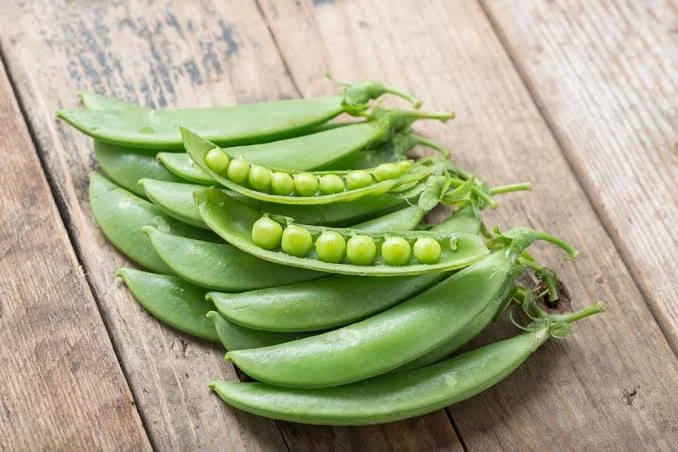
Snow peas should be harvested while the pods are young, flat, tender, and bright green. The pods should be well formed but before the seeds become large and hard.
Farmers should check the crop regularly because snow pea pods develop quickly. Harvesting at the correct stage helps maintain their crisp texture, attractive appearance, and market quality.
When and How to Harvest
Harvesting can begin when the plants have produced mature marketable pods, depending on the variety and growing conditions. Snow peas are usually harvested several times over the production period as new pods continue to develop.
Pick the pods carefully by hand to avoid breaking the vines or damaging developing flowers and pods. Harvesting during the cooler parts of the day can help maintain freshness and reduce heat-related quality loss.
Sorting and Grading
After harvesting, sort the pods to remove those that are damaged, diseased, over-mature, discoloured, or otherwise unsuitable for sale. Good-quality pods should be fresh, tender, clean, and free from visible defects.
Grade the snow peas according to size, appearance, tenderness, and buyer requirements. Consistent grading makes the produce more attractive to supermarkets, hotels, exporters, and other premium buyers.
Cleaning, Packaging and Storage
Handle snow peas gently after harvesting to prevent bruising and physical damage. Remove unwanted soil and foreign materials while avoiding practices that leave excess moisture on the pods.
Pack the produce in clean, suitable containers that allow adequate ventilation. Snow peas are highly perishable, so they should be kept in cool conditions and marketed as quickly as possible to maintain their freshness and quality.
Transportation and Reducing Post-Harvest Losses
Use clean, well-ventilated packaging and avoid overloading containers during transportation. Produce should be protected from direct sunlight, excessive heat, and rough handling.
Farmers can reduce post-harvest losses by harvesting at the correct maturity, handling pods carefully, sorting promptly, maintaining cool conditions, and delivering produce to buyers quickly. Proper coordination with buyers before harvesting can also prevent unnecessary delays and spoilage.
Marketing and Profitability of Snow Pea Farming
Where to Sell Snow Peas in Kenya
Snow peas can be sold through local vegetable markets, supermarkets, hotels, restaurants, fresh produce shops, and vegetable distributors. Farmers can also supply produce to collection centres or agricultural cooperatives that aggregate vegetables from several growers.
The choice of market depends on the quality and quantity produced, location, prevailing prices, and buyer requirements. Farmers should research the market before planting to understand demand and avoid producing without a ready market.
Finding Reliable Buyers
Finding buyers early helps farmers plan production according to market demand. Farmers can approach supermarkets, hotels, restaurants, exporters, fresh produce companies, and organised vegetable traders directly.
It is important to confirm the buyer’s quality requirements, preferred packaging, delivery schedule, and payment terms before entering an agreement. Working with reliable buyers can provide more predictable sales and reduce post-harvest losses.
Selling to Exporters, Supermarkets, Hotels and Local Markets
Exporters can provide access to premium markets, but they usually require consistent quantities and strict quality standards. Supermarkets and hotels may also offer good opportunities for farmers who can supply fresh, uniform snow peas regularly.
Local markets provide an alternative for farmers who cannot meet premium-market requirements. Selling through several channels can reduce dependence on one buyer and give farmers greater flexibility when market prices change.
Production Costs
The main costs in snow pea farming include land preparation, quality seeds, manure and fertilisers, irrigation, trellising materials, labour, crop management, harvesting, packaging, transportation, and marketing.
Costs vary depending on farm size, location, production system, labour rates, and availability of inputs. Farmers should prepare a budget before planting and keep proper records of all expenses to determine whether the enterprise is profitable.
Expected Returns
Snow pea profitability depends on the yield obtained and the selling price received. Farmers supplying high-quality produce to premium or export markets may achieve better prices than those selling through ordinary markets.
To estimate returns, farmers should calculate total sales and subtract all production and marketing expenses. Keeping records of yields, prices, labour, and input costs helps farmers identify areas where they can reduce expenses and improve profits.
Factors Affecting Profitability
Several factors influence the profitability of snow pea farming, including seed quality, yield, input costs, labour expenses, market prices, weather conditions, irrigation, pod quality, and post-harvest losses.
Good farm management, proper soil nutrition, timely harvesting, careful handling, and reliable market connections can improve returns. Farmers should also monitor market trends and avoid planting large quantities without first establishing a realistic market for the expected harvest.
Conclusion
In conclusion, snow pea farming can be a profitable venture in Kenya when farmers choose suitable varieties and provide the right growing conditions. Good land preparation, quality seeds, proper spacing, adequate support, balanced fertilisation, timely irrigation, and regular weeding are important for healthy growth and quality pods.
Proper soil, water, and crop management helps farmers achieve better yields while reducing unnecessary production costs and post-harvest losses. Farmers should also harvest pods at the right stage, handle them carefully, and identify reliable markets before planting. Using suitable organic fertilisers such as Safi Sarvi can also support good soil fertility management.
With growing demand from local markets, hotels, supermarkets, and exporters, snow peas have good potential for farmers in Kenya, especially in suitable highland areas. Common questions include how long snow peas take to mature, the best planting season, suitable varieties, spacing, water requirements, and where to find reliable buyers.


