
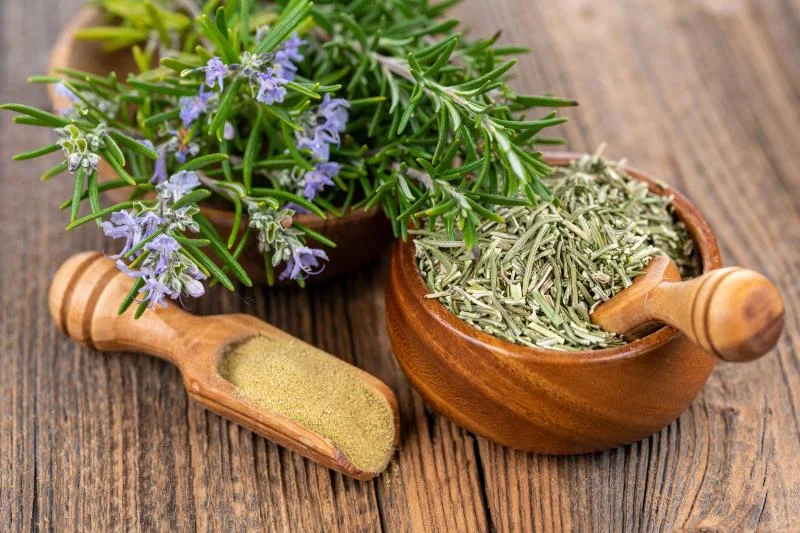
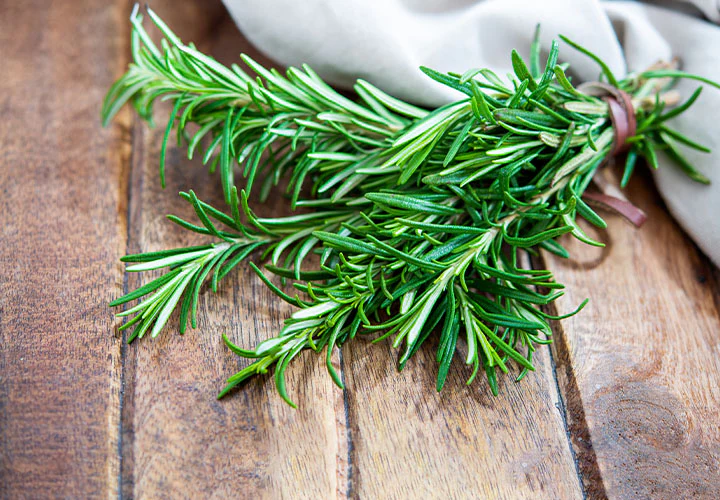
Rosemary (Salvia rosmarinus) is a perennial aromatic herb in the mint family. It is known for its needle-like leaves, woody stems, and strong fragrance. Although native to the Mediterranean region, rosemary grows well in many parts of Kenya due to its tolerance of warm and relatively dry conditions.
Uses of Rosemary
Rosemary has a wide range of uses across different industries.
Culinary Uses
- Flavouring meat, fish, soups, and sauces.
- Sold fresh or dried as a cooking herb.
Medicinal and Herbal Uses
- Used in herbal teas and traditional remedies.
- Valued for its antioxidant properties.
Cosmetic and Essential Oil Uses
- Used in soaps, shampoos, perfumes, and skincare products.
- Processed into essential oils for the cosmetic and wellness industries.
Ornamental Uses
- Grown in gardens and landscapes for decoration.
Importance of Rosemary Farming in Kenya
Rosemary farming is becoming increasingly popular in Kenya due to the rising demand for herbs, herbal products, and essential oils. The crop is relatively drought-tolerant, requires moderate inputs, and can remain productive for several years. In addition, farmers can increase their income through value-added activities such as drying, packaging, and essential oil extraction, making rosemary a promising enterprise in Kenya’s horticultural sector.
Interested in learning about other profitable crops grown in Kenya? Read Safi Sarvi’s article on garlic farming in Kenya to discover its ecological requirements, cultivation practices, and market opportunities.
Ecological Requirements for Rosemary Production
Climate Requirements
Rosemary grows best in warm climates with temperatures ranging between 15°C and 30°C. The crop is relatively drought-tolerant once established and performs well in areas receiving 500–1,200 mm of annual rainfall. Excessive rainfall and prolonged waterlogging can reduce growth and increase the risk of root diseases.
Soil Requirements
Rosemary thrives in well-drained sandy loam or loamy soils rich in organic matter. Good drainage is essential because the crop is highly sensitive to waterlogged conditions. The ideal soil pH ranges from 6.0 to 7.5, although rosemary can tolerate slightly alkaline soils.
Altitude Requirements
In Kenya, rosemary can be grown successfully in areas ranging from 500 to 2,500 metres above sea level. However, the crop generally performs best in the medium- to high-altitude regions where temperatures are moderate, and drainage is good.
Sunlight Requirements
Rosemary requires full sunlight for optimum growth and essential oil production. The crop should receive at least 6 to 8 hours of direct sunlight daily. Insufficient sunlight can lead to weak growth, reduced leaf production, and lower essential oil content.
Suitable Areas for Growing Rosemary in Kenya
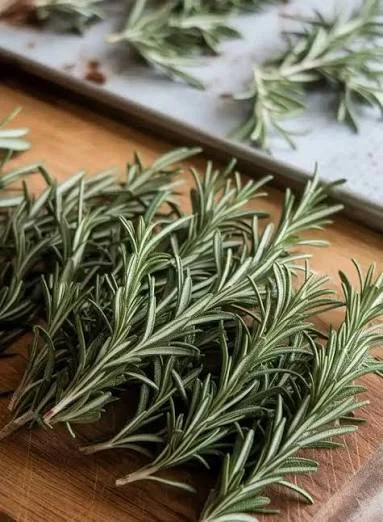
Rosemary is a hardy herb that adapts well to various ecological conditions in Kenya. The crop performs best in areas with moderate temperatures, adequate sunshine, and well-drained soils. Since rosemary is drought-tolerant once established, it is suitable for many regions where excessive rainfall and waterlogging are not common problems.
Regions Where Rosemary Performs Well
Central Kenya
Central Kenya is one of the most suitable regions for rosemary cultivation due to its favourable climate and fertile soils. Counties such as Nyeri, Kiambu, Murang’a, Kirinyaga, and parts of Nyandarua provide ideal growing conditions. The region experiences moderate temperatures throughout the year and receives sufficient rainfall to support crop growth.
Rift Valley Region
Several parts of the Rift Valley are suitable for rosemary production. Counties such as Nakuru, Uasin Gishu, Nandi, Baringo, Elgeyo Marakwet, and parts of Narok have climatic conditions that support healthy rosemary growth. The region’s well-drained volcanic soils and relatively cool temperatures contribute to good crop performance.
Upper Eastern Region
Counties such as Meru, Embu, and Tharaka Nithi offer favourable conditions for rosemary farming, particularly in higher altitude areas. These regions receive adequate sunlight and have soils that allow proper root development. Farmers in these areas can successfully cultivate rosemary for both fresh and dried markets.
Western Kenya
Rosemary can also be grown in selected parts of Western Kenya, especially in highland areas with good drainage. Counties such as Bungoma, Kakamega, and Vihiga have areas where the crop can perform well with proper farm management practices.
Nyanza Highlands
The highland zones of Kisii and Nyamira are suitable for rosemary production due to their moderate temperatures and fertile soils. These areas provide favourable growing conditions that support continuous vegetative growth and regular harvesting.
Factors That Make These Areas Suitable
Moderate Temperatures
Rosemary thrives in areas with temperatures ranging between 15°C and 30°C. Most of Kenya’s highland and medium-altitude regions fall within this range, allowing the crop to grow vigorously throughout the year.
Adequate Sunlight
The crop requires full sunlight for optimal growth and essential oil development. Areas that receive at least six to eight hours of direct sunlight daily are highly suitable for rosemary cultivation.
Well-Drained Soils
Rosemary performs best in sandy loam or loamy soils with good drainage. Excess water around the roots can lead to root rot and reduced plant vigour. Regions with well-drained soils therefore provide better growing conditions.
Suitable Altitude
Although rosemary can grow across a wide range of altitudes, it performs particularly well in medium to high-altitude areas. These locations provide moderate temperatures that encourage healthy vegetative growth and improve the quality of harvested leaves.
Low Risk of Waterlogging
Areas that experience prolonged waterlogging are generally unsuitable for rosemary farming. Suitable regions have soils that allow excess water to drain away quickly, reducing the risk of disease outbreaks and root damage.
Availability of Irrigation
Access to irrigation enhances rosemary production, especially during dry periods. Farmers in suitable regions can maintain consistent growth and achieve higher yields by supplementing rainfall with irrigation when necessary.
Rosemary Varieties Grown in Kenya
Tuscan Blue Rosemary
Tuscan Blue is one of the most popular rosemary varieties due to its vigorous growth and high productivity. It is widely cultivated for culinary use and essential oil production.
Blue Spires Rosemary
Blue Spires is valued for its upright growth habit and attractive blue flowers. The variety is suitable for both commercial cultivation and ornamental landscaping.
Miss Jessopp’s Upright Rosemary
This variety is known for its tall, upright growth and strong aromatic properties. It is commonly grown for culinary and medicinal purposes.
Prostratus Rosemary
Also known as creeping rosemary, Prostratus has a trailing growth habit that makes it suitable for ground cover and ornamental applications. It can also be harvested for culinary use.
Spice Islands Rosemary
Spice Islands are a highly aromatic variety preferred for cooking and herb production. It produces flavorful leaves with a strong fragrance.
Characteristics of Each Variety
Tuscan Blue Rosemary
Tuscan Blue grows into a large, upright shrub that can reach heights of up to two meters under favourable conditions. It produces dark green leaves with a strong aroma and attractive pale blue flowers. The variety is drought-tolerant, highly productive, and suitable for commercial herb production.
Blue Spires Rosemary
Blue Spires develops an upright and compact growth habit with dense foliage. It produces numerous blue flowers that attract pollinators such as bees. The variety performs well in well-drained soils and can be used for both herb production and ornamental landscaping.
Miss Jessopp’s Upright Rosemary
This variety is characterised by rapid vertical growth and narrow leaves with a strong fragrance. It is highly valued for fresh herb markets because of its attractive appearance and high-quality foliage. The plants also produce attractive blue flowers during the flowering season.
Prostratus Rosemary
Prostratus grows close to the ground and spreads horizontally rather than vertically. It is commonly used for erosion control, landscaping, and decorative gardening. Despite its trailing growth habit, the leaves remain aromatic and suitable for culinary use.
Spice Islands Rosemary
Spice Islands are recognised for their exceptional flavour and fragrance. The variety produces soft, narrow leaves that are widely used in culinary applications. It maintains a compact growth habit and can be harvested regularly for fresh herb markets.
Selecting the Right Variety
The choice of rosemary variety depends on the intended purpose of production. Farmers targeting essential oil extraction often prefer vigorous upright varieties such as Tuscan Blue, while those supplying fresh herb markets may opt for Spice Islands or Miss Jessopp’s Upright. For ornamental landscaping and ground cover applications, Prostratus remains one of the most suitable options.
Land Preparation and Planting of Rosemary
Proper land preparation and planting are essential for successful rosemary production. Well-prepared land promotes healthy root development, improves water infiltration, and reduces competition from weeds. Selecting an appropriate site and following recommended planting practices can significantly enhance crop establishment and productivity.
Site Selection
Rosemary grows best in areas that receive full sunlight throughout the day. Farmers should select sites that receive at least six to eight hours of direct sunlight daily, as adequate sunlight promotes vigorous growth and enhances the development of aromatic compounds in the leaves.
The selected site should have well-drained soils because rosemary is highly susceptible to waterlogging. Areas with poor drainage can encourage root diseases and reduce plant growth. Sandy loam and loamy soils are generally preferred due to their good drainage and aeration properties.
The land should also be free from flooding and excessive shade from trees or buildings. Gentle slopes are often suitable because they facilitate natural drainage and reduce the risk of water accumulation around plant roots.
Land Preparation
Land preparation should begin several weeks before planting. The field should be cleared of bushes, weeds, crop residues, and other unwanted materials that may compete with young rosemary plants for nutrients, water, and sunlight.
The soil should then be ploughed thoroughly to loosen compacted layers and improve root penetration. Harrowing may be carried out afterwards to break down large soil clods and create a fine tilth suitable for planting.
Where soil fertility is low, well-decomposed manure or compost can be incorporated into the soil during land preparation. Organic matter improves soil structure, enhances moisture retention, and supplies essential nutrients required for early plant growth.
If drainage is a concern, farmers may establish raised beds or ridges to improve water movement and prevent waterlogging during rainy periods.
Planting Methods and Spacing
Rosemary is commonly propagated using stem cuttings because this method produces plants that are genetically identical to the parent plant and establishes faster than seed propagation. Healthy cuttings are planted in prepared fields after they have developed sufficient roots.
Planting should preferably be done at the onset of the rainy season to ensure adequate moisture for establishment. In irrigated systems, planting can be carried out at any time of the year, provided sufficient water is available.
The recommended spacing for rosemary varies depending on the production system and variety. A spacing of 60 cm to 90 cm between plants and 90 cm to 120 cm between rows is commonly used. This spacing allows adequate air circulation, facilitates field operations, and reduces the risk of disease development.
Planting holes should be large enough to accommodate the root system without bending the roots. After planting, the soil should be firmly pressed around the base of the plant to eliminate air pockets and promote good root-to-soil contact. Newly established plants should be watered immediately to support root establishment and early growth.
Fertilisation for Rosemary
Rosemary is not a heavy feeder, but proper fertilisation supports healthy growth and foliage production. During land preparation, farmers should incorporate well-decomposed manure or compost to improve soil fertility and structure.
Organic fertilisers such as Safi Sarvi Fertiliser can also be applied to enhance nutrient availability, improve soil health, and promote vigorous plant growth. To ensure efficient nutrient use, farmers are encouraged to conduct soil testing and apply fertilisers like Safi Sarvi fertilisers according to crop requirements.
Propagation Methods for Rosemary
Rosemary can be propagated through stem cuttings or seeds. The choice of propagation method depends on the availability of planting materials, production objectives, and the desired level of uniformity in the crop. While both methods can produce healthy plants, stem cuttings are generally preferred in commercial production due to their higher success rate and faster establishment.
Propagation from Cuttings
Propagation through stem cuttings is the most common method of establishing rosemary. Healthy, disease-free shoots are selected from mature plants and cut into sections measuring approximately 10 to 15 cm in length. The lower leaves are removed before planting to reduce moisture loss and encourage root formation.
The cuttings are planted in a suitable rooting medium such as sand, compost, or a mixture of soil and organic matter. They should be kept moist but not waterlogged during the rooting period. Under favourable conditions, roots develop within a few weeks, after which the young plants can be transplanted to the field.
This method produces plants that are genetically identical to the parent plant, ensuring uniform growth, quality, and yield.
Propagation from Seeds
Rosemary can also be grown from seeds, although this method is less common among commercial farmers. Seeds are usually sown in nursery beds, seed trays, or containers filled with a well-drained growing medium.
The seeds are lightly covered with soil and watered regularly to maintain adequate moisture. Moreover, germination may take several weeks, depending on environmental conditions and seed quality. Once the seedlings have developed sufficient growth, they can be transplanted into the field.
Seed propagation is often used when establishing new planting material or when large quantities of seedlings are required.
Advantages of Each Method
Propagation from Cuttings
- Faster establishment and earlier harvesting
- High survival rate under proper management
- Produces uniform plants with consistent characteristics
- Maintains desirable traits of the parent plant
- Suitable for commercial production
Propagation from Seeds
- Allows the production of large numbers of plants at once
- Useful when stem cuttings are unavailable
- Lower initial requirement for mother plants
- Suitable for breeding and variety development programs
Crop Management Practices for Rosemary
Irrigation
Although rosemary is relatively drought-tolerant once established, young plants require adequate moisture during the establishment stage. Regular watering promotes root development and supports healthy vegetative growth.
Irrigation may be necessary during prolonged dry periods, particularly in areas with unreliable rainfall. However, excessive watering should be avoided because waterlogged conditions can damage roots and encourage disease development.
Weed Control
Effective weed management reduces competition for water, nutrients, sunlight, and space. Weeds can also harbour pests and diseases that may affect crop performance.
Weed control can be achieved through manual weeding, shallow cultivation, mulching, or other appropriate methods. Regular monitoring of the field helps prevent weeds from becoming established and affecting plant growth.
Pruning and Training
Pruning is an important management practice in rosemary production. Regular pruning encourages branching, improves plant shape, and stimulates the production of fresh shoots that can be harvested for the market.
Removing old, damaged, or diseased branches improves air circulation within the plant canopy and reduces the risk of disease outbreaks. Proper pruning also helps maintain a manageable plant size and prolongs the productive life of the crop.
Mulching
Mulching involves covering the soil around the plants with organic materials such as dry grass, crop residues, or compost. Mulch helps conserve soil moisture, suppresses weed growth, and regulates soil temperature.
As organic mulches decompose, they contribute organic matter to the soil, improving soil structure and fertility. Mulching is particularly beneficial in areas that experience high temperatures or extended dry periods.
Harvesting Rosemary
Proper harvesting practices are essential for maintaining plant health and ensuring the production of high-quality rosemary. Harvesting at the right stage helps maximise leaf yield, aroma, and essential oil content while encouraging continuous plant growth.
Signs of Maturity
Rosemary can be harvested once the plants are well established and have developed sufficient leafy growth. Depending on the propagation method and growing conditions, the first harvest is usually possible several months after planting.
Mature plants are characterised by vigorous growth, numerous branches, and healthy green leaves with a strong fragrance. Harvesting should be done when the plants have produced enough foliage to allow removal of shoots without affecting future growth.
Harvesting Techniques
It is typically carried out by cutting young, tender shoots using sharp secateurs, pruning shears, or knives. Only a portion of the plant should be harvested at a time to allow continued growth and regeneration.
Farmers should avoid cutting into old woody stems because these sections recover slowly and may reduce future productivity. However, harvesting during the cool hours of the morning is recommended, as the leaves retain higher moisture content and better quality.
All harvested materials should be handled carefully to minimise bruising, contamination, and loss of aroma.
Harvesting Frequency
Rosemary is a perennial crop that can be harvested multiple times throughout the year. Under good management, harvesting can be carried out every six to eight weeks, depending on the growth rate of the plants and prevailing environmental conditions.
Regular harvesting encourages branching and the production of new shoots, resulting in increased yields over time. However, excessive harvesting should be avoided as it may weaken the plants and reduce productivity.
Post-Harvest Handling and Storage for Rosemary
Proper post-harvest handling is important for preserving the quality, aroma, colour, and market value of rosemary. Careful handling reduces losses and ensures that the product meets market requirements.
Cleaning and Sorting
Immediately after harvesting, rosemary should be inspected and sorted to remove damaged, diseased, discoloured, or contaminated plant material. Foreign materials such as soil, weeds, and debris should also be removed.
The harvested shoots may be gently cleaned if necessary, taking care to avoid excessive handling that could damage the leaves. Sorting helps improve product uniformity and enhances market appeal.
Drying Methods
Drying is one of the most common preservation methods for rosemary. The harvested shoots can be tied into small bundles and hung upside down in a clean, dry, and well-ventilated area away from direct sunlight.
Rosemary may also be dried on raised racks or drying trays where adequate air circulation is maintained. Direct exposure to intense sunlight should be avoided because it can reduce leaf colour, aroma, and essential oil content.
Therefore, the drying process should continue until the leaves become crisp and the moisture content is sufficiently reduced to prevent spoilage during storage.
Storage Practices
Dried rosemary should be stored in clean, airtight containers to protect it from moisture, pests, dust, and contamination. Storage containers should be kept in a cool, dry place away from direct sunlight and excessive heat.
Properly dried and stored rosemary can retain its quality for several months. Regular inspection of stored products is important to detect signs of moisture buildup, mould growth, or pest infestation before significant losses occur.
For fresh market sales, harvested rosemary should be kept cool and transported promptly to maintain freshness and extend shelf life.
Profitability of Rosemary Farming in Kenya
Rosemary farming can be a profitable venture due to the crop’s diverse uses and growing demand in the food, cosmetic, and herbal industries. Its relatively low maintenance requirements and ability to produce for several years make it an attractive option for farmers.
Factors Affecting Profitability
Production Costs
Costs such as planting materials, labour, irrigation, and field management influence overall profitability.
Yield and Product Quality
Higher yields and quality rosemary products often attract better market prices.
Market Access
Reliable buyers and strong market linkages can help farmers secure consistent income.
Income Opportunities
Sale of Fresh Rosemary
Fresh rosemary can be sold to households, supermarkets, restaurants, and hotels.
Sale of Dried Rosemary
Dried rosemary has a longer shelf life and can be supplied to spice processors and retailers.
Essential Oil Production
Rosemary can be processed into essential oils used in cosmetics, aromatherapy, and pharmaceutical products.
Sale of Seedlings
Farmers can earn additional income by selling seedlings or rooted cuttings.
Value Addition Potential
Drying and Packaging
Properly dried and packaged rosemary can fetch higher prices than fresh herbs.
Essential Oil Extraction
Processing rosemary into essential oil increases its market value and expands market opportunities.
Cosmetic and Herbal Products
Rosemary can be used to produce soaps, shampoos, herbal teas, and other value-added products.
With proper crop management and market planning, rosemary farming can provide a sustainable source of income for Kenyan farmers.
Conclusion
In conclusion, rosemary farming is a promising agricultural enterprise in Kenya due to the crop’s adaptability, multiple uses, and growing market demand. With proper site selection, good crop management practices, and effective post-harvest handling, farmers can achieve high-quality yields and sustainable production.
Additionally, opportunities in fresh herb sales, dried products, essential oils, and other value-added products can enhance profitability. As demand for herbs continues to grow, rosemary farming offers farmers a viable option for income generation and agricultural diversification.


