
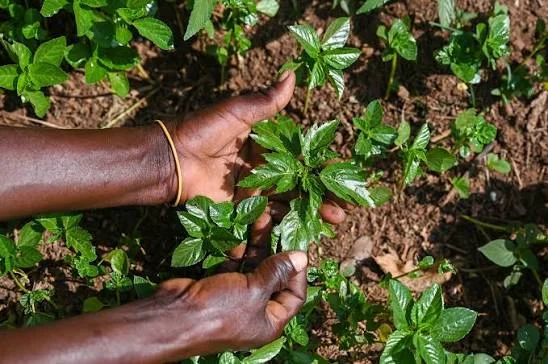
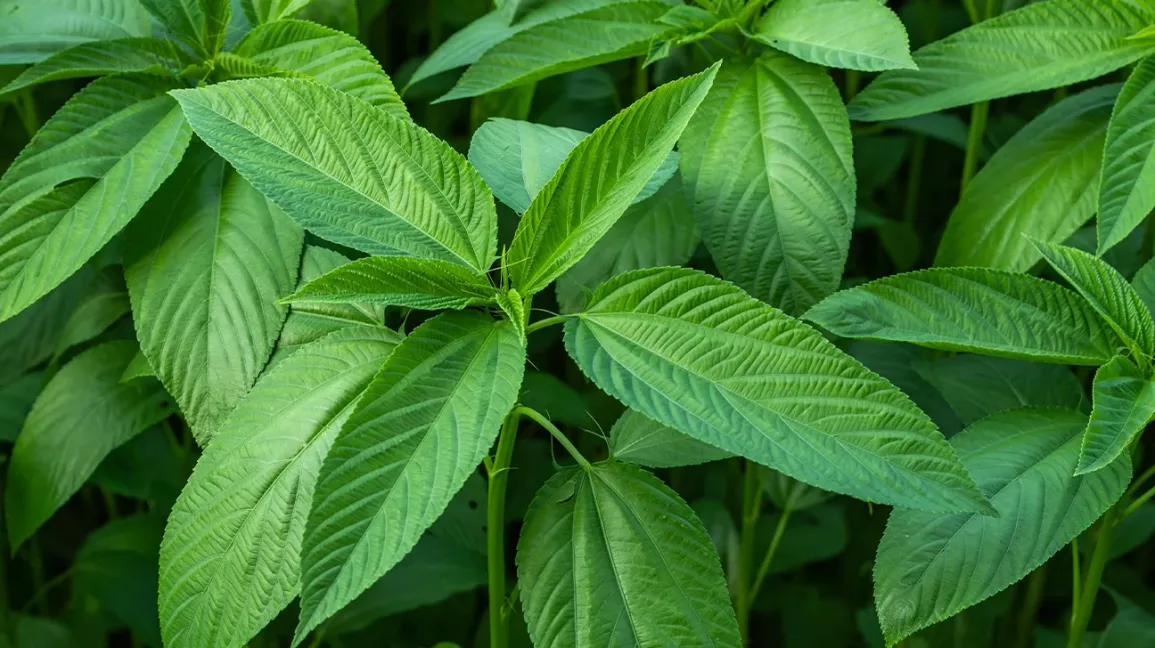
Jute mallow, scientifically known as Corchorus spp., is a fast-growing leafy vegetable widely cultivated and consumed across Kenya. It is locally known as mrenda, especially among communities that value traditional vegetables as part of their daily meals. The plant is known for its soft, slimy leaves when cooked, making it a popular accompaniment to staple foods like ugali.
Mrenda is deeply rooted in Kenyan food culture and has been grown for generations as a reliable, nutritious vegetable. It thrives in different parts of the country and can be grown in both small kitchen gardens and larger commercial farms, making it accessible to many farmers.
As a traditional leafy vegetable, jute mallow is valued for its high nutritional content, including vitamins, minerals, and dietary fibre. It is especially appreciated for supporting balanced diets in rural and urban households alike.
In recent years, demand for mrenda has been rising steadily in Kenyan diets due to increased awareness of healthy eating and a renewed interest in indigenous vegetables. This growing demand has created strong market opportunities for farmers, especially in local markets, hotels, and urban centres, where traditional foods are making a comeback.
To learn more about profitable leafy vegetables like spinach, you can read our article on spinach farming, where we explore best agronomic practices, high yields, and income opportunities for farmers, including how to enhance production using balanced fertilisation with Safi Sarvi products.
Varieties of Jute Mallow
Common local and improved types
In Kenya, most farmers grow local landraces of mrenda that are easily available and well-adapted to different regions. These types are hardy and can tolerate varying weather conditions. Improved varieties are also emerging, offering better leaf quality, faster growth, and higher yields under good management.
Differences in leaf size, texture, and yield
Different varieties vary in leaf size, softness, and overall productivity. Some produce broad, tender leaves that are preferred in the market, while others have smaller but more fibrous leaves. Yield also differs, with improved types generally producing more biomass per plant compared to traditional ones.
Best varieties suited for Kenyan conditions
The best varieties for Kenyan farmers are those that perform well under warm conditions and moderate rainfall. Local types remain popular due to their resilience and ease of growth, while improved varieties are gaining attention for their higher productivity when supported with good agronomic practices, including proper soil nutrition and balanced fertilisation.
Ecological Requirements for Jute Mallow
Climate conditions needed
Jute mallow (mrenda) grows best in warm tropical to subtropical climates. It performs well in temperatures ranging from about 20°C to 30°C. The crop does not tolerate frost and thrives in areas with good sunlight, which supports fast leaf production and continuous harvesting.
Soil type and fertility requirements
Mrenda prefers well-drained, fertile soils rich in organic matter.
Loamy and sandy loam soils are ideal because they allow good root development and moisture balance. Soils with good fertility support tender, high-quality leaves, especially when improved with organic manure and balanced fertilisation with organic fertilisers.
Rainfall and water needs
The crop requires moderate and well-distributed rainfall, typically around 600–1200 mm annually. Consistent moisture is important for steady leaf growth, especially during germination and early stages. In dry periods, irrigation helps maintain quality and prevents stunted growth.
Altitude suitability
Jute mallow can be grown in a wide range of altitudes in Kenya, from lowlands to mid-altitude regions. It performs best in areas below 2000 meters above sea level, where temperatures remain warm and stable, supporting rapid vegetative growth and high yields.
Land Preparation and Jute Mallow Planting
Land clearing and tilling methods
For successful mrenda production, the land should be cleared of weeds, crop residues, and stones before planting. Deep tilling is recommended to loosen the soil, improve aeration, and enhance root development. In small-scale farming, hand hoes are commonly used, while larger farms may use tractors for faster and more uniform land preparation.
Seedbed preparation
After tilling, the soil should be finely prepared to create a smooth seedbed that supports good seed-to-soil contact. Raised beds are often preferred in areas with heavy rainfall to improve drainage. Incorporating well-decomposed manure at this stage boosts soil fertility and encourages early vigorous growth.
Direct seeding vs transplanting
Mrenda is mainly grown using direct seeding, where seeds are sown directly into the field due to their small size and fast germination. Transplanting is less common but can be used when seedlings are raised in nurseries for better spacing control. Direct seeding is cheaper and more commonly practised by farmers in Kenya.
Recommended spacing
Proper spacing ensures good air circulation and healthy leaf development. A common spacing recommendation is about 30 cm between rows and 10–15 cm between plants. This allows the plants to grow bushy while making harvesting easier and maintaining high leaf quality.
Seed Selection and Planting Materials for Jute Mallow
Qualities of good seeds
High-quality jute mallow (mrenda) seeds play a major role in determining crop performance and final yield. Good seeds should be clean, pure, and free from impurities such as weed seeds, stones, and broken plant material. They should also have a high germination rate, ensuring that most seeds planted successfully sprout into healthy seedlings.
Farmers should prioritise seeds that are well-dried, properly matured, and stored in dry conditions to prevent moisture damage and loss of viability. Strong, viable seeds lead to uniform germination, vigorous early growth, and better leaf production throughout the season.
Where to source seeds in Kenya
In Kenya, farmers can obtain jute mallow seeds from several reliable sources. The most common include licensed agrovet shops, certified seed companies, agricultural input suppliers, and local seed banks.
These sources are preferred because they provide better quality assurance and reduce the risk of poor germination or contaminated seed. In rural farming communities, some farmers also rely on saved seeds from previous healthy crops, which can be effective if proper selection and storage practices are followed.
However, for commercial farming, certified seed sources are recommended to ensure consistency, higher productivity, and better market-quality leaves.
Seed rate per acre
The recommended seed rate for jute mallow is generally 1 to 2 kilograms per acre, depending on spacing, soil fertility, and planting method.
Because mrenda seeds are very small and light, they require careful handling during planting to avoid overcrowding in some areas and sparse growth in others. Farmers often mix seeds with fine sand or dry soil to improve distribution during broadcasting.
Proper seed rate management ensures optimal plant population, which directly influences leaf size, harvesting frequency, and overall yield.
Optional seed treatment before planting
Although not always mandatory, seed treatment can significantly improve germination rates and early plant health. Farmers may treat seeds using approved fungicides to protect against soil-borne diseases that may affect germination.
Alternatively, natural methods such as mixing seeds with wood ash can help reduce pest and fungal risks in an eco-friendly way. Another common practice is soaking seeds in clean water for a few hours before planting, which softens the seed coat and encourages faster and more uniform sprouting.
These simple treatments help establish a strong crop stand, leading to healthier plants and improved productivity throughout the growing cycle.
Soil Nutrition and Management for Jute Mallow
Use of organic manure
Organic manure plays a key role in improving soil fertility and structure for jute mallow production. Well-decomposed manure, such as cow dung or compost, adds essential nutrients slowly into the soil, supporting steady and continuous plant growth.
It also improves soil water retention, making the crop more resilient during dry periods. In addition, organic matter encourages beneficial soil microorganisms that enhance nutrient availability and overall soil health, leading to healthier and more productive mrenda plants.
Basal fertilizer application
Basal fertiliser is applied during land preparation or at planting to provide early nutrients required for strong crop establishment. It mainly supplies phosphorus and other essential elements that support root development and early vegetative growth.
Proper incorporation into the soil is important to ensure nutrients are accessible to young plants and to prevent seed damage. When applied correctly, basal fertilisation helps the crop establish quickly and form a strong foundation for high leaf production later in the growth cycle.
Top dressing practices
Top dressing is done after germination when the plants have established and are actively growing. This stage focuses mainly on supplying nitrogen, which is essential for leafy growth in mrenda. Regular top dressing encourages faster leaf development, increased biomass, and more frequent harvesting cycles.
For best results, fertilisers should be applied when the soil is moist, either after rainfall or light irrigation, to enhance nutrient uptake and reduce losses.
Importance of balanced fertilisers like Safi Sarvi products for leafy growth
Balanced fertilisation ensures that mrenda receives all the essential nutrients required for healthy and sustained growth. Products like Safi Sarvi fertilisers support strong vegetative development, leading to larger, greener, and more tender leaves that are highly marketable.
Proper nutrient balance also improves plant vigour, enhances regrowth after harvesting, and increases overall yield. When used correctly, balanced fertilisers help farmers achieve consistent production and better profitability from jute mallow farming.
Watering and Irrigation Practices for Jute Mallow
Water needs during germination and growth.
Jute mallow requires consistent soil moisture for proper germination and uniform establishment in the field. Dry conditions at this stage can delay sprouting and lead to poor crop stand, which affects final yield. Once seedlings emerge, regular watering supports strong root development and healthy early growth.
As the crop develops, steady moisture becomes important for continuous leaf production and good leaf quality. Water stress can reduce leaf size, slow regrowth, and lower overall productivity. Since mrenda is a leafy vegetable, a consistent water supply directly improves tenderness and market value.
Irrigation methods used in Kenya
Small-scale farmers in Kenya commonly use watering cans, especially in kitchen gardens and small plots. This method is simple but requires frequent watering, particularly during hot or dry weather.
Furrow irrigation is widely used in open fields where water flows along planting rows. It is effective for larger areas but depends on proper field levelling for even distribution. Drip irrigation is the most efficient system because it delivers water directly to the roots, reducing wastage and improving uniform growth.
Managing moisture during dry spells
During dry seasons, mrenda requires more frequent irrigation to prevent wilting and slow growth. Farmers usually water early in the morning or late in the evening to reduce evaporation and improve water use efficiency. This helps plants stay hydrated for longer during hot conditions.
Mulching with dry grass or crop residues helps conserve soil moisture and keep the soil cooler. It reduces evaporation and improves water retention in the root zone. Overwatering should be avoided because it can weaken roots and reduce nutrient uptake, affecting overall yield.
Crop Management Practices for Jute Mallow
Thinning and gap filling.
Thinning is done after germination to reduce overcrowding and allow healthy spacing between plants. This helps each plant access enough nutrients, sunlight, and water for proper growth. It also improves air circulation, reducing competition and supporting stronger leaf development.
Gap filling is done where seeds fail to germinate or seedlings die early. Replanting ensures a uniform crop stand and maximises land use efficiency. A well-filled field leads to even growth and better overall yield.
Continuous harvesting techniques
Mrenda is harvested continuously by picking young leaves and tender shoots as the plant regrows. This method encourages the plant to produce more side shoots, increasing total yield over time. Harvesting is usually done at short intervals to maintain steady production.
Farmers should avoid cutting too low on the stem to prevent damaging regrowth points. Proper harvesting technique ensures the crop remains productive for a longer period. This also helps maintain a consistent supply for the market.
Maintaining tender and high-quality leaves
Maintaining tender leaves requires proper watering and balanced nutrition throughout the growing period. Adequate nitrogen levels support soft, green, and marketable foliage. Stress from drought or nutrient deficiency can make leaves tough and less desirable.
Regular harvesting also helps keep leaves young and tender. Overgrown plants tend to produce fibrous leaves with lower market value. Proper crop care ensures high-quality leaves that fetch better prices in the market.
Harvesting of Jute Mallow
When to harvest
Jute mallow is usually ready for harvesting about 3–4 weeks after planting, once the plants have developed enough tender leaves and shoots. Harvesting should start early to encourage continuous regrowth and avoid over-mature plants. If harvesting is delayed, the leaves become tough, fibrous, and less attractive in the market.
How to pick leaves and young shoots
Leaves and young shoots are carefully picked by hand or lightly cut using a clean tool. Farmers focus on the upper tender parts of the plant to allow continuous regrowth from lower nodes. Cutting too low on the stem should be avoided because it can damage regrowth points and reduce future yields. Proper harvesting technique ensures the plant remains productive for a longer period.
Harvesting frequency
Harvesting is typically done every 7–14 days, depending on how fast the crop is growing. Warm temperatures and good moisture levels usually shorten the interval because the plant regrows faster. Frequent harvesting encourages bushy growth and increases total yield over time. Regular picking also helps maintain tender leaves suitable for the market.
Post-harvest handling and freshness maintenance
After harvesting, the leaves should be kept in a cool, shaded area to prevent wilting and loss of quality. Exposure to direct sunlight causes rapid moisture loss, making the leaves less fresh and less marketable. A light sprinkling of clean water can help maintain freshness during storage and transport. Proper handling ensures the produce reaches the market in good condition and fetches better prices.
Marketing of Jute Mallow in Kenya
Local market demand
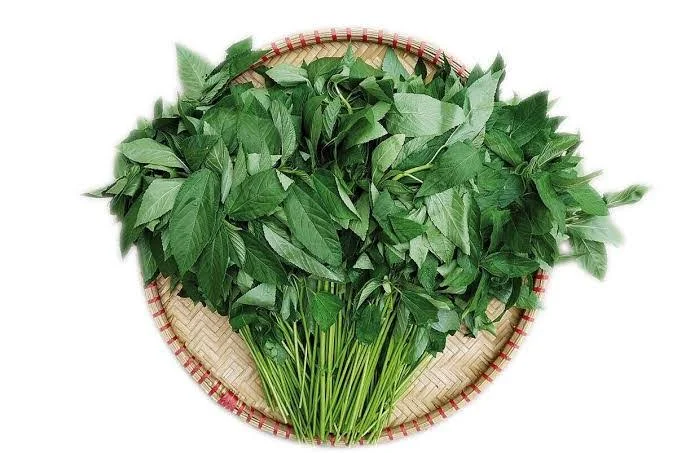
Jute mallow (mrenda) has strong and consistent demand in both rural and urban Kenyan households. It is widely consumed as a traditional vegetable, especially in ugali-based meals. Growing awareness of healthy eating has also increased its popularity in urban areas. This steady demand makes it a reliable vegetable for farmers to sell regularly throughout the season.
Sales in open-air markets and supermarkets
Open-air markets remain the main selling points for most farmers due to high customer traffic and daily sales. Farmers usually sell mrenda in fresh bundles directly to consumers or through small traders. Supermarkets provide a more structured market but require clean, well-packed, and consistently supplied produce. Good quality and freshness are essential for accessing these higher-end markets.
Supply to hotels and urban consumers
Hotels, restaurants, and food vendors in towns create a stable market for mrenda throughout the year. They prefer clean, tender leaves that are properly sorted and packaged for easy use in cooking. Urban consumers also purchase through supermarkets, kiosks, and vegetable vendors, depending on convenience. This market often offers better prices due to demand for quality and reliability.
Pricing and income opportunities
The price of jute mallow varies depending on season, supply levels, and the location of the market. Prices tend to increase during dry seasons when supply is lower, improving farmer earnings. Frequent harvesting allows farmers to generate regular income from the same plot over time. With proper management, mrenda farming can provide a steady and profitable income stream.
Cost and Profitability Analysis of Jute Mallow
Major production costs (inputs and labour)
The main costs in jute mallow farming include land preparation, seeds, and labour for planting and maintenance. Farmers may also spend on manure or fertilisers to improve soil fertility and boost leaf production. Irrigation costs may apply where water is not naturally available, especially in dry areas. Labour is required for activities such as weeding, watering, and frequent harvesting throughout the season.
Expected yields per acre
Under good management, jute mallow can produce high and continuous leaf yields due to repeated harvesting. An acre can produce several tons of fresh leaves over multiple harvesting cycles in a season. Yield depends on factors such as soil fertility, spacing, irrigation, and overall crop care. Well-managed farms with proper nutrition and moisture control achieve significantly higher output.
Profit potential for farmers
Mrenda farming is highly profitable because of its fast growth and short production cycle. Farmers can start harvesting within a few weeks and continue earning regularly from the same crop. Market demand is steady, especially in local markets and urban centres, which supports consistent sales. With proper management and good agronomic practices, farmers can achieve strong returns and stable income.
Conclusion
In conclusion, successful mrenda farming depends on good agronomic practices such as proper land preparation, correct spacing, consistent watering, and timely harvesting. These practices ensure healthy crop growth, continuous leaf production, and improved yields throughout the season. Good planning from planting to marketing also helps farmers achieve a steady and reliable income.
Soil nutrition and balanced fertilisation are equally important for high productivity and quality leaves. Well-fed plants produce tender, green leaves that are highly marketable and support faster regrowth after harvesting. With proper crop management and good soil fertility, farmers can achieve higher yields and better profits from jute mallow farming.


