
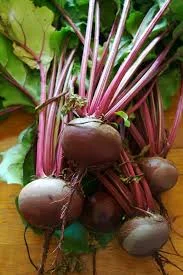
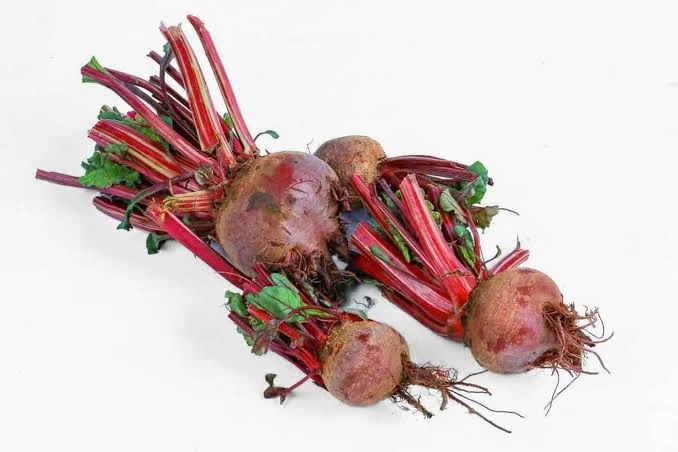
Beetroot (Beta vulgaris) is a root vegetable grown for its edible roots and leaves. In Kenya, it is cultivated by both small-scale and commercial farmers because it matures quickly and has a ready market. The crop is sold fresh and is also used in juice, salads, soups, and other dishes.
Overview of Beetroot Farming in Kenya
Beetroot is grown in many parts of Kenya, especially in cool and warm areas with fertile, well-drained soils. Farmers produce it for local markets, supermarkets, hotels, and vegetable vendors. With proper management, the crop can be grown throughout the year under irrigation.
Importance of Beetroot as a Vegetable Crop
Beetroot is an important vegetable because both the roots and leaves are edible. It has a short growing period of about 60–90 days, allowing farmers to harvest several crops each year. Its growing popularity has increased demand in local markets.
Nutritional and Economic Benefits
Beetroot is a good source of folate, iron, potassium, vitamin C, and dietary fibre. It is widely consumed as part of a healthy diet. For farmers, beetroot offers good income because it matures quickly, has steady demand, and can be sold fresh or processed into products such as juice and pickles.
Suitable Regions for Cultivation
Beetroot grows well in many parts of Kenya, including Kiambu, Murang’a, Nyeri, Kirinyaga, Meru, Nakuru, Nyandarua, Laikipia, Embu, and Uasin Gishu. It performs best in areas with cool to warm temperatures and well-drained, fertile soils.
Interested in growing other root vegetables? You can also read our guide on Carrot Farming in Kenya to learn about the best growing practices, fertiliser recommendations, and crop management techniques.
Ecological Requirements
Climate Requirements
Successful beetroot farming in Kenya depends on suitable climatic conditions. Beetroot grows best in cool to warm climates with moderate temperatures and adequate soil moisture.
Although it can tolerate a wide range of conditions, extreme heat reduces root quality and yield. With irrigation, beetroot can be grown throughout the year in many parts of Kenya.
Temperature
The optimum temperature for beetroot growth is 15–25°C. Temperatures above 30°C may result in smaller, woody, or poorly coloured roots, while prolonged cold conditions can slow crop growth.
Rainfall
Beetroot requires 500–700 mm of well-distributed rainfall during the growing season. Consistent moisture promotes uniform root development and prevents cracking. In areas with low or unreliable rainfall, irrigation is recommended to maintain good yields.
Altitude
Beetroot performs well at altitudes of 800–2,500 metres above sea level (m.a.s.l.). This makes the crop suitable for many highland and mid-altitude regions of Kenya where temperatures are favourable.
Soil Requirements
For high yields, beetroot farming should be done in deep, fertile, well-drained sandy loam or loam soils rich in organic matter. Loose soils allow roots to develop evenly and produce smooth, marketable beetroots. Heavy clay and waterlogged soils should be avoided because they restrict root growth and increase the risk of diseases.
Soil pH
The ideal soil pH for beetroot is 6.0–7.5. At this pH range, nutrients are readily available for plant growth. If the soil pH is below 6.0, agricultural lime should be applied before planting to reduce soil acidity and improve crop performance. Incorporating organic fertilisers such as Safi Sarvi Organic Biochar Fertiliser can also help improve soil structure, enhance nutrient retention, and support healthy root development.
Popular Beetroot Varieties Grown in Kenya
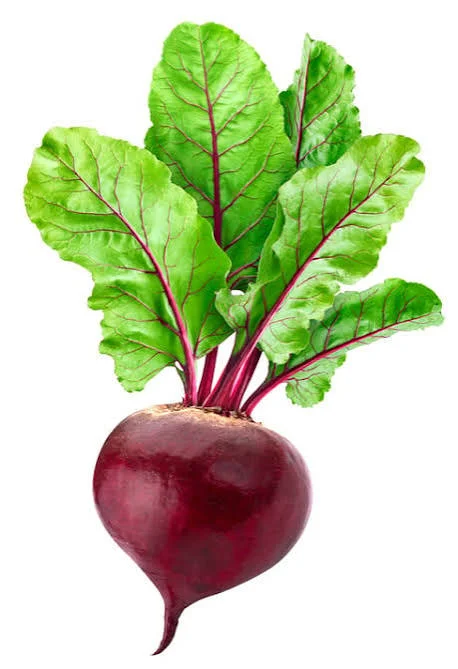
Detroit Dark Red
This is the most widely grown beetroot variety in Kenya. It produces round, smooth roots with deep red flesh and has good flavour. It matures in about 60–70 days and is suitable for the fresh market and processing.
Crimson Globe
Crimson Globe produces uniform, round roots with dark red flesh and a sweet taste. It has good storage quality and is suitable for both fresh consumption and processing.
Early Wonder
Early Wonder is an early-maturing variety that produces medium-sized, flattened round roots. It is valued for both its tender roots and nutritious leaves, which are also consumed as vegetables.
Cylindra
Cylindra produces long, cylindrical roots instead of round ones. The roots are easy to slice into uniform pieces, making this variety popular for processing, pickling, and fresh markets.
Characteristics of each variety
- Detroit Dark Red: Round roots, deep red flesh, excellent flavour, high yield, and good market acceptance.
- Crimson Globe: Uniform roots, sweet taste, good colour, and excellent storage quality.
- Early Wonder: Early maturity, edible leaves, medium-sized roots, and suitable for fresh markets.
- Cylindra: Cylindrical roots, easy slicing, good processing quality, and high edible portion.
Variety selection considerations
When selecting a beetroot variety, farmers should consider:
- Adaptability to the local climate and soil conditions.
- Maturity period to match the production schedule.
- Market demand and consumer preferences.
- Root size, shape, and colour required by buyers.
- Resistance or tolerance to common pests and diseases.
- Intended use, whether for fresh markets, processing, or value addition.
Beetroot Land Preparation and Planting
Site Selection
Choose a site with fertile, well-drained sandy loam or loam soils and access to a reliable water source for irrigation if needed. Avoid fields that are prone to flooding or have a history of serious soil-borne diseases. Practising crop rotation helps reduce pest and disease problems.
Land Preparation
Clear the field of weeds, crop residues, and stones. Plough the land to a depth of 20–30 cm and harrow until a fine, loose seedbed is obtained. Incorporate well-decomposed organic manure during land preparation to improve soil fertility and structure. Raised beds are recommended in poorly drained areas.
Seed Selection
Use certified, high-quality seeds from reputable seed suppliers. Select varieties that are well adapted to the local climate and suitable for the intended market. Certified seeds provide better germination, uniform growth, and healthier crops.
Planting Methods
Beetroot is usually planted by direct seeding. Seeds are sown in rows and lightly covered with soil. Direct planting is preferred because beetroot does not transplant well due to its sensitive taproot.
Planting Depth
Plant seeds at a depth of 2–3 cm. Planting too deep may delay germination, while shallow planting may expose seeds to drying out.
Spacing
Maintain a spacing of 30–45 cm between rows and 8–10 cm between plants after thinning. Proper spacing allows adequate air circulation, root expansion, and easier crop management.
Plant Population
Depending on the spacing used, a plant population of approximately 220,000–330,000 plants per hectare can be achieved. Maintaining the recommended plant population helps maximise yield and produce uniform, marketable roots.
Beetroot Fertiliser and Nutrient Management
Proper fertiliser and nutrient management is essential for successful beetroot farming in Kenya. A balanced nutrient supply promotes healthy foliage, uniform root development, good colour, and high yields. Fertiliser application should be based on soil test results and crop requirements.
Soil Testing
Carry out a soil test before planting to determine soil pH and nutrient levels. Soil analysis helps farmers apply the right type and amount of fertiliser while avoiding unnecessary costs and nutrient imbalances.
Organic Manure Application
Apply 10–20 tonnes of well-decomposed farmyard manure or compost per hectare during land preparation. Organic manure improves soil structure, increases water-holding capacity, and supplies essential nutrients for healthy beetroot growth.
Basal Fertiliser
Apply a phosphorus-rich fertiliser at planting to encourage early root establishment. Depending on soil test recommendations, apply DAP, NPK 17:17:17, or another suitable compound fertiliser and mix it well with the soil to prevent direct contact with the seeds.
Top Dressing
Apply a nitrogen-rich fertiliser such as CAN or urea about 3–5 weeks after emergence, when the plants are well established. Apply the fertiliser alongside the rows and lightly cover it with soil before watering or rainfall. Excess nitrogen should be avoided because it promotes excessive leaf growth at the expense of root development.
Micronutrient Requirements
Beetroot requires micronutrients such as boron, magnesium, calcium, and zinc for proper growth and root quality. Boron is particularly important because its deficiency can lead to poor root development and internal browning. Where soil tests indicate deficiencies, apply the recommended micronutrients through the soil or as foliar sprays.
Nutrient Deficiency Symptoms
Nutrient deficiencies reduce beetroot yield and quality. Common deficiency symptoms include:
- Nitrogen deficiency: Older leaves turn pale green or yellow, and plant growth is stunted.
- Phosphorus deficiency: Plants grow slowly, and leaves may develop a dark green or purplish colour.
- Potassium deficiency: Leaf edges turn yellow or brown, and root quality declines.
- Boron deficiency: Roots develop internal black or brown spots, become cracked, and grow irregularly.
- Magnesium deficiency: Yellowing occurs between the veins of older leaves while the veins remain green.
- Calcium deficiency: Young leaves become distorted, and root development is poor.
Beetroot Irrigation and Water Management
Proper irrigation and water management are essential for successful beetroot farming in Kenya. Adequate soil moisture promotes uniform germination, healthy root development, and high-quality beetroots. Water stress can reduce yields and cause small, cracked, or misshapen roots.
Water Requirements
Beetroot requires consistent moisture throughout its growing period. The crop performs best when the soil is kept evenly moist but not waterlogged. Water demand is highest during seed germination and root enlargement.
Irrigation Methods
Several irrigation methods are suitable for beetroot farming, including:
- Drip irrigation, which delivers water directly to the root zone while conserving water.
- Sprinkler irrigation, which provides uniform water distribution over the field.
- Furrow irrigation, which is commonly used where water is readily available and the land is properly levelled.
Drip irrigation is generally the most efficient method because it reduces water loss and limits weed growth.
Irrigation Scheduling
Irrigate immediately after planting to encourage uniform germination. Thereafter, water the crop according to soil moisture, weather conditions, and the growth stage. During dry periods, irrigation is usually required one to three times per week. Avoid overwatering, as it may cause root diseases and poor root quality.
Water Conservation Practices
Good water management improves water use efficiency and reduces production costs. Recommended practices include:
- Applying mulch to reduce moisture loss through evaporation.
- Incorporating organic matter to improve soil water retention.
- Controlling weeds to minimise competition for water.
- Using drip irrigation where possible to reduce water wastage.
- Avoiding excessive irrigation to prevent waterlogging and nutrient leaching.
Beetroot Crop Management
Proper crop management is essential for producing healthy, uniform, and marketable beetroot. Timely field operations help reduce competition from weeds, improve root development, and minimise pest and disease problems.
Thinning
Beetroot seeds often produce more than one seedling from a single seed cluster. Thin the seedlings 2–3 weeks after emergence, leaving one healthy plant per position. Maintain the recommended spacing of 8–10 cm between plants to encourage proper root development.
Gap Filling
Inspect the field after germination and replace missing plants within the first two weeks after planting. Early gap filling ensures a uniform plant stand and maximises yield.
Weed Control
Keep the field free from weeds, especially during the early stages of growth. Weeds compete with beetroot for nutrients, water, and sunlight, reducing yield and root quality. Weed by hand, hoe, or use approved herbicides where appropriate, taking care not to damage the roots.
Mulching
Apply dry grass, straw, or other organic mulch around the plants after establishment. Mulching helps conserve soil moisture, suppress weed growth, regulate soil temperature, and reduce soil erosion.
Earthing Up
Lightly heap soil around the base of the plants as the roots begin to develop. Earthing up helps cover exposed roots, reduces greening caused by sunlight, and provides support for the plants. Avoid excessive earthing up, which may interfere with root growth.
Crop Rotation
Rotate beetroot with non-root crops such as maize, beans, or cereals for at least two to three seasons. Crop rotation helps reduce the build-up of pests, diseases, and soil-borne pathogens while improving soil fertility and overall crop health. Avoid planting beetroot after crops in the same family, such as spinach and Swiss chard.
Beetroot Harvesting and Post-Harvest Handling
Proper harvesting and post-harvest handling are important in beetroot farming in Kenya to maintain root quality, reduce losses, and increase market value. Careful handling ensures the roots reach consumers in good condition.
Signs of Maturity
Beetroot is usually ready for harvesting 60–90 days after planting, depending on the variety and growing conditions. Mature roots are firm, well-coloured, and generally 5–8 cm in diameter. Delayed harvesting may result in large, woody roots with reduced quality.
Harvesting Methods
Harvest beetroot by loosening the soil with a fork or hoe before gently pulling the roots from the ground. Avoid bruising or cutting the roots, as damaged beetroots have a shorter shelf life. Harvesting is best done during the cool hours of the day.
Cleaning and Trimming
Remove excess soil by gently shaking or washing the roots with clean water. Trim the leaves, leaving about 2–3 cm of the leaf stalk attached to reduce moisture loss and minimise damage during storage. Remove damaged, diseased, or cracked roots.
Grading
Grade beetroot according to size, shape, colour, and overall quality. Separate damaged, undersized, oversized, or misshapen roots from marketable produce. Uniform grading improves market appeal and attracts better prices.
Packaging
Pack beetroot in clean plastic crates, perforated bags, or ventilated sacks that protect the roots from physical damage. Avoid overfilling containers, as excessive pressure can bruise the roots during handling and transport.
Storage
Store beetroot in a cool, clean, and well-ventilated place. Under suitable cold storage conditions of 0–2°C and high relative humidity of 90–95%, beetroot can remain fresh for several weeks. Avoid direct sunlight and excessive heat, which accelerate moisture loss and reduce quality.
Transportation
Transport beetroot in clean, covered vehicles to protect it from sunlight, rain, and mechanical damage. Handle the produce carefully during loading and unloading to minimise bruising and maintain market quality.
Marketing Opportunities for Beetroot
Beetroot farming in Kenya offers farmers several marketing opportunities due to the increasing demand for fresh vegetables and healthy foods. Selling through different market channels helps farmers increase sales and improve profitability.
Local Markets
Local open-air markets remain the main outlet for beetroot. Farmers can sell directly to consumers, traders, wholesalers, or retailers, providing a reliable source of income throughout the year.
Supermarkets
Many supermarkets stock fresh beetroot because of growing consumer demand for healthy vegetables. Farmers can supply supermarkets by meeting quality standards, maintaining consistent supply, and providing clean, well-graded produce.
Hotels and Restaurants
Hotels, restaurants, and catering businesses purchase beetroot for use in salads, soups, juices, and other dishes. Supplying these businesses can provide a stable market, especially for farmers who produce high-quality vegetables.
Fresh Produce Vendors
Fresh produce vendors and grocery stores buy beetroot in bulk for resale to households and institutions. Building long-term relationships with reliable vendors can help farmers secure regular sales.
Value Addition
Value addition increases the market value of beetroot and reduces post-harvest losses. Common value-added products include fresh beetroot juice, pickled beetroot, dried beetroot slices, beetroot powder, and packaged fresh beetroot. Proper processing and attractive packaging can help farmers access premium markets.
Export Potential
Kenya’s beetroot export market is still developing, but opportunities exist in regional and international markets where demand for fresh and processed vegetables is increasing. Farmers targeting export markets should produce high-quality beetroot that meets food safety, grading, and packaging requirements.
Conclusion
In conclusion, beetroot farming in Kenya is a profitable venture when farmers follow recommended production practices from land preparation to harvesting. Good crop management, timely irrigation, proper weed control, and balanced fertilisation help produce healthy, high-quality roots and maximise yields.
With increasing demand in local markets, supermarkets, hotels, and processing industries, beetroot offers farmers excellent income opportunities and strong potential as a commercial vegetable crop.


