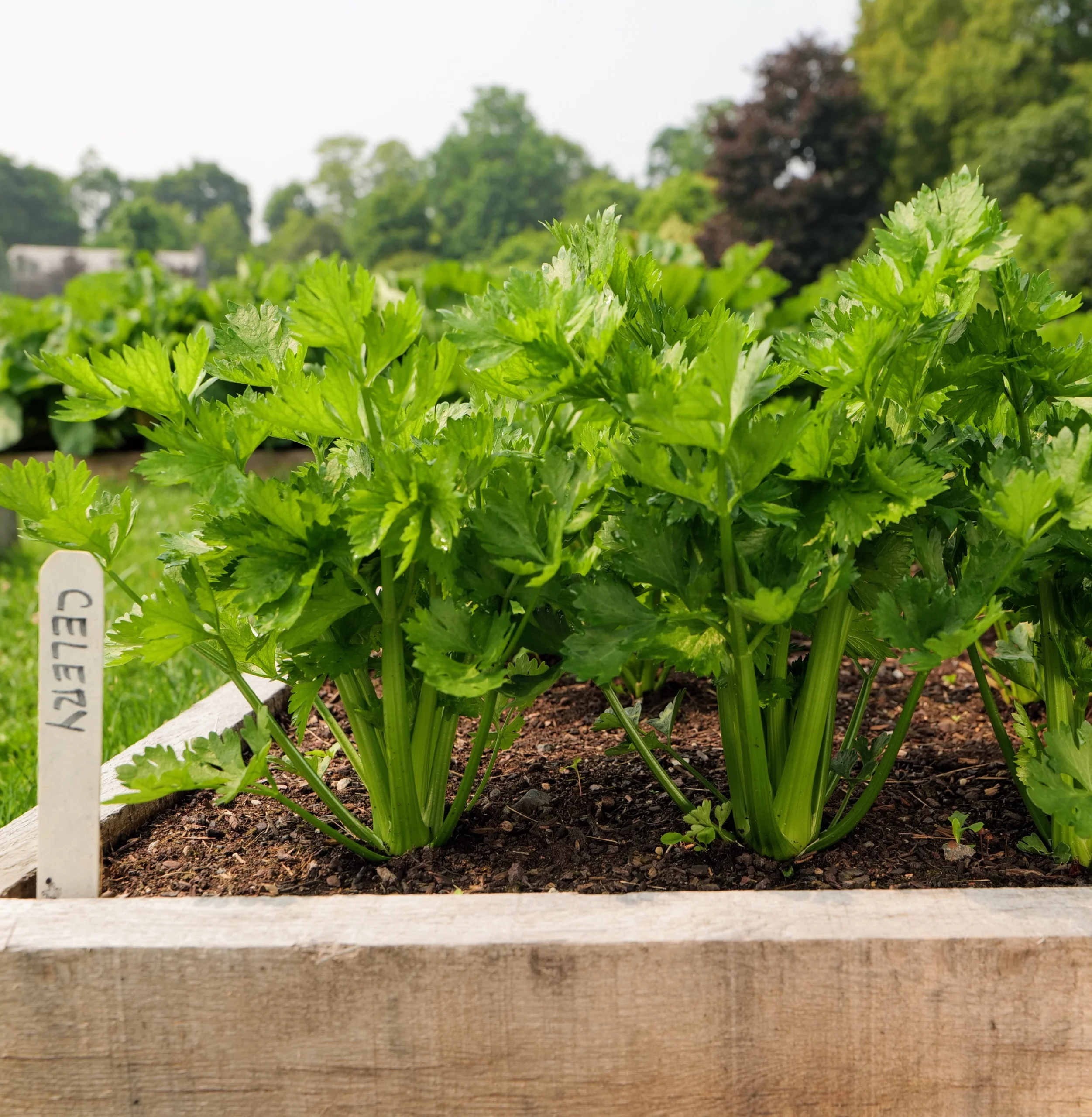
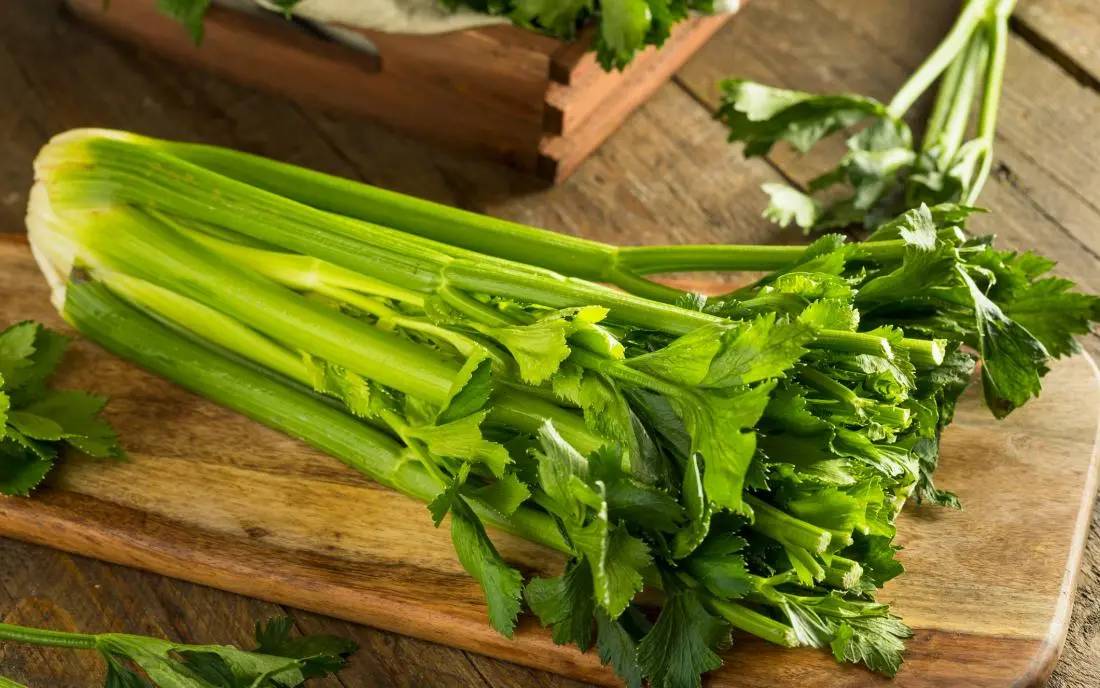
Celery (Apium graveolens) is a leafy vegetable belonging to the Apiaceae family, which also includes carrots, parsley, and coriander. The crop is mainly grown for its crunchy stalks, although its leaves and seeds are also useful. Celery is known for its distinct aroma, refreshing taste, and rich nutritional content, including vitamins A, C, and K, as well as dietary fibre and antioxidants.
Uses of Celery
Celery has numerous uses in both domestic and commercial settings. The stalks are commonly consumed fresh in salads, sandwiches, and vegetable platters. They are also used in soups, stews, sauces, and various cooked dishes to enhance flavour and texture.
Celery leaves are used as herbs and garnishes in food preparation, while celery seeds are utilised as a spice and in the production of certain medicines and health products. Due to its low-calorie content and high nutrient levels, celery is also popular among individuals following healthy diets and weight management programs.
Importance and Market Demand in Kenya
The demand for celery in Kenya has been steadily increasing, particularly in urban areas where consumers are becoming more health-conscious. Hotels, restaurants, supermarkets, hospitals, and catering businesses regularly purchase celery for food preparation. The crop is also sought after by juice bars and wellness centres that incorporate celery into detox and health drinks.
Celery farming offers farmers an opportunity to earn higher returns than some traditional vegetables because it often commands premium prices in the market. Its relatively short production cycle allows for multiple harvests within a year, contributing to a continuous income stream. As awareness of healthy eating continues to grow in Kenya, the market potential for celery is expected to expand further, making it a promising crop for commercial vegetable producers.
You can also read our article on Spinach Farming in Kenya to learn about the best agronomic practices, fertiliser recommendations, and strategies for maximising yields and profits.
Ecological Requirements for Celery Production
Celery is a cool-season vegetable that performs best in moderate temperatures, with adequate moisture and in fertile soils. Understanding its ecological requirements is essential for achieving healthy growth, high yields, and quality produce. Farmers should select suitable growing areas and provide favourable conditions throughout the crop’s growth cycle.
Climate Requirements
Celery thrives in cool to moderately warm climates with temperatures ranging between 15°C and 24°C. Excessively high temperatures can cause poor stalk development, reduced quality, and premature flowering, while extremely low temperatures may slow growth. Areas with mild temperatures throughout the growing season are ideal for celery production.
Soil Requirements
Celery grows best in deep, fertile, well-drained soils that are rich in organic matter. Loamy soils with good moisture retention are particularly suitable because the crop has a shallow root system and requires a constant supply of water and nutrients.
A soil pH of 6.0 to 7.0 is ideal for optimum growth and nutrient uptake. This can be achieved through the addition of organic fertilizer.
Altitude Requirements
In Kenya, celery performs well in highland and upper midland regions located between 1,200 and 2,500 metres above sea level. These areas provide the cool temperatures that favour vigorous vegetative growth and the production of tender, high-quality stalks.
Water Requirements
Celery has a high water requirement and performs best when soil moisture is maintained consistently throughout the growing period. The crop typically requires between 25 and 40 mm of water per week, depending on weather conditions and soil type. Water stress can result in tough, fibrous stalks, reduced yields, and poor quality. Regular irrigation, especially during dry periods, is therefore essential for successful celery production.
Suitable Varieties of Celery
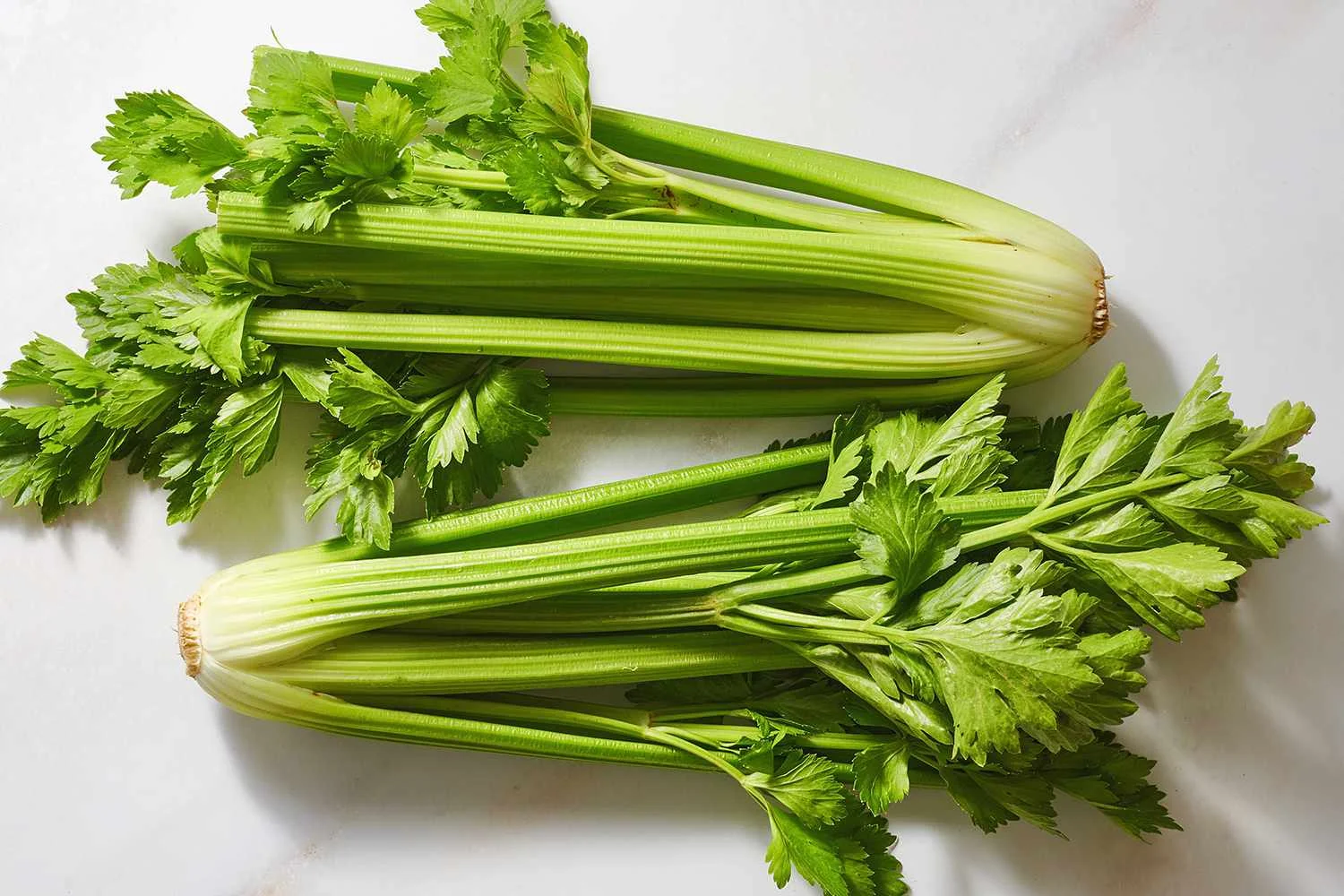
Tall Utah
This is one of the most widely grown celery varieties due to its vigorous growth, long green stalks, and good market appeal. It produces high yields and is suitable for both fresh consumption and commercial production.
Utah 52-70R Improved
This variety is known for its uniform stalks, good disease tolerance, and excellent quality. It is favoured by many commercial growers because of its reliable performance.
Golden Self-Blanching
This variety produces tender, light-green to golden stalks with a mild flavour. It requires less blanching and is often preferred for speciality markets.
Factors to Consider When Selecting a Variety
Adaptability to Local Conditions
Choose varieties that perform well under the prevailing climate, altitude, and soil conditions of the production area.
Market Demand
Farmers should select varieties preferred by consumers, supermarkets, hotels, restaurants, and other target buyers.
Yield Potential
High-yielding varieties can improve profitability by producing more marketable stalks per unit area.
Disease and Pest Tolerance
Varieties with good resistance or tolerance to common diseases and pests help reduce production losses and management costs.
Maturity Period
Consider varieties that fit the intended production schedule and market requirements. Early-maturing varieties can provide quicker returns, while longer-maturing varieties may offer higher yields.
Land Preparation and Planting of Celery
Site Selection
Celery grows best in areas with cool temperatures, adequate water supply, and fertile, well-drained soils. Farmers should select sites that receive sufficient sunlight and are free from waterlogging. Fields with a history of severe pest and disease infestations should be avoided to minimise production risks.
Land Preparation
Land should be cleared of weeds, crop residues, and other debris before planting. The soil should then be ploughed and harrowed thoroughly to create a fine tilth that allows proper root development. Incorporating well-decomposed organic manure during land preparation helps improve soil structure, moisture retention, and nutrient availability.
To support early crop establishment, farmers can apply organic fertiliser during final land preparation according to soil test recommendations. This helps provide essential nutrients needed for vigorous growth.
Seedbed Preparation and Nursery Management
Celery is commonly established through seedlings raised in a nursery. Nursery beds should be prepared in a well-drained area with fertile soil rich in organic matter. Seeds should be sown thinly in shallow rows and lightly covered with fine soil.
The nursery should be watered regularly to maintain adequate moisture for germination and seedling growth. Mulching can help conserve moisture and protect young seedlings from excessive heat. Seedlings are usually ready for transplanting when they are about 10 to 15 cm tall and have developed four to six true leaves.
Transplanting and Spacing
Transplanting should preferably be carried out during cool weather or late in the afternoon to reduce transplant shock. Seedlings should be watered thoroughly before and after transplanting to encourage rapid establishment.
A spacing of 30 to 45 cm between rows and 20 to 30 cm between plants is generally recommended, depending on the variety and production system. Proper spacing promotes good air circulation, reduces disease incidence, and allows the plants to develop large, healthy stalks.
Nutrient Management for Celery
Proper nutrient management is essential for producing healthy celery plants with thick, tender stalks and high yields. A balanced fertilisation program helps ensure continuous growth, improves crop quality, and enhances profitability.
Importance of Soil Testing
Soil testing is an important first step before planting celery. It helps determine soil pH, nutrient levels, and any deficiencies that may affect crop performance. The results guide farmers in selecting the appropriate fertiliser types and application rates, preventing both nutrient deficiencies and excessive fertiliser use. Regular soil testing also promotes efficient nutrient management and sustainable production.
Basal Fertiliser Application
Celery requires adequate nutrients from the early stages of growth. During land preparation or transplanting, farmers can apply Safi Sarvi Multi-Purpose Fertiliser to provide essential nutrients needed for root development and early vegetative growth.
The fertiliser should be incorporated into the soil before transplanting or applied according to soil test recommendations. Proper basal fertilisation encourages vigorous crop establishment and supports uniform growth across the field.
Top Dressing and Foliar Feeding
As celery grows, its nutrient demand increases, particularly during stalk development. To support continued growth and maintain crop vigour, farmers can apply Safi Sarvi Booster Fertiliser as a top dressing or foliar feed according to the recommended guidelines.
Foliar feeding provides nutrients directly to the plant, allowing for quick absorption and helping to correct nutrient deficiencies. Regular application can improve stalk size, colour, and overall crop quality while promoting higher yields.
Organic Manure Application
Well-decomposed organic manure plays an important role in celery production. It improves soil structure, enhances moisture retention, increases microbial activity, and supplies nutrients gradually throughout the growing season.
Farmers are encouraged to incorporate organic manure during land preparation to improve soil fertility and create favourable conditions for root growth. Combining organic manure with balanced fertiliser application helps maintain long-term soil health and supports sustainable celery production.
Irrigation and Water Management for Celery Growth
Celery is a water-demanding crop with a shallow root system, meaning it requires consistent soil moisture throughout its growth cycle. Proper irrigation and water management are key to achieving tender, high-quality stalks and preventing stress-related yield losses.
Water Requirements at Different Growth Stages
During germination and early seedling stages, celery requires frequent light watering to maintain moist soil conditions that support uniform sprouting and healthy root development.
At the vegetative stage, water demand increases as the plant develops leaves and stalks. Regular irrigation is needed to sustain rapid growth and prevent wilting.
During stalk formation and maturity, consistent moisture is critical. Water stress at this stage can lead to fibrous, bitter, and poor-quality stalks. However, excessive water should be avoided as it may encourage root diseases and reduce oxygen availability in the soil.
Irrigation Methods Suitable for Celery
Several irrigation methods can be used effectively in celery production:
Drip irrigation is the most efficient method, as it delivers water directly to the root zone, reduces water wastage, and helps maintain uniform soil moisture.
Sprinkler irrigation is also commonly used, especially in small to medium-scale farms, as it provides even water distribution across the field.
Furrow irrigation can be used where drip or sprinkler systems are not available, although it requires careful management to avoid waterlogging and uneven distribution.
Moisture Conservation Practices
To maintain soil moisture and reduce evaporation losses, farmers can adopt several moisture conservation techniques.
Mulching with organic materials such as grass, straw, or crop residues helps retain soil moisture, suppresses weeds, and improves soil temperature regulation.
Proper spacing also improves canopy coverage, reducing direct sunlight exposure to the soil surface.
In addition, incorporating organic matter into the soil improves its water-holding capacity, ensuring that moisture is available to the crop for longer periods between irrigation cycles.
Weed Management for Celery Cultivation
Common Weeds in Celery Fields
Some of the common weeds that affect celery production in Kenya include:
- Black jack (Bidens pilosa)
• Pigweed (Amaranthus species)
• Couch grass (Cynodon dactylon)
• Nut sedge (Cyperus rotundus)
• Goosegrass (Eleusine indica)
These weeds are fast-growing and can quickly overtake young celery plants if not controlled early.
Manual and Cultural Weed Control Methods
Manual weeding is the most common method used in celery farming, especially for small-scale farmers. It involves hand weeding or using simple tools like hoes to remove weeds from the field. Care should be taken not to damage the shallow celery roots during weeding.
Cultural practices also help reduce weed pressure. These include proper land preparation, crop rotation, and maintaining optimal plant spacing to ensure faster canopy cover, which suppresses weed growth. Mulching is another effective method that prevents weed germination while conserving soil moisture.
In some cases, farmers may also use pre-emergence herbicides, but this should be done carefully and according to agricultural guidelines to avoid crop damage.
Importance of Timely Weeding
Timely weeding is critical in celery production, especially during the early growth stages when the crop is most vulnerable to competition. Delayed weeding can lead to stunted growth, reduced stalk quality, and lower yields.
Early and regular weed control ensures that celery plants receive maximum nutrients and water, leading to healthier growth and better marketable produce. It also reduces pest and disease habitats, improving overall crop health.
Harvesting and Post-Harvest Handling of Celery
Proper harvesting and post-harvest handling practices are important in celery production because they determine the final quality, shelf life, and market value of the produce. Careful handling ensures that stalks remain fresh, crisp, and attractive to buyers.
Signs of Maturity
Celery is ready for harvesting approximately 3 to 4 months after transplanting, depending on the variety and growing conditions. Key signs of maturity include well-developed, thick, and firm stalks, deep green colouration, and full leaf formation. The plant should also have a compact growth structure and meet the desired market size.
Harvesting Methods
Harvesting is usually done manually using a sharp knife or sickle. The entire plant is cut at the base or, in some systems, outer stalks are harvested progressively to allow continued growth.
Harvesting should be done early in the morning or late in the evening to reduce moisture loss and maintain freshness. Care should be taken to avoid bruising or damaging the stalks during harvest.
Cleaning, Grading, and Packaging
After harvesting, celery should be cleaned by removing soil, damaged leaves, and any unwanted debris. Washing with clean water helps improve appearance and market acceptability.
Grading is done based on size, colour, and overall quality. Uniform, straight, and firm stalks fetch better prices in the market.
For packaging, celery should be bundled neatly and packed in clean crates or ventilated containers to prevent crushing and maintain freshness during transport.
Storage Practices
Celery should be stored in cool, shaded conditions immediately after harvest. It has a high moisture content and tends to wilt quickly if exposed to heat.
Cold storage at temperatures of about 0°C to 5°C with high humidity can significantly extend shelf life. Proper storage helps maintain crispness and reduces post-harvest losses.
Marketing Opportunities for Celery in Kenya
Local Markets
Fresh celery is sold in open-air markets and urban vegetable stalls where consumers purchase it for home cooking and salads. Demand is especially high in major towns and cities.
Supermarkets and Hotels
Supermarkets and hotels are major buyers of celery because of its use in salads, soups, and garnishing. These buyers prefer high-quality, well-packaged, and uniform produce.
Institutional Buyers
Hospitals, schools, catering companies, and NGOs also purchase celery for meal preparation, creating a stable and consistent market for farmers.
Value Addition Opportunities
Celery can be processed into juice, dried flakes, or used in vegetable mixes and herbal products. These value-added products help extend shelf life and increase profitability for farmers.
Cost and Profitability of Celery Farming
Major Production Costs
The main costs involved in celery production include:
- Land preparation costs – ploughing, harrowing, and bed preparation
• Seeds and nursery costs – quality seed purchase and nursery management materials
• Fertilisers and manure – including basal and top dressing nutrients
• Irrigation costs – water, fuel, or electricity for irrigation systems
• Labour costs – transplanting, weeding, irrigation, and harvesting
• Pest and disease control – pesticides, fungicides, and application equipment
• Packaging and transport – crates, bundling materials, and delivery to markets
Proper use of inputs such as Safi Sarvi fertilisers can improve efficiency by boosting yields and reducing nutrient-related losses.
Expected Yields
Under good management practices, celery can produce approximately 15 to 25 tonnes per hectare depending on the variety, soil fertility, and climate conditions. Small-scale farmers may harvest multiple cycles per year if irrigation and management are well maintained.
Income Potential and Profitability
Celery is considered a high-value vegetable crop in Kenya. Farm gate prices can vary depending on season, quality, and market location, but generally range from moderate to high in urban markets.
Because of its relatively high yield potential and strong demand, farmers can achieve good returns, especially when producing for supermarkets and hotels that pay premium prices for quality produce. Profitability increases further when production costs are well managed and post-harvest losses are minimised.
With proper planning, consistent irrigation, and balanced fertilisation, celery farming can provide a steady income stream and become a reliable agribusiness venture.
Conclusion
In conclusion, celery farming is a promising agribusiness in Kenya, especially for farmers targeting high-value markets such as supermarkets, hotels, and institutional buyers. When grown under the right ecological conditions and proper management, it can provide consistent yields and good profits.
Success in celery production depends on key practices such as selecting suitable sites, maintaining regular irrigation, timely weeding, and effective pest and disease control. Proper harvesting and careful post-harvest handling are also important to maintain freshness and reduce losses.
Balanced fertilisation plays a major role in achieving high-quality celery stalks. With good agronomic practices from land preparation to marketing, celery farming can become a reliable and profitable venture for Kenyan farmers.