
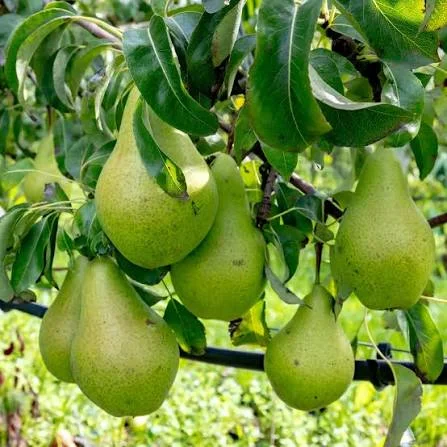
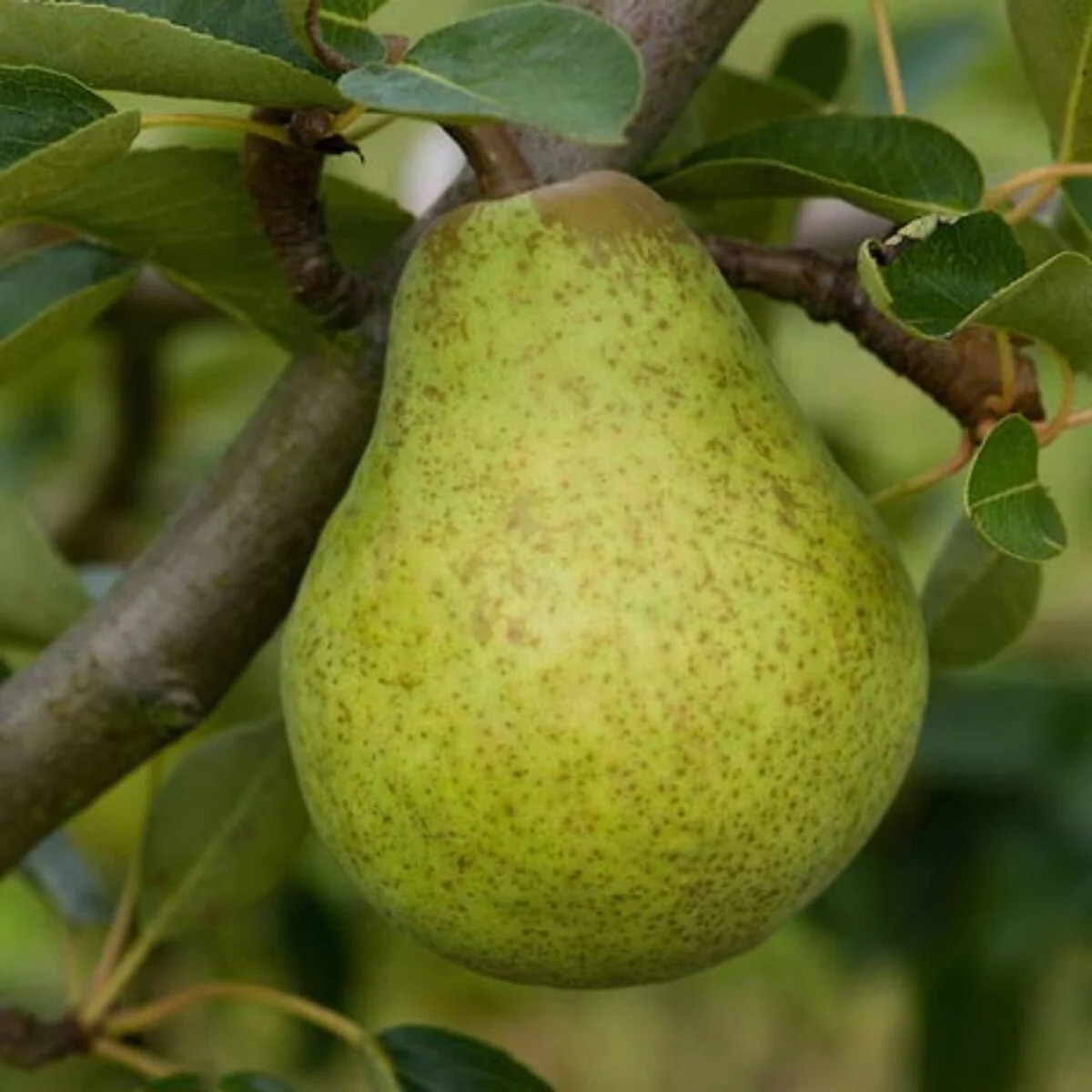
Did you know that Kenya produced about 1,173 tonnes of pears in 2024, valued at KSh 26.3 million? This is according to the Kenya National Bureau of Statistics.
But pear farming is not for every farm. The crop performs best in suitable cooler areas, and success starts with choosing the right variety, healthy grafted seedlings and a site with good soil and reliable water. For farmers willing to give the orchard time to establish, pears can become a long-term source of income.
Popular Pear Varieties Grown in Kenya
Some pear varieties grown in Kenya include Hood, Packham’s Triumph, Williams, and Conference. Farmers should select varieties that are well suited to their climate and have good market demand. Healthy, grafted seedlings from reliable nurseries are recommended for better growth and fruit production.
Benefits and Profitability of Pear Farming
Pear farming can provide farmers with income for several years once the trees reach maturity. Pears can be sold to local markets, supermarkets, fruit vendors, hotels, and processors. Proper orchard management, fertiliser application, irrigation, and good market access can improve yields and profitability.
Pear farming can be a rewarding venture with the right climate, soil, and orchard management. Want to explore another profitable fruit crop? You can read our apple farming article for practical tips on growing and managing apple trees in Kenya.
Climate and Soil Requirements for Pear Farming
Ideal Climate and Temperatures
Pear trees perform best in cool to moderately warm climates with a distinct cool season. The cool period is important because it helps the trees break dormancy and promotes proper flowering.
Temperatures that are too high can interfere with flowering, fruit development, and overall tree growth. Farmers should therefore select areas with suitable temperatures for the specific pear variety they intend to grow.
Suitable Soil Types and pH
Pears grow well in deep, fertile, and well-drained soils. Loamy soils with good drainage and plenty of organic matter are particularly suitable because they provide enough nutrients while allowing the roots to develop freely.
The ideal soil pH is generally between 6.0 and 7.0. Farmers should avoid poorly drained or waterlogged soils, as excess water can cause root damage and encourage diseases.
Before planting, farmers can conduct a soil test to determine the soil’s fertility and pH. This helps them identify nutrient deficiencies and apply the right soil amendments and fertilisers.
Rainfall and Water Requirements
Pear trees require adequate and well-distributed moisture for healthy growth. Sufficient water is particularly important during flowering, fruit development, and periods of rapid vegetative growth.
Areas receiving roughly 800 to 1,200 mm of rainfall annually can be suitable when the rainfall is well distributed. During prolonged dry periods, irrigation should be provided to prevent water stress.
Farmers should avoid excessive watering, especially in poorly drained soils. Applying mulch around the trees can also help conserve moisture, reduce evaporation, and maintain more stable soil conditions.
Suitable Regions for Pear Farming in Kenya
Pear farming is mainly suited to the cooler highland areas of Kenya. These regions generally provide more favourable temperatures for flowering and fruit development compared with hotter lowland areas.
Potential areas include parts of Kiambu, Nyeri, Murang’a, Nakuru, Uasin Gishu, and other suitable highland locations. However, conditions can vary considerably within each county.
Farmers should consider altitude, temperature, soil conditions, water availability, and the chilling requirements of their chosen variety before establishing a pear orchard.
Pear Varieties
Williams Pears
Williams is a popular variety known for its medium to large fruits and smooth green skin, which turns yellow as the fruit ripens. The flesh is sweet, juicy, and aromatic, making it suitable for fresh consumption and processing.
Packham’s Triumph
Packham’s Triumph produces large, attractive fruits with green skin that gradually becomes yellowish when ripe. The fruits have sweet, juicy flesh and are valued in fresh markets because of their appealing appearance and good eating quality.
Conference Pears
Conference pears have a distinctive long, narrow shape and green skin that may develop a brownish or golden colour as they mature. They have sweet, juicy flesh and can have good storage qualities when properly harvested and handled.
Hood Pears
Hood is an early-maturing variety that produces medium to large fruits with smooth greenish-yellow skin. It is known for its sweet flavour and can be suitable for farmers targeting early-season markets in favourable growing areas.
Choosing the Right Variety for Your Farm
Farmers should consider the climate, altitude, soil conditions, water availability, and chilling requirements when choosing a pear variety. The variety should also have good demand in the target market.
Other factors to consider include fruit size, taste, maturity period, storage life, yield potential, and resistance to common production problems. Buying certified or healthy grafted seedlings from a reliable nursery can also improve orchard establishment and future production.
Land Preparation and Pear Planting
Selecting and Preparing the Land
Choose land with good drainage, adequate sunlight, and access to a reliable water source. Avoid areas that remain waterlogged because excess moisture can damage pear tree roots.
Clear the land of weeds, bushes, and other unwanted vegetation. Plough and loosen the soil thoroughly, then level the field where necessary. Conducting a soil test before planting helps determine the soil pH and nutrient requirements.
Where to Get Quality Pear Seedlings
Farmers should obtain healthy, grafted pear seedlings from certified nurseries, reputable fruit-tree suppliers, or agricultural research and extension centres. Grafted seedlings are preferred because they establish faster and can produce fruits earlier than trees grown from seeds.
Choose seedlings that are healthy, disease-free, and have a strong root system. Avoid seedlings with damaged roots, weak stems, or signs of pests and diseases.
Planting Spacing and Procedure
Pear trees can be planted at a spacing of about 4 to 6 metres between trees and 5 to 6 metres between rows, depending on the variety, rootstock, and orchard management system. Adequate spacing allows enough sunlight and air circulation while giving the trees room to grow.
Dig planting holes approximately 60 cm wide and deep and separate the topsoil from the subsoil. Mix the topsoil with well-decomposed organic matter and recommended fertiliser before planting.
Place the seedling in the centre of the hole, ensuring the graft union remains above the soil surface. Cover the roots gently with soil, firm the soil around the plant, and water immediately after planting.
Best Planting Time
The best time to plant pears is at the beginning of the rainy season when the soil has adequate moisture. In areas with irrigation, planting can also be done when reliable water is available.
Planting during favourable weather allows young trees to establish their roots before facing prolonged dry conditions. Farmers should also consider the specific requirements of their chosen pear variety and local climate.
Pear Farm Management
Irrigation and Water Management
Pear trees need consistent moisture, especially during flowering, fruit formation, and periods of dry weather. Young trees require regular watering as they establish their root systems, while mature trees need enough water to support fruit development.
Farmers can use drip irrigation or other efficient irrigation systems to deliver water directly to the root zone. Avoid overwatering, as waterlogged soil can lead to root damage and poor tree growth.
Mulching
Mulching helps conserve soil moisture, reduce weed growth, and regulate soil temperature around the trees. Suitable materials include dry grass, straw, leaves, and well-decomposed organic matter.
Apply mulch around the base of the tree while leaving some space around the trunk. This prevents excessive moisture around the stem and reduces the risk of fungal problems.
Weed Control
Weeds compete with pear trees for water, nutrients, and sunlight, particularly when the trees are young. Regular weeding helps reduce this competition and allows the trees to establish properly.
Farmers can control weeds through hand weeding, shallow cultivation, mulching, or appropriate weed-control methods. Care should be taken when cultivating around trees to avoid damaging their roots.
Pruning and Training
Pruning helps develop a strong tree structure, improve air circulation, and allow sunlight to reach the leaves and fruits. Remove dead, diseased, damaged, or overcrowded branches regularly.
Training young trees helps establish a desirable shape and strong framework. Pruning should be done using clean, sharp tools to reduce the risk of spreading diseases.
Fertiliser Application
Pear trees require nutrients such as nitrogen, phosphorus, and potassium for healthy growth, flowering, and fruit development. Fertiliser application should be guided by soil-test results and the age and growth stage of the trees.
Organic fertilisers such as well-decomposed manure and compost can improve soil fertility and organic matter. Farmers can also use suitable organic fertilisers such as Safi Sarvi as part of their orchard fertility management programme, following the recommended application rates.
Pollination and Pear Fruit Development
Importance of Pollination
Pollination is essential for pear trees to produce fruits. It occurs when pollen is transferred from the male part of a flower to the female part, allowing fertilisation and fruit formation to take place.
Good pollination can improve fruit set, fruit size, and overall yield. Poor pollination may result in few fruits or small, poorly developed fruits.
Cross-Pollination in Pear Trees
Most pear varieties benefit from cross-pollination, where pollen is transferred between flowers of different compatible varieties. Farmers should therefore consider planting two or more compatible varieties that flower at the same time.
Having compatible varieties close to each other makes it easier for pollen to move between trees and can significantly improve fruit production.
Role of Bees and Other Pollinators
Bees are among the most important pollinators in pear orchards. As they move between flowers collecting nectar and pollen, they transfer pollen and support fertilisation.
Farmers can encourage pollinators by avoiding unnecessary pesticide applications during flowering and maintaining suitable flowering plants around the orchard. Protecting bee populations can help improve pollination and fruit set.
Managing Fruit Development
After successful pollination, pear fruits begin to develop and require adequate water and nutrients. Regular irrigation and proper fertilisation help support healthy fruit growth.
Farmers should also monitor the trees for excessive fruit loads, pests, and diseases. Where necessary, thinning overcrowded fruits can reduce competition and allow the remaining fruits to develop better size and quality.
Pear Harvesting and Post-Harvest Handling
Signs of Maturity
Pears are usually harvested when they have reached full maturity but are still firm. Depending on the variety, the fruit may change colour slightly, develop a smoother skin, and become easier to detach from the tree.
Farmers should avoid waiting for pears to become fully soft on the tree, as overripe fruits are more likely to bruise and have a shorter storage life.
When and How to Harvest Pears
The harvesting period depends on the pear variety, growing conditions, and location. Pears should be harvested carefully by hand when they have reached the appropriate maturity stage.
Gently lift and twist each fruit rather than pulling it forcefully from the branch. Harvesting should preferably be done during cool, dry conditions to reduce bruising and maintain fruit quality.
Sorting and Grading
After harvesting, pears should be sorted to remove damaged, bruised, diseased, or poorly developed fruits. The good-quality fruits can then be graded according to size, colour, shape, and overall appearance.
Proper grading helps farmers meet different market requirements and can improve the selling price of high-quality fruits.
Storage and Transportation
Freshly harvested pears should be handled gently and kept in a cool, clean, and well-ventilated environment. Proper storage helps slow down ripening and reduces post-harvest losses.
During transportation, use clean crates or suitable packaging that protects the fruits from bruising. Avoid overfilling containers or placing heavy loads on top of the pears, as this can cause physical damage and reduce their market value.
Marketing and Profitability of Pear Farming
Where to Sell Pears in Kenya
Farmers can sell pears through local markets, fruit stalls, supermarkets, grocery stores, hotels, restaurants, and fresh produce shops. Selling directly to consumers or retailers can sometimes provide better prices by reducing the number of middlemen.
Farmers can also supply wholesalers and fruit distributors who purchase pears in larger quantities. Developing several market channels can help farmers avoid relying on a single buyer.
Finding Reliable Buyers
Reliable buyers can be found by contacting supermarkets, hotels, restaurants, fruit vendors, wholesalers, and produce distributors before harvesting begins. Farmers can also use farmer groups, cooperatives, agricultural exhibitions, and online platforms to connect with potential customers.
It is important to compare prices, payment terms, quality requirements, and the quantities buyers need. Building long-term relationships with trustworthy buyers can provide a more stable market.
Production Costs
The cost of establishing a pear orchard varies depending on the size of the farm and the available resources. Major expenses include land preparation, seedlings, planting, irrigation, fertiliser, manure, pest and disease management, pruning, labour, harvesting, packaging, and transportation.
Farmers should prepare a budget before planting and keep accurate records of all expenses. This makes it easier to calculate the actual cost of production and determine whether the farm is profitable.
Expected Returns
Pear farming can generate attractive returns once the trees reach productive age and produce consistent yields. Income depends on the number of productive trees, yield per tree, fruit quality, and the selling price received.
Farmers who produce high-quality fruits and establish reliable markets can potentially earn better returns. However, pears are a long-term investment, so farmers should plan for the establishment period before expecting significant income.
Factors Affecting Profitability
Profitability is influenced by factors such as variety selection, climate, soil fertility, water availability, orchard management, yield, fruit quality, labour costs, market prices, and post-harvest losses.
Good farm management and proper use of fertilisers can improve tree health and productivity. Farmers should also harvest and handle fruits carefully while monitoring market prices to maximise their returns.
Challenges in Pear Farming and How to Manage Them
Though pear farming can be rewarding, problems such as poor pollination, water stress, declining soil fertility, and post-harvest losses can quickly affect the harvest.
Poor Pollination
A pear tree can flower well and still produce few fruits when pollination is poor. Many varieties benefit from cross-pollination, so farmers should grow compatible varieties that flower at the same time. Protecting bees and other pollinators is also important, especially during flowering.
Water Stress and Poor Drainage
Pears need adequate moisture during growth and fruit development, particularly in dry periods. However, too much water can damage the roots.
Irrigate when necessary and use mulch to conserve moisture. Good drainage is equally important, especially in areas that receive heavy rainfall.
Poor Soil Fertility
Pear trees remain in the same soil for many years and continuously take up nutrients. Poor soil fertility can lead to weak growth, poor flowering and low yields.
A soil test can help identify nutrient deficiencies. Compost, well-decomposed manure and suitable organic fertilisers can then be used to maintain soil fertility.
Weather Damage
Strong winds, prolonged dry periods and heavy rainfall can affect flowering, fruit development and branches. Choosing a suitable site, maintaining proper irrigation and using windbreaks where necessary can help reduce weather-related damage.
Post-Harvest Losses and Market Changes
Pears bruise easily, and poor handling during harvesting and transport can reduce their market value. Harvest carefully and use suitable crates to protect the fruit.
It also helps to identify buyers before harvesting begins. Having several market options can reduce the risk of relying on one buyer when prices change.
Conclusion
Successful pear farming starts with the right variety and growing conditions, but good management makes the difference. Paying attention to pollination, water, soil fertility, weather and post-harvest handling can help farmers produce better-quality fruit and reduce avoidable losses.


