
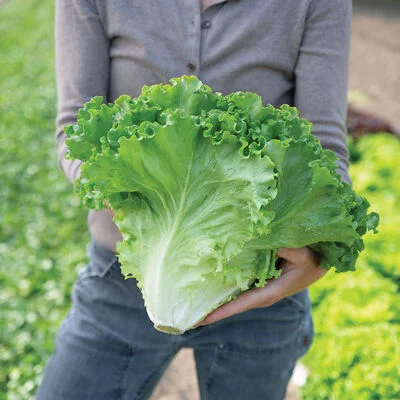
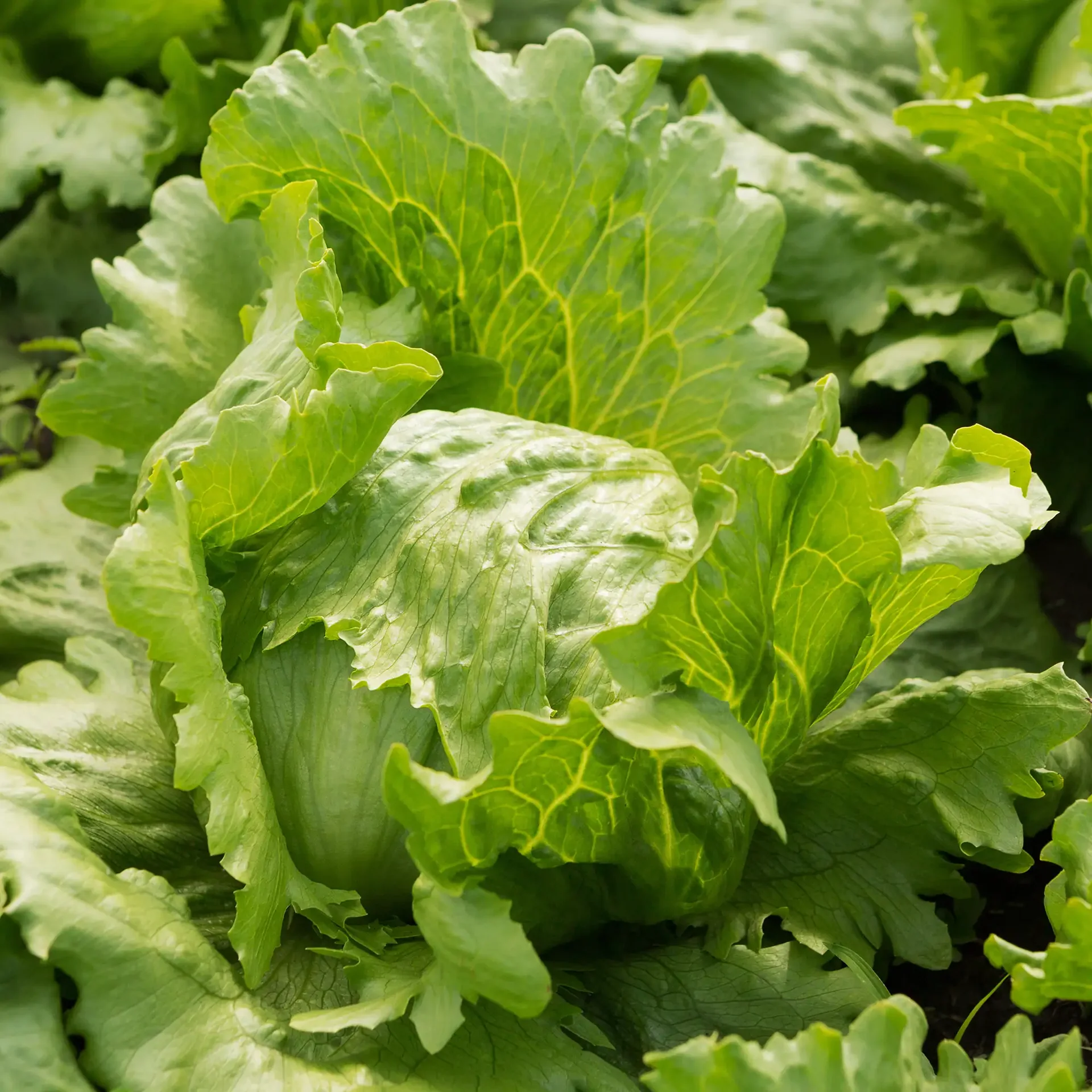
Lettuce is a leafy vegetable grown mainly for its tender, fresh leaves. It is commonly used in salads, sandwiches, burgers and other meals.
Lettuce grows relatively quickly and can be cultivated on both small-scale and commercial farms. With proper soil preparation, irrigation and crop management, farmers can produce several crops in a year.
Importance of Lettuce Farming in Kenya
Lettuce farming provides farmers with an opportunity to earn income from a relatively short-duration vegetable crop. It can be grown in open fields, kitchen gardens and protected growing systems.
The crop is also suitable for farmers targeting fresh vegetable markets, including local groceries, restaurants, hotels and supermarkets.
Benefits of Growing Lettuce
Lettuce requires relatively little space, making it suitable for small-scale farmers. Farmers can also use raised beds to make efficient use of available land.
Its short growing period allows farmers to plan successive plantings instead of relying on a single harvest. With good crop management, this can provide more regular produce for the market.
Market Demand for Lettuce
Lettuce is sold in fresh produce markets, supermarkets, restaurants, hotels and grocery shops. Urban consumers also purchase it for home preparation of salads and sandwiches.
Farmers should identify potential buyers before planting on a large scale. Knowing the preferred variety, quality and quantities required by buyers can help reduce post-harvest losses and improve marketing.
For more information on growing leafy vegetables, farmers can also read our guide on cabbage farming in Kenya. It covers important practices such as soil preparation, planting, irrigation and crop management. This can help farmers improve their approach to lettuce production.
Lettuce Growing Requirements
Suitable Climate and Temperatures
Lettuce performs best in cool to moderately warm conditions. Temperatures of about 15°C to 20°C are generally suitable for good growth.
Very high temperatures can cause lettuce to mature too quickly and develop a bitter taste. Adequate irrigation and planting during suitable seasons can help maintain good crop quality.
Soil Requirements
Lettuce grows well in fertile, well-drained soils with good water-holding capacity. Loam and sandy-loam soils are suitable because they support good root development.
The ideal soil pH is about 6.0 to 7.0. Farmers should conduct a soil test before planting to determine the available nutrients and fertiliser requirements.
Adding well-decomposed organic matter or organic fertiliser can improve soil fertility and structure.
Water Requirements
Lettuce requires a regular supply of water because its shallow root system makes it sensitive to moisture shortages. The soil should remain moist without becoming waterlogged.
Drip irrigation is suitable because it delivers water directly to the root zone. The frequency of irrigation depends on rainfall, soil type and prevailing weather conditions.
Suitable Growing Regions in Kenya
Lettuce can be grown in different parts of Kenya where temperatures, soil conditions and water availability are suitable. Cool highland areas are particularly favourable.
Some potential growing areas include Nakuru, Kiambu, Nyeri, Meru, Uasin Gishu, Nairobi and Laikipia.
Farmers should assess the conditions on their farms before planting. Soil quality, altitude, water availability and access to markets all influence the suitability of an area for lettuce farming.
Lettuce Varieties
Butterhead Lettuce
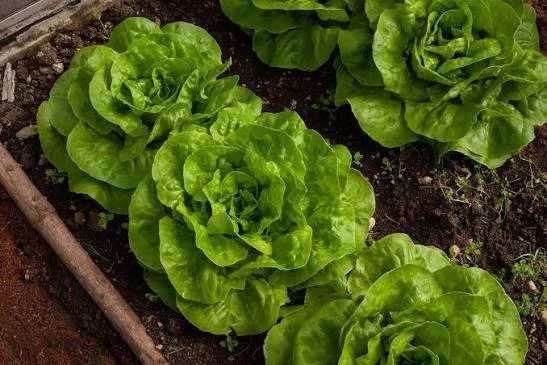
Butterhead lettuce forms soft, loose heads with tender leaves. The leaves have a mild flavour and are commonly used in fresh salads and sandwiches.
It is popular with consumers who prefer soft and delicate lettuce leaves. Farmers should handle the heads carefully during harvesting to avoid damage.
Romaine Lettuce
Romaine lettuce produces long, upright leaves with a firm central rib. It has a crisp texture and is commonly used in salads.
The variety is also suitable for restaurants and other businesses that require lettuce with a firm texture and attractive appearance.
Iceberg Lettuce
Iceberg lettuce forms compact, round heads with crisp, tightly packed leaves. It has a mild flavour and is widely used in salads, burgers and sandwiches.
Its firm heads can make handling and transportation easier compared with softer lettuce types.
Leaf Lettuce
Leaf lettuce produces loose leaves rather than a tightly formed head. It is available in different colours and leaf shapes, depending on the variety.
Farmers can harvest individual leaves or the whole plant. This makes leaf lettuce suitable for markets that prefer fresh, loose lettuce.
Choosing the Right Variety
Farmers should choose a variety based on local growing conditions and the needs of their target market. Temperature, water availability, soil conditions and the expected growing period should all be considered.
It is also important to confirm which varieties are preferred by local buyers. Growing a variety that has reliable market demand can help farmers sell their produce more easily after harvest.
Lettuce Land Preparation and Planting
Site Selection
Choose a site with adequate sunlight and good drainage. Lettuce performs best where the soil does not remain waterlogged after rainfall or irrigation.
The farm should also have a reliable source of clean water and be reasonably accessible to transport produce to the market.
Soil Testing and Preparation
Test the soil before planting to determine its pH and nutrient levels. This helps farmers identify the nutrients that need to be supplied.
Clear the land of weeds and crop residues, then loosen the soil to improve root development. Incorporate well-decomposed organic matter or suitable organic fertiliser into the soil before planting.
Preparing Raised Beds
Raised beds are useful for improving drainage and making it easier to manage the crop. Prepare beds that are easy to reach from both sides without stepping on the growing area.
Level the surface and break large soil clods to create a fine planting bed. The beds should have good drainage while still retaining enough moisture for the crop.
Seed Selection and Nursery Preparation
Use quality lettuce seeds from a reliable supplier. Select varieties that are suitable for the local climate and preferred by the target market.
Prepare a clean nursery with fertile, well-drained soil. Sow the seeds shallowly and provide gentle, regular watering to keep the nursery moist.
Protect the nursery from excessive heat and heavy rainfall. Once the seedlings are strong enough and have developed several true leaves, they can be transplanted to the prepared beds.
Lettuce Irrigation and Weed Management
Water Requirements
Lettuce needs regular watering throughout its growing period because it has a shallow root system. Water requirements increase during hot and dry conditions.
The amount of water needed depends on the soil type, weather conditions and stage of crop growth. Farmers should avoid both prolonged dryness and excessive watering.
Suitable Irrigation Methods
Drip irrigation is suitable for lettuce because it delivers water directly to the root zone. It also helps reduce water wastage and keeps the leaves relatively dry.
Farmers can also use watering cans or sprinklers on smaller farms. Whichever method is used, irrigation should provide even moisture across the beds.
Maintaining Consistent Soil Moisture
Lettuce grows best when soil moisture remains relatively consistent. Allowing the soil to become too dry can affect leaf growth and quality.
Check the soil regularly and irrigate when necessary. Avoid overwatering, as poorly drained soil can reduce root health and crop performance.
Weed Control
Weeds compete with lettuce for water, nutrients, sunlight and growing space. They should be controlled early before they become well established.
Hand weeding is suitable for small farms, while shallow cultivation between rows can be used where appropriate. Care should be taken not to damage the shallow roots of lettuce.
Mulching
Mulching helps reduce moisture loss from the soil and suppresses weed growth. Organic materials such as dry grass and other suitable plant residues can be used.
Apply mulch around the plants without covering the growing point. As the mulch breaks down, it can also contribute organic matter to the soil.
Fertiliser and Lettuce Management
Nutrient Requirements
Lettuce requires adequate nutrients for healthy leaf development and good-quality heads. Nitrogen is particularly important because lettuce is mainly grown for its leaves.
Phosphorus supports root development, while potassium contributes to overall plant growth and crop quality. The exact nutrient requirements depend on the soil condition and the variety being grown.
Application of Organic Fertiliser
Organic fertiliser improves soil fertility and adds organic matter to the soil. Well-decomposed manure or compost can be incorporated during land preparation.
Farmers should avoid using fresh manure because it can damage young plants and affect the growing environment.
Using Safi Sarvi Fertilisers
Safi Sarvi organic fertilisers can be used as part of lettuce soil fertility management. The appropriate product and application rate should be selected according to the crop and soil requirements.
Farmers should follow the recommended application instructions to ensure the fertiliser is used effectively.
Top Dressing and Foliar Feeding
Top dressing provides additional nutrients during crop growth. It should be applied around the plants without placing the fertiliser directly against the stems.
Foliar fertiliser can also provide nutrients through the leaves where necessary. Application should follow the recommended product rates and timing.
Other Crop Management Practices
Regularly monitor the crop to ensure uniform growth. Maintain the recommended spacing and remove damaged or poorly developing plants where necessary.
Timely weeding, proper irrigation and good field hygiene also help maintain healthy crop growth and improve the quality of harvested lettuce.
Harvesting and Post-Harvest Handling of Lettuce
Signs of Maturity
Lettuce is ready for harvesting when the heads or leaves have reached the expected size for the variety. The leaves should be firm, fresh and have a healthy appearance.
Harvesting should be done before the plants become over-mature, as older lettuce can develop a bitter taste and reduced quality.
When and How to Harvest
Lettuce can generally be harvested about 30 to 70 days after planting, depending on the variety and growing conditions. Leaf lettuce may be harvested earlier, while some head-forming varieties take longer.
Harvest during the cool hours of the morning to help maintain freshness. Use a clean, sharp knife to cut the plant close to the base and remove damaged outer leaves.
Sorting and Grading
After harvesting, sort the lettuce according to size, appearance and overall quality. Remove leaves or heads that are damaged, wilted or dirty.
Grading helps farmers supply uniform produce to buyers and can make it easier to meet the requirements of supermarkets, restaurants and other markets.
Storage
Lettuce is highly perishable and should be cooled soon after harvesting. Store it in a clean, cool environment with high humidity to reduce moisture loss and wilting.
Avoid storing lettuce with produce that produces large amounts of ethylene, as this can contribute to quality deterioration.
Transportation
Use clean containers or crates that allow enough ventilation during transportation. Avoid overpacking, as excessive pressure can bruise or crush the leaves.
Transport the produce as soon as possible after harvesting, preferably during cooler periods of the day. This helps maintain freshness and reduces post-harvest losses.
Marketing and Profitability of Lettuce Farming
Where to Sell Lettuce
Lettuce can be sold to local markets, grocery shops, supermarkets, restaurants and hotels. Farmers can also supply institutions such as schools and catering businesses that purchase vegetables regularly.
Selling directly to consumers or businesses can reduce the number of intermediaries and may give farmers better control over their prices.
Finding Reliable Buyers
Farmers should identify potential buyers before planting large quantities of lettuce. This helps them understand the preferred variety, quality, packaging and quantities required.
Building relationships with restaurants, retailers, wholesalers and fresh produce vendors can provide more consistent markets. Farmers can also work with other growers to supply larger orders when necessary.
Production Costs
The cost of lettuce production varies depending on the size of the farm and the production methods used. Major expenses include seeds, land preparation, fertiliser, irrigation, labour, packaging and transportation.
Keeping proper records of all expenses helps farmers calculate the actual cost of production and determine whether the enterprise is profitable.
Expected Returns
Returns from lettuce farming depend on the quantity harvested and the price received at the market. Farmers who achieve good yields and sell quality produce to reliable buyers can improve their returns.
It is important to research current local market prices before planting because lettuce prices can change depending on supply and demand.
Factors Affecting Profitability
Several factors influence the profitability of lettuce farming. These include seed quality, soil fertility, water availability, production costs, market prices and post-harvest losses.
Good crop management, careful budgeting and finding a reliable market can help farmers reduce losses and improve their overall returns.
Challenges in Lettuce Farming and Solutions
Water Management Challenges
Lettuce requires regular watering, especially during dry periods. Inadequate water can result in poor leaf development and reduced yields.
Farmers can use drip irrigation to supply water directly to the root zone. Mulching can also help reduce water loss from the soil.
Poor Soil Fertility
Lettuce requires fertile soil for good leaf development. Poor soil fertility can result in slow growth and poor-quality produce.
Farmers should test the soil before planting and apply organic matter or suitable fertilisers based on the soil requirements.
Weather-Related Challenges
Very high temperatures can affect lettuce growth and quality. Heavy rainfall can also cause waterlogging where drainage is poor.
Farmers can plant during suitable seasons and use raised beds to improve drainage. Shade structures may also be useful in areas experiencing excessive heat.
Post-Harvest Losses
Lettuce loses quality quickly when it is exposed to heat, rough handling or poor storage conditions. Wilting and physical damage can reduce its market value.
Harvesting during cool hours, handling the crop carefully and keeping it in a cool environment can help reduce losses.
Market Fluctuations and Solutions
Lettuce prices can change depending on supply, demand and the number of farmers producing at a particular time. Low prices can reduce farmers’ returns.
Farmers can reduce this risk by identifying buyers before planting, staggering production and targeting different markets. Keeping production records can also help farmers plan according to expected costs and returns.
Conclusion and Frequently Asked Questions
In conclusion, successful lettuce farming requires quality seeds, fertile soil, regular irrigation, and proper spacing. Harvesting at the right stage also helps maintain good-quality produce.
Good soil and crop management support healthy growth, better yields, and reduced losses.
Common questions include how long lettuce takes to mature, which soil is best, and where to sell the crop. Lettuce generally matures within 30 to 70 days and can be sold to markets, supermarkets, restaurants, hotels and grocery shops.


