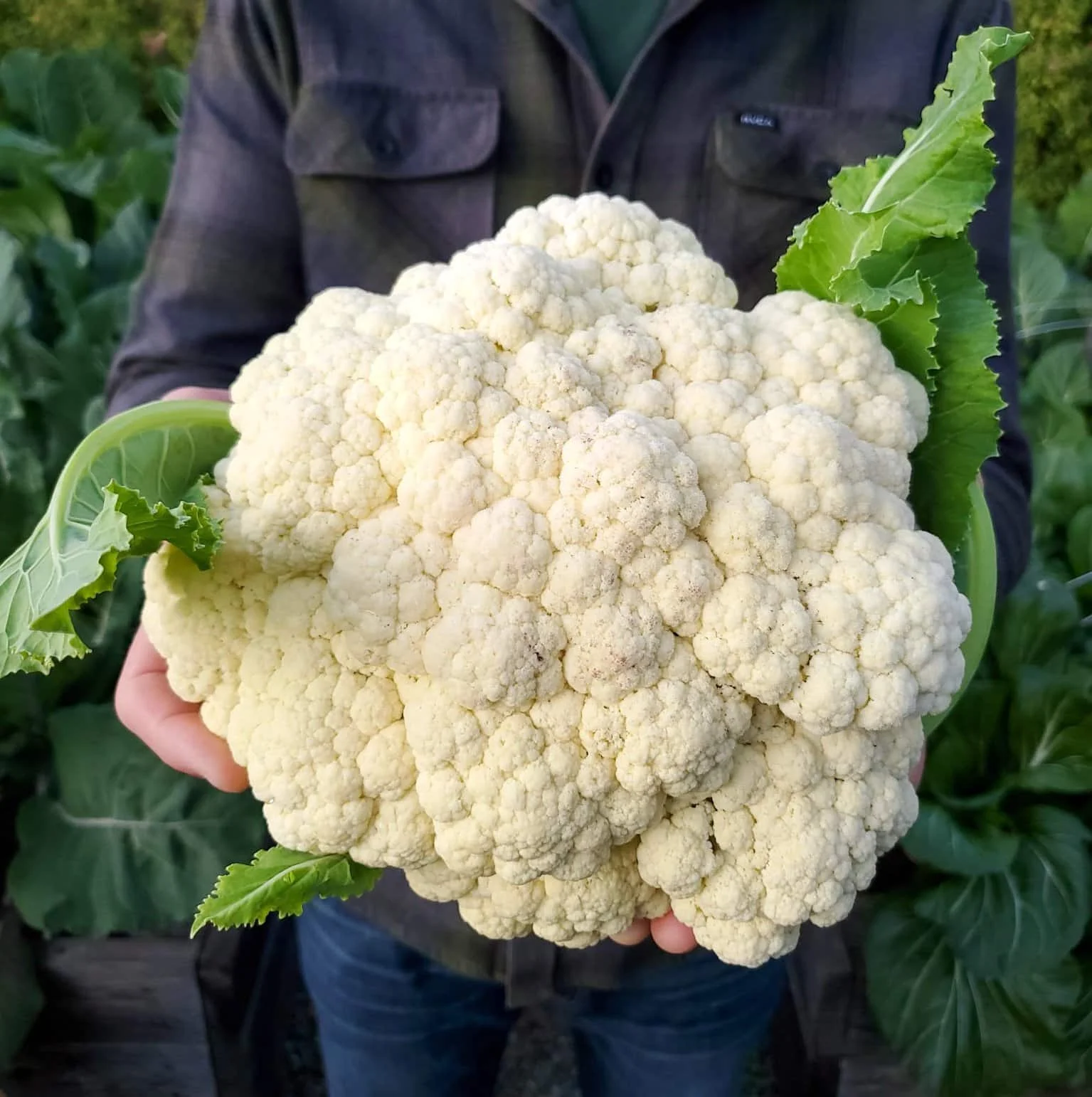
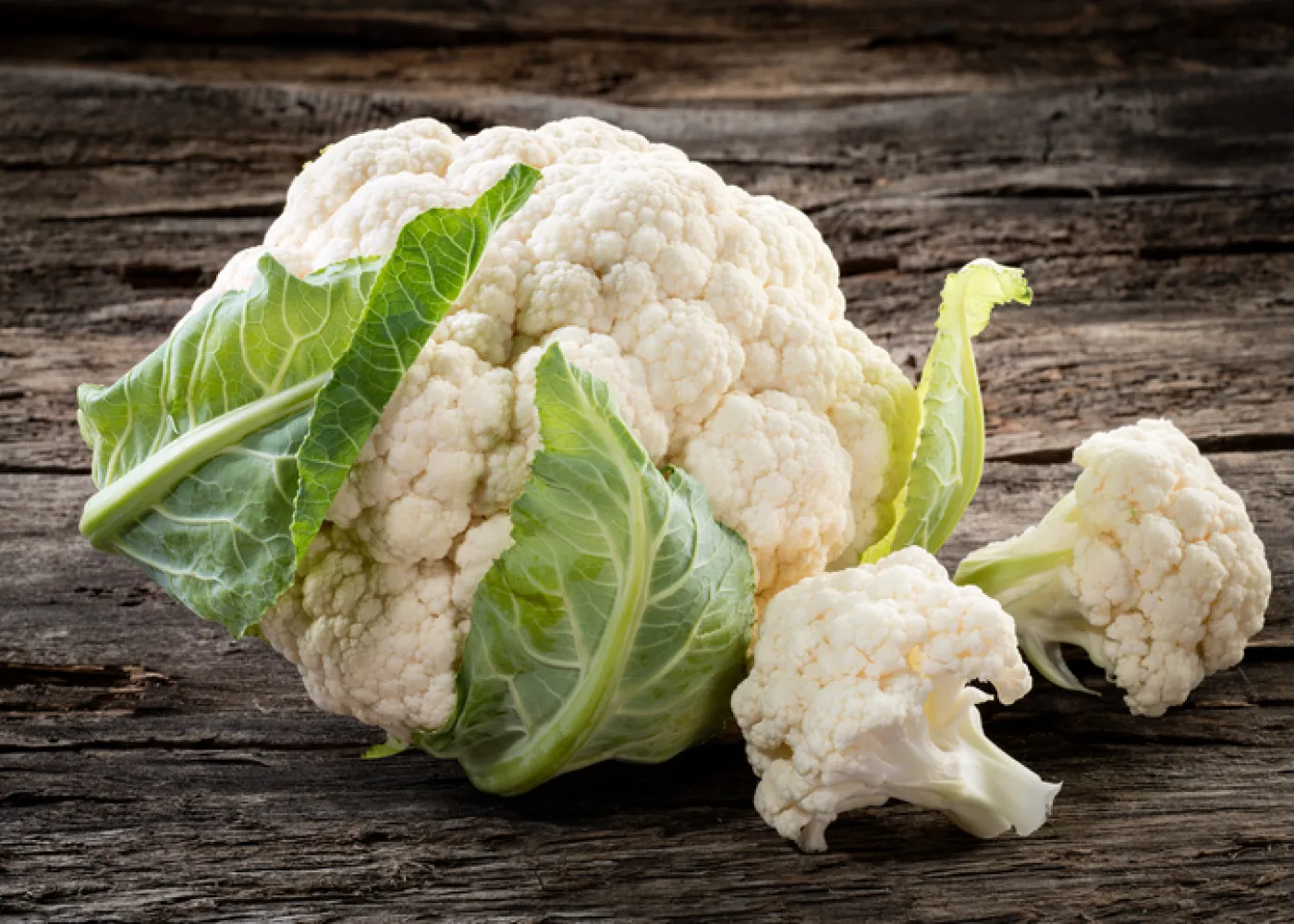
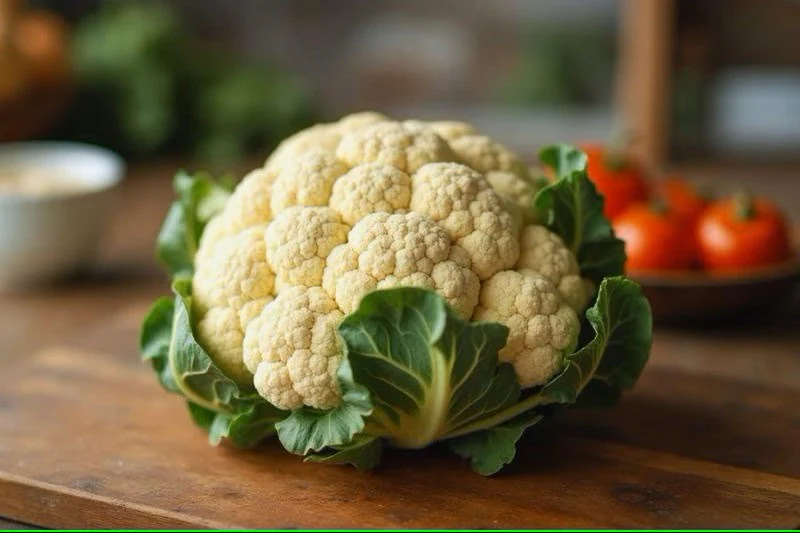
Cauliflower is a cool-season vegetable belonging to the Brassica family, the same group as cabbage, broccoli, and kale. The edible part is the compact white “head” called a curd, which is actually a cluster of flower buds that have not yet opened.
It grows best in cooler climates and requires steady growth conditions to form a firm, high-quality head. In Kenya, cauliflower is mainly grown in highland areas where temperatures are mild and favourable for its development.
Importance in Kenyan diets and markets
Cauliflower is becoming more popular in Kenyan households due to increasing awareness of healthy eating. It is low in calories, rich in vitamins C and K, and packed with dietary fibre, making it a good option for weight management and general wellness. It is commonly used in salads, stir-fries, soups, and even as a rice substitute in modern healthy diets.
In markets, demand is steadily growing, especially in urban areas like Nairobi, Nakuru, and Eldoret. Supermarkets, hotels, and restaurants prefer cauliflower because it fits well into both local and international cuisine styles, making it a versatile vegetable with strong market potential.
Why is it a profitable horticultural crop
Cauliflower farming can be highly profitable when managed well because it has strong demand but relatively limited supply compared to crops like cabbage. It also has a short growing cycle, usually about 3 to 4 months, allowing farmers to harvest multiple cycles per year.
Prices in the market are generally higher during off-season periods, especially when supply is low. With proper crop management, good spacing, and balanced fertilisation, farmers can produce large, high-quality heads that fetch premium prices. This makes cauliflower a smart choice for farmers looking to diversify into high-value horticultural crops.
To learn more about cauliflower farming and related crops such as cabbage, you can read our cabbage farming guide for practical insights on land preparation, planting, and crop management.
These guides also show how Safi Sarvi fertilisers support strong growth, improve head formation, and increase yields for better profitability in cabbage production.
Suitable Ecological Requirements for Celery Growth
Climate conditions (cool temperatures preferred)
Cauliflower grows best in cool, mild climates. It prefers temperatures between about 15°C and 20°C for proper head formation. Extremely hot weather can cause loose, small, or discoloured curds, while frost can damage young plants. That’s why it does really well in Kenya’s highland region,s where the weather is stable and not too harsh.
Altitude range in Kenya
In Kenya, cauliflower thrives at higher altitudes, typically between 1,500 and 2,500 meters above sea level. Areas like parts of Nyandarua, Nakuru highlands, Kiambu, and Meru provide ideal conditions because they stay cool and support steady crop growth. Lower altitudes are generally too hot unless there’s strong irrigation and careful management.
Soil type and pH requirements
The crop prefers deep, well-drained loamy soils that are rich in organic matter. Heavy clay soils can lead to poor root development and waterlogging, which affects head quality. The ideal soil pH is between 6.0 and 7.0, slightly acidic to neutral. Good soil fertility is key since cauliflower is a heavy feeder and needs enough nutrients to form tight, healthy heads.
Rainfall and irrigation needs
Cauliflower requires consistent moisture throughout its growth cycle, but it does not tolerate waterlogging. Moderate rainfall of about 500–700 mm is ideal when well distributed. In drier periods, irrigation is necessary, especially during head formation, to prevent stunted or uneven growth. Drip irrigation works best since it maintains moisture without over-saturating the soil.
Varieties of Cauliflower Grown in Kenya
Common hybrid varieties
In Kenya, most commercial farmers prefer hybrid cauliflower varieties because they are high-yielding, uniform, and mature faster. Popular hybrids include Snowball types, which produce compact white heads, and other improved varieties like “White Magic” and “Artica,” which perform well in cool highland regions. These hybrids are widely available through agrovet stores and seed companies and are favoured for their strong market quality.
Local vs improved varieties
Local cauliflower varieties are less common in modern farming because they tend to produce smaller, less uniform heads and take longer to mature. They are sometimes grown in small-scale or traditional farming systems.
Improved varieties, especially hybrids, are more popular today because they offer better disease resistance, higher yields, and more consistent curd formation. They also adapt better to commercial farming conditions, making them the preferred choice for farmers targeting supermarkets and hotels.
Market-preferred types
The market in Kenya strongly prefers cauliflower with large, firm, and pure white heads. Buyers in supermarkets, hotels, and urban markets look for clean, compact curds without discolouration or loose florets. Medium to large-sized heads are usually more profitable.
Varieties that stay white even under warmer conditions and have a longer shelf life after harvest tend to fetch higher prices, especially in Nairobi and other urban centres where demand is consistent.
Land Preparation for Cauliflower Cultivation
Site selection
Choosing the right site is the first step in successful cauliflower farming. The land should be in a cool area with good sunlight exposure and well-drained soils. Avoid waterlogged fields because excess moisture can cause root rot and poor head development. Fields that previously supported crops like legumes are ideal since they improve soil fertility naturally.
Ploughing and soil preparation
The land should be deeply ploughed to a fine tilth to allow proper root penetration and aeration. Harrowing helps break down soil clods and creates a smooth planting surface. Proper soil preparation also reduces weed pressure and improves water infiltration, which is important for steady cauliflower growth.
Incorporating organic matter and fertilisers
Adding well-decomposed manure or compost before planting improves soil structure and boosts nutrient availability. This is important because cauliflower is a heavy feeder and requires rich soil for good head formation. Basal fertilisers can also be applied during this stage to supply essential nutrients like phosphorus for strong root development and nitrogen for early growth.
Bed preparation
Raised beds are recommended, especially in areas with moderate to high rainfall, to improve drainage and prevent waterlogging. Beds should be well-levelled and spaced to allow easy movement during management practices like weeding, irrigation, and pest control. Proper bed preparation ensures uniform plant growth and higher yields at harvest.
Seed Selection and Nursery Management for Celery
Choosing quality seeds
Good cauliflower production starts with high-quality seeds. Farmers should select certified hybrid seeds from reputable agrovet suppliers to ensure good germination, disease resistance, and uniform growth. Seeds should be fresh, well-packaged, and suited for cool highland conditions in Kenya. Using quality seed greatly improves head formation and final yield.
Nursery establishment
Cauliflower seeds are first raised in a nursery before transplanting. The nursery bed should be located in a well-drained, partially shaded area with fine, fertile soil. Seeds are sown in shallow rows and lightly covered with soil or compost. Regular watering is needed to keep the soil moist but not waterlogged, and seedlings usually emerge within 4 to 7 days under good conditions.
Transplanting stage and timing
Seedlings are ready for transplanting about 4 to 6 weeks after germination, when they have 4 to 5 true leaves and a strong root system. Transplanting should be done early in the morning or late in the afternoon to reduce transplant shock. Proper spacing is important to allow good air circulation and head development.
Hardening off seedlings
Before transplanting, seedlings should be hardened off by gradually reducing watering and exposing them to outdoor conditions. This process strengthens them and helps them adapt to field conditions. Hardening off reduces transplant shock, improves the survival rate, and ensures faster establishment once planted in the field.
Transplanting and Spacing
Recommended spacing practices
Proper spacing is key for good cauliflower head development. Plants should be spaced about 45–60 cm between rows and 45–50 cm between plants, depending on the variety. This spacing allows enough room for air circulation, reduces disease spread, and ensures each plant gets enough nutrients and sunlight for proper curd formation.
Proper transplanting techniques
Seedlings should be transplanted carefully to avoid damaging the roots. A small hole is made in moist soil, and the seedling is placed upright while gently firming the soil around it. Watering immediately after transplanting helps reduce shock and improves establishment. It is also important to avoid planting too deeply, as this can slow down early growth.
Timing for best establishment
The best time to transplant cauliflower is early in the morning or late in the evening when temperatures are cooler. This reduces water loss and transplant shock. Transplanting should also be done when soil moisture is adequate, preferably after light irrigation or rainfall, to support quick root development and strong early growth.
Fertiliser and Nutrient Management for Cauliflower Farming
Basal fertilisers at planting
At the time of transplanting, basal fertilisers are applied to support early root development and strong establishment. Phosphorus-rich fertilisers are especially important because they encourage root growth and help seedlings establish quickly. Well-rotted manure or compost can also be added in the planting holes or beds to improve soil fertility and structure.
Top dressing schedule
Top dressing is done in stages to support steady growth. The first application is usually done about 2–3 weeks after transplanting to promote leafy growth. A second application follows later, during the rapid vegetative stage, to ensure the plant has enough nutrients to support head formation. Nitrogen is important at this stage, but it should be applied carefully to avoid excessive leaf growth at the expense of curd development.
Role of organic manure
Organic manure plays a major role in improving soil health and long-term productivity. It increases soil organic matter, enhances moisture retention, and supports beneficial soil microorganisms. This creates a fertile environment that allows cauliflower plants to absorb nutrients more efficiently and grow more uniformly.
Balanced fertilisation for head development
Balanced fertilisation is crucial for forming tight, white, and high-quality cauliflower heads. An excess of nitrogen can lead to overly leafy plants with poor curd formation, while insufficient nutrients can result in small or deformed heads. A balanced supply of nitrogen, phosphorus, and potassium, along with micronutrients, ensures proper head size, firmness, and market quality.
Watering and Irrigation Practices for Celery Growth
Water requirements at different stages
Cauliflower needs consistent moisture throughout its growth cycle. During germination and early seedling growth, the soil should be kept lightly moist to support strong establishment. In the vegetative stage, moderate watering is required to encourage healthy leaf development. The highest water demand occurs during curd (head) formation, where steady moisture is essential for producing firm, well-formed heads.
Avoiding water stress
Water stress can seriously affect cauliflower quality and yield. Too little water can lead to stunted growth, small heads, and premature curd opening, while excess water can cause root rot and disease outbreaks. Maintaining uniform soil moisture is key, especially during dry spells. Mulching can also help reduce evaporation and keep the soil moisture stable.
Drip vs overhead irrigation
Drip irrigation is the most efficient method for cauliflower farming because it delivers water directly to the root zone, reducing water wastage and minimising disease risk on leaves. It also allows for better control of soil moisture levels.
Overhead irrigation can be used, but it increases humidity around the plant, which may encourage fungal diseases if not well managed. For commercial production, drip irrigation is generally preferred due to its efficiency and crop health benefits.
Crop Management Practices for Celery
Mulching
Mulching helps conserve soil moisture, suppress weeds, and regulate soil temperature. Materials like dry grass, straw, or crop residues can be used around the plants. It also reduces soil splashing onto leaves, which helps lower the risk of disease and keeps the crop cleaner and healthier.
Hilling up soil
Hilling up involves gently pulling soil around the base of the cauliflower plants. This practice improves plant stability and supports strong root anchorage. It also helps in moisture retention and prevents the stem from becoming exposed, especially in windy or heavy rain conditions.
Removing damaged leaves
Regular removal of damaged, yellowing, or diseased leaves helps improve air circulation and reduce pest and disease buildup. This practice also ensures that the plant’s energy is directed toward healthy growth and proper head development instead of supporting unhealthy foliage.
Monitoring growth stages
Frequent monitoring of the crop is important to track growth progress and detect any early signs of pests, nutrient deficiencies, or diseases. Farmers should observe changes from vegetative growth to curd formation to ensure that timely management practices like irrigation, fertilisation, and pest control are properly applied for maximum yield.
Harvesting and Post-Harvest Handling of Celery
Signs of maturity (firm white heads)
Cauliflower is ready for harvest when the heads are fully developed, firm, and compact with a clean white colour. The curds should be tight and not loose or grainy. If harvesting is delayed, the heads may start to separate or turn yellowish, reducing market value and quality.
Harvesting methods
Harvesting is done by cutting the head carefully using a sharp knife, leaving a few outer leaves to protect it from damage. It is best to harvest early in the morning or late in the evening when temperatures are cooler to maintain freshness. Care should be taken not to bruise or crush the heads during cutting.
Sorting, grading, and packaging
After harvest, cauliflower heads are sorted based on size, colour, and quality. High-quality, uniform heads are separated for premium markets such as supermarkets and hotels. Grading ensures consistency, while proper packaging using ventilated crates or sacks helps prevent damage during handling and transport.
Storage and transport
Cauliflower is highly perishable and should be stored in cool, shaded conditions immediately after harvest. Short-term storage can be done in a cool room or under shade with good airflow. During transport, care should be taken to avoid crushing, overheating, or prolonged exposure to sunlight to maintain freshness and market value.
Marketing of Cauliflower in Kenya
Local markets and supermarkets
Cauliflower has a growing demand in local markets, especially in urban areas like Nairobi, Nakuru, and Eldoret. Consumers are increasingly looking for healthy vegetable options, making cauliflower a popular choice. Supermarkets also offer a reliable market because they require consistent supply, good quality, and properly graded heads, which often fetch higher and more stable prices.
Hotels and restaurants demand
Hotels and restaurants are major buyers of cauliflower because it fits well into both local and international cuisine. It is used in salads, soups, stir-fries, and healthy meal options. This market segment prefers clean, uniform, and high-quality heads, and they are often willing to pay premium prices for reliable supply and freshness.
Farm-gate sales and middlemen
Farm-gate sales are common among small-scale farmers who sell directly to buyers at the farm. While this reduces transport costs, prices may be lower compared to urban markets. Middlemen also play a big role in cauliflower marketing by collecting produce from farmers and supplying larger markets.
However, they may offer lower prices, so farmers often need to balance convenience with profitability when choosing their selling method.
Cost and Profitability
Input costs (seeds, fertiliser, labour)
Cauliflower farming costs vary depending on scale, location, and management practices. Major expenses include certified hybrid seeds, nursery materials, fertilisers, manure, labour for transplanting and field management, irrigation (if needed), and pest and disease control.
Fertiliser and labour are usually the highest recurring costs throughout the season, especially during top dressing and routine crop management.
Expected yields per acre
With good agronomic practices, cauliflower can produce relatively high yields. On average, an acre can produce between 6,000 and 12,000 heads depending on the variety, spacing, and level of management.
Well-managed farms using proper irrigation, balanced fertilisation, and effective pest control tend to achieve higher and more uniform yields.
Profit potential in Kenyan markets
Profitability depends largely on market timing and the quality of produce. Cauliflower generally fetches good prices in urban markets, supermarkets, and hotels, especially during periods of low supply. Farmers who maintain high-quality standards and ensure proper grading can earn significantly higher returns.
Despite the initial input costs, cauliflower remains a profitable horticultural crop when managed efficiently and sold into well-established market channels.
Conclusion
In conclusion, successful cauliflower farming in Kenya depends on selecting the right variety, using certified quality seeds, and growing the crop in suitable cool highland conditions. Proper spacing, timely transplanting, and consistent field monitoring also play a major role in achieving uniform and high-quality heads.
Good crop management practices such as weed control, pest and disease management, and regular crop inspection are essential for healthy growth. Consistent irrigation ensures the plants do not experience water stress, especially during head formation.
Balanced fertilisation is equally important because it supports both vegetative growth and curd development without causing deformities. When these practices are well integrated, farmers can achieve firm, white, market-ready cauliflower heads and higher profitability.