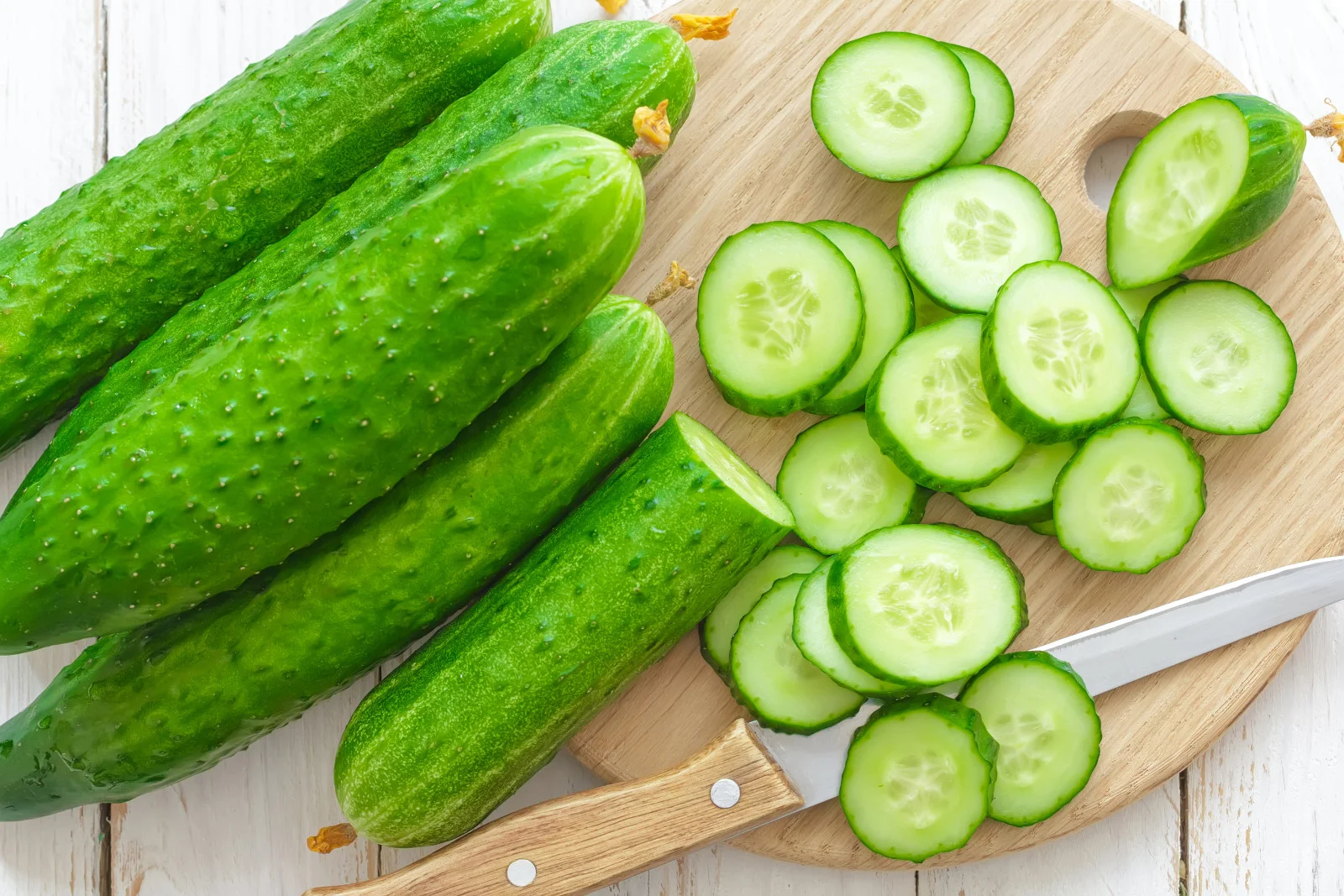
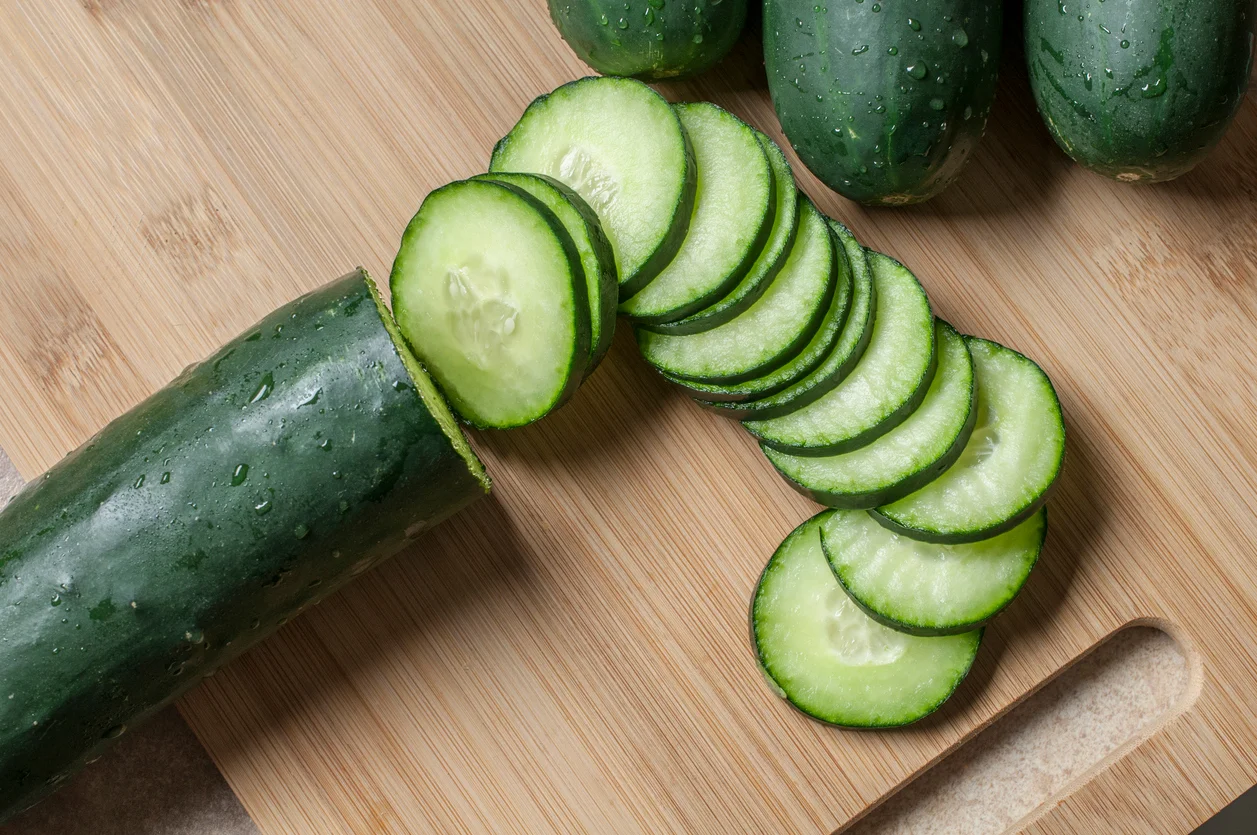
Cucumber farming in Kenya is becoming increasingly popular due to the rising demand from households, hotels, supermarkets, open-air markets, and export buyers. Cucumbers are widely consumed because of their refreshing taste, nutritional value, and versatility in salads, juices, and beauty products. The crop matures quickly and offers farmers a good source of income within a short period, making it attractive to both small-scale and commercial farmers.
Cucumbers perform well in many parts of Kenya provided farmers use proper agronomic practices such as irrigation, pest management, and correct fertilization. However, many farmers experience low yields due to declining soil fertility and poor nutrient management.
Since cucumbers are heavy feeders, they require a steady supply of nutrients throughout their growth cycle for healthy vines, flowering, and fruit development.
Choosing the best fertilizer for cucumber farming is therefore essential for maximizing yields and improving fruit quality. Organic fertilizer solutions such as Safi Topper fertilizer help improve soil fertility naturally while supporting sustainable and profitable cucumber farming.
Why Fertilizer Is Important in Cucumber Farming
Fertilizer plays a major role in cucumber production because the crop requires adequate nutrients for proper growth and fruiting. Cucumbers grow rapidly and produce many fruits within a short period, meaning the plants consume large amounts of nutrients from the soil.
Role of Nutrients in Cucumber Growth
Proper nutrition supports several important functions in cucumber farming, including:
- Healthy vine and leaf development
- Strong root establishment
- Early flowering
- Proper fruit formation
- Increased disease resistance
- Improved fruit size and quality
Without sufficient nutrients, cucumber plants become weak and produce poor-quality fruits.
Effects of Poor Soil Fertility on Cucumbers
Poor soil fertility can negatively affect cucumber production in several ways, including:
- Stunted plant growth
- Yellowing leaves
- Poor flowering
- Small or deformed fruits
- Increased flower abortion
- Low yields
- Increased vulnerability to pests and diseases
This is why farmers need a reliable fertilizer program that supplies balanced nutrients while improving soil health.
Nutrient Requirements for Cucumber Farming
Cucumber plants require both macro and micronutrients for optimal growth and production.
Major Nutrients Needed by Cucumbers
Nitrogen (N)
Nitrogen promotes vigorous vegetative growth, leaf formation, and healthy green vines. It is essential during the early growth stages.
Phosphorus (P)
Phosphorus supports strong root development, flowering, and fruit setting. It also helps plants establish quickly after transplanting.
Potassium (K)
Potassium improves fruit quality, fruit size, disease resistance, and water regulation within the plant.
Secondary Nutrients Required
Cucumber plants also need secondary nutrients such as:
- Calcium
- Magnesium
- Sulfur
These nutrients support healthy plant metabolism and fruit development.
Micronutrients Needed by Cucumbers
Micronutrients are required in smaller amounts but are still very important. These include:
- Zinc
- Boron
- Iron
- Manganese
- Copper
Deficiencies in micronutrients can significantly reduce yields and fruit quality.
Common Nutrient Deficiencies in Cucumber Farming
Understanding nutrient deficiencies helps farmers identify problems early and take corrective measures before severe damage occurs.
Nitrogen Deficiency
Nitrogen deficiency is one of the most common nutrient problems in cucumber farming.
Symptoms
- Yellowing of older leaves
- Stunted growth
- Thin and weak vines
- Reduced leaf size
Effects on Yield
Plants become weak and produce fewer fruits, leading to reduced profitability.
Phosphorus Deficiency
Phosphorus deficiency affects root development and flowering.
Symptoms
- Purplish or dark green leaves
- Delayed growth
- Weak root systems
Effects on Yield
Poor flowering and reduced fruit setting.
Potassium Deficiency
Potassium deficiency reduces fruit quality and plant resistance.
Symptoms
- Yellow or burnt leaf edges
- Weak stems
- Small fruits
Effects on Yield
Poor-quality cucumbers with reduced shelf life.
Calcium Deficiency
Calcium is essential for healthy fruit development.
Symptoms
- Blossom end rot
- Deformed fruits
- Weak plant tissues
Effects on Yield
Reduced marketable fruits and increased losses.
Magnesium Deficiency
Magnesium supports chlorophyll formation and photosynthesis.
Symptoms
- Yellowing between leaf veins
- Premature leaf dropping
Effects on Yield
Reduced plant vigor and low fruit production.
Boron Deficiency
Boron is important for pollination and fruit formation.
Symptoms
- Flower abortion
- Poor fruit setting
- Distorted fruits
Effects on Yield
Low fruit numbers and poor-quality produce.
Types of Fertilizers Used in Cucumber Farming
Farmers use different types of fertilizers depending on their farming goals and soil conditions.
Chemical Fertilizers
Chemical fertilizers provide nutrients quickly and are commonly used in commercial farming.
Advantages
- Fast nutrient availability
- Easy application
- Quick plant response
Limitations
Despite their benefits, excessive use of chemical fertilizers can cause:
- Soil acidity
- Reduced microbial activity
- Soil degradation
- Environmental pollution
- High production costs over time
Organic Fertilizers
Organic fertilizer is increasingly becoming popular among Kenyan farmers because it improves soil fertility sustainably.
Benefits of Organic Fertilizer
- Improves soil structure
- Enhances water retention
- Encourages beneficial microorganisms
- Releases nutrients gradually
- Improves long-term soil fertility
- Supports environmentally friendly farming
Why Organic Fertilizer Is the Best Choice for Cucumber Farming
Organic fertilizer provides both immediate and long-term benefits in cucumber farming.
Improves Soil Fertility Naturally
Organic fertilizer increases soil organic matter, helping the soil remain fertile for longer periods. This creates a healthy growing environment for cucumber plants.
Enhances Water Retention
Organic matter helps soils retain moisture, reducing water stress during dry periods.
Encourages Healthy Root Development
Healthy soils encourage deeper and stronger root systems, improving nutrient and water uptake.
Safe for the Environment and Consumers
Organic fertilizers reduce the risks associated with chemical residues and environmental contamination.
Promotes Sustainable Agriculture
Using organic fertilizer supports long-term agricultural productivity and protects soil health for future farming seasons.
Why Safi Topper Fertilizer Is the Best Fertilizer for Cucumber Farming
What Is Safi Topper Fertilizer?
Safi Topper fertilizer is an organic fertilizer designed to improve soil fertility and support healthy crop growth naturally. It contains essential nutrients and organic matter that help cucumber plants grow vigorously while improving soil structure.
Unlike synthetic fertilizers that may degrade soil over time, Safi Topper fertilizer promotes sustainable farming by enhancing soil microbial activity and long-term fertility.
Benefits of Safi Topper Fertilizer in Cucumber Farming
Promotes Vigorous Vegetative Growth
Safi Topper fertilizer supplies essential nutrients that encourage healthy vine growth and leaf formation, which are critical during the early growth stages.
Encourages Strong Flowering and Fruit Formation
Balanced nutrition helps cucumber plants produce more flowers and improves fruit setting, resulting in higher yields.
Improves Soil Structure and Fertility
The organic matter in Safi Topper fertilizer improves soil aeration, drainage, and water retention while supporting beneficial soil organisms.
Enhances Nutrient Uptake
Healthy soils allow cucumber plants to absorb nutrients more efficiently, reducing nutrient deficiencies.
Improves Fruit Quality
Farmers using organic fertilizer often harvest cucumbers with:
- Better size
- Improved color
- Enhanced texture
- Longer shelf life
Helps Reduce Nutrient Deficiencies
Safi Topper fertilizer provides balanced nutrition that helps minimize deficiencies such as nitrogen, potassium, calcium, and magnesium deficiencies.
Increases Resistance to Diseases and Environmental Stress
Healthy plants are naturally more resilient against diseases, drought stress, and unfavorable weather conditions.
Suitable for Sustainable and Organic Farming
Safi Topper fertilizer supports eco-friendly farming practices while helping farmers maintain productive soils for many years.
How to Apply Safi Topper Fertilizer in Cucumber Farming
During Land Preparation
Apply Safi Topper fertilizer during land preparation and mix it thoroughly with the soil before planting.
During Vegetative Growth
Top dress the crop to maintain nutrient supply and encourage healthy vine growth.
During Flowering and Fruiting
Continue supplying nutrients during flowering and fruiting stages to improve fruit formation and quality.
Follow Recommended Rates
Application rates should depend on:
- Soil fertility levels
- Soil test recommendations
- Crop stage
- Environmental conditions
Farmers are encouraged to conduct soil testing before fertilizer application for better nutrient management.