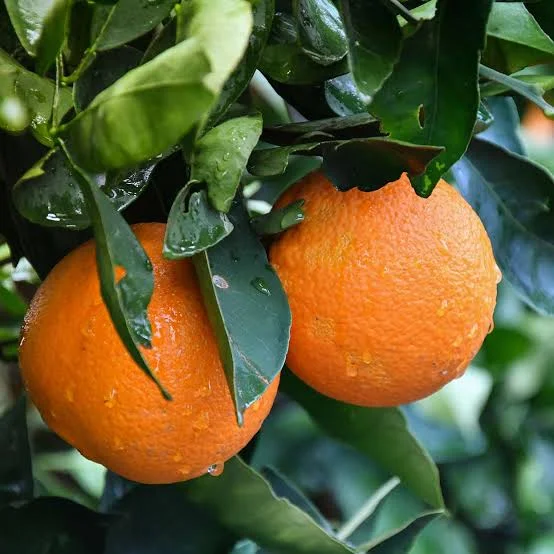
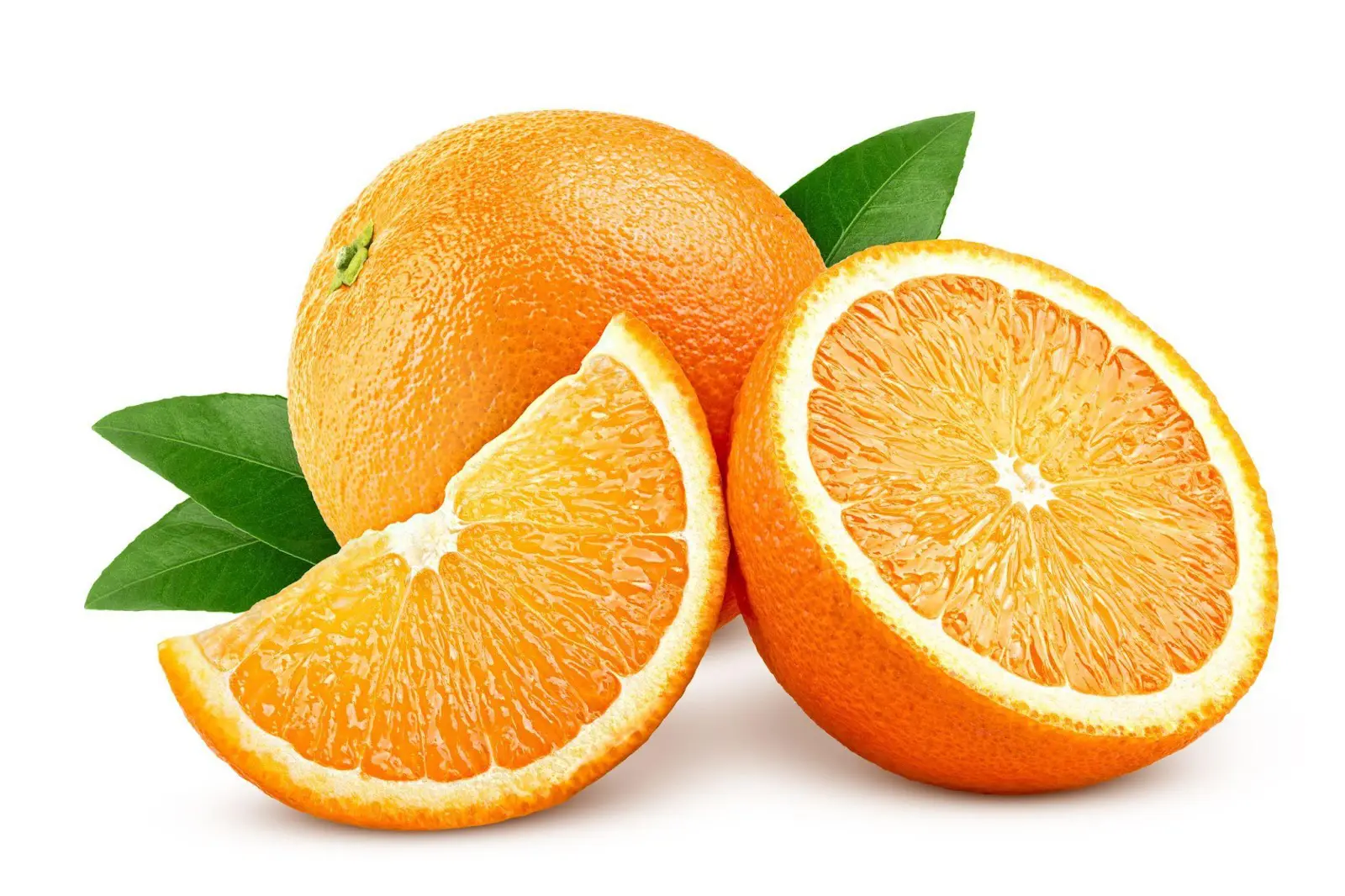
Orange farming is one of the most rewarding fruit-farming enterprises in Kenya, providing farmers with a reliable source of income while meeting the growing demand for fresh fruit. Oranges are widely consumed across the country for their sweet taste, versatility, and rich nutritional value.
The crop is suitable for both small-scale and commercial farmers, especially in areas with favourable climatic conditions and well-drained soils. With proper orchard management, quality seedlings, and balanced fertilisation, orange trees can remain productive for many years.
Importance of Orange Farming in Kenya
Orange farming contributes significantly to Kenya’s horticultural sector by creating employment opportunities, generating household income, and supporting food security. The fruits are sold in local markets, supermarkets, roadside stalls, and processing industries, making oranges a profitable crop for many farmers.
In addition, orange cultivation promotes agricultural diversification and provides farmers with a long-term investment that can yield consistent returns.
Interested in growing more fruit crops? Read our comprehensive guide on passion fruit farming in Kenya to learn about best cultivation practices, fertiliser application, and crop management for improved yields and profitability.
Nutritional and Economic Value
Oranges are highly nutritious and are an excellent source of vitamin C, dietary fibre, potassium, folate, and antioxidants. Regular consumption helps strengthen the immune system, supports healthy skin, improves digestion, and reduces the risk of certain chronic diseases.
Economically, oranges have strong market demand throughout the year. Besides being sold as fresh fruits, they are processed into juice, marmalade, concentrates, essential oils, and other value-added products, increasing their profitability.
Major Orange-Growing Regions
Orange farming is practised in many parts of Kenya where warm temperatures and adequate rainfall support healthy tree growth. Major orange-producing regions include Machakos, Makueni, Kitui, Embu, Meru, Tharaka Nithi, Murang’a, Kirinyaga, Taita Taveta, Kwale, Kilifi, Lamu, Siaya, Busia, Kisumu, Homa Bay, Migori, Kakamega, Bungoma, and parts of Baringo.
These regions offer favourable climatic conditions and suitable soils that enable farmers to produce high-quality oranges for both local consumption and commercial markets.
Ecological Requirements
Climate
Oranges perform best in areas with warm, frost-free conditions throughout the year. The trees require abundant sunshine for vigorous growth, flowering, and fruit development. Excessively humid conditions may reduce fruit quality and encourage disease development, while prolonged drought without irrigation can limit growth and reduce yields.
Temperature
Orange trees grow well at temperatures ranging between 20°C and 30°C, with an optimum temperature of about 25°C. Temperatures below 13°C slow vegetative growth, while prolonged exposure to temperatures below 0°C can damage flowers, young fruits, and branches. Extremely high temperatures above 35°C may cause moisture stress, sunburn on fruits, and reduced fruit quality if adequate irrigation is not provided.
Rainfall
An annual rainfall of 900–1,500 mm, well distributed throughout the year, is ideal for orange production. Consistent moisture supports healthy flowering and fruit development.
In areas with prolonged dry seasons or unreliable rainfall, supplemental irrigation is recommended to maintain adequate soil moisture and ensure continuous tree growth.
Altitude
Orange farming is suitable for areas located between 0 and 2,000 metres above sea level, depending on the variety grown.
The best fruit quality and yields are generally obtained at altitudes ranging from 600 to 1,800 metres above sea level, where temperatures remain warm without the risk of frost.
Soil Requirements
Orange trees thrive in deep, fertile, well-drained loamy or sandy loam soils rich in organic matter. The ideal soil pH ranges from 5.5 to 6.5, although the trees can tolerate slightly acidic to neutral soils. Poorly drained or waterlogged soils should be avoided because they increase the risk of root diseases and poor tree performance.
Conducting a soil test before planting helps determine nutrient levels and guides appropriate soil amendments and fertiliser application.
Orange Varieties Grown in Kenya
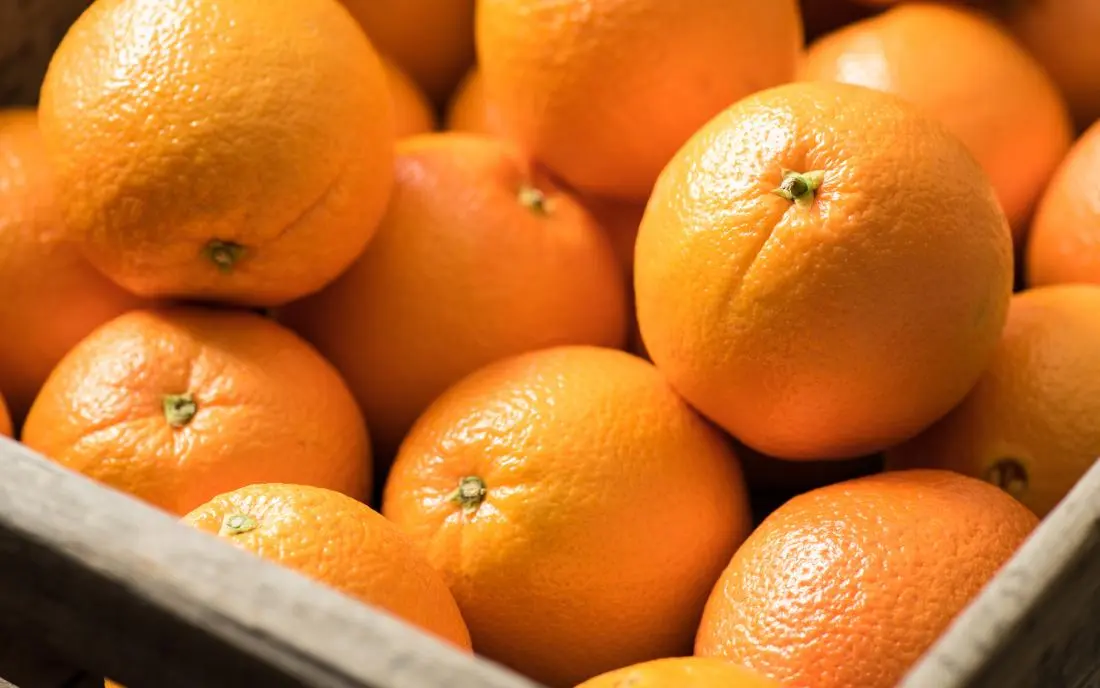
Selecting the right orange variety is an important step in establishing a productive orchard.
Different varieties vary in fruit size, sweetness, juice content, maturity period, disease tolerance, and market demand. Farmers should choose varieties that are well adapted to their local climate and target market.
Valencia
Valencia is one of the most widely grown orange varieties in Kenya due to its high yields and excellent juice quality.
The fruits are medium to large, round, and have a thin orange-colored rind. Valencia oranges are sweet, juicy, and contain few seeds, making them ideal for both fresh consumption and juice processing. They are late-maturing and can remain on the tree for several weeks without losing quality.
Washington Navel
Washington Navel is a popular fresh-market variety known for its large fruit size, seedless flesh, and easy-to-peel skin.
The fruits are sweet, flavorful, and have a characteristic small secondary fruit at the blossom end, commonly referred to as the “navel.” This variety matures early and is highly preferred for table consumption.
Hamlin
Hamlin is an early-maturing orange variety valued for its consistent production and adaptability to different growing conditions. The fruits are medium-sized with smooth, thin skin and juicy flesh.
Although Hamlin oranges contain a few seeds, they are widely used for fresh consumption and juice processing because of their pleasant flavour and high juice content.
Pineapple Orange
Pineapple Orange is a mid-season variety recognised for its rich flavour, high sugar content, and attractiveorange-colouredd fruits.
The fruits are medium to large with a thin rind and abundant juice. This variety performs well in warm regions and is suitable for both fresh markets and commercial juice production.
Choosing the Right Variety
When selecting an orange variety, farmers should consider factors such as climate suitability, market demand, intended use (fresh consumption or processing), maturity period, yield potential, fruit quality, and the availability of certified disease-free seedlings.
Planting improved varieties from reputable nurseries helps ensure healthy orchards, higher productivity, and better returns on investment.
Orange Land Preparation and Planting
Site Selection
Select a site with well-drained, fertile soils and adequate sunlight throughout the day. Avoid areas prone to flooding, waterlogging, or frost, as these conditions can affect root development and reduce tree productivity. The site should also have access to a reliable water source for irrigation during dry periods.
Land Preparation
Clear the land by removing bushes, weeds, tree stumps, and rocks. Deep ploughing and harrowing help loosen the soil, improve aeration, and facilitate root penetration. Where necessary, establish drainage channels to prevent waterlogging and soil erosion.
Soil Testing
Conduct a soil test before planting to determine the soil’s pH, nutrient levels, and organic matter content. Soil analysis helps farmers identify nutrient deficiencies and determine the appropriate organic fertilisers or soil amendments required. Orange trees perform best in soils with a pH of 5.5–6.5.
Planting Hole Preparation
Dig planting holes measuring approximately 60 cm × 60 cm × 60 cm several weeks before planting. Separate the topsoil from the subsoil, then mix the topsoil with 20–30 kg of well-decomposed farmyard manure and, if recommended by the soil test, apply agricultural lime or phosphate fertiliser. Refill part of the hole with the enriched topsoil before planting.
Planting Season
The best time to plant orange seedlings is at the onset of the rainy season to ensure adequate soil moisture for root establishment.
In Kenya, planting is commonly done during the long rains (March–May) or the short rains (October–December). Where irrigation is available, planting can be carried out throughout the year.
Spacing
Maintain a spacing of 6 m × 6 m between trees, allowing approximately 277 trees per hectare. In areas with vigorous tree growth, a wider spacing of 7 m × 7 m may be adopted to improve air circulation, sunlight penetration, and ease of orchard management.
Planting Procedure
Carefully remove the seedling from the nursery container without disturbing the root ball. Place the seedling upright in the centre of the planting hole, ensuring it is planted at the same depth as it was in the nursery.
Fill the hole with the prepared soil, gently firm it around the roots, and water thoroughly.
Apply mulch around the base of the tree to conserve soil moisture, suppress weeds, and regulate soil temperature, while keeping the mulch a few centimetres away from the stem to prevent rotting. If necessary, stake young seedlings to protect them from strong winds and promote upright growth.
Orange Irrigation and Water Management
Water Requirements
Young orange trees require regular watering to establish a strong root system, especially during the first two to three years after planting.
Mature trees need more water during flowering, fruit set, and fruit enlargement, as these stages are highly sensitive to moisture stress. Irrigation should be adjusted according to rainfall, soil type, and tree age, ensuring the soil remains moist but not waterlogged.
Irrigation Methods
Several irrigation methods can be used depending on the farm size, water availability, and budget. Drip irrigation is the most efficient method because it delivers water directly to the root zone, minimises water loss through evaporation, and reduces weed growth.
Micro-sprinkler irrigation is also suitable for orange orchards as it provides uniform moisture over a wider area around the tree.
Basin irrigation may be used by small-scale farmers, although it requires careful water management to prevent waterlogging.
Water Conservation Practices
Water conservation is important, particularly in areas that experience prolonged dry seasons. Applying organic mulch around the base of the trees helps reduce evaporation, suppress weeds, and maintain stable soil temperatures.
Other effective practices include harvesting rainwater, incorporating organic matter into the soil to improve water retention, controlling weeds that compete for moisture, and avoiding excessive tillage that exposes the soil to rapid moisture loss.
Regular monitoring of soil moisture also helps farmers irrigate only when necessary, improving water-use efficiency.
Orange Fertiliser and Nutrient Management
Organic Manure
Apply 20–30 kg of well-decomposed farmyard manure or compost per planting hole before transplanting to improve soil structure, moisture retention, and microbial activity.
After establishment, young trees should receive 10–20 kg of organic manure annually, while mature trees should get 30–50 kg per tree each year, preferably at the beginning of the rainy season. Incorporate the manure into the soil around the tree’s drip line rather than placing it against the trunk.
Fertilizer Requirements
Orange trees require adequate amounts of nitrogen (N), phosphorus (P), and potassium (K) for optimum growth and fruit production.
Nitrogen promotes leafy growth and canopy development, phosphorus supports root growth and flowering, while potassium improves fruit size, sweetness, colour, and overall quality.
Young trees can be supplied with NPK 17:17:17 or NPK 20:10:10 in small split applications during the growing season. As trees mature and begin fruiting, fertilisers with higher potassium content, such as NPK 15:9:20 or NPK 12:12:17+2MgO, are recommended to support fruit development.
Fertiliser rates should always be adjusted based on tree age, expected yield, and soil test recommendations.
Micronutrient Management
In addition to macronutrients, orange trees require micronutrients such as zinc (Zn), boron (B), magnesium (Mg), iron (Fe), manganese (Mn), and calcium (Ca) for healthy growth. Deficiencies of these nutrients may result in poor flowering, yellowing leaves, reduced fruit set, and lower yields.
Foliar fertilisers containing essential micronutrients can be applied during periods of active growth, while deficiencies should be corrected according to soil or leaf analysis results.
Fertiliser Application Schedule
Fertilisers should be applied in two to four split applications each year to improve nutrient uptake and minimise losses. Apply the first dose at the onset of the rainy season to encourage vegetative growth, followed by additional applications before flowering and during fruit development.
Moreover, spread fertilisers evenly around the tree’s drip line, lightly incorporate them into the soil, and water thoroughly after application where rainfall is insufficient. Avoid placing fertilisers directly against the tree trunk, as this may damage the roots and stem.
Orange Orchard Management
Weed Control
Weeds compete with orange trees for water, nutrients, and sunlight, particularly during the early years of orchard establishment. Keep the area around each tree free of weeds through manual weeding, shallow cultivation, mulching, or the careful use of recommended herbicides. Regular weed control also minimises pest habitats and improves orchard sanitation.
Mulching
Apply a layer of organic mulch such as dry grass, crop residues, or compost around the base of the trees to conserve soil moisture, regulate soil temperature, suppress weed growth, and improve soil fertility as it decomposes. Keep the mulch 10–15 cm away from the tree trunk to prevent moisture buildup and stem diseases.
Pruning
Pruning helps develop a strong tree structure, improves air circulation, enhances sunlight penetration, and removes dead, diseased, or damaged branches.
Light annual pruning is recommended after harvesting to maintain tree shape and encourage the growth of healthy, productive branches. Remove water sprouts and branches that cross or grow toward the centre of the canopy.
Training Young Trees
Young orange trees should be trained during the first few years to develop a strong and balanced framework.
Remove low-growing shoots and select 3–5 well-spaced main scaffold branches that will form the permanent structure of the tree. Proper training improves canopy development, supports heavy fruit loads, and simplifies pruning and harvesting.
Fruit Thinning
Where trees produce excessive numbers of fruits, thinning may be necessary to improve fruit size, quality, and uniformity. Remove small, damaged, or overcrowded fruits soon after fruit set, allowing the remaining fruits to receive adequate nutrients and develop properly.
Fruit thinning also helps reduce branch breakage caused by heavy fruit loads.
Intercropping
During the first three to four years, before the orange tree canopy fully develops, farmers can intercrop with short-duration, shallow-rooted crops such as beans, cowpeas, groundnuts, vegetables, or legumes.
In addition, Intercropping provides additional income, improves land use efficiency, and helps suppress weeds. Avoid planting crops that compete heavily for water and nutrients or those that may harbour pests and diseases affecting citrus trees.
Flowering, Fruit Development, and Harvesting of Oranges
The flowering and fruiting stages are critical in determining the yield and quality of oranges. Proper orchard management, adequate nutrition, sufficient water, and favourable weather conditions promote successful flowering, fruit development, and the production of high-quality fruits.
Flowering
Orange trees typically begin flowering 2–4 years after planting for grafted trees, depending on the variety and management practices. Flowering usually occurs during or shortly after the rainy season when soil moisture is adequate. Healthy trees produce numerous fragrant white flowers that later develop into fruits.
Pollination
Orange flowers are largely self-pollinating, but cross-pollination by insects, particularly honeybees, can improve fruit set and increase yields.
Maintaining bee-friendly environments and avoiding the excessive use of pesticides during the flowering period helps support pollination.
Fruit Set
Fruit set occurs after successful pollination and fertilisation. During this stage, some young fruits naturally drop as the tree adjusts to its carrying capacity. Adequate irrigation, balanced fertilisation, and proper orchard management reduce excessive fruit drop and promote the development of healthy, well-sized fruits.
Maturity Indicators
Oranges are ready for harvesting when they develop their characteristic variety-specific colour, attain the appropriate size, and have a sweet taste with the desired sugar-to-acid ratio. Mature fruits should feel firm and juicy.
Harvesting too early results in poor flavour, while delayed harvesting may reduce fruit quality and shelf life.
Harvesting Methods
Harvest oranges by hand or using clean, sharp secateurs to cut the fruit stalk, leaving a short stem attached to prevent damage to the peel. Handle fruits gently to avoid bruising, punctures, and other mechanical injuries that reduce market quality. Harvesting is best done during the cool hours of the morning or late afternoon.
Orange Post-Harvest Handling
Cleaning
Clean harvested oranges by removing dirt, dust, leaves, and other field debris. Wash the fruits with clean water where necessary and allow them to dry before packaging to minimise the risk of fungal infections during storage.
Sorting and Grading
Sort fruits to remove damaged, diseased, undersized, or overripe oranges. Grade the remaining fruits according to size, weight, colour, and overall quality to meet market standards and improve uniformity.
Packaging
Pack oranges in clean, well-ventilated crates, plastic containers, or strong cardboard cartons lined with soft materials to protect them from bruising. Avoid overfilling packages, as excessive pressure can damage the fruits during handling and transport.
Storage
Store oranges in a cool, dry, and well-ventilated environment away from direct sunlight. Under suitable storage conditions, oranges can remain fresh for several weeks. Refrigerated storage further extends shelf life while maintaining fruit quality.
Transportation
Transport oranges carefully using clean vehicles to minimise bruising and mechanical damage. Stack packages securely without crushing the fruits, and where possible, use refrigerated transport for long-distance markets to preserve freshness and quality.
Marketing Opportunities for Oranges
Orange farming offers numerous marketing opportunities due to the high demand for fresh fruits and processed citrus products. Farmers can increase their profitability by targeting different market segments and exploring value addition options.
Local Markets
Fresh oranges are widely consumed across Kenya and can be sold through open-air markets, roadside vendors, supermarkets, grocery stores, schools, hotels, restaurants, and wholesalers. Supplying high-quality fruits consistently helps farmers build reliable market relationships and secure better prices.
Export Markets
Kenyan oranges have export potential in regional and international markets, particularly when they meet the required quality, grading, packaging, and phytosanitary standards. Farmers can access export opportunities by working with certified exporters, cooperatives, or contract buyers who supply markets within East Africa and beyond.
Value Addition
Value addition enables farmers to earn higher returns by processing oranges into products such as fresh juice, marmalade, jams, dried orange slices, candied peels, orange zest, and essential oils. Processing also reduces post-harvest losses and extends the shelf life of the produce.
Juice Processing Industries
Orange juice processing industries provide a reliable market for fruits that may not meet fresh-market quality standards but are still suitable for processing. Farmers can supply oranges to juice manufacturers, beverage companies, and small-scale processing enterprises, creating additional income opportunities while minimising wastage.
Conclusion
In conclusion, Orange farming is a profitable venture in Kenya when farmers follow good agricultural practices, including proper orchard management, balanced fertilisation, and effective post-harvest handling. With the growing demand for fresh and processed oranges, the crop offers excellent opportunities for sustainable income and long-term profitability.