Guava farming is an emerging fruit enterprise in Kenya, with farmers growing guava for both fresh consumption and processing. Its trees are relatively hardy and can perform well under suitable climatic and soil conditions, making them a useful option for small-scale and commercial fruit farmers.
Guava production contributes to fruit diversification and provides farmers with an additional source of income. The fruit is also valued for its nutritional content, including vitamin C, dietary fibre, and antioxidants.
Demand for guavas comes from households, fruit vendors, supermarkets, hotels, restaurants, and juice processors. With proper orchard management, quality seedlings, and access to reliable markets, guava farming can offer opportunities for farmers looking to meet the growing demand for locally produced fruits.
Looking to diversify your orchard further? Check out our complete guide on orange farming in Kenya to learn about suitable growing conditions, planting, and orchard management.
Climatic and Soil Requirements for Guava Farming
Guava performs well in warm tropical and subtropical conditions, making several parts of Kenya suitable for commercial production. Proper climatic and soil conditions support healthy tree growth, flowering, fruit development, and consistent yields.
Suitable Temperatures
Guava grows best in warm conditions with temperatures of about 23°C to 28°C. Although mature trees can tolerate some temperature variation, extreme cold or prolonged frost can affect flowering, fruit development, and overall growth.
Rainfall Requirements
Guava requires approximately 1,000–2,000 mm of rainfall annually, preferably distributed throughout the growing period. Where rainfall is inadequate or irregular, farmers can use irrigation to maintain adequate soil moisture, especially during flowering and fruit development.
Altitude
Guava can grow across a wide range of elevations, generally performing well from sea level to about 1,500 metres above sea level. Lower and moderately elevated areas with warm conditions are particularly suitable for commercial production.
Soil Type and pH
Guava grows well in deep, fertile, well-drained loamy soils that allow good root development. The ideal soil pH is approximately 5.5 to 7.0. Farmers should conduct soil testing before planting to identify nutrient deficiencies and determine the appropriate soil amendments and fertiliser requirements.
Water and Drainage Requirements
Adequate moisture is important for establishing young guava trees and supporting fruit production. However, guava roots are sensitive to prolonged waterlogging, so farms should have good drainage. Irrigation can be used during dry periods, while mulching helps conserve soil moisture and reduce evaporation.
Guava Varieties Grown in Kenya
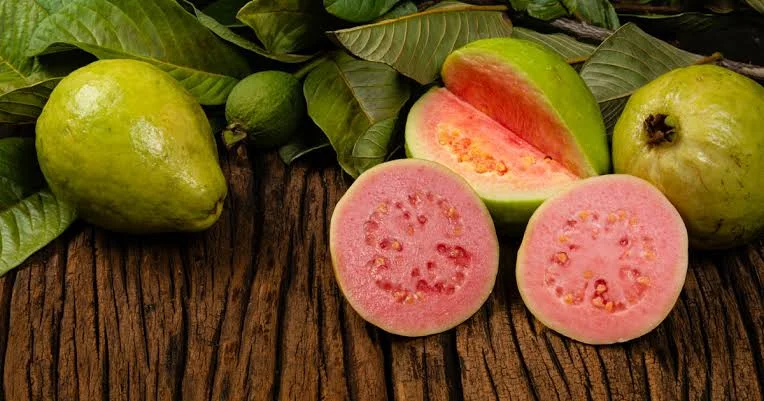
Apple Guava
Apple guava produces round to slightly oval fruits with firm flesh and a sweet, pleasant flavour. It is popular for fresh consumption and can also be used in juices, jams, and other processed products.
Pink Guava
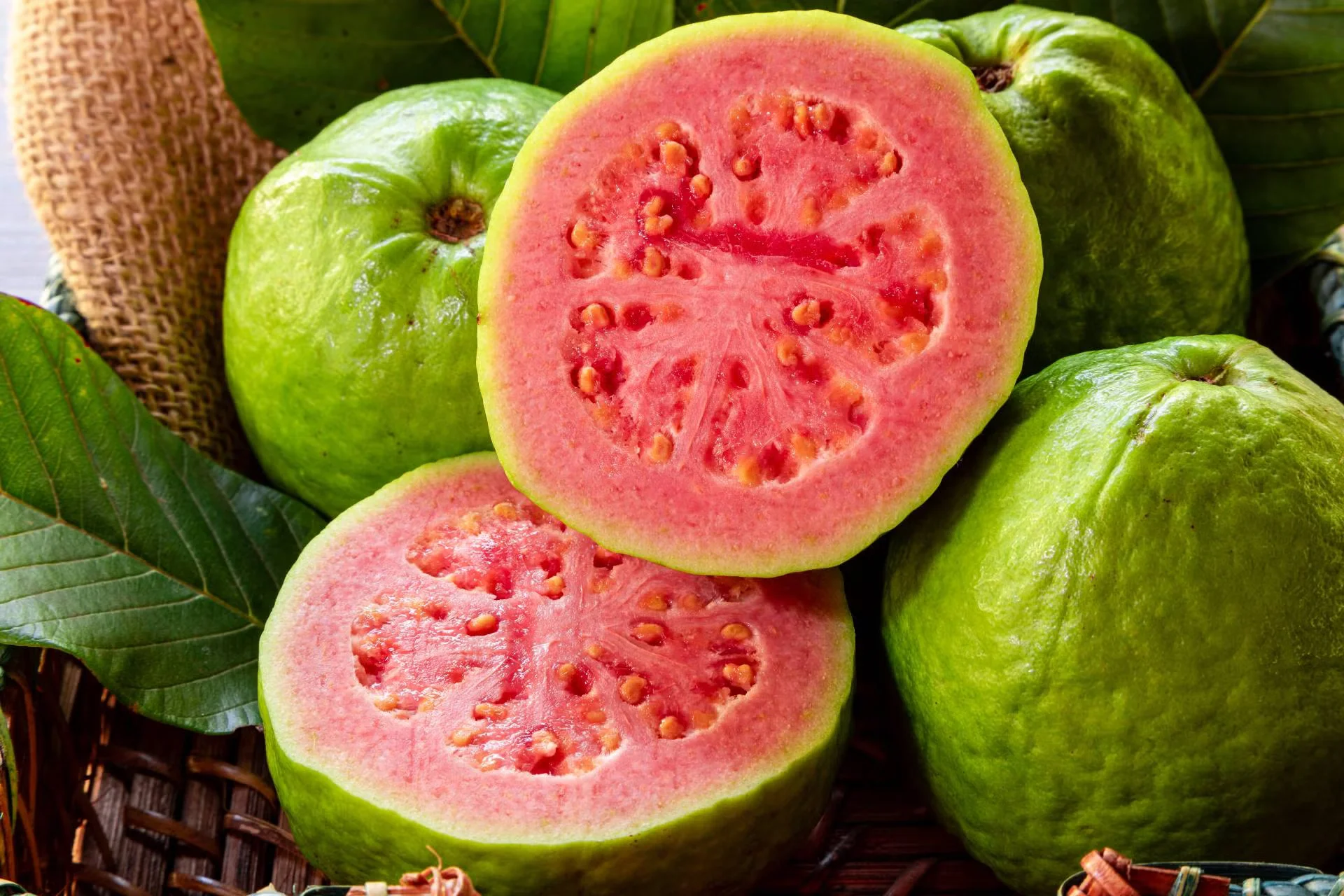
Pink guava is recognised by its pink to reddish flesh and strong fruity flavour. It is commonly consumed fresh and is also suitable for juice and other value-added products.
White Guava
White guava produces fruits with pale or creamy flesh and a mild, sweet taste. The variety can be marketed for fresh consumption and used in processing.
Seedless Guava
Seedless guava produces fruits with few or no noticeable seeds, making them convenient for fresh consumption and processing. Its appeal to consumers can create opportunities in markets where easy-to-eat fruits are preferred.
Land Preparation for Guava Farming
Proper land preparation provides guava trees with favourable conditions for root development and healthy growth. Farmers should prepare the land before planting to improve soil structure, control weeds, and ensure adequate drainage.
Site Selection
Choose a site with adequate sunlight, fertile and well-drained soil, and reliable access to water. Avoid areas that remain waterlogged after rainfall, as excessive moisture can damage guava roots.
Land Clearing
Clear bushes, weeds, crop residues, and other unwanted vegetation from the selected site. Removing weeds before planting reduces competition for water and nutrients during the early stages of tree growth.
Ploughing and Harrowing
Plough the land to loosen compacted soil and improve root penetration. Harrowing then breaks down large soil clods and creates a fine, level seedbed suitable for marking planting positions.
Digging Planting Holes
Dig planting holes before the onset of rains to allow the soil to settle. Holes of about 60 cm × 60 cm × 60 cm are commonly suitable, although the size can be adjusted depending on soil conditions and seedling requirements.
Incorporating Organic Matter
Mix well-decomposed farmyard manure or compost with the topsoil removed from the planting holes before refilling them. Organic matter improves soil structure, nutrient availability, and moisture retention, giving young guava trees a better start.
Guava Seedling Selection and Planting
Choosing quality planting materials and using the correct planting practices helps guava trees establish quickly and produce healthy yields. Farmers should source seedlings from reliable nurseries and plant them under suitable field conditions.
Choosing Healthy Seedlings
Select healthy, vigorous guava seedlings that are free from pests, diseases, and physical damage. Seedlings should have well-developed roots, strong stems, and healthy green leaves. Grafted or certified seedlings are preferable because they can provide uniform growth and fruit quality.
Planting Spacing
Guava trees can be planted at about 4–6 metres between trees and 5–6 metres between rows, depending on the variety and management system. Adequate spacing allows sufficient sunlight, air circulation, and room for orchard operations.
Best Planting Time
The best time to plant guava seedlings is at the beginning of the rainy season when there is sufficient soil moisture. In areas with irrigation, planting can be done during other periods provided the young trees receive adequate water.
Planting Procedure
Water the seedlings before transplanting to reduce transplanting stress. Carefully remove the seedling from its container without damaging the roots, place it upright in the centre of the prepared hole, and cover the roots with soil. Firm the soil gently around the base and water immediately after planting. Mulching around the tree can help conserve moisture, but the mulch should not touch the stem.
Guava Orchard Management
Proper orchard management helps guava trees establish well, maintain healthy growth, and produce good-quality fruits. Farmers should provide adequate water, control weeds, prune trees, and manage fruit development throughout the growing season.
Watering and Irrigation
Young guava trees require regular watering, particularly during dry periods and after transplanting. Mature trees are more tolerant of short dry periods, but irrigation during flowering and fruit development helps maintain fruit size and yield. Avoid excessive watering because waterlogged soils can damage the roots.
Mulching
Apply organic mulch such as dry grass, leaves, or crop residues around the base of guava trees. Mulching helps conserve soil moisture, suppress weeds, regulate soil temperature, and gradually add organic matter to the soil. Keep the mulch slightly away from the trunk to prevent rot.
Weed Control
Control weeds regularly to reduce competition for water, nutrients, and sunlight. Weeds can be removed manually, mechanically, or through suitable weed management practices. Maintaining a clean area around young trees is particularly important during establishment.
Pruning
Prune guava trees to remove dead, diseased, damaged, or overcrowded branches. Regular pruning improves air circulation and light penetration while maintaining a manageable tree shape. It can also encourage the production of new fruiting shoots.
Training
Train young guava trees by selecting a strong main stem and well-spaced branches to form a balanced canopy. Remove unwanted shoots and branches as the tree develops. Proper training makes orchard management, harvesting, and pruning easier.
Thinning and Fruit Management
Fruit thinning can be used when trees produce excessive fruit, particularly on young or heavily fruiting trees. Removing some fruits reduces competition for nutrients and allows the remaining fruits to develop better size and quality. Farmers should also monitor the orchard regularly and remove damaged or unhealthy fruit.
Fertiliser and Nutrient Management
Proper nutrient management is important for healthy guava growth, flowering, fruit development, and consistent yields. Farmers should combine soil testing, organic matter, and appropriate fertilisers based on the needs of the orchard.
Importance of Soil Testing
Soil testing helps determine the available nutrients, soil pH, and other soil characteristics before fertiliser application. Farmers can use the results to identify nutrient deficiencies and select suitable fertilisers while avoiding unnecessary applications.
Organic Manure
Well-decomposed farmyard manure or compost can be incorporated into the soil during land preparation and applied around established trees. Organic manure improves soil structure, increases moisture retention, and supplies nutrients that support healthy root development.
Fertiliser Application
Guava trees require nutrients such as nitrogen, phosphorus, and potassium for vegetative growth, root development, flowering, and fruit production. Fertilisers should be applied according to soil-test recommendations and the age and productivity of the trees. Avoid placing fertiliser directly against the trunk, as this may damage the roots or stem.
Role of Organic Fertilisers
Organic fertilisers improve soil fertility while contributing organic matter to the soil. They can support nutrient availability, improve soil structure, and enhance moisture retention, making them useful as part of a balanced guava nutrition programme.
Safi Sarvi Organic Biochar Fertilizer
Safi Sarvi Organic Biochar Fertiliser can be incorporated into guava production as part of an organic soil fertility management programme. Its use can help improve soil conditions and support nutrient availability, while contributing to healthier soil for guava tree growth and fruit production.
Common Challenges in Guava Farming
Guava farming can be affected by several challenges that reduce tree growth, fruit quality, and overall yields. Identifying these challenges early and using proper orchard management practices can help farmers maintain productive guava orchards.
Water Stress
Inadequate or irregular water supply can affect flowering, fruit development, and tree growth. Prolonged drought may result in small fruits and reduced yields. Farmers can use irrigation and mulching to maintain adequate soil moisture during dry periods.
Poor-Quality Seedlings
Weak or diseased planting materials can result in poor establishment, uneven growth, and low fruit production. Farmers should obtain healthy, vigorous seedlings from reliable nurseries and select varieties suited to their growing conditions.
Weed Competition
Weeds compete with guava trees for water, nutrients, and sunlight, particularly during the early stages of growth. Regular weeding and mulching can reduce competition and maintain better growing conditions around the trees.
Nutrient Deficiencies
Poor soil fertility can cause slow growth, weak foliage, poor flowering, and low fruit yields. Soil testing helps identify nutrient deficiencies, allowing farmers to apply appropriate organic manure and fertilisers based on the orchard’s requirements.
Pest and Disease Pressure
Guava trees may be affected by pests and diseases that damage leaves, branches, roots, or fruits. Regular monitoring helps farmers identify problems early and apply appropriate integrated pest and disease management practices.
Poor Orchard Management
Inadequate pruning, irregular watering, poor spacing, and delayed weed control can reduce productivity and fruit quality. Consistent orchard management helps maintain healthy trees, improve light and air circulation, and support better fruit production.
Harvesting and Post-Harvest Handling
Proper harvesting and post-harvest handling help maintain guava quality, reduce losses, and extend shelf life. Farmers should harvest fruits at the appropriate maturity stage and handle them carefully from the orchard to the market.
When Guavas Are Ready for Harvesting
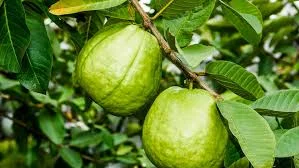
Guavas are ready for harvesting when they reach their mature size and begin changing from dark green to a lighter green or yellowish colour. Mature fruits should be firm but slightly soft when gently pressed and should have a pleasant aroma. The exact harvesting stage depends on the variety and intended market.
Proper Harvesting Methods
Harvest guavas carefully by hand, gently twisting or cutting the fruit from the tree while retaining a small stalk. Avoid dropping or throwing fruits because bruising can accelerate deterioration. Harvesting during cool parts of the day can also help maintain fruit quality.
Sorting and Grading
After harvesting, sort guavas according to size, colour, maturity, and overall quality. Remove fruits that are bruised, damaged, diseased, or overripe. Grading produces uniform batches that are easier to package and market.
Packaging
Pack guavas in clean, ventilated crates, cartons, or suitable fruit containers to protect them from bruising. Avoid overfilling containers because excessive pressure can damage the fruits during handling and transportation.
Storage and Transportation
Guavas are highly perishable and should be moved to the market as soon as possible after harvesting. Store them in a cool, well-ventilated environment and maintain appropriate temperature and humidity conditions where cold storage is available. During transportation, protect the fruits from direct sunlight, excessive heat, and rough handling to reduce post-harvest losses.
Marketing and Profitability of Guava Farming
Guava farming can provide farmers with income through fresh fruit sales and value-added markets. Profitability depends on production costs, fruit quality, yields, market prices, and the ability to access reliable buyers.
Where to Sell Guavas in Kenya
Farmers can sell guavas through different marketing channels depending on their production volume and target customers. Developing several market options can help reduce reliance on a single buyer.
Local Markets
Local open-air markets, fruit stalls, and roadside vendors provide accessible markets for fresh guavas. Farmers can sell directly to consumers or traders, although prices may vary depending on season and supply.
Supermarkets
Supermarkets can provide access to consumers looking for clean, graded, and well-packaged fruits. Farmers supplying this market need to maintain consistent quality, quantities, and reliable delivery schedules.
Hotels and Restaurants
Hotels, restaurants, cafés, and catering businesses can purchase guavas for fresh consumption, juices, smoothies, desserts, and other preparations. Building direct relationships with these buyers can provide regular markets for quality produce.
Juice Processors
Juice processors and other fruit-processing businesses can provide a market for guavas that meet their quality and quantity requirements. Processing also creates demand for fruits that may not always meet premium fresh-market appearance standards.
Guava Production Costs
The main costs include land preparation, seedlings, manure and fertilisers, irrigation, labour, weed control, pest and disease management, harvesting, packaging, and transportation. Actual costs vary depending on farm size, location, production system, and input prices.
Factors Affecting Profitability
Guava profitability is influenced by yield per tree, fruit quality, market prices, production costs, variety selection, orchard management, and access to reliable buyers. Farmers can improve returns by using quality planting materials, maintaining productive orchards, reducing post-harvest losses, and targeting markets that offer better prices.
Conclusion and Frequently Asked Questions
In conclusion, guava farming in Kenya can be a productive fruit enterprise when farmers use quality seedlings, suitable varieties, and proper orchard management practices. Providing adequate water, nutrients, weed control, pruning, and timely harvesting helps maintain healthy trees and improve fruit quality.
The demand for guavas from fresh fruit markets, supermarkets, hotels, restaurants, and processors provides different opportunities for farmers. Farmers can improve profitability by reducing production and post-harvest losses while targeting reliable markets.
FAQs About Guava Farming in Kenya
Is guava farming profitable in Kenya?
Guava farming can be profitable when farmers achieve good yields, maintain fruit quality, control production costs, and access reliable markets. Profitability varies depending on location, variety, farm size, management practices, and prevailing market prices.
How long does guava take to mature?
Guava trees grown from grafted or vegetatively propagated seedlings can start producing fruit within about 2–3 years under good management. Trees grown from seeds may take longer to begin fruiting.
Which guava variety is best for Kenya?
The suitable variety depends on the growing conditions and target market. Apple, pink, white, and seedless guavas can be considered, with farmers selecting varieties that perform well in their area and meet consumer preferences.
How far apart should guava trees be planted?
Guava trees can generally be planted about 4–6 metres apart, with approximately 5–6 metres between rows. Spacing may be adjusted depending on the variety, soil fertility, and orchard management system.
How many years can a guava tree produce?
A well-managed guava tree can remain productive for many years, although productivity may decline as the tree ages. Regular pruning, adequate nutrition, proper watering, and good pest and disease management can help maintain production.
Where can farmers sell guavas in Kenya?
Farmers can sell guavas through local markets, fruit vendors, supermarkets, hotels, restaurants, juice processors, wholesalers, and direct sales to consumers. Developing relationships with reliable buyers can provide more consistent market opportunities.