
Did you know that Kenya exported horticultural produce worth KSh 136.6 billion in 2024, according to the Agriculture and Food Authority (AFA). While flowers, fruits and vegetables account for most of this trade, the government also tracks Medicinal and Aromatic Plants (MAPs), including herbs and spices, as a distinct export category. In April–June 2025 alone, Kenya exported 2,464 tonnes of MAPs valued at approximately KSh 1.61 billion.
These figures show that herbs are not simply small garden crops. They form part of Kenya’s wider high-value horticulture industry, creating opportunities for farmers who can produce consistent quality and meet the requirements of fresh-produce buyers.
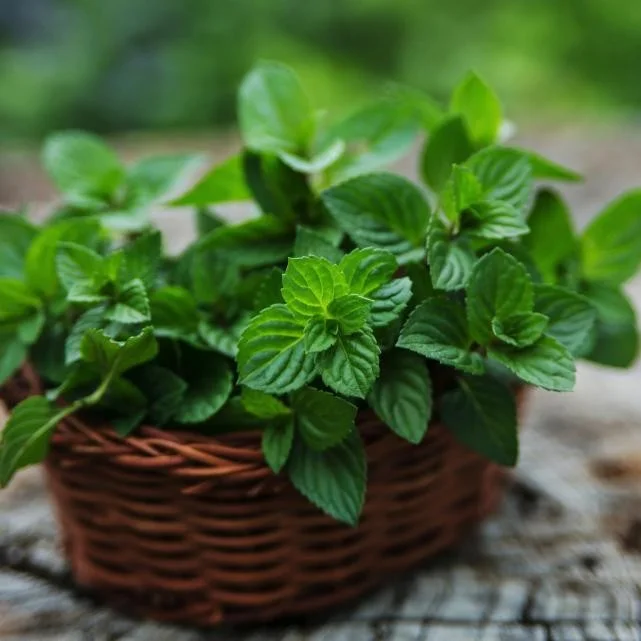
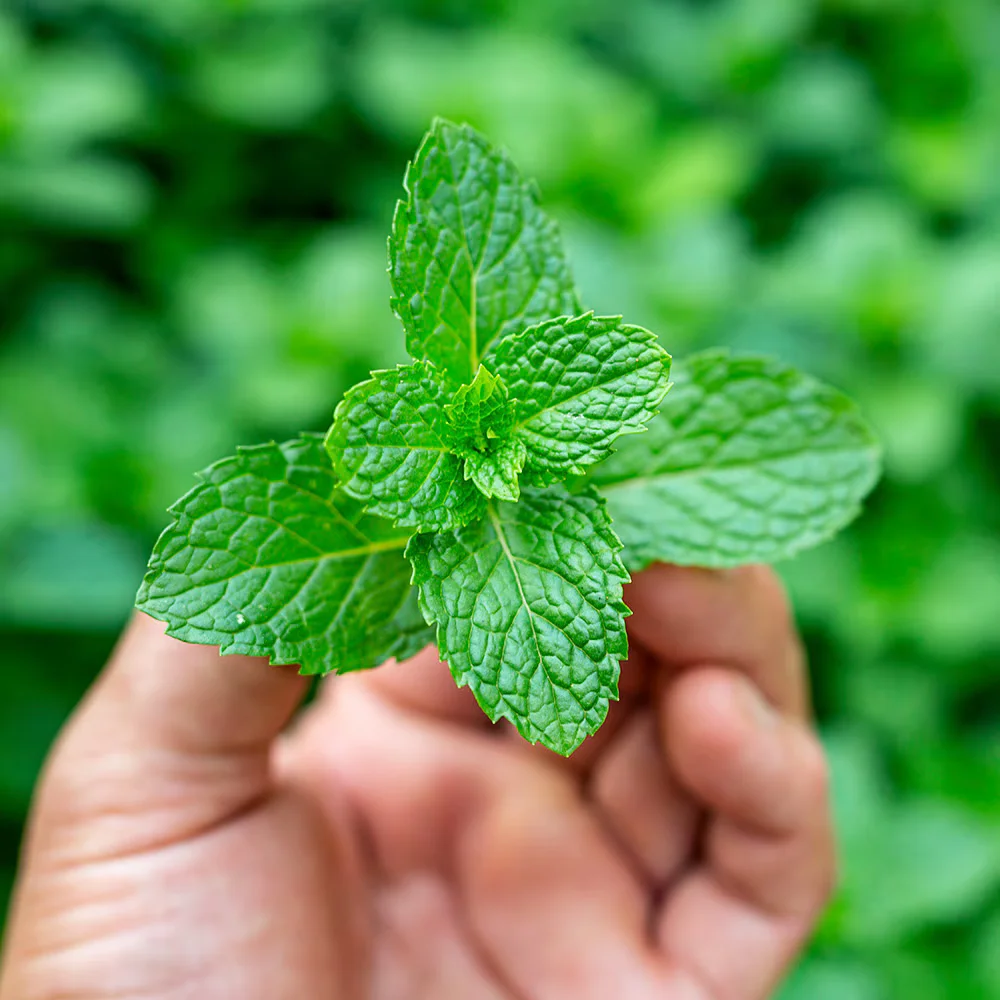
Mint is one of the herbs farmers can consider. It is a fast-growing perennial valued for its fresh leaves, distinctive aroma and essential oils. Unlike crops harvested only once, established mint plants can regrow after cutting, allowing farmers to harvest repeatedly when moisture, fertility and crop management are properly maintained.
Overview of Mint Farming and Its Uses
Mint belongs to the Mentha genus and is used in food, beverages, herbal teas and personal-care products. Fresh leaves are commonly used in teas, juices, salads, sauces and garnishes, while mint extracts and essential oils are used in products such as toothpaste, mouthwash, cosmetics and soaps.
Farmers can sell mint as fresh leaves or explore dried and processed products depending on their equipment and target market. Potential buyers include households, hotels, restaurants, juice businesses, supermarkets, herbal tea companies and processors.
Why Consider Mint Farming in Kenya?
Mint can provide an additional source of income from relatively small pieces of land because established plants can produce repeated harvests. However, production alone does not determine profitability.
The bigger question is whether a farmer can consistently produce clean, attractive mint and sell it to a reliable buyer at a price that covers production, harvesting, packaging, and transport costs.
This makes variety selection, irrigation, soil fertility, harvesting and post-harvest handling just as important as planting.
This guide explains the varieties, climate and soil requirements, planting, crop management, harvesting, marketing, costs, yields and profitability of mint farming in Kenya.
Mint is also a popular ingredient in refreshing drinks, where it can be paired with fruits for added flavour and freshness. You can read more about Passion Fruit Farming in Kenya to learn about another crop commonly used in juice and beverage production.
Climatic and Soil Requirements for Mint Farming
Suitable Temperatures and Rainfall
Mint grows well in cool to moderately warm conditions, with temperatures of about 15°C to 25°C being suitable for healthy growth. The crop requires consistent moisture, either from rainfall or irrigation, especially during establishment and periods of active growth. However, excessive rainfall and waterlogged conditions can affect root development.
Ideal Altitude for Mint Production
Mint can grow across a wide range of elevations, but moderate to high-altitude areas with cool conditions are generally suitable. In Kenya, areas with mild temperatures can support good leaf growth and quality when adequate water and soil fertility are maintained.
Soil Type, pH, and Drainage
Mint performs best in fertile, loamy soils that are rich in organic matter and retain enough moisture without becoming waterlogged. A soil pH of around 6.0–7.5 is suitable for mint production. Good drainage is essential because stagnant water can cause root problems and reduce plant growth.
Suitable Growing Regions in Kenya
Mint can be grown in several parts of Kenya where temperatures are moderate, and water is available. Potential areas include Kiambu, Nakuru, Nyeri, Murang’a, Meru, and parts of Nairobi and Central Kenya. With irrigation and proper soil management, farmers in other regions can also produce mint commercially.
Mint Varieties Grown in Kenya
Peppermint
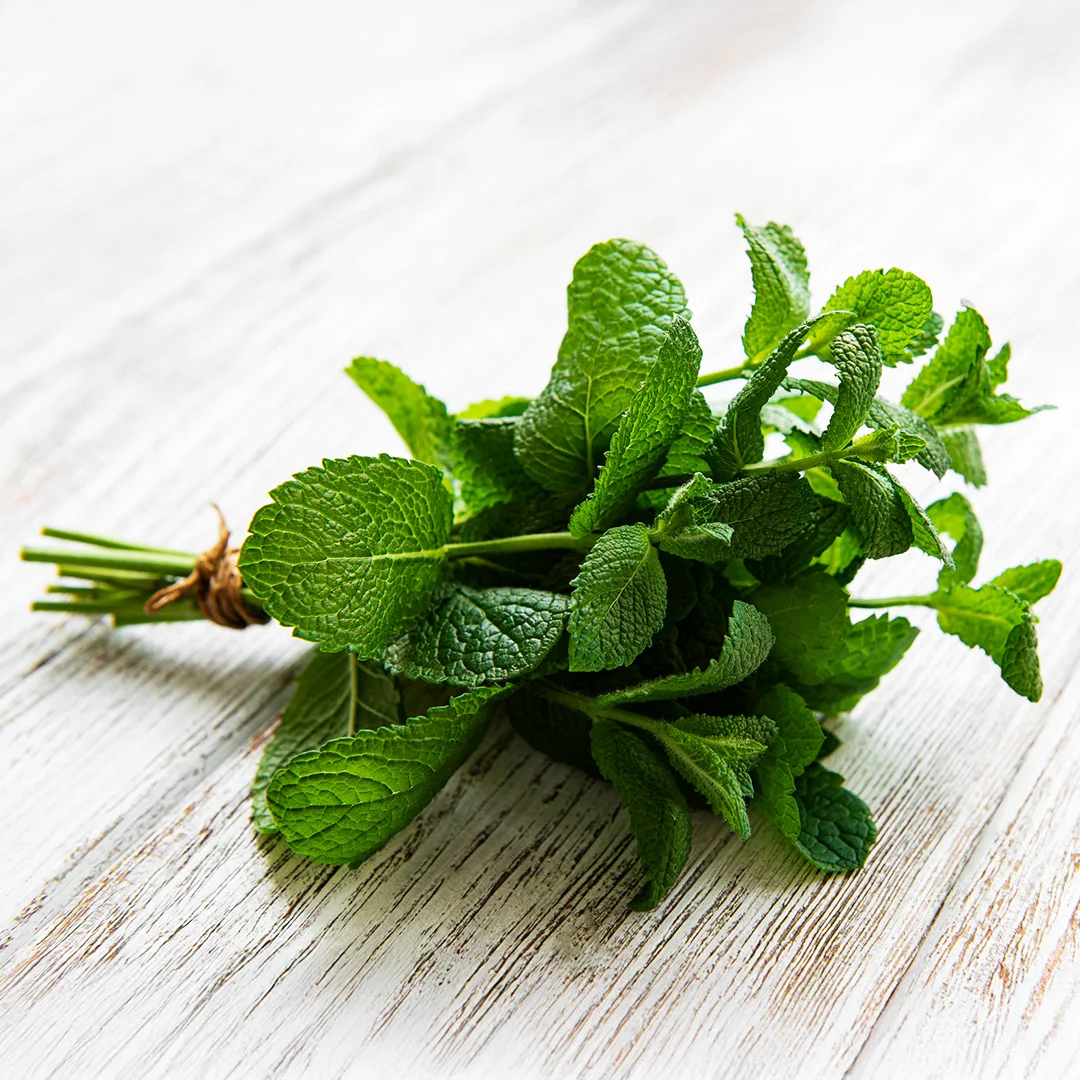
Peppermint is one of the most popular mint varieties and is known for its strong, cooling flavour and aroma. It is commonly used in herbal teas, beverages, confectionery, toothpaste, and essential oil production.
Spearmint
Spearmint has a milder and sweeter flavour compared to peppermint. Its fresh leaves are widely used in cooking, salads, drinks, garnishing, and herbal teas, making it suitable for fresh herb markets.
Apple Mint
Apple mint has soft, slightly hairy leaves with a mild fruity aroma. It is mainly used in teas, drinks, desserts, and as a fresh garnish, while its attractive appearance also makes it suitable for home gardens.
Chocolate Mint
Chocolate mint has a distinctive minty aroma with a subtle chocolate-like scent. It is mainly grown for teas, desserts, beverages, and garnishing, and can attract niche markets looking for speciality herbs.
Land Preparation for Mint Farming
Selecting a Suitable Site
Choose a site that receives adequate sunlight and has access to a reliable water source. The area should have fertile, well-drained soil because mint requires consistent moisture but does not perform well in waterlogged conditions.
Clearing and Ploughing the Land
Clear the land of weeds, crop residues, stones, and other unwanted materials. Plough the soil to loosen compacted areas and improve root penetration. Proper land clearing also reduces competition from weeds during the early stages of mint growth.
Soil Preparation and Incorporation of Organic Manure
Break large soil clods and level the field to create a fine soil structure. Apply well-decomposed organic manure and mix it thoroughly into the soil to improve fertility, moisture retention, and soil structure. Organic manure also provides nutrients that support healthy leaf development.
Preparing Planting Beds
Prepare raised or slightly elevated planting beds, especially in areas prone to excess moisture. The beds should be well-drained and wide enough to allow easy planting, watering, weeding, and harvesting. Leave suitable pathways between beds to make farm management easier.
Mint Propagation and Planting
Propagation Through Stem Cuttings
Mint is commonly propagated using healthy stem cuttings because they establish quickly and produce plants with similar characteristics to the parent plant. Select mature stems with several healthy nodes, remove the lower leaves, and plant the cuttings in moist soil. With adequate moisture, roots develop within a few weeks.
Growing Mint from Root Divisions
Mint can also be propagated by dividing established plants into smaller sections with healthy roots and shoots. The divisions are planted separately in prepared soil and watered regularly until they become established. This method is useful when farmers already have healthy mature mint plants.
Selecting Healthy Planting Materials
Use planting materials that are free from pests, diseases, and physical damage. Choose vigorous stems or root divisions with healthy leaves and strong roots. Good-quality planting materials help ensure uniform establishment and healthy crop growth.
Spacing and Planting Depth
Plant mint cuttings or root divisions at about 30–45 cm between rows and 15–30 cm between plants. Place the planting material deep enough to keep the nodes or roots firmly covered while leaving the growing shoots above the soil. Adequate spacing improves air circulation and makes weeding and harvesting easier.
Best Planting Season in Kenya
Mint can be planted throughout the year in Kenya where there is reliable irrigation. However, planting at the beginning of the rainy season can reduce irrigation requirements and provide enough moisture for establishment. In areas with irregular rainfall, irrigation allows farmers to maintain continuous production.
Mint Farm Management Practices
Watering and Irrigation
Mint requires consistent moisture for healthy leaf and stem development. Water the crop regularly, especially during dry periods, while avoiding excessive watering that can lead to waterlogging and root problems. Drip irrigation or sprinklers can be used to provide adequate moisture throughout the growing period.
Weed Control
Weeds compete with mint for water, nutrients, sunlight, and growing space. Regular hand weeding or shallow cultivation helps keep the field clean, especially during the early stages of growth. Avoid deep cultivation because it can damage the shallow mint roots.
Mulching
Apply organic mulch such as dry grass, crop residues, or compost around the plants. Mulching helps conserve soil moisture, suppress weeds, regulate soil temperature, and gradually add organic matter to the soil as it decomposes.
Fertilizer Application
Mint benefits from fertile soils with adequate nutrients, particularly nitrogen, which supports healthy leaf production. Apply well-decomposed organic manure before planting and supplement with suitable organic fertilisers such as safi sarvi fertiliser according to soil fertility needs. Avoid excessive fertiliser application, as it can affect plant quality and increase unnecessary production costs.
Pruning and Harvesting Management
Regular pruning encourages the development of fresh shoots and helps maintain compact, productive plants. Remove damaged or old stems and harvest the leaves and young shoots when they are well developed. Proper harvesting encourages regrowth and allows farmers to obtain multiple harvests from the same crop.
Harvesting and Post-Harvest Handling of Mint
When to Harvest Mint
Mint can be harvested once the plants have developed enough healthy leaves and shoots, usually a few months after planting. For the best flavour and aroma, harvesting is often done just before or at the beginning of flowering when the leaves contain high levels of essential oils.
Proper Harvesting Techniques
Use a clean, sharp knife or pair of scissors to cut the stems above the lower nodes. Avoid uprooting the plants so that they can regrow for subsequent harvests. Harvesting should preferably be done during the cooler parts of the day to help maintain freshness and reduce moisture loss.
Sorting and Cleaning
After harvesting, sort the mint to remove yellow, damaged, wilted, or diseased leaves. Gently clean the fresh leaves to remove soil and other impurities, then drain excess water before packaging or processing.
Drying and Storage
For dried mint, spread the leaves in a clean, well-ventilated and shaded area away from direct sunlight. Once completely dry, store the mint in airtight, moisture-free containers to maintain its flavour, colour, and aroma. Fresh mint should be kept cool and protected from excessive moisture to extend its shelf life.
Packaging and Transportation
Pack fresh mint in clean, breathable containers or suitable food-grade packaging to prevent bruising and wilting. Dried mint should be packed in moisture-resistant packaging. During transportation, keep fresh mint cool and handle it carefully to maintain quality and reduce post-harvest losses.
Marketing and Profitability of Mint Farming in Kenya
Where to Sell Mint in Kenya
Mint farmers can sell their produce directly to consumers or supply businesses that use fresh and dried herbs. Identifying reliable buyers before harvesting helps farmers reduce wastage and maintain consistent income.
Local Markets and Grocery Shops
Fresh mint can be sold in local open-air markets, grocery shops, green-grocery stores, and farmers’ markets. Farmers can supply mint in small, clean bunches that are convenient for household consumers.
Hotels, Restaurants, and Supermarkets
Hotels, restaurants, cafés, juice bars, and supermarkets are potential buyers of fresh mint for cooking, garnishing, teas, and beverages. Supplying these businesses regularly requires consistent quality, freshness, and reliable delivery.
Herbal Tea Manufacturers and Essential Oil Processors
Dried mint can be supplied to herbal tea and spice businesses, while mint grown for its essential oils can be sold to processors. These markets may provide opportunities for value addition, particularly when farmers produce good-quality mint consistently.
Mint Production Costs
The main costs in mint farming include land preparation, planting materials, organic manure and fertilisers, irrigation, labour, weed control, harvesting, packaging, and transportation. Production costs vary depending on farm size, location, labour requirements, and whether the farmer relies on rainfall or irrigation.
Expected Returns and Factors Affecting Profitability
Mint can provide repeated harvests from established plants, allowing farmers to generate income over several production cycles. However, returns depend on yield, quality, selling price, production costs, access to reliable buyers, and post-harvest losses. Farmers can improve profitability by maintaining quality, reducing wastage, establishing consistent buyers, and exploring value-added products such as dried mint.
Role of Organic Fertilisers in Mint Farming
Benefits of Organic Fertilisers in Mint Production
Organic fertilisers provide nutrients that support healthy mint growth and encourage the development of vigorous leaves and stems. They also contribute organic matter to the soil, which can improve soil structure and support beneficial soil organisms.
Improving Soil Fertility and Moisture Retention
Regular application of organic fertilisers can improve soil fertility and its ability to retain moisture. This is particularly useful for mint because the crop requires consistent moisture for continuous leaf production. Improved soil structure also supports better root development and nutrient uptake.
How Safi Sarvi Fertiliser Supports Mint Growth
Safi Sarvi Organic Fertiliser can be incorporated into mint production as part of a soil fertility management program. Its organic matter and biochar component can help improve soil structure, nutrient availability, and moisture retention, creating favourable conditions for healthy mint growth.
Application Practices for Healthy Mint Plants
Apply the fertiliser to well-prepared soil before planting and mix it properly into the soil. For established mint, apply around the plants while avoiding direct contact with the stems, then water adequately. Follow the recommended application rate and combine fertiliser use with proper watering, weeding, and mulching for better results.
Common Challenges in Mint Farming
Water Availability
Mint requires regular moisture for continuous growth and leaf production. Farmers who depend entirely on rainfall may experience reduced growth during dry periods. Reliable irrigation can help maintain consistent production throughout the year.
Weed Competition
Weeds compete with mint plants for water, nutrients, sunlight, and growing space. If not controlled early, they can slow plant growth and reduce yields. Regular weeding and mulching can help keep the field manageable.
Poor-Quality Planting Materials
Using weak, diseased, or damaged cuttings can result in poor establishment and uneven crop growth. Farmers should obtain healthy planting materials from reliable sources to establish vigorous plants.
Market Fluctuations
Mint prices can change depending on supply, demand, season, and buyer requirements. Farmers may also experience losses when they harvest more mint than they can sell because fresh mint has a relatively short shelf life. Establishing reliable buyers can help reduce marketing risks.
Maintaining Consistent Leaf Quality
Fresh mint needs to maintain good colour, aroma, freshness, and cleanliness to attract buyers. Poor harvesting, handling, inadequate watering, or delayed transportation can reduce quality. Proper farm management and careful post-harvest handling help farmers maintain consistent produce quality.
FAQs About Mint Farming in Kenya
How Long Does Mint Take to Grow in Kenya?
Mint can produce its first harvest within about 2–3 months, depending on the variety, planting method, growing conditions, and farm management practices. Established plants can continue producing new shoots after harvesting.
Is Mint Farming Profitable in Kenya?
Mint farming can be profitable when farmers achieve good yields, maintain quality, control production costs, and have reliable markets. Profitability also depends on the selling price and demand for fresh or dried mint.
Which Mint Variety Is Suitable for Commercial Farming?
Peppermint and spearmint are commonly suitable for commercial production because of their wide range of uses and demand. The best variety depends on the target market and whether the farmer intends to sell fresh leaves, dried mint, or produce for processing.
How Many Times Can Mint Be Harvested?
Mint can be harvested several times in a year because it regrows after cutting. The number of harvests depends on growing conditions, variety, soil fertility, and how well the plants are managed.
Can Mint Be Grown in Pots?
Yes. Mint grows well in pots and containers, making it suitable for homes, balconies, and small-scale production. Use a container with drainage holes, fertile soil, adequate moisture, and enough space for the roots to spread.
Where Can Farmers Sell Mint in Kenya?
Farmers can sell mint to local markets, grocery shops, supermarkets, hotels, restaurants, cafés, juice businesses, herbal tea manufacturers, and other herb processors. Establishing regular buyers can help farmers maintain consistent sales and reduce post-harvest losses.

