
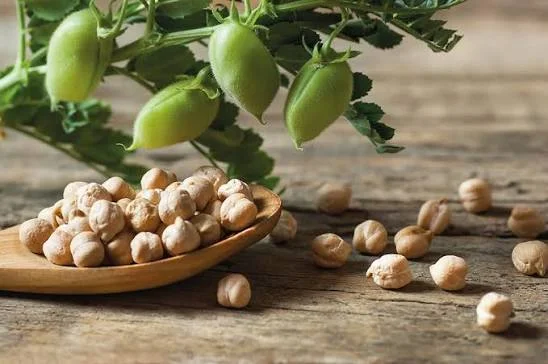
Chickpea (Cicer arietinum) is a nutritious legume grown for its edible seeds. It thrives in semi-arid areas and requires relatively low production inputs. Chickpea farming in Kenya is becoming more popular due to increasing market demand and the crop’s ability to tolerate dry conditions.
Importance of Chickpeas in Kenya
Chickpeas in Kenya contribute to food security and provide farmers with a reliable source of income. The crop grows well in several regions with moderate rainfall and well-drained soils. Chickpeas also improve soil fertility by fixing nitrogen, making them an excellent crop for rotation.
Nutritional and Economic Value
Chickpeas are rich in protein, dietary fibre, vitamins, and essential minerals. They are used in stews, salads, flour, and other food products, making them highly valued by consumers.
From an economic perspective, chickpea farming offers good profit potential due to its low input costs, long storage life, and strong demand in both local and export markets.
If you’re interested in expanding your pulse production, you can also read our article on Cowpea Farming in Kenya, which covers another profitable legume crop suited to Kenyan conditions. Cowpea Farming in Kenya
Ecological Requirements for Chickpeas
Temperature
Chickpeas grow best at temperatures between 15°C and 30°C. Temperatures below 10°C can slow growth, while prolonged temperatures above 35°C may reduce flowering and pod development. Moderate temperatures throughout the growing season promote high yields.
Rainfall
Chickpeas require 400–700 mm of well-distributed rainfall during the growing season. Excessive rainfall or waterlogging can increase the risk of diseases and reduce crop performance. In areas with low rainfall, supplementary irrigation may be necessary.
Altitude
In Kenya, chickpeas grow well at altitudes ranging from 800 to 2,000 metres above sea level. The crop performs best in areas with cool temperatures and good air circulation.
Soil Requirements
Chickpeas thrive in well-drained, fertile loam or sandy loam soils rich in organic matter. Good drainage is essential because the crop is highly sensitive to waterlogged conditions. Deep soils with good moisture-holding capacity support healthy root development.
Soil pH
The ideal soil pH for chickpea farming is 6.0–7.5. At this pH range, nutrients are readily available, supporting healthy growth and good yields. If the soil is too acidic, applying agricultural lime before planting can help improve soil conditions. Also, incorporating organic fertilisers such as Safi Sarvi Organic Biochar Fertiliser can help improve soil structure, enhance nutrient retention, and support healthy root development.
Varieties of Chickpeas Grown in Kenya
Desi Chickpeas
Desi chickpeas have small, dark-coloured seeds with a rough seed coat. They are hardy, drought-tolerant, and well suited to semi-arid regions. These varieties mature relatively early and are commonly used in flour production and traditional dishes.
Kabuli Chickpeas
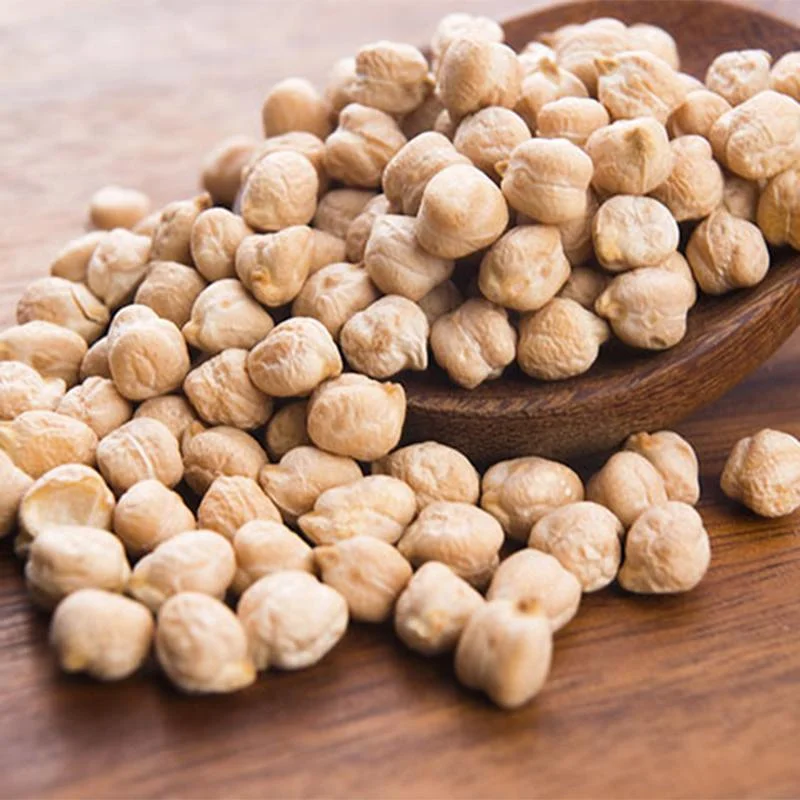
Kabuli chickpeas produce large, cream-coloured seeds with a smooth seed coat. They are preferred for fresh consumption, canning, salads, and export markets due to their attractive appearance and larger grain size. Kabuli varieties generally require better growing conditions than Desi types.
Factors to Consider When Selecting a Variety
Choose a variety that is well adapted to your local climate and soil conditions. Consider factors such as yield potential, maturity period, drought tolerance, disease resistance, and market demand. Selecting certified, high-quality seed also improves crop establishment and overall productivity.
Chickpea Land Preparation
Site Selection
Choose a site with well-drained, fertile soils and good sunlight exposure. Avoid fields that are prone to waterlogging, as chickpeas are sensitive to excess moisture. Land with a history of legume diseases should also be avoided.
Land Clearing
Clear the field of weeds, shrubs, crop residues, and other debris before cultivation. A clean field reduces pest and disease pressure and makes land preparation and planting easier.
Primary and Secondary Tillage
Carry out primary tillage by ploughing the land to loosen the soil and improve root penetration. Follow with secondary tillage to break up large soil clods and create a fine, level seedbed for uniform seed germination.
Soil Testing
Conduct a soil test before planting to determine the soil’s nutrient status and pH. The results help guide fertiliser and lime application, ensuring the crop receives the nutrients it needs for healthy growth.
Incorporation of Organic Manure
Apply well-decomposed organic manure during land preparation to improve soil structure, moisture retention, and nutrient availability. Incorporate the manure thoroughly into the soil at least two to three weeks before planting for the best results.
Chickpea Planting
Best Planting Season
Plant chickpeas at the beginning of the rainy season to ensure adequate moisture for germination and early growth. In Kenya, planting is commonly done during the long rains (March–May) or short rains (October–December), depending on the region.
Seed Selection
Use certified, high-quality seed from a reliable supplier. Select seeds that are clean, healthy, and free from pests, diseases, and physical damage to ensure good germination and vigorous crop establishment.
Seed Treatment
Treat seeds with a recommended fungicide or insecticide before planting to protect against seed- and soil-borne diseases and early pest attacks. Where available, inoculate seeds with the appropriate rhizobium inoculant to enhance nitrogen fixation and improve crop growth.
Planting Depth
Sow chickpea seeds at a depth of 5–8 cm. Planting at the correct depth promotes uniform germination and allows seedlings to establish strong root systems.
Spacing
Space plants 10–15 cm apart within the row and maintain 30–45 cm between rows. Proper spacing improves air circulation, reduces disease risk, and allows plants to access sufficient sunlight, water, and nutrients.
Seed Rate
A seed rate of 60–100 kg per hectare is generally recommended, depending on the variety, seed size, and planting method. Using the correct seed rate helps achieve the desired plant population and maximizes yield potential.
Chickpea Fertiliser and Nutrient Management
Importance of Soil Testing
Conduct a soil test before planting to determine nutrient levels and soil pH. Soil test results help farmers apply the right type and amount of fertiliser, improving crop growth while reducing unnecessary input costs.
Organic Manure Application
Apply 5–10 tonnes of well-decomposed farmyard manure per hectare during land preparation. Organic manure improves soil structure, increases water-holding capacity, and enhances soil fertility. Organic fertilisers such as Safi Sarvi Organic Biochar Fertiliser can also be used to improve soil health and support sustainable chickpea production.
Basal Fertiliser Application
Apply a phosphorus-rich basal fertiliser at planting, as chickpeas require adequate phosphorus for strong root development and effective nodulation. The exact fertiliser type and application rate should be based on soil test recommendations.
Top Dressing (If Required)
Chickpeas generally do not require nitrogen top dressing because they fix atmospheric nitrogen through root nodules. However, if nutrient deficiencies are identified through soil or tissue analysis, apply the recommended nutrients at the appropriate growth stage.
Micronutrient Requirements
Chickpeas benefit from micronutrients such as zinc, boron, molybdenum, and sulphur, especially in deficient soils. These nutrients support root growth, flowering, pod formation, and nitrogen fixation.
Role of Rhizobium Inoculation
Treat chickpea seeds with the appropriate rhizobium inoculant before planting to encourage effective nitrogen fixation. This improves plant growth, reduces the need for nitrogen fertilisers, and can increase grain yields, particularly in fields where chickpeas have not been grown before.
Chickpea Weed Management
Common Weeds
Common weeds affecting chickpea fields in Kenya include blackjack (Bidens pilosa), pigweed (Amaranthus spp.), couch grass (Cynodon dactylon), nutgrass (Cyperus rotundus), and goosegrass (Eleusine indica). These weeds compete with chickpeas for nutrients, water, sunlight, and space.
Manual Weeding
Hand weeding is an effective method, especially during the early stages of crop growth. Weed the field regularly, particularly within the first 4–8 weeks after planting, to reduce competition and promote healthy crop development.
Mechanical Weed Control
Mechanical weeding can be done using hoes or cultivators between rows. This method helps control weeds, improves soil aeration, and reduces reliance on herbicides.
Mulching
Applying organic mulch helps suppress weed growth, conserve soil moisture, and regulate soil temperature. As the mulch decomposes, it also adds organic matter and improves soil fertility.
Herbicide Use
Where weed pressure is high, use registered pre-emergence or post-emergence herbicides recommended for chickpea production. Always follow the manufacturer’s instructions regarding application rates, timing, and safety precautions to protect the crop and the environment.
Chickpea Crop Management
Thinning
Thin seedlings where plants are overcrowded to achieve the recommended spacing. This reduces competition for water, nutrients, and sunlight, allowing the remaining plants to grow vigorously.
Gap Filling
Inspect the field soon after germination and replace missing plants within 7–14 days of planting. Early gap filling helps maintain a uniform plant population and maximizes yield potential.
Crop Rotation
Rotate chickpeas with cereals such as maize, wheat, or sorghum to improve soil fertility and reduce the build-up of pests and diseases. Avoid planting chickpeas repeatedly on the same land, as this can increase disease pressure and lower yields.
Intercropping
Chickpeas can be intercropped with cereals or other compatible crops where appropriate. Proper crop spacing should be maintained to minimize competition and ensure each crop receives adequate sunlight, nutrients, and moisture.
Monitoring Crop Growth
Regularly inspect the crop for signs of nutrient deficiencies, moisture stress, pests, diseases, and weed infestation. Early detection and timely management of any problems help maintain healthy plants and improve productivity.
Chickpea Harvesting and Post-Harvest Handling
Signs of Maturity
Chickpeas are ready for harvest when the plants turn yellow or brown, the leaves dry and fall off, and the pods become dry and hard. The seeds should be firm and have reached their characteristic colour and size.
Harvesting Methods
Harvest chickpeas by uprooting or cutting the plants close to the ground using a sickle or other suitable tool. Harvest during dry weather to minimise seed damage and reduce the risk of mould development.
Drying
Dry the harvested plants or pods under the sun until the seed moisture content reaches about 10–12%. Proper drying improves storage quality and reduces the risk of fungal growth.
Threshing
Separate the seeds from the pods by beating the dried plants, trampling, or using a mechanical thresher. Handle the seeds carefully to minimise cracking and mechanical damage.
Cleaning
Clean the harvested seeds by removing chaff, stones, damaged seeds, and other foreign materials. Clean grain has better market value and stores for longer periods.
Grading
Grade chickpeas according to size, colour, cleanliness, and overall quality. Uniform, high-quality grains attract better prices in both local and export markets.
Storage
Store dried chickpeas in clean, dry, and well-ventilated stores using airtight bags or containers. Protect the grain from moisture, rodents, and storage pests to maintain quality.
Packaging
Package chickpeas in clean, durable bags or containers that protect the grain during storage and transport. Proper packaging helps preserve quality and makes handling easier.
Transportation
Transport chickpeas using clean, dry vehicles to prevent contamination and moisture damage. Handle bags carefully during loading and unloading to minimise grain losses and maintain quality.
Chickpea Marketing Opportunities
Local Markets
Chickpeas are sold in open-air markets, grocery stores, and retail shops across Kenya. Demand continues to grow as more consumers recognize their nutritional value and versatility.
Supermarkets
Many supermarkets stock packaged chickpeas and chickpea flour. Farmers can increase their earnings by supplying high-quality, well-packaged produce that meets market standards.
Food Processors
Food processing companies use chickpeas to produce flour, snacks, canned products, and other value-added foods. Supplying processors can provide farmers with a stable and reliable market.
Export Markets
Kenyan chickpeas have export potential, particularly in countries with high demand for pulses. Producing high-quality grain that meets international standards can help farmers access premium export markets.
Value Addition
Farmers can increase profits by processing chickpeas into flour, roasted snacks, canned chickpeas, or blended food products. Value addition extends shelf life and creates access to more profitable markets.
Conclusion
In conclusion, chickpea farming is a profitable enterprise that thrives with proper land preparation, quality seed, balanced fertilisation, effective weed management, and timely harvesting.
Good crop management and appropriate nutrient application help improve yields, while the growing demand in local and export markets offers excellent opportunities for farmers to increase their income and contribute to food security in Kenya.

