
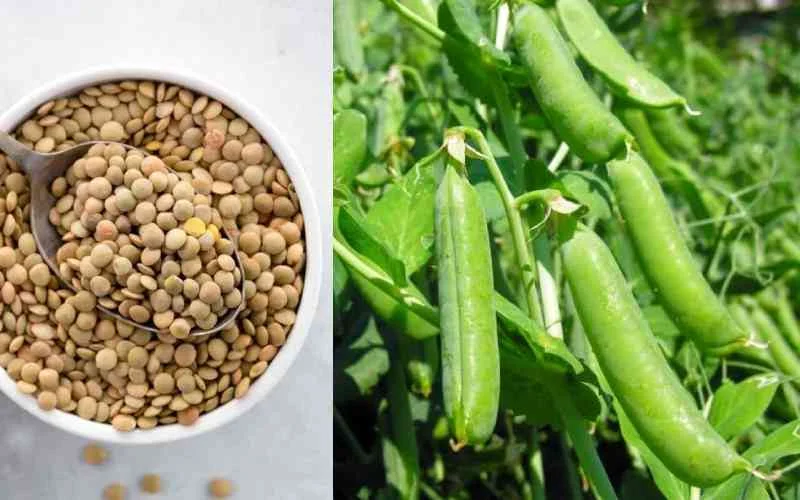
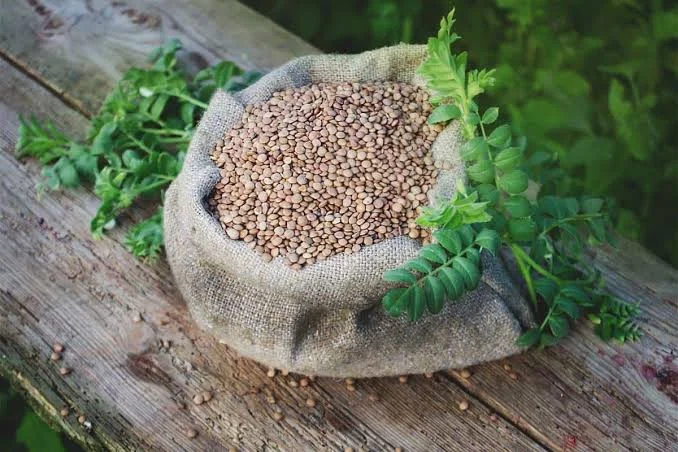
Lentils (Lens culinaris) are nutritious legumes grown for their edible seeds. They are rich in protein, dietary fibre, iron, folate, and other essential nutrients, making them a valuable food crop for households and the food industry.
Lentil farming in Kenya is gaining attention as farmers look for alternative, climate-smart crops with good market potential. The crop can also improve soil fertility by fixing nitrogen, making it suitable for crop rotation.
The demand for lentils continues to grow due to increasing interest in healthy, plant-based foods. With proper agronomic practices and balanced fertilisation, farmers can produce quality lentils for local markets and value-added processing.
Looking to grow more legume crops? You can also read our article on Green Gram Farming in Kenya to learn about recommended farming practices, soil fertility management, and how Safi Sarvi fertilisers can help improve crop growth and yields.
Ecological Requirements
Climate
Lentils grow best in cool, dry climates with moderate rainfall. Dry weather during flowering and maturity helps improve seed quality and reduces harvest losses.
Temperature
The optimum temperature for lentil growth is 18°C to 24°C. Extremely high temperatures during flowering and pod filling can reduce yields.
Rainfall
Lentils require about 300–500 mm of well-distributed rainfall during the growing season. Excessive rainfall or prolonged waterlogging can negatively affect crop growth.
Altitude
In Kenya, lentils are best suited to highland and upper midland areas at elevations of approximately 1,500–2,500 metres above sea level, where temperatures are relatively cool.
Soil Requirements
Lentils grow well in well-drained sandy loam to loam soils rich in organic matter. The ideal soil pH is 6.0–7.5. Avoid heavy clay soils that retain excess moisture.
Suitable Growing Regions in Kenya
Lentils can be grown in cool, well-drained areas such as Nakuru, Nyandarua, Laikipia, Uasin Gishu, Trans Nzoia, Elgeyo Marakwet, Nandi, Nyeri, Meru, and parts of Embu and Kirinyaga, where climatic conditions are favourable for production.
Land Preparation and Planting
Land Preparation
Prepare the land by clearing weeds and crop residues, then plough and harrow to produce a fine, firm seedbed. A well-prepared seedbed promotes uniform germination and early crop establishment.
Soil Testing
Conduct a soil test before planting to determine soil pH and nutrient levels. The results help farmers choose the fertiliser and correct any nutrient deficiencies.
Seed Selection
Use certified, high-quality seeds with high germination rates. Select varieties that are suited to your growing conditions and market requirements.
Best Planting Season
Plant lentils at the onset of the rainy season to ensure adequate moisture for germination and early growth. In many parts of Kenya, planting is done during the March–May or October–December rainy seasons, depending on the region.
Planting Method
Lentils are planted directly in the field by drilling seeds in rows or sowing them in shallow furrows before covering them lightly with soil.
Spacing
Maintain a spacing of 30–45 cm between rows and 5–10 cm between plants to promote good plant growth and allow easy field management.
Planting Depth
Sow seeds at a depth of 2.5–4 cm. Planting too deep may delay emergence, while shallow planting can reduce germination.
Seed Rate
A seed rate of 30–60 kg per hectare is generally recommended, depending on the variety, seed size, and target plant population.
Fertiliser and Nutrient Management
Importance of Soil Testing
Carry out a soil test before planting to determine soil pH and nutrient levels. This helps farmers apply the right type and amount of fertiliser for optimum crop growth.
Organic Manure
Apply well-decomposed farmyard manure or compost during land preparation to improve soil structure, increase organic matter, and enhance moisture retention.
Basal Fertiliser Application
Apply a phosphorus-rich basal fertiliser at planting to encourage early root development and vigorous plant establishment. The fertiliser should be applied according to soil test recommendations.
Phosphorus Requirements
Lentils require adequate phosphorus for root growth, flowering, and pod formation. Where soil phosphorus is low, apply the recommended amount based on soil analysis.
Potassium Requirements
Potassium supports overall plant health, water regulation, and seed development. Apply potassium where soil tests indicate a deficiency.
Micronutrients
Micronutrients such as zinc, sulphur, and boron may be required in deficient soils. Their application should be guided by soil test results.
Importance of Balanced Fertilisation with Safi Sarvi Fertilisers
Balanced crop nutrition promotes healthy plant growth, better flowering, and improved yields. Safi Sarvi fertilisers help supply essential nutrients while improving soil health, supporting sustainable lentil production.
Irrigation and Water Management
Water Requirements
Lentils require moderate amounts of water and perform well where soil moisture is adequate throughout the growing season. Supplemental irrigation may be necessary during prolonged dry periods.
Critical Growth Stages
Adequate moisture is most important during germination, flowering, and pod filling. Water stress at these stages can reduce plant growth and grain yield.
Irrigation Methods
Where irrigation is available, methods such as drip or sprinkler irrigation can be used to provide water efficiently while minimising losses.
Moisture Conservation
Conserve soil moisture by applying organic mulch, controlling weeds, and incorporating organic matter into the soil. These practices also improve soil structure and reduce evaporation.
Avoiding Waterlogging
Lentils do not tolerate waterlogged conditions. Plant in well-drained soils and ensure proper field drainage to prevent root damage and poor crop performance.
Crop Management Practices
Weed Control
Control weeds early to reduce competition for water, nutrients, and sunlight. Hand weeding or shallow cultivation is recommended, especially during the early growth stages.
Gap Filling
Inspect the field soon after germination and replace missing plants where necessary to achieve a uniform plant population.
Crop Rotation
Rotate lentils with cereals such as maize or wheat to improve soil fertility and reduce the build-up of soil-borne pests and diseases.
Intercropping
Lentils can be intercropped with compatible crops where appropriate, provided there is adequate spacing to minimise competition for light, water, and nutrients.
Field Monitoring
Regularly inspect the crop throughout the growing season to assess plant growth and identify any production challenges early.
Field Sanitation
Keep the field free of weeds, volunteer plants, and crop residues that may affect crop growth. Good field sanitation promotes a healthier growing environment and supports better yields.
Flowering and Pod Development
Growth Stages
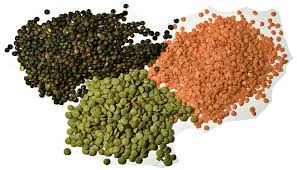
Lentils progress through germination, vegetative growth, flowering, pod development, and maturity. Proper crop management at each stage supports healthy plant growth and good yields.
Flowering
Flowering begins several weeks after planting, depending on the variety and growing conditions. Adequate moisture and balanced nutrition during this stage encourage better flower production.
Pod Development
After successful pollination, flowers develop into pods containing one or two seeds. Consistent moisture and nutrient availability support proper pod filling and seed development.
Factors Influencing Pod Formation
Pod formation is influenced by moisture availability, temperature, soil fertility, and overall crop management. Reducing stress during flowering and pod filling helps improve grain yield.
Harvesting Lentils
Signs of Maturity
Lentils are ready for harvest when most pods turn brown, the leaves dry and fall off, and the seeds become hard with their characteristic colour.
Harvesting Methods
Harvest the crop by cutting or uprooting the plants when they reach maturity. Allow the plants to dry before threshing to make seed separation easier and reduce damage.
Reducing Harvest Losses
Harvest promptly once the crop is mature to minimise pod shattering and seed loss. Handle the crop carefully during harvesting, drying, and threshing to maintain grain quality.
Post-Harvest Handling
Drying
Dry harvested lentil plants or seeds thoroughly until they reach a safe moisture level for storage. Proper drying helps prevent mould growth and spoilage.
Threshing
Thresh the dried plants carefully to separate the seeds from the pods while minimising seed damage.
Cleaning and Grading
Remove chaff, stones, damaged seeds, and other foreign materials. Grade the lentils according to size and quality to improve their market value.
Storage
Store clean, dry lentils in airtight bags or clean storage containers in a cool, dry, and well-ventilated place. Protect the grain from moisture and storage pests.
Transportation
Transport lentils in clean, dry bags and handle them carefully to prevent contamination, seed damage, and moisture exposure during transit.
Marketing Opportunities
Local Markets
Lentils can be sold in local open-air markets, retail shops, supermarkets, and directly to consumers, where demand for nutritious legumes continues to grow.
Food Processors
Food processing companies purchase lentils for use in packaged foods, flour, soups, and other value-added products, providing farmers with an additional market.
Export Opportunities
High-quality lentils may access export markets where they meet the required quality standards and buyer specifications.
Value Addition
Farmers can increase returns by cleaning, grading, packaging, or processing lentils into products such as flour, improving their market appeal and profitability.
Conclusion
In conclusion, lentil farming has good potential in Kenya when farmers adopt proper agronomic practices, including timely planting, effective crop management, and balanced fertilisation. With the right approach and quality inputs such as Safi Sarvi fertilisers, farmers can improve soil health, achieve higher yields, and produce quality lentils for profitable local and export markets.

