
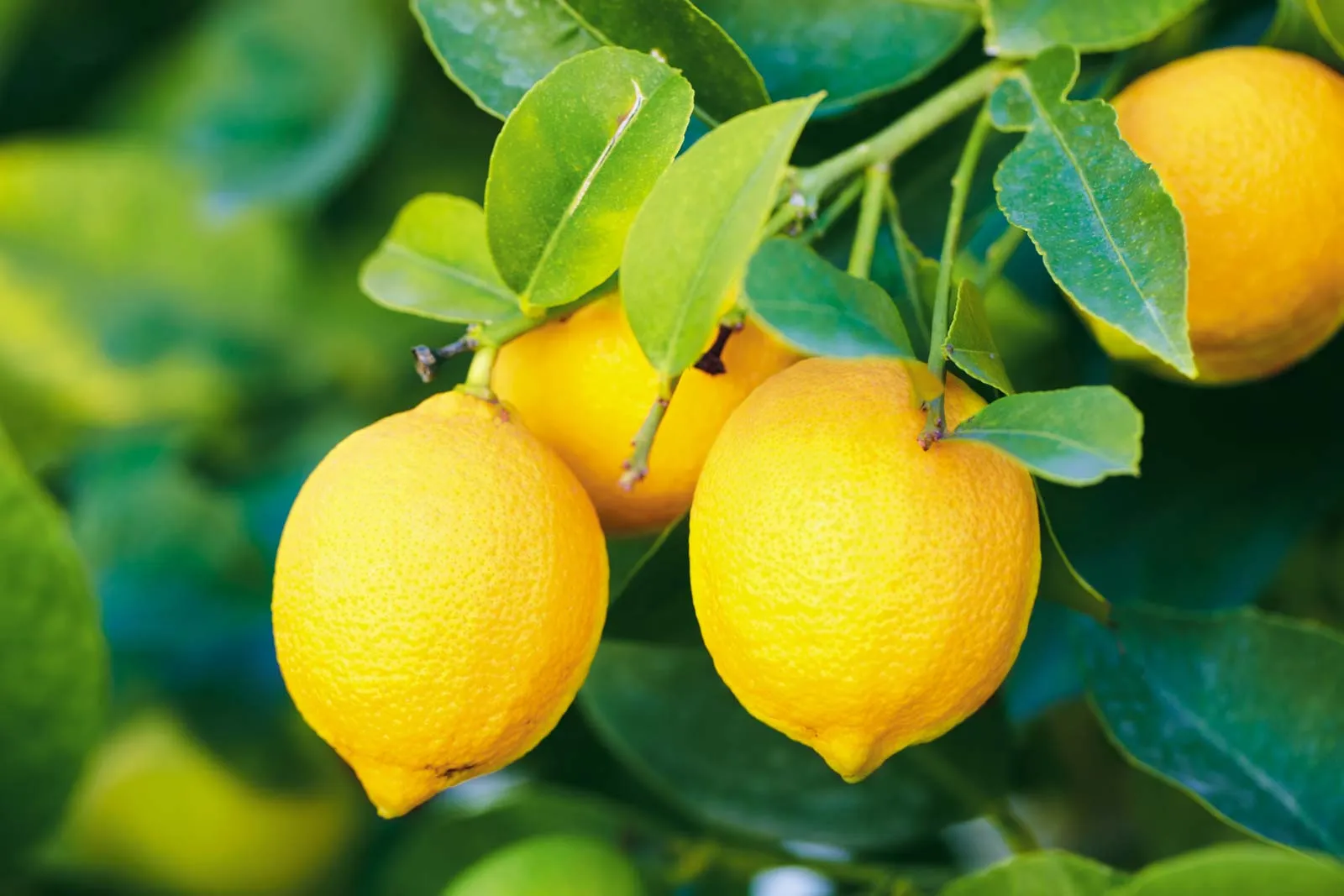
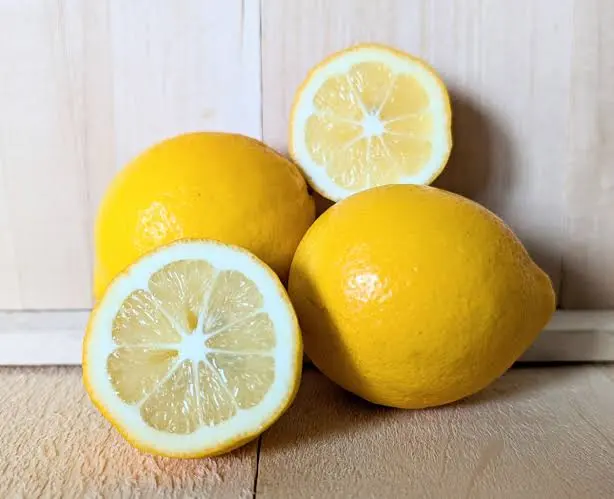
Lemon farming in Kenya is gaining popularity as farmers seek profitable fruit crops with strong market demand. The crop is grown in many parts of the country, particularly in areas with warm temperatures, well-drained soils, and adequate rainfall or irrigation. With proper orchard management, lemon trees can remain productive for many years, providing farmers with a reliable source of income.
Lemons are widely used in households, hotels, restaurants, juice processing, and the food and beverage industry. Their demand continues to grow due to their culinary, medicinal, and industrial uses, creating opportunities in both local and export markets.
As a perennial crop, lemons can generate consistent returns once the trees reach maturity. Farmers who adopt good agricultural practices, including proper land preparation, irrigation, pest and disease management, and apply organic fertilizer, can achieve high yields and produce quality fruits that meet market standards.
If you’re interested in growing other fruit crops, you can also read our guide on Mango Farming in Kenya for practical tips on cultivation, crop management, and improving fruit yields.
Ecological Requirements for Lemon Farming
Lemon trees thrive under warm climatic conditions and perform best in areas with well-distributed rainfall or access to irrigation. Providing the right growing conditions promotes healthy tree growth, improves flowering, and increases fruit yield and quality.
Climate
Lemons grow best in tropical and subtropical regions with warm, sunny conditions year-round. They require plenty of sunlight, ideally 6–8 hours daily, for optimal flowering and fruit development. Although the trees can tolerate short dry periods, prolonged drought or waterlogging can reduce productivity.
Temperature
The optimum temperature for lemon farming ranges between 20°C and 30°C. Temperatures below 13°C can slow tree growth and fruit development, while prolonged temperatures above 38°C may cause heat stress, flower drop, and sunburn on fruits.
Rainfall
Lemon trees require an annual rainfall of 900–1,200 mm, preferably well distributed throughout the growing season. In areas with inadequate or unreliable rainfall, supplementary irrigation is essential, particularly during flowering and fruit development.
Soil Requirements and pH
Lemons grow well in deep, fertile, well-drained loamy or sandy loam soils rich in organic matter. Poorly drained or waterlogged soils increase the risk of root diseases and should be avoided. The recommended soil pH is between 5.5 and 6.5, although the trees can tolerate slightly acidic to neutral soils. This can be achieved by adding Safi Sarvi fertiliser.
Altitude
In Kenya, lemon farming performs well at altitudes of 0–2,000 metres above sea level, depending on the variety and local climatic conditions. However, the best yields are generally obtained in warm, low- to mid-altitude regions where frost is absent.
Popular Lemon Varieties Grown in Kenya
Several lemon varieties are grown in Kenya, each with unique characteristics that make it suitable for different climatic conditions, market preferences, and farming objectives. Choosing the right variety is essential for achieving high yields and producing quality fruits.
Eureka
Eureka is one of the most widely grown lemon varieties due to its high fruit production and year-round harvesting. It produces medium to large fruits with a bright yellow colour, smooth skin, and high juice content. The variety is mainly grown for the fresh market and juice processing.
Lisbon
Lisbon is a vigorous and productive variety that is more tolerant to cold and windy conditions than Eureka. It produces high-quality fruits with thick skins, high acidity, and excellent juice content. The trees are thornier and have dense foliage, which helps protect the fruits from sunburn.
Meyer Lemon
Meyer Lemon is believed to be a natural hybrid between a lemon and a mandarin orange. It produces smaller, rounder fruits with thin, smooth skin and a sweeter, less acidic flavour than traditional lemons. The variety is popular for home gardens, fresh consumption, and culinary use.
Factors to Consider When Choosing a Lemon Variety
When selecting a lemon variety, farmers should consider:
- Climatic conditions and adaptability to the growing area.
- Market demand for the preferred fruit size, colour, and taste.
- Resistance or tolerance to common pests and diseases.
- Yield potential and fruit quality.
- Availability of certified, disease-free seedlings from reputable nurseries.
Land Preparation and Lemon Planting
Proper land preparation and correct planting practices provide a strong foundation for healthy lemon trees. Preparing the site well before planting promotes root establishment, improves nutrient uptake, and supports long-term productivity.
Site Selection
Choose a site with well-drained, fertile soils that receive full sunlight throughout the day. Avoid areas prone to flooding, waterlogging, or frost, as these conditions can reduce tree growth and increase the risk of diseases. A gentle slope is ideal as it promotes good drainage.
Land Preparation
Clear the land of bushes, weeds, tree stumps, and other debris before planting. Plough and harrow the field to loosen the soil and improve aeration. Conduct a soil test before planting to determine the soil’s nutrient status and pH, allowing for appropriate soil amendments where necessary.
Planting Holes
Dig planting holes measuring approximately 60 cm × 60 cm × 60 cm several weeks before planting. Mix the topsoil with well-decomposed organic manure before returning part of the mixture into the hole. This improves soil fertility and encourages healthy root development.
Seedling Selection
Use healthy, certified, disease-free seedlings obtained from reputable nurseries. Select vigorous grafted seedlings with a well-developed root system, healthy green leaves, and no signs of pests, diseases, or physical damage.
Spacing and Planting
Lemon trees are commonly spaced at 6 m × 6 m, although spacing may vary depending on the variety and management system. Plant at the onset of the rainy season or under irrigation. Place the seedling upright in the planting hole, ensuring the graft union remains above the soil surface. Fill the hole with soil, firm it gently around the roots, water thoroughly, and apply mulch to conserve soil moisture and suppress weed growth.
Crop Management Practices for Lemon Farming
Proper crop management is essential for maintaining healthy lemon trees, improving fruit quality, and maximising yields. Regular orchard maintenance also helps reduce pest and disease incidence while promoting vigorous tree growth.
Irrigation
Lemon trees require adequate moisture, especially during establishment, flowering, and fruit development. Where rainfall is insufficient, irrigate regularly to maintain consistent soil moisture. Avoid overwatering, as waterlogged soils can encourage root diseases.
Weed Control
Weeds compete with lemon trees for water, nutrients, and sunlight. Keep the orchard weed-free through regular manual weeding, slashing, or shallow cultivation. Herbicides may be used where appropriate, following the manufacturer’s recommendations.
Mulching
Apply organic mulch such as dry grass, leaves, or crop residues around the base of the trees while leaving a small gap around the trunk. Mulching helps conserve soil moisture, suppress weeds, regulate soil temperature, and improve soil organic matter as it decomposes.
Pruning
Prune lemon trees regularly to remove dead, diseased, damaged, or crossing branches. Proper pruning improves air circulation, enhances light penetration, encourages healthy growth, and makes pest and disease management easier.
Intercropping
Young lemon orchards can be intercropped with short-duration crops such as beans, cowpeas, groundnuts, or vegetables before the tree canopy fully develops. Avoid crops that compete heavily for water and nutrients or those that may harbour pests and diseases affecting citrus trees.
Fertiliser Requirements for Lemon Farming
Proper nutrient management is essential for healthy tree growth, vigorous flowering, quality fruit development, and high yields. Fertiliser application should be based on the tree’s growth stage and soil nutrient status.
Soil Testing
Conduct a soil test before establishing a lemon orchard and periodically thereafter. Soil testing helps determine soil pH, nutrient deficiencies, and fertiliser requirements, enabling farmers to apply the right nutrients in the correct amounts.
Organic Manure
Incorporate well-decomposed farmyard manure or compost during land preparation and around established trees. Organic manure improves soil structure, increases water-holding capacity, enhances microbial activity, and supplies essential nutrients.
Nutrient Requirements at Different Growth Stages
Young lemon trees require adequate phosphorus to promote strong root development and balanced amounts of nitrogen for vegetative growth.
As the trees mature, nutrient demand increases, particularly for nitrogen, phosphorus, and potassium to support flowering, fruit set, fruit development, and overall tree health. Micronutrients such as zinc, boron, magnesium, and calcium are also important for optimum growth and fruit quality.
Safi Sarvi Premium Planting Fertiliser
Apply Safi Sarvi Premium Planting Fertiliser during planting to encourage strong root establishment and vigorous early growth. Its biochar-based formulation improves nutrient retention, enhances soil fertility, and supports beneficial soil microorganisms.
Safi Sarvi Premium Topper Fertiliser
Use Safi Sarvi Premium Topper Fertiliser during the vegetative growth, flowering, and fruit development stages to supply essential nutrients required for healthy tree growth, improved flowering, better fruit set, and higher yields.
Safi Foliar Fertiliser
Apply Safi Foliar Fertiliser as a foliar spray during active growth to provide readily available nutrients that enhance plant health, improve stress tolerance, and support fruit development. Always follow the recommended application rates and intervals for the best results.
Harvesting and Post-Harvest Handling of Lemon
Proper harvesting and post-harvest handling help maintain fruit quality, reduce losses, and increase the market value of lemons. Careful handling throughout the process ensures the fruits reach consumers in good condition.
Signs of Maturity
Lemons are ready for harvesting when they attain their characteristic size, develop a yellow to yellow-green colour depending on the variety, and have firm, juicy flesh. Mature fruits also have a smooth appearance and sufficient juice content.
Harvesting Methods
Harvest lemons by hand or using clean pruning shears to avoid damaging the fruits or branches. Gently twist or clip the fruit with a short stalk attached, taking care not to bruise or puncture the peel. Harvesting should preferably be done during the cool hours of the day.
Grading
Sort harvested lemons according to size, colour, maturity, and overall quality. Remove damaged, diseased, cracked, or undersized fruits before packaging to ensure uniformity and meet market requirements.
Storage and Transportation
Store lemons in a cool, dry, and well-ventilated place to maintain freshness and extend shelf life. Pack the fruits in clean, ventilated crates or cartons to minimise bruising during transport. Handle the fruits carefully and transport them promptly to the market or processing facilities to preserve their quality.
Marketing Opportunities for Lemon
The demand for lemons continues to grow due to their wide range of uses in households, the food industry, hospitality, and healthcare. Farmers can increase their income by targeting different market channels and exploring value addition opportunities.
Local Markets
Fresh lemons can be sold through open-air markets, supermarkets, grocery stores, hotels, restaurants, juice vendors, and fresh produce retailers. Consistent production of high-quality fruits helps farmers secure reliable buyers and better prices.
Value Addition
Value addition enables farmers to earn higher returns by processing lemons into products such as fresh juice, lemon concentrate, essential oils, marmalade, dried lemon slices, and lemon-based beverages. Proper packaging and branding can further increase the products’ market value.
Export Market
Kenyan lemons have potential in regional and international markets where demand for quality citrus fruits continues to grow. Farmers targeting export markets should produce uniform, high-quality fruits and comply with the required quality, grading, packaging, and phytosanitary standards.
Conclusion
In conclusion, lemon farming in Kenya is a profitable venture for farmers who adopt the right production practices. Success begins with selecting suitable varieties, growing the crop under the recommended ecological conditions, and implementing proper land preparation, planting, irrigation, pruning, pest and disease management, and timely harvesting practices.
Maintaining a healthy orchard through regular monitoring and balanced fertilisation is equally important for achieving high yields and producing quality fruits that meet market standards. Using appropriate fertilisers can help improve soil health, support vigorous tree growth, and enhance fruit production. By following these best practices, farmers can establish productive lemon orchards and maximise their returns.


