
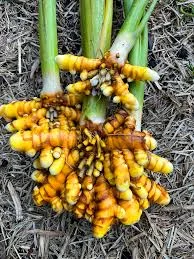
Turmeric farming in Kenya is becoming increasingly popular due to the crop’s high nutritional, medicinal, and economic value.
Turmeric (Curcuma longa) is mainly grown for its rhizomes, which are widely used in food, herbal medicine, cosmetics, and health supplements. Its ability to thrive in warm climates and well-drained soils makes it suitable for many regions in Kenya.
The growing demand for natural spices and herbal products in both local and export markets has created profitable opportunities for farmers. Turmeric is valued for its antioxidant and anti-inflammatory properties, making it highly sought after in modern wellness and traditional medicine industries.
To achieve high yields and quality rhizomes, farmers must provide proper nutrition throughout the crop’s growth stages. Turmeric is a heavy feeder that requires balanced nutrients for healthy growth, strong roots, and improved rhizome development. Poor soil fertility can lead to weak plants and low yields.
Understanding Turmeric Nutrient Requirements
Turmeric requires a balanced supply of fertilizer nutrients to support healthy vegetative growth, root development, and rhizome formation. Proper nutrient management improves plant vigor, disease resistance, and overall yield.
Macronutrients Needed for Healthy Turmeric Growth
Nitrogen (N) for Leafy Growth
Nitrogen promotes healthy green leaves and vigorous plant growth. Deficiency can cause yellowing leaves and stunted growth.
Phosphorus (P) for Root and Rhizome Development
Phosphorus supports root establishment and healthy rhizome formation. Low phosphorus levels may result in weak roots and poor rhizome development.
Potassium (K) for Disease Resistance and Rhizome Quality
Potassium improves plant strength, water regulation, and disease resistance while enhancing rhizome size and quality.
Secondary Nutrients and Micronutrients
Calcium
Supports strong root growth and improves nutrient uptake.
Magnesium
Essential for chlorophyll formation and healthy photosynthesis.
Sulfur
Helps in protein formation and improves turmeric quality.
Zinc
Supports healthy shoot growth and enzyme activity.
Boron
Important for root growth and rhizome development.
Iron
Aids chlorophyll production and maintains healthy green leaves.
Common Nutrient Deficiencies in Turmeric Farming
Nutrient deficiencies in turmeric can greatly reduce plant growth, rhizome quality, and overall yield. Since turmeric is a nutrient-demanding crop, farmers must monitor their fields regularly and provide balanced nutrition for healthy crop development.
Nitrogen Deficiency in Turmeric
Nitrogen deficiency is one of the most common problems in turmeric farming. Affected plants develop pale green or yellow leaves, especially on older foliage. Growth becomes slow and weak, leading to reduced leaf formation and smaller rhizomes. Severe nitrogen deficiency can significantly lower yields and reduce crop quality.
Phosphorus Deficiency
Turmeric plants lacking phosphorus often develop weak root systems and poor rhizome formation. The plants may appear stunted and mature slowly compared to healthy crops. Since phosphorus is important for energy transfer and root growth, a deficiency can greatly affect the plant’s ability to absorb nutrients and water efficiently.
Potassium Deficiency
Potassium deficiency causes leaf edges to dry, scorch, or turn brown. Plants may also become more vulnerable to pests, diseases, and drought stress. In turmeric farming, inadequate potassium results in poor rhizome size, reduced quality, and lower market value.
Calcium and Magnesium Deficiencies
Calcium deficiency can lead to poor root growth and weak plant structures, while magnesium deficiency often causes yellowing between leaf veins. In severe cases, leaves may curl, and plants become less vigorous. These deficiencies reduce nutrient uptake efficiency and negatively affect overall crop performance.
Micronutrient Deficiencies
Although required in smaller amounts, micronutrients are essential for healthy turmeric growth and quality production.
Zinc Deficiency
Zinc deficiency may cause stunted growth, smaller leaves, and poor shoot development. Plants become weak and less productive.
Iron Deficiency
Iron deficiency mainly appears as yellowing of young leaves while the veins remain green. This reduces photosynthesis and weakens plant growth.
Boron Deficiency
Boron deficiency affects root and rhizome development, leading to poor crop quality and reduced yields. In severe cases, plants may develop deformities and weak growth.
Proper use of balanced organic fertilizers helps prevent nutrient deficiencies while improving soil fertility and supporting healthy turmeric production.
Factors to Consider When Choosing the Best Fertilizer for Turmeric
Selecting the right fertilizer is essential for achieving healthy turmeric growth, high yields, and quality rhizomes. Farmers should consider several soil and crop factors before choosing a fertilizer program.
Soil Fertility Levels
Understanding soil fertility is important in determining the nutrients required by the crop. Turmeric performs best in fertile soils rich in organic matter and essential nutrients. Conducting soil testing before planting helps farmers identify nutrient deficiencies and choose the most suitable fertilizer for balanced crop nutrition.
Soil pH and Organic Matter
Turmeric grows well in slightly acidic to neutral soils with good organic matter content. Healthy soils improve nutrient availability and support strong root and rhizome development. Adding organic materials helps maintain soil fertility while improving overall soil health.
Moisture Retention and Soil Structure
Turmeric requires adequate moisture throughout its growth cycle. Soils with good structure and water-holding capacity support healthy plant growth and rhizome formation. Organic inputs help improve soil aeration, drainage, and moisture retention, especially in areas prone to dry conditions.
Long-Term Soil Fertility
Farmers should choose fertilizers that not only feed the crop but also improve soil fertility over time. Sustainable fertilization practices help maintain soil productivity, reduce environmental degradation, and support long-term agricultural success.
Organic vs Chemical Fertilizers in Turmeric Farming
Choosing between organic and chemical fertilizers can greatly affect turmeric productivity, soil health, and sustainability. Many farmers are now shifting toward organic farming methods due to the long-term benefits they provide.
Benefits of Organic Fertilizers
Organic fertilizers improve soil structure by increasing organic matter and supporting healthy microbial activity. They also enhance moisture retention, making nutrients available to plants over a longer period. In turmeric farming, organic fertilizers promote healthier rhizomes, improve soil fertility naturally, and support sustainable agricultural practices.
Challenges of Excessive Chemical Fertilizer Use
Overreliance on chemical fertilizers can lead to soil acidity, nutrient imbalance, and declining soil fertility. Continuous use may also reduce beneficial microbial activity, weaken soil structure, and increase production costs over time. In some cases, excessive chemical application can lower crop quality and negatively affect environmental sustainability.
Why More Farmers Are Switching to Organic Fertilizer
Consumers are increasingly demanding safe, naturally grown produce, encouraging farmers to adopt organic farming methods. Organic fertilizers help improve long-term soil productivity while supporting environmentally friendly farming practices. Farmers who use organic fertilizers often achieve healthier soils, stronger crops, and more sustainable production systems.
Why Safi Topper Fertilizer Is the Best Fertilizer for Turmeric Farming
What Is Safi Topper Fertilizer?
Safi Topper is an organic fertilizer specially formulated to improve soil fertility and support healthy crop growth naturally. It contains essential plant nutrients and organic matter that help improve soil structure, increase microbial activity, and enhance nutrient availability. Its balanced nutrient composition makes it highly suitable for turmeric farming, where healthy soil and steady nutrient supply are critical for quality rhizome production.
Unlike synthetic fertilizers that may degrade soil over time, Safi Topper improves long-term soil productivity while promoting sustainable farming practices. Its organic composition allows nutrients to be released gradually, ensuring continuous feeding throughout the crop cycle.
Benefits of Safi Topper Fertilizer in Turmeric Farming
Promotes Strong Root and Rhizome Development
Turmeric requires strong underground growth for maximum rhizome production. Safi Topper supplies essential nutrients that support healthy root establishment and larger rhizome formation.
Improves Soil Fertility Naturally
The organic matter in Safi Topper enriches the soil by improving nutrient availability and enhancing soil microbial activity. This creates a healthier growing environment for turmeric plants.
Enhances Nutrient Uptake
Healthy soils supported by organic fertilizers allow turmeric plants to absorb nutrients more efficiently. This improves plant vigor, leaf growth, and overall productivity.
Increases Water Retention
Safi Topper helps improve soil structure and moisture-holding capacity, which is important for turmeric since the crop requires consistent moisture for healthy growth and rhizome development.
Boosts Plant Immunity and Disease Resistance
Balanced nutrition helps turmeric plants become stronger and more resistant to pests, diseases, and environmental stress. Healthy plants are more productive and produce higher-quality rhizomes.
Encourages Sustainable Farming
Using organic fertilizers supports environmentally friendly farming by reducing soil degradation and improving long-term soil health. This helps farmers maintain productivity season after season.
How Safi Topper Supports Healthy Turmeric Growth Throughout the Season
Early Growth Stage
During early growth, Safi Topper supports root establishment and healthy sprouting. The nutrients encourage strong plant development and vigorous early growth.
Vegetative Stage
At the vegetative stage, turmeric plants require nutrients for leaf and stem development. Safi Topper promotes healthy foliage growth, which supports efficient photosynthesis and energy production.
Rhizome Bulking Stage
During rhizome formation, the fertilizer supplies nutrients needed for rhizome enlargement, quality improvement, and higher yields. Continuous nutrient release helps maintain healthy crop development until harvest.
How to Apply Safi Topper Fertilizer in Turmeric Farming
During Land Preparation
Apply Safi Topper during land preparation and mix it thoroughly with the soil before planting. This improves soil fertility and creates a favorable environment for root development.
At Planting
Place the fertilizer in planting holes or rows before planting turmeric rhizomes. Proper placement ensures young plants have access to nutrients early for strong establishment.
Top Dressing Schedule
Additional fertilizer can be applied during active growth stages to maintain nutrient supply throughout the season. Top dressing is especially beneficial during vegetative growth and rhizome bulking stages.
Recommended Application Rates
Application rates may vary depending on soil fertility levels and field conditions. Farmers are encouraged to follow manufacturer recommendations or soil test results for the best outcomes.
Best Practices for Maximum Results
- Conduct soil testing before planting
- Maintain proper soil moisture
- Apply mulch to conserve water and improve soil health
- Combine fertilizer use with proper weed and pest management
- Avoid excessive fertilizer application to maintain balanced nutrition
Using Safi Topper consistently helps farmers achieve healthier turmeric plants, improved rhizome quality, and sustainable long-term productivity.