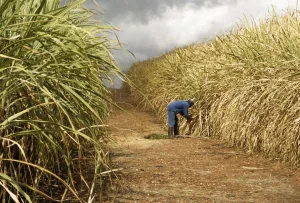


Soil fertility in Kenya’s smallholder farms is a critical factor for agricultural productivity and livelihoods. Many farms face nutrient depletion due to continuous cropping, limited use of fertilisers, and poor soil management practices.
Declining soil health leads to reduced yields, lower income, and increased vulnerability to pests, diseases, and drought.
Addressing these challenges is essential for sustaining smallholder agriculture and food production.
Importance of Nutrient Cycling in Sustainable Agriculture
Nutrient cycling is a natural process that returns essential nutrients, such as nitrogen, phosphorus, and potassium, back to the soil.
It helps maintain soil fertility, improves soil structure, and supports healthy crop growth.
Efficient nutrient recycling reduces reliance on external chemical inputs, lowering production costs and promoting environmentally friendly farming practices. Organic fertilisers play an essential role in nutrient cycling by supplying nutrients slowly and steadily.
They enhance soil organic matter, stimulate beneficial microorganisms, and improve nutrient availability over time.
The use of organic fertilisers like Safi Sarvi fertiliser therefore strengthens sustainable agriculture by supporting long-term soil health and productivity.
Relevance to Food Security and Rural Livelihoods
Healthy soils are directly linked to higher crop yields and stable farm incomes for smallholder households. In addition, improved soil fertility ensures a reliable food supply for families, local communities, and markets.
Maintaining soil health also contributes to national food security by supporting consistent agricultural production, increasing resilience against climate variability, and enhancing rural livelihoods.
Understanding Soil Fertility
Soil fertility refers to the ability of soil to provide essential nutrients to plants in adequate amounts.
It involves three main components: physical properties like texture and structure, chemical properties such as nutrient content and pH, and biological aspects including microbial activity.
Balanced nutrients, good soil structure, and healthy microbial populations are crucial for optimal crop growth and yield.
Soil Fertility Status in Kenyan Smallholder Farms
Many smallholder farms in Kenya experience declining soil fertility due to continuous cropping and limited nutrient replenishment.
Soils are often depleted of key nutrients such as nitrogen, phosphorus, and potassium, leading to poor plant growth. Other challenges include soil compaction, erosion, and organic matter loss, which further reduce productivity over time.
Effects of Low Soil Fertility on Crop Production
Low soil fertility results in stunted plant growth, smaller leaves, poor root development, and reduced yields.
Crops grown on degraded soils are more vulnerable to pests, diseases, and drought stress.
Ultimately, soil degradation increases production risks and lowers smallholder incomes, threatening food security and income.
Nutrient Cycling in Agricultural Soils
Crops absorb essential nutrients such as nitrogen, phosphorus, potassium, calcium, and magnesium from the soil to support growth and development.
These nutrients are incorporated into various plant parts, including leaves, stems, roots, and fruits.
When farmers harvest crops, especially high-yielding varieties, a significant portion of these nutrients is removed from the field.
Without replenishment, repeated harvesting can lead to nutrient depletion, declining soil fertility, and lower crop productivity over time.
Decomposition of Organic Materials
Organic materials, such as crop residues, green manure, and animal manure, decompose naturally when returned to the soil. Microorganisms break down these materials into simpler compounds, gradually releasing nutrients that plants can absorb.
Decomposition not only provides nutrients but also improves soil structure, water retention, and aeration. Regular addition of organic matter is essential in smallholder farms to maintain nutrient balance and prevent soil degradation.
Role of Soil Microorganisms
Soil microorganisms, including bacteria, fungi, and actinomycetes, are critical for nutrient transformation and cycling.
They convert organic matter into plant-available forms through processes such as nitrogen fixation, mineralization, and decomposition.
Beneficial microbes also improve soil structure by forming aggregates, enhancing aeration, and increasing water-holding capacity.
A healthy microbial population reduces dependence on chemical fertilizers, promotes sustainable nutrient management, and supports higher crop yields.
Nutrient Losses and Management Strategies
Nutrients in the soil can be lost through leaching, erosion, volatilization, and crop removal.
Heavy rains or over-irrigation can wash nutrients below the root zone, making them unavailable to crops.
Soil erosion can carry away nutrient-rich topsoil, while poor crop residue management limits nutrient recycling.
Implementing nutrient management strategies such as organic amendments, mulching, cover crops, and balanced fertilization helps maintain nutrient availability and improve long-term soil fertility.
Soil Organic Matter and Soil Health
Soil organic matter comes from a variety of sources, including crop residues, animal manure, compost, and green manure crops.
Crop residues left on the field after harvest decompose slowly, returning essential nutrients to the soil.
Manure and compost not only provide nutrients but also improve soil structure and increase microbial activity. Smallholder farmers often rely on locally available organic materials to maintain soil fertility and productivity.
Benefits of Organic Matter to Soil Fertility
Organic matter improves the soil’s water retention capacity, reducing moisture stress during dry periods. In addition, it enhances soil aeration, allowing roots to penetrate deeply and access nutrients more efficiently.
Also, organic matter increases the soil’s cation exchange capacity, which helps retain and supply essential nutrients to crops.
Healthy organic matter supports microbial activity, which in turn accelerates nutrient cycling and improves overall soil fertility.
Decline of Organic Matter in Kenyan Soils
In many Kenyan smallholder farms, organic matter levels are declining due to continuous cropping and residue removal. Overcultivation, burning of crop residues, and inadequate incorporation of manure reduce soil carbon content.
The loss of organic matter leads to soil compaction, reduced water infiltration, and lower nutrient availability. This decline contributes to decreased crop yields and increased vulnerability to soil erosion and degradation.
Soil Erosion and Nutrient Loss
Causes of Soil Erosion in Smallholder Farms
- Intense rainfall, steep slopes, and cultivation of bare soils often cause soil erosion in smallholder farms.
- Improper land management, such as over-tilling or failing to maintain vegetation cover, accelerates erosion.
- Wind erosion can also remove topsoil in semi-arid regions, further reducing soil fertility.
Impact of Erosion on Soil Fertility
Erosion removes the nutrient-rich topsoil, which is essential for plant growth.
Loss of topsoil reduces water-holding capacity, organic matter content, and microbial activity.
Consequently, crop productivity declines, and farmers face higher costs to restore soil fertility.
Soil and Water Conservation Practices
Conservation practices help prevent soil erosion and preserve soil nutrients.
Techniques such as mulching, planting cover crops, and contour farming protect the soil surface from water runoff. These practices also improve soil structure, retain moisture, and enhance nutrient availability for crops.
Integrated Soil Fertility Management
Integrated Soil Fertility Management (ISFM) is an approach that combines organic and mineral inputs to enhance soil fertility.
Organic inputs such as compost, manure, and crop residues improve soil structure, water retention, and microbial activity. Mineral fertilisers supply essential nutrients that may be deficient in the soil, ensuring crops receive balanced nutrition.
By combining both, ISFM promotes efficient nutrient use, reduces nutrient losses, and supports sustainable crop production.
Benefits for Smallholder Farmers
ISFM helps smallholder farmers achieve higher and more stable crop yields.
It improves soil health by increasing organic matter, enhancing nutrient cycling, and maintaining good soil structure.
Farmers also benefit economically because efficient nutrient use reduces the need for excessive chemical fertilisers, lowering production costs.
Lastly, Long-term adoption of ISFM enhances farm resilience to soil degradation and climate variability, securing sustainable livelihoods.
Constraints to Adoption in Kenya
Adoption of ISFM in Kenya is limited by resource constraints, including the high cost of inputs and limited access to quality fertilisers.
Knowledge gaps among farmers also hinder the proper implementation of ISFM practices.
Lack of training on correct application rates, timing, and combinations of organic and mineral inputs reduces its effectiveness.
Addressing these constraints requires farmer education programs, extension services, and access to affordable inputs to promote widespread adoption.
Role of Safi Sarvi Fertilisers in Soil Fertility and Nutrient Cycling
Safi Sarvi is a bio-organic fertiliser designed to enhance soil fertility while supporting sustainable agriculture.
It is made from organic matter enriched with essential nutrients, making it suitable for smallholder farms in Kenya.
By providing a combination of macro and micronutrients, Safi Sarvi addresses nutrient deficiencies in degraded soils.
Its use promotes environmentally friendly farming practices while supporting crop productivity.
Contribution to Soil Organic Matter Improvement
Safi Sarvi helps build organic matter in soils depleted by continuous cropping.
The organic components improve soil structure, increasing aeration, water retention, and root penetration.
Over time, regular application enhances overall soil fertility, making soils more productive and resilient.
Improved organic matter also supports the long-term sustainability of smallholder farming systems.
Support for Nutrient Cycling and Availability
Safi Sarvi provides nutrients gradually, allowing plants to absorb them efficiently throughout the growth cycle.
This slow-release mechanism reduces nutrient losses through leaching or volatilisation, which are common in tropical soils. By maintaining a steady supply of nutrients, crops develop stronger roots, leaves, and stems.
Consistent nutrient availability improves both crop yield and soil health over multiple planting seasons.
Enhancement of Soil Microbial Activity
The organic components of Safi Sarvi stimulate beneficial soil microorganisms, such as bacteria and fungi.
These microbes play a key role in nutrient mineralization, converting organic compounds into plant-available nutrients.
Enhanced microbial activity improves nutrient uptake and supports overall soil fertility.
A healthy microbial ecosystem also helps protect crops from soil-borne diseases and enhances soil resilience.
Integration into Integrated Soil Fertility Management
Safi Sarvi complements other soil fertility practices, including the use of manure, compost, and crop residues.
It fits seamlessly into Integrated Soil Fertility Management systems, enhancing nutrient efficiency and soil health.
Farmers can use it alongside organic and mineral inputs to achieve higher yields and sustainable productivity.
Integration of Safi Sarvi supports long-term soil fertility while reducing dependency on chemical fertilizers.
Soil Fertility Management Practices in Smallholder Farms
Use of Organic Inputs
Organic inputs such as animal manure, compost, and crop residues are essential for maintaining soil fertility. They improve soil structure, increase water retention, and provide a slow-release source of nutrients. In smallholder farms, using locally available organic materials is cost-effective and environmentally friendly.
Regular incorporation of these materials enhances microbial activity, which supports nutrient cycling and overall soil health.
Use of Mineral Fertilisers
Mineral fertilisers supply essential nutrients that may be deficient in the soil, such as nitrogen, phosphorus, and potassium. Applying the correct rates at the right time ensures crops receive adequate nutrition without wasting inputs.
Improper use, including over-application or incorrect timing, can lead to nutrient leaching, soil acidification, or crop damage. Combining mineral fertilisers with organic inputs improves nutrient efficiency and long-term soil fertility.
Crop Rotation and Diversification
Rotating crops and diversifying planting systems help maintain nutrient balance in the soil.
Different crops have varying nutrient requirements and root structures, which reduce the risk of nutrient depletion.
Crop rotation also breaks pest and disease cycles, minimising reliance on chemical controls.
Incorporating legumes, cereals, and other crops ensures sustainable soil management and long-term farm productivity.
Nutrient Use Efficiency in Smallholder Agriculture
Factors Affecting Nutrient Use Efficiency
Nutrient use efficiency depends on multiple factors, including soil type, texture, and organic matter content.
Rainfall patterns and irrigation practices influence nutrient availability and the risk of leaching or runoff.
Management practices, such as timing of fertilizer application, crop type, and residue management, also play a significant role.
Inefficient nutrient use can lead to reduced crop uptake, environmental pollution, and increased production costs.
Practices to Improve Nutrient Use Efficiency
Applying nutrients at the right growth stage enhances absorption and reduces losses.
Proper placement of fertilisers, such as banding near the root zone, improves uptake efficiency.
Integrating organic and mineral fertilizers, along with crop residues, supports gradual nutrient release and soil health. Also, adopting cover crops and mulching can further reduce nutrient losses from erosion and volatilisation.
Benefits to Farmers
- Improved nutrient use efficiency leads to higher crop yields and better-quality produce.
- Farmers save on input costs by reducing the wastage of fertilizers and optimizing nutrient availability.
- Efficient nutrient management supports sustainable agricultural practices and long-term soil fertility.
- Overall, these practices enhance farm resilience to climate variability while maintaining productivity.
Challenges to Soil Fertility Improvement in Kenya
Economic and Resource Constraints
Many smallholder farmers face high costs of fertilisers, quality seeds, and soil amendments.
Limited access to affordable credit makes it difficult for farmers to invest in soil improvement practices. As a result, farmers often rely on continuous cropping with minimal inputs, which accelerates nutrient depletion.
These economic limitations slow the adoption of sustainable soil fertility management strategies.
Knowledge and Extension Limitations
Access to reliable agricultural extension services remains limited in many rural areas.
Few farmers regularly conduct soil testing, leading to inappropriate fertilizer use and nutrient imbalances.
Lack of training on soil management practices reduces awareness of long-term soil health benefits. This knowledge gap hinders informed decision-making and efficient resource use.
Climate Variability and Change
Erratic rainfall patterns affect nutrient movement, uptake, and availability in the soil.
Prolonged droughts reduce microbial activity, slowing nutrient cycling processes.
Intense rainfall increases soil erosion and nutrient losses through runoff and leaching.
Climate variability, therefore, intensifies soil degradation and threatens sustainable crop production.
Opportunities for Improving Soil Fertility
Farmer Training and Capacity Building
Farmer education plays a critical role in improving soil fertility management in smallholder systems.
Training programs increase awareness of soil health, nutrient cycling, and sustainable land use practices. Well-informed farmers are more likely to adopt appropriate fertilizer use, organic inputs, and conservation measures.
Capacity building also strengthens farmers’ ability to interpret soil test results and make informed decisions.
Demonstration plots and farmer field schools provide practical learning opportunities.
These approaches encourage long-term adoption of soil fertility practices rather than short-term solutions.
Policy and Institutional Support
Government policies strongly influence soil fertility management at the farm level.
Supportive policies can improve access to quality inputs, extension services, and soil testing facilities.
Subsidy programs and credit schemes help reduce financial barriers faced by smallholder farmers.
Development partners and research institutions also contribute through training, innovation, and technology transfer.
Strong institutional collaboration ensures that soil fertility initiatives reach local farming communities.
Such support creates an enabling environment for sustainable soil management practices.
Adoption of Sustainable Soil Fertility Inputs
The use of sustainable soil fertility inputs offers long-term benefits for smallholder farming systems.
Bio-organic fertilizers, compost, and integrated nutrient management approaches improve soil health over time.
These inputs enhance nutrient availability while reducing environmental degradation.
Sustainable inputs support gradual nutrient release and improved soil structure.
They also promote beneficial soil microorganisms that enhance nutrient cycling.
Widespread adoption of these inputs contributes to resilient farming systems and sustained productivity.
Conclusion
In conclusion, soil fertility and nutrient cycling are essential for sustainable crop production in Kenya. Healthy soils support nutrient availability, water retention, and stable yields. Similarly, Integrated soil fertility management helps restore soil health and improve long-term productivity.
For smallholder farmers, fertile soils directly influence yields and household income. Therefore, Good soil management reduces production risks and lowers dependence on expensive input.