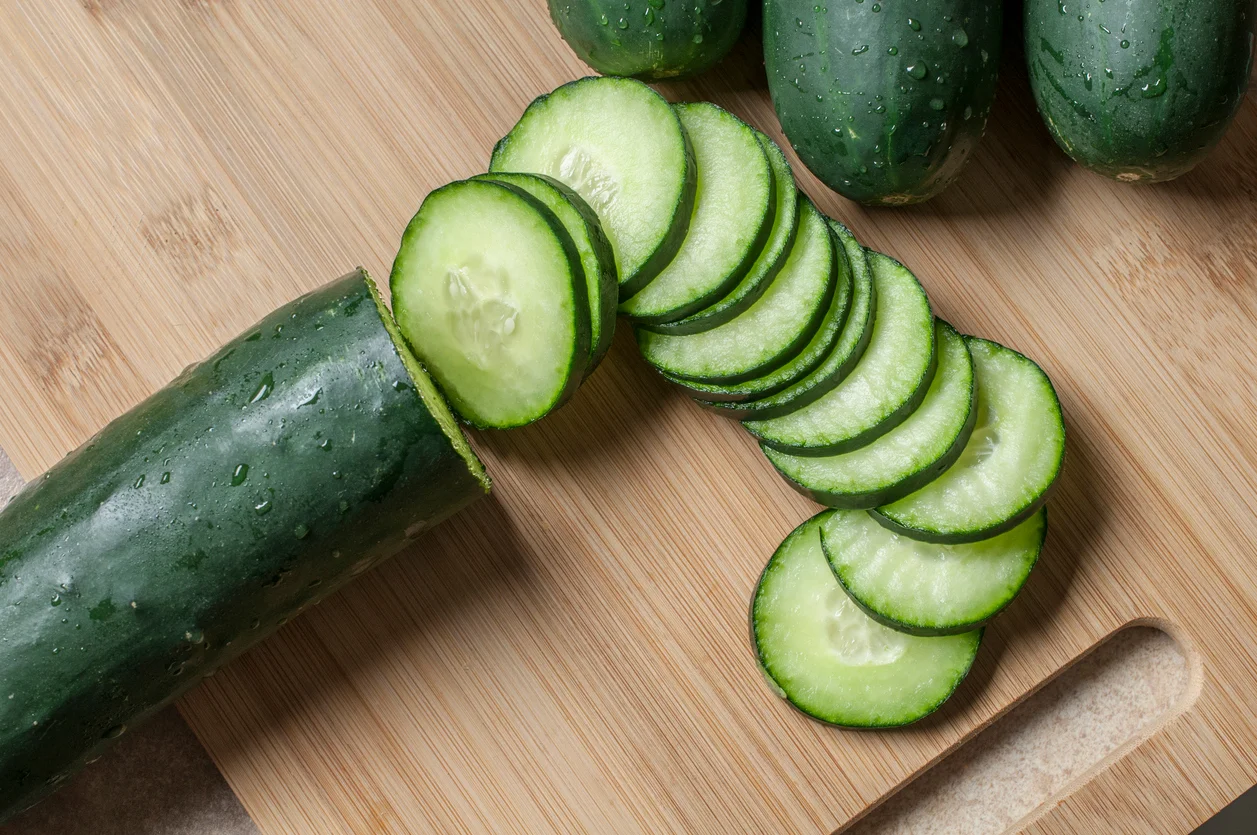
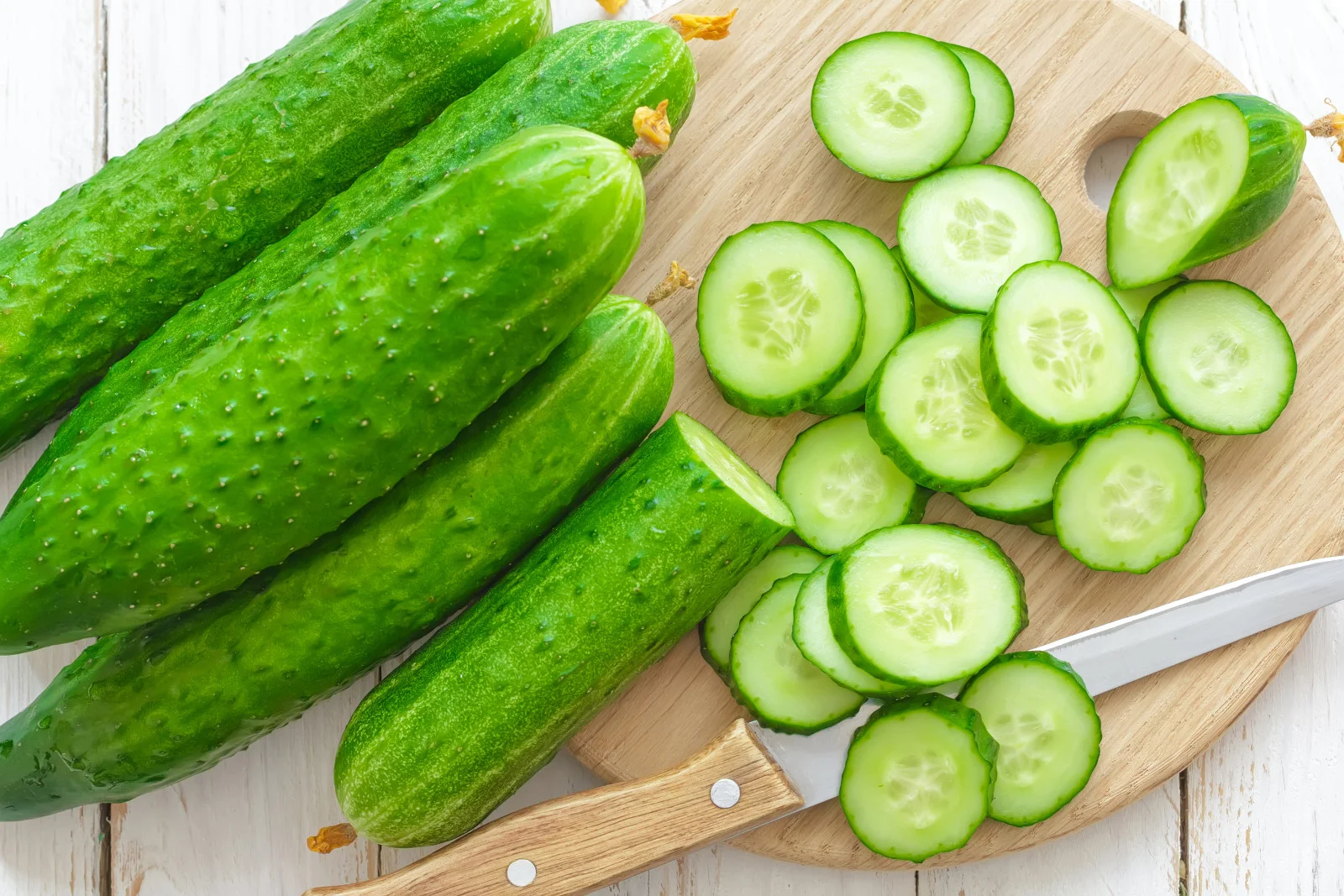
Cucumber farming in Kenya has become one of the most profitable ventures for both small-scale and commercial farmers due to the crop’s fast maturity, high market demand, and continuous harvesting potential.
Cucumbers are widely grown in counties such as Kirinyaga, Murang’a, Kajiado, Nakuru, and parts of Rift Valley where irrigation and greenhouse farming are common. With proper management, farmers can achieve high yields and generate steady income from local markets, supermarkets, hotels, and export opportunities.
However, successful cucumber farming largely depends on maintaining healthy plants throughout the growing season.
Unfortunately, cucumber diseases remain one of the biggest challenges affecting production in Kenya. Fungal, bacterial, and viral infections can spread quickly across farms, causing leaf damage, fruit rotting, wilting, stunted growth, and even complete crop failure.
Diseases not only reduce yields but also lower fruit quality, making cucumbers less attractive in the market. In severe cases, farmers may suffer major financial losses due to increased spraying costs and reduced harvests.
One of the best ways to reduce disease pressure in cucumbers is by improving soil health through proper nutrition and preventive farm management.
Organic soil improvement practices such as using biochar-based fertilizers and maintaining beneficial soil microorganisms can significantly reduce disease outbreaks while improving long-term productivity.
How Safi Topper Fertilizer Supports Healthy Cucumber Growth
Promotes Strong Root Development
Safi Topper fertilizer helps cucumbers develop strong and extensive root systems that improve nutrient and water uptake. Healthy roots allow plants to access nutrients more efficiently even during periods of stress such as drought or excessive rainfall. Stronger root systems also improve plant stability and overall growth performance throughout the season.
Improves Plant Immunity
Balanced nutrients supplied by Safi Topper fertilizer help strengthen the plant’s natural defense mechanisms. Well-nourished cucumber plants recover faster from disease pressure and maintain vigorous growth even under challenging conditions.
Nutrients such as potassium and calcium are especially important for strengthening plant tissues and improving resistance to infections.
Enhances Soil Microbial Activity
Safi Organics fertilizers support beneficial soil microorganisms that help create a healthier growing environment for cucumbers. These beneficial microbes naturally compete with harmful pathogens in the soil, reducing the spread of disease-causing organisms around plant roots.
Improved microbial activity also enhances nutrient cycling within the soil, ensuring cucumbers receive nutrients gradually and consistently. Healthier soils with active microbial life contribute to stronger plants and better long-term farm productivity.
How Biochar Helps Reduce Cucumber Diseases
Improves Soil Drainage
Biochar improves soil structure and drainage by creating pore spaces that allow excess water to move more freely through the soil. Good drainage is essential in cucumber farming because waterlogged soils encourage fungal diseases such as root rot and fusarium wilt.
Reduces Nutrient Losses
Biochar helps retain nutrients within the soil, preventing excessive leaching during heavy rainfall or irrigation. This allows cucumber plants to access nutrients more consistently throughout their growth stages, resulting in healthier and more vigorous crops.
Creates a Better Environment for Beneficial Microorganisms
Biochar provides a favorable habitat for beneficial soil microorganisms that contribute to disease suppression and improved soil fertility. These microorganisms help break down organic matter, release nutrients, and compete with harmful pathogens naturally.
Increased microbial diversity creates a more balanced soil ecosystem that supports healthier cucumber growth while reducing the spread of soil-borne diseases.
Improves Soil Structure and Moisture Retention
Biochar improves soil structure by enhancing aeration and moisture retention at the same time. During dry conditions, soils amended with biochar hold moisture longer, reducing plant stress caused by water shortages.
Common Cucumber Diseases Farmers Should Know About
Cucumber diseases can spread quickly and significantly reduce yields if farmers do not identify and manage them early. Many of these diseases thrive under poor soil conditions, excess moisture, overcrowding, and plant stress.
Understanding the symptoms, causes, and control methods can help farmers protect their cucumber crops and maintain high productivity throughout the season.
Powdery Mildew
Powdery mildew is one of the most common fungal diseases affecting cucumbers in Kenya, especially during warm periods with fluctuating humidity levels. The disease attacks leaves first before spreading across the plant, reducing its ability to grow and produce fruits effectively.
Symptoms of Powdery Mildew
The most noticeable symptom is a white powder-like coating that appears on cucumber leaves. As the infection progresses, leaves begin yellowing, drying, and eventually dying. Severe infections reduce photosynthesis, weakening the plant and lowering fruit production.
Causes
Powdery mildew commonly develops during warm dry days followed by humid nights. Poor airflow between plants also encourages fungal growth, especially in overcrowded fields or greenhouses with poor ventilation.
How Farmers Can Control Powdery Mildew
Farmers can reduce powdery mildew by maintaining proper plant spacing and pruning excess foliage to improve air circulation. Avoiding excessive nitrogen fertilizer is also important because overly soft vegetative growth becomes more vulnerable to fungal infections.
Farmers should use resistant cucumber varieties where possible and apply organic fungicides when necessary. Balanced fertilizers such as Safi Topper help reduce plant stress and support stronger disease resistance.
Downy Mildew
Downy mildew is another destructive fungal disease that spreads rapidly under wet and humid conditions. If not controlled early, it can destroy cucumber leaves within a short time and severely reduce yields.
Symptoms
The disease causes yellow angular spots on cucumber leaves, usually restricted by leaf veins. Gray or purple mold may develop underneath the leaves, especially during humid mornings. As the disease advances, leaves dry rapidly and die.
Conditions That Encourage Downy Mildew
High humidity, overhead irrigation, and poor air circulation create ideal conditions for downy mildew development. Wet leaves for extended periods greatly increase infection rates.
Control Measures
Farmers should avoid wetting leaves during irrigation and instead use methods such as drip irrigation where possible. Improving drainage and plant spacing helps reduce humidity around plants.
Infected leaves should be removed early to slow disease spread, while regular crop rotation helps break fungal life cycles in the soil.
Bacterial Wilt
Bacterial wilt is a dangerous disease that can kill cucumber plants very quickly. Once symptoms appear, affected plants often collapse within a few days.
Symptoms
The disease causes sudden wilting of cucumber vines even when soil moisture is adequate. Leaves may remain green initially before the entire plant collapses and dies.
How It Spreads
Bacterial wilt is mainly spread by cucumber beetles that transfer the bacteria from infected plants to healthy ones. The disease can also survive in infected crop residues left in the field.
Prevention and Management
Early control of insect vectors such as cucumber beetles is essential for preventing bacterial wilt. Farmers should remove infected plants immediately to minimize the spread and practice crop rotation regularly.
Maintaining healthy soils using organic fertilizers also supports stronger plant growth and improves resistance to stress.
Anthracnose
Anthracnose is a fungal disease that attacks cucumber leaves, stems, and fruits, especially during warm and wet weather conditions.
Symptoms
The disease causes dark sunken lesions on leaves and fruits. Infected fruits develop rotting spots that reduce their market quality, while leaves may experience severe blight during humid weather.
Conditions Favoring Anthracnose
Anthracnose thrives under warm and wet conditions. The disease may spread through infected seeds, contaminated crop debris, and splashing water during rainfall or irrigation.
Disease Control
Farmers should use certified disease-free seeds to minimize infections from the beginning. Overhead watering should be avoided because water splash spreads fungal spores easily. Removing infected plant materials and applying preventive organic sprays can help reduce disease severity.
Fusarium Wilt
Fusarium wilt is a soil-borne fungal disease that affects cucumber vascular tissues, interfering with water and nutrient movement within the plant.
Symptoms
Affected plants show yellowing of lower leaves followed by wilting during hot hours of the day. In severe cases, brown discoloration may appear inside the stem tissues.
Causes
The disease is caused by soil-borne fungi that survive in infected soils for long periods. Poor drainage conditions increase the likelihood of infection and disease spread.
Control Methods
Improving soil drainage using biochar can help reduce disease pressure by creating healthier root conditions.
Farmers should rotate cucumbers with non-cucurbit crops and avoid planting in heavily infected fields. Building soil organic matter also supports beneficial microbes that help suppress soil pathogens naturally.
Mosaic Virus
Mosaic virus is a serious viral disease that affects cucumber growth, fruit quality, and overall productivity.
Symptoms
Infected plants develop mottled yellow and green leaves with distorted growth patterns. Plants become stunted and often produce misshapen fruits with poor market value.
How the Virus Spreads
The virus is commonly spread by aphids feeding on cucumber plants. Contaminated tools and infected crop residues can also contribute to transmission.
Management Practices
Farmers should control aphids early before populations increase significantly. Infected plants should be removed immediately to reduce virus spread.
Farm tools must be sanitized regularly, while proper plant nutrition helps support stronger growth and better tolerance to stress.
Soil-Borne Diseases Affecting Cucumbers
Root Rot
Root rot is a common soil-borne disease that develops when cucumber roots remain in excessively wet soils for prolonged periods.
Symptoms
Affected plants show weak growth, yellowing leaves, and wilting despite adequate water in the soil. Roots become brown, soft, and decayed, reducing nutrient uptake.
Causes
Waterlogged soils and poor drainage are the main causes of root rot. Excess irrigation and compacted soils further increase disease risk.
Prevention
Farmers can reduce root rot by planting cucumbers on raised beds and practicing proper irrigation management. Biochar helps improve soil aeration and drainage, creating healthier root environments that discourage fungal infections.
Integrated Disease Management for Cucumbers
Crop Rotation
Repeatedly planting cucumbers in the same field increases the buildup of pests and diseases. Crop rotation helps break disease cycles naturally and improves long-term soil health.
Proper Spacing and Trellising
Adequate spacing and trellising improve airflow around cucumber plants, reducing humidity levels that favor fungal diseases. Better air circulation also improves spray coverage when treatments are necessary.
Field Sanitation
Removing diseased leaves, infected fruits, and crop residues helps reduce sources of infection within the farm. Farmers should also clean tools regularly to avoid spreading pathogens between plants.
Use of Healthy Seeds
Certified disease-free seeds reduce the risk of introducing fungal, bacterial, or viral infections into the farm at planting time.
Proper Water Management
Overwatering encourages many cucumber diseases, especially root and fungal infections. Drip irrigation is recommended because it delivers water directly to the roots while keeping leaves dry.
Balanced Fertilization
Healthy cucumber plants resist diseases more effectively than nutrient-deficient crops. Organic fertilizers improve long-term soil fertility, microbial activity, and plant resilience against infections.
Why Organic Farming Practices Help Reduce Cucumber Diseases
Encourages Beneficial Soil Organisms
Organic farming practices support beneficial soil organisms that naturally suppress harmful pathogens. Healthy microbial activity improves soil balance and strengthens plant health.
Reduces Chemical Stress on Plants
Excessive chemical use can weaken plants and disrupt beneficial microorganisms in the soil. Organic approaches help maintain healthier growing conditions over time.
Builds Long-Term Soil Fertility
Healthy soils support stronger crops season after season by improving nutrient availability, moisture retention, and soil structure. Long-term soil fertility is essential for sustainable cucumber production.
Conclusion
Early identification and proper management of cucumber diseases are essential for maintaining healthy crops and maximizing yields.
Farmers who focus on preventive disease management often experience fewer losses and lower production costs compared to those who rely only on reactive spraying after diseases appear.
Building healthy soils using organic fertilizers such as Safi Topper and biochar helps produce stronger, more disease-resistant cucumber plants. Improved soil structure, balanced nutrition, and active microbial life all contribute to better plant health and reduced disease pressure.