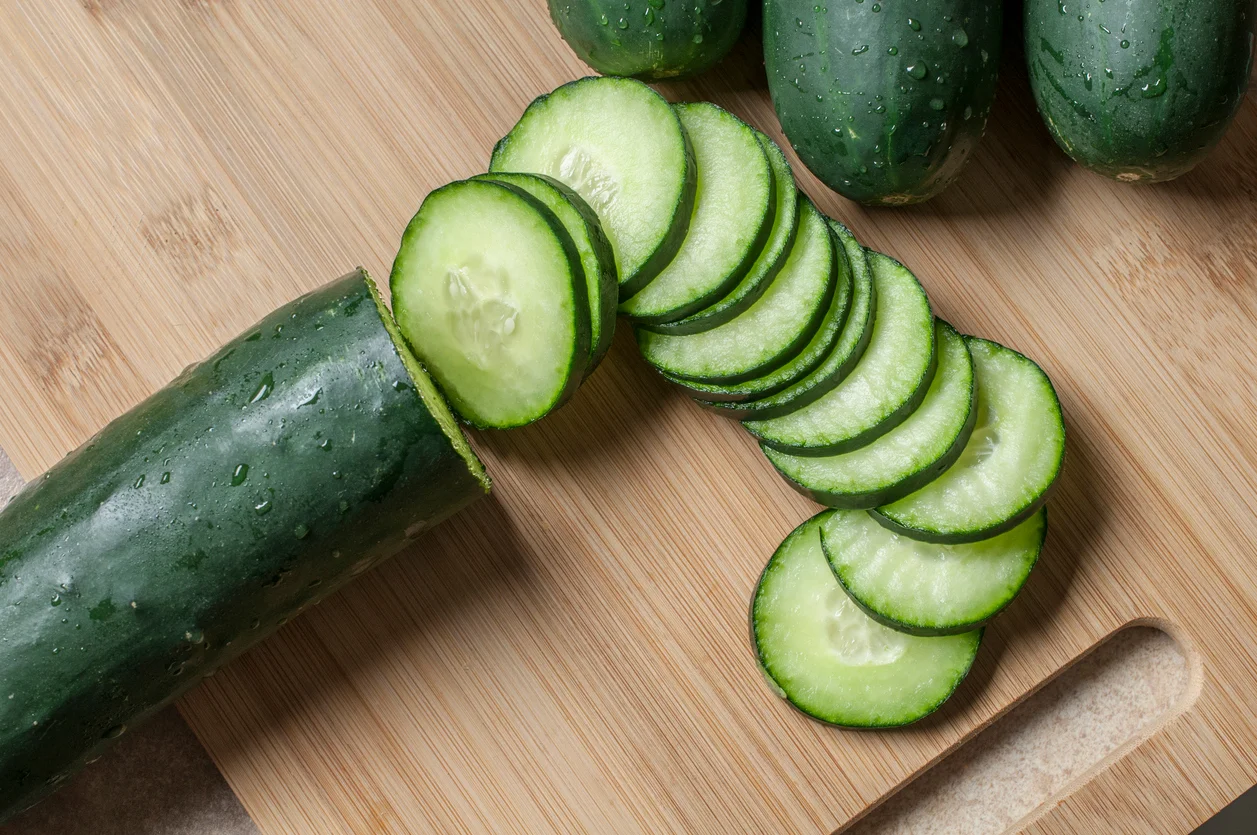
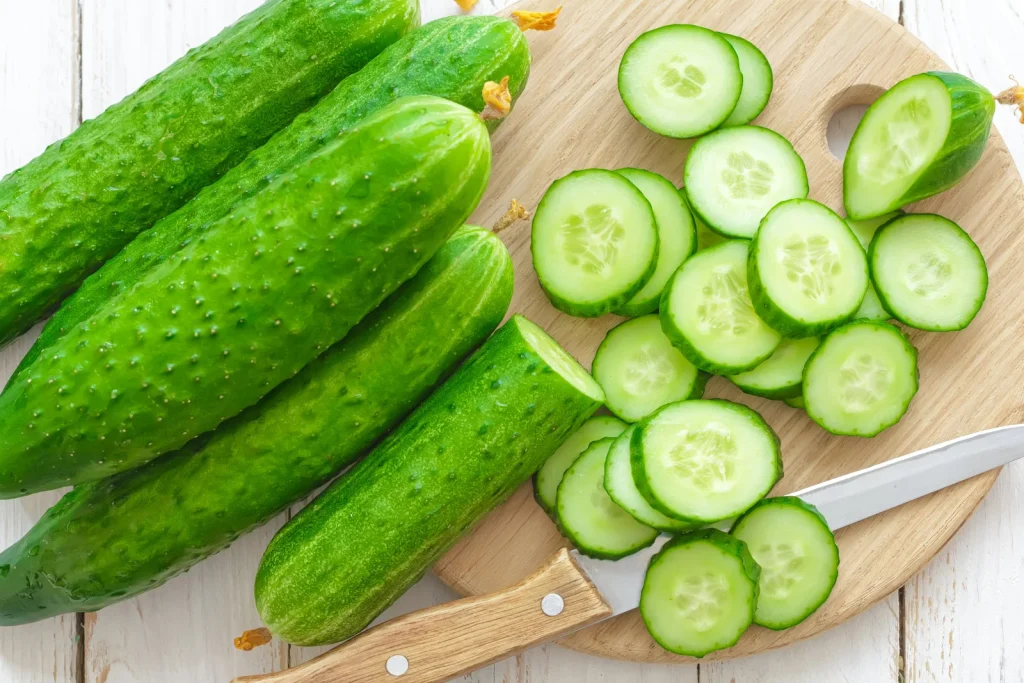
Cucumber farming in Kenya is a rapidly growing agricultural venture driven by increasing demand for fresh vegetables in both local and export markets.
Cucumbers are among the most widely consumed vegetables worldwide, appreciated for their refreshing taste and versatility in salads, pickles, and beverages. In many households, they are a staple ingredient, which makes them highly marketable and valuable to farmers.
From a nutritional perspective, cucumbers are low in calories but rich in water, vitamins, and essential minerals. They contain important nutrients such as vitamin K, vitamin C, and potassium, which contribute to overall health and well-being.
Regular consumption of cucumbers helps maintain hydration, supports digestion, and may reduce the risk of certain chronic diseases.
Economically, cucumber farming in Kenya offers a profitable opportunity for both smallholder and commercial farmers. The crop has a relatively short growth cycle and strong market demand, allowing farmers to achieve quick returns when managed properly.
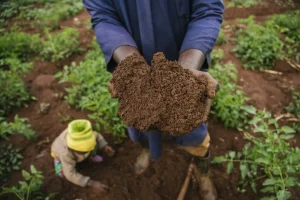
The use of high-quality inputs, such as organic fertilizers, can improve soil fertility, enhance plant growth, and increase yields, making cucumber production more productive and sustainable.
Beyond its economic and nutritional value, cucumber cultivation also supports sustainable farming systems. When rotated with other crops, cucumbers can help maintain soil health and improve farm productivity.
In addition, farmers can explore value addition opportunities through pickling, packaging, and supplying fresh produce to markets. Overall, cucumber farming in Kenya is a practical and rewarding enterprise for farmers seeking both income generation and sustainable agriculture.
Apart from cucumbers, you can also read our pineapple farming guide to know more about pineapples.
Different Cucumber Varieties Grown In Kenya
Slicing Varieties
Slicing cucumbers are grown mainly for fresh consumption and are popular in households, restaurants, and local markets. They are crisp, juicy, and ideal for salads, sandwiches, and snacks. These cucumbers are large, firm, and seedless, making them more appealing to consumers who prefer fresh produce.
They often have smooth skin, which enhances their appearance and makes them more marketable. Some slicing varieties are resistant to common diseases, making them easier to cultivate on small and large-scale farms. These varieties are generally harvested when fully grown but still tender to ensure the best flavor.
Pickling Varieties
Pickling cucumbers are small, firm, and ideal for processing and preservation. They are usually free of bitterness, allowing them to retain a pleasant taste after pickling. These cucumbers are used in commercial and home-made pickles, sauces, and canned products.
They are generally harvested when immature to ensure a crisp texture during pickling. Uniform size and quality are important for industrial processing, so farmers growing pickling cucumbers often focus on consistent spacing and care. Proper disease management also ensures high-quality fruits suitable for preservation.
Bush vs Vining Types
Bush cucumbers are compact, grow close to the ground, and are suitable for small gardens or container farming. They are easier to manage, require less labor, and are harvested without specialized equipment. However, they usually produce fewer fruit per plant than vining types.
Vining cucumbers grow long, trailing stems that need trellises or support systems. These types occupy more space but produce higher yields, and the vertical growth reduces contact with the soil, lowering disease risks. Trellising also improves airflow, sunlight exposure, and fruit quality, making them ideal for commercial cultivation.
Hybrid vs Open-Pollinated
Hybrid cucumbers are developed through controlled breeding to express specific traits such as disease resistance, uniform fruit size, early maturity, and higher productivity. They are preferred by commercial farmers who need consistent quality and reliable harvests.
Open-pollinated varieties are more affordable and allow farmers to save seeds for the next planting season. They are often used by smallholder farmers or those interested in preserving traditional varieties. While hybrids may yield higher yields, open-pollinated varieties offer greater flexibility and long-term sustainability.
Site Selection and Soil Preparation for Cucumber
Climate Requirements
Cucumbers thrive in warm, frost-free conditions. Frost can damage young seedlings and flowers, reducing fruit set and overall yield.
The ideal temperature range is 20–30°C. Temperatures below 15°C slow germination and plant growth, while temperatures above 35°C can cause flower drop and poor fruit development.
Cucumbers require at least 6–8 hours of sunlight daily. Adequate sunlight ensures healthy vine growth, better flowering, and high-quality fruits.
Soil Type
Cucumbers grow best in well-drained, loamy soils that are rich in organic matter. Heavy clay soils retain too much water, leading to root rot, while sandy soils may dry out quickly.
A soil pH of 6.0–6.8 is optimal. Slightly acidic to neutral soils improve nutrient availability, especially phosphorus and potassium, which are critical for flowering and fruiting.
Adding compost or well-decomposed manure improves soil fertility and microbial activity. It also enhances soil structure, water retention, and root penetration.
Land Preparation
Proper land preparation ensures healthy root establishment and uniform plant growth. Begin by clearing the field of weeds, debris, and stones.
Deep plowing to 20–30 cm loosens compacted soil, improving aeration and drainage. Leveling the field ensures even water distribution and reduces waterlogging in low areas.
Incorporating organic fertilizers such as compost or farmyard manure before planting supplies essential nutrients. This supports vigorous growth, higher flower production, and better fruit set.
Raised Beds and Mulching
Raised beds improve drainage, especially in areas prone to waterlogging. They also enhance root development and airflow, which reduces fungal diseases.
Mulching with crop residues, straw, or grass conserves soil moisture and suppresses weed growth. It also moderates soil temperature, preventing stress from extreme heat.
Mulching prevents fruits from touching the soil, reducing fruit rot and improving marketable quality. Organic mulches also decompose over time, adding nutrients back to the soil.
Sowing and Planting of Cucumbers
Seed Selection and Treatment
Choosing high-quality, certified seeds is critical for good germination and healthy plants. Certified seeds are usually disease-free and have higher vigor.
Seed treatment or soaking before sowing helps prevent fungal infections such as damping-off. Common treatments include soaking in warm water or using safe fungicides for a short period.
Healthy seeds reduce early seedling losses and ensure uniform growth. Proper handling at this stage lays the foundation for a productive crop.
Nursery vs Direct Sowing
Raising cucumbers in a nursery provides controlled conditions and produces strong, uniform seedlings. This is particularly useful in areas with unpredictable weather or short growing seasons.
Direct sowing is simpler and cost-effective, but seedlings are more exposed to pests, diseases, and temperature fluctuations. Extra care is needed to ensure good establishment.
The choice between nursery and direct sowing depends on the farmer’s resources, climate, and field management capacity. Both methods can give high yields if managed properly.
Spacing and Planting Patterns
Proper spacing is essential for good airflow, sunlight penetration, and disease control. Bush-type cucumbers are planted 30–45 cm apart, while vining types require 90–120 cm between rows.
Correct spacing reduces competition for nutrients and water, allowing plants to grow vigorously. It also lowers humidity around the leaves, reducing the risk of fungal disease.
Planting patterns can be adjusted depending on whether trellising is used. Trellised vining cucumbers often require wider row spacing for easier management.
Transplanting
Seedlings should be transplanted when they have 2–3 true leaves and are strong enough to handle field conditions. Timing is critical to avoid transplant shock and ensure continuous growth.
Hardening off seedlings by gradually exposing them to sunlight and outdoor conditions strengthens them. This process improves survival rates and reduces stress after planting.
Proper transplanting ensures uniform plant growth, better flowering, and higher yields. Attention to detail at this stage significantly impacts the success of the cucumber crop.
Watering and Irrigation of Cucumber
Water Requirements
Cucumbers need regular watering to maintain consistent soil moisture. Uneven watering can lead to poor growth and fruit quality.
Water is especially critical during the flowering and fruiting stages. Insufficient moisture at these times can lead to flower drop, smaller fruits, and lower yields.
Providing adequate water throughout the growth cycle ensures healthy leaves, strong vines, and high-quality fruits suitable for market or processing.
Irrigation Methods
Drip irrigation is the preferred method for cucumbers. It delivers water directly to the root zone, conserving water and reducing weed growth.
Overhead watering should be avoided, especially during hot or humid conditions. Wet leaves encourage fungal diseases like powdery mildew and downy mildew.
Proper irrigation management balances water supply without causing waterlogging. It ensures optimal plant growth and reduces losses from disease or stress.
Mulching and Moisture Retention
Organic mulches, such as straw, grass, or crop residues, help conserve soil moisture by reducing evaporation.
Mulching also prevents soil erosion and moderates soil temperature. This protects roots from heat stress and maintains consistent growth.
Additionally, mulches keep fruits off the soil, reducing rot and improving the quality of marketable cucumbers. Over time, decomposed mulch adds nutrients to the soil, enhancing fertility.
Fertilization and Nutrient Management of Cucumber
Basal Fertilization
Basal fertilization involves applying nutrients before or at planting to prepare the soil for strong cucumber growth. Using compost, well-rotted manure, or organic fertilizers such as Safi Sarvi Organic Fertilizers enriches the soil with essential nutrients and improves soil structure.
This early nutrient application supports healthy seedling establishment, vigorous early growth, and strong root development. Products like Safi Sarvi help reduce dependence on excessive chemical fertilizers while maintaining soil fertility for future crops.
Top Dressing
Top dressing supplies additional nutrients during crop growth. Nitrogen encourages vegetative growth, ensuring strong leaves and vines. Phosphorus promotes root development and flowering, while potassium improves fruit size, taste, and shelf life.
Using Safi Sarvi fertilizers as part of top dressing provides slow-release nutrients that support consistent growth without nutrient burn. Split applications during flowering and fruiting ensure plants remain productive and healthy.
Organic vs Inorganic Fertilizers
Organic fertilizers, such as compost and manure, enhance soil fertility, microbial activity, and long-term sustainability. They release nutrients gradually and improve soil structure.
Inorganic fertilizers provide readily available nutrients for rapid growth and higher yields but can damage soil if overused. Combining organic options like Safi Sarvi with inorganic fertilizers gives the best results, ensuring fast-acting support while improving soil health.
Integrated use of these fertilizers maximizes plant growth, fruit quality, and yield, making cucumber farming more productive and environmentally friendly.
Pest and Diseases Affecting Cucumber Farming
Common Pests
Several pests, including aphids, whiteflies, and cucumber beetles, attack cucumbers.
Aphids feed on sap, causing stunted growth, curled leaves, and honeydew buildup, which can encourage fungal growth.
Whiteflies also suck plant sap and transmit viral diseases, while cucumber beetles chew leaves and fruits, reducing yield and spreading bacterial wilt.
Integrated Pest Management
Integrated pest management combines multiple approaches to control pests effectively and sustainably.
Cultural methods, such as crop rotation and intercropping, reduce pest buildup in the soil and discourage infestations.
Biological control involves using natural predators and parasitoids, like ladybirds and parasitic wasps, to keep pest populations low.
Chemical control is used only when necessary, applying selective pesticides to avoid harming beneficial insects and the environment.
Regular monitoring and early detection are key to minimizing damage and ensuring healthy cucumber plants.
Disease Management for Cucumber
Fungal Diseases
Cucumbers are commonly affected by fungal diseases such as powdery mildew and downy mildew.
Powdery mildew appears as white powdery spots on leaves, while downy mildew causes yellow patches and leaf death.
Control measures include planting resistant varieties, applying fungicides when necessary, and maintaining proper plant spacing to improve airflow.
Bacterial and Viral Diseases
Bacterial wilt and mosaic virus are serious threats to cucumber crops.
Bacterial wilt causes sudden wilting of vines, while mosaic virus leads to mottled leaves and stunted growth.
Control involves crop rotation, removing and destroying infected plants, and managing insect vectors that transmit the diseases.
Preventive Measures
Sanitation is crucial for preventing the spread of disease. Disinfect tools and wash your hands before handling plants.
Avoid overhead irrigation and waterlogging, as wet foliage and saturated soils encourage fungal and bacterial infections.
Implementing these preventive practices alongside resistant varieties ensures healthier plants and higher yields.
Trellising and Pruning of Cucumber
Benefits of Trellising
Trellising cucumbers improves fruit shape and quality by keeping the fruits off the ground.
It also reduces contact with soil, lowering the risk of fungal infections and fruit rot.
Vertical growth improves sunlight exposure and airflow, supporting healthier plants and higher yields.
Pruning Techniques
Pruning involves removing lateral shoots to direct energy into the main vine.
It also includes cutting yellowing or diseased leaves to prevent disease spread and improve air circulation.
Regular pruning encourages stronger vine growth, better flowering, and larger, high-quality fruits.
Support Structures
Cucumbers can be supported using wooden stakes, netting, or wire frames.
The choice of support depends on available space, crop variety, and farm management capacity.
Properly installed supports make harvesting easier, reduce labor, and protect fruits from soil-borne diseases.
Harvesting Cucumbers
Signs of Maturity
Cucumbers are ready to harvest when the fruit is firm, green, and fully developed, but before the seeds harden.
The exact timing depends on the variety, usually between 50 and 70 days after sowing.
Harvesting at the right stage ensures tender, marketable fruits and encourages continuous flowering.
Harvesting Methods
Handpicking is the best method for avoiding bruising or damaging the fruit.
Fruits should be gently twisted or cut with a sharp knife to prevent injury to the plant.
Frequent harvesting every 2–3 days promotes continuous fruit production and prevents overripe fruits from slowing vine growth.
Yield Expectations
Bush-type cucumbers generally yield less per hectare than vining types due to smaller plant size.
When well-managed, vining cucumbers can produce significantly higher yields due to their larger canopy and trellised growth.
Yield is influenced by soil fertility, water availability, pest and disease management, and proper spacing.
Post-Harvest Handlingof cucumber
Cleaning and Grading
After harvesting, cucumbers should be cleaned to remove dirt, debris, and damaged fruits.
Sorting by size, shape, and quality ensures uniform batches for market or processing.
Proper grading improves market appeal and helps farmers get better prices for high-quality fruits.
Storage
Cucumbers should be stored in cool, shaded areas to prevent wilting and moisture loss.
Refrigeration prolongs shelf life, especially when transporting to distant markets or storing for several days.
Avoid stacking fruits too high to prevent bruising and spoilage during storage.
Marketing
Cucumbers can be sold directly in local markets, to supermarkets, or to processing industries.
Packaging should protect fruits from mechanical damage, moisture loss, and contamination during transport.
Proper handling and marketing strategies increase profits and reduce post-harvest losses.
Economic Considerations for cucumber cultivation
Input Costs
Cucumber farming requires several inputs, including high-quality seeds, fertilizers, irrigation, and pest control measures.
Labor costs for land preparation, planting, weeding, trellising, and harvesting must also be considered.
Careful planning of input use helps manage costs and improve overall farm profitability.
Profitability
Profitability depends on market demand, pricing trends, and the quality of harvested cucumbers.
Value addition, such as pickling or selling fresh-cut cucumbers, can significantly increase farmers’ income.
Efficient management, proper spacing, irrigation, and disease control contribute to higher yields and better financial returns.
Conclusion
In conclusion, cucumber cultivation is highly rewarding when proper practices are followed, from site selection to post-harvest handling.
High yields depend on good seed selection, soil fertility, irrigation, pest and disease management, and timely harvesting.
Consistent monitoring, careful management, and adoption of recommended practices ensure healthy plants, high-quality fruit, and profitable production.