
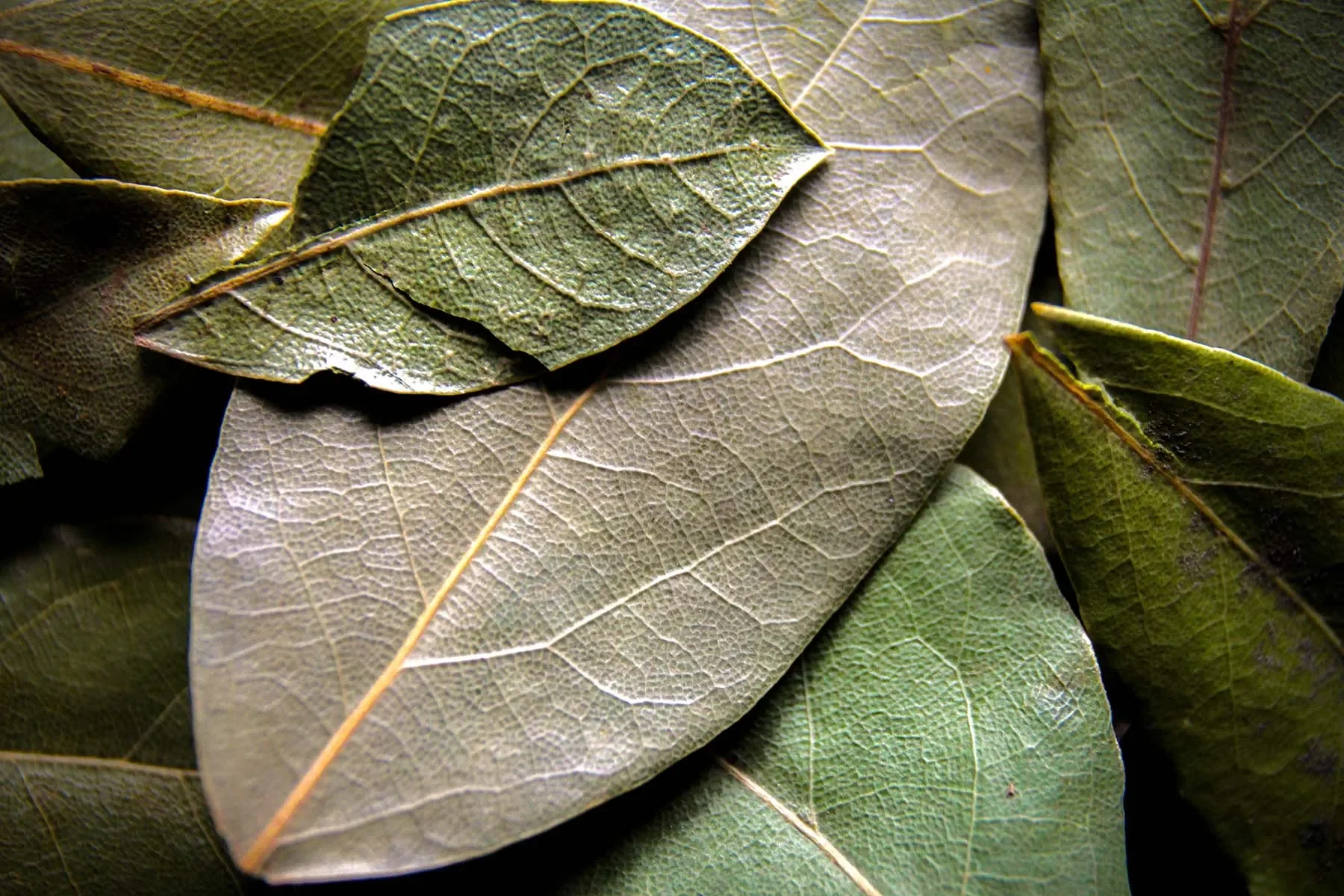
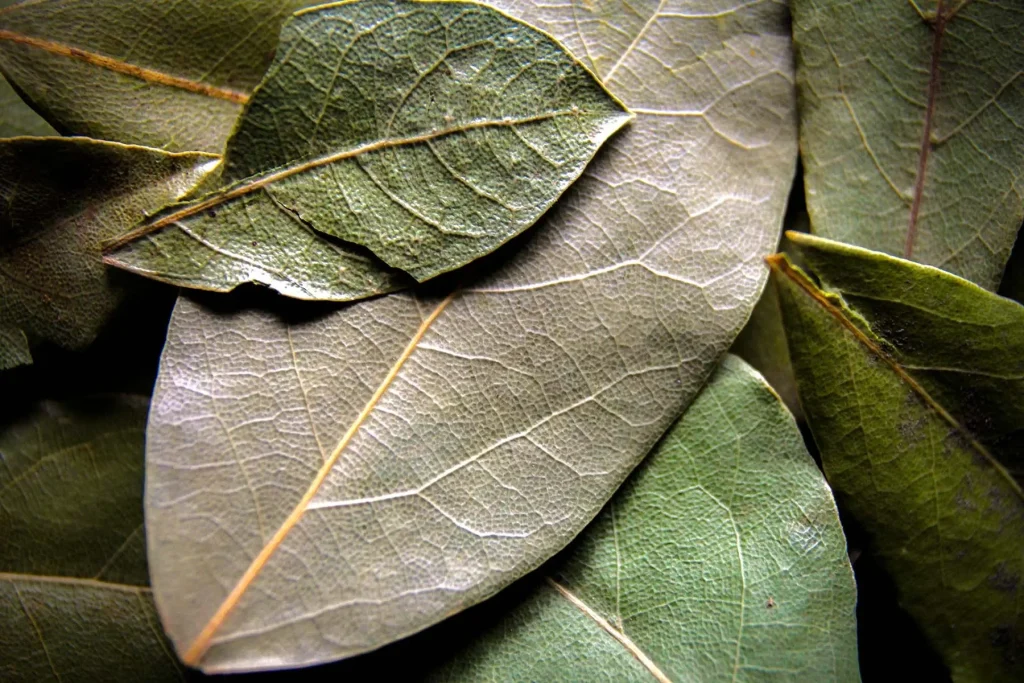
Bayleaf (Laurus nobilis) is a highly valued spice and medicinal plant, cultivated primarily for its aromatic leaves. It is widely used in cooking to add flavor to soups, stews, and sauces. Beyond its culinary applications, bay leaf has medicinal properties and is often used in traditional remedies to aid digestion, reduce inflammation, and improve overall wellness.
Bay leaves are also processed to extract essential oils, which are used in the cosmetic, pharmaceutical, and aromatherapy industries. These oils increase the crop’s commercial value and offer farmers multiple ways to earn income beyond selling fresh or dried leaves.
In Kenya, bay leaf cultivation is still emerging but shows significant potential. With proper management practices, farmers can grow high-quality leaves that meet both local and international market standards.
In addition, bayleaf’s low maintenance, long lifespan, and multiple uses make it a promising crop for smallholder farmers seeking to diversify their income sources.
Climate and Soil Requirements for Bay Leaf
Bayleaf grows best in tropical and subtropical climates with temperatures between 20°C and 30°C. Warm, moderately humid conditions support healthy leaf growth and help maintain the essential oils that give the leaves their distinctive aroma.
Dry spells or waterlogged soils can reduce growth and leaf quality, so proper site selection is critical.
The crop prefers well-drained, loamy soils that are rich in organic matter. Slightly acidic to neutral soils, with a pH of 6.0 to 7.5, allow optimal root development and nutrient absorption. Heavy clay or poorly drained soils increase the risk of root rot and stunt growth. Adding organic matter improves fertility and soil structure, making it easier for roots to grow.
Rainfall between 1,200 mm and 1,800 mm annually is ideal. In areas with inconsistent rainfall, irrigation is necessary to maintain soil moisture, especially during the plant’s early growth. Mulching around plants conserves moisture, reduces weed growth, and gradually improves soil fertility.
Using organic fertilisers, such as compost or well-rotted manure, including safi sarvi, provides essential nutrients and improves soil health. Combining proper watering, mulching, and nutrient management ensures vigorous, healthy bayleaf plants that consistently produce high-quality leaves.
For more insights on improving soil fertility and using organic practices, you can read our article, Using Cover Crops and Biochar to Rebuild Soils: A Guide for Kenyan Farmers. The guide explains how organic fertilisers and sustainable soil management techniques help crops like bay leaf grow healthy and productive.
Varieties of Bay Leaf
The most commonly cultivated bay leaf is Laurus nobilis, also known as “true bay leaf.” This variety is highly valued for its aromatic, glossy green leaves, which are used widely in cooking, traditional medicine, and essential oil production.
Other varieties of bay leaf exist, but they are generally less common and often produce leaves with a weaker aroma or lower oil content, making them less suitable for commercial production.
Farmers should prioritize high-quality planting material to ensure consistent growth and optimal leaf quality.
For farmers in Kenya, Laurus nobilis is the most suitable and recommended variety. It adapts well to the country’s tropical and subtropical climate, tolerates moderate rainfall, and grows efficiently in well-drained, loamy soils.
The leaves of this variety have a strong flavor and aroma, which makes them highly sought after in both local markets and export supply chains. Choosing this variety ensures that farmers can meet market standards and achieve better returns on their investment.
Different varieties of bay leaf differ not only in leaf quality but also in growth rate and yield. Some varieties may produce larger leaves but with less intense aroma, while others yield smaller but more flavorful and fragrant leaves.
Yield per plant can also vary depending on the variety, making the choice of planting material critical for maximizing both production and income. Farmers should select varieties that combine good leaf size, pungent aroma, and high oil content to get the best results.
The recommended variety also affects harvest cycles and long-term productivity. Laurus nobilis grows steadily and can continue producing high-quality leaves for many years when properly maintained.
This long-term productivity allows farmers to plan for multiple harvests annually, providing a sustainable source of income. Ensuring the use of disease-free, healthy seedlings or cuttings from this variety further enhances uniform growth, leaf quality, and overall farm profitability.
Bay Leaf Propagation Methods
Bayleaf can be propagated through seeds, which is the traditional method. Seeds should be collected from healthy, mature plants and sown immediately after harvesting, as they lose viability if stored for long periods.
Before planting, seeds may be soaked in water for 24 hours to improve germination rates. Seedlings usually emerge within 3–4 weeks and are ready for transplanting after 6–8 months, depending on growth conditions.
Stem cuttings are another practical method, particularly for maintaining the characteristics of a parent plant. Healthy, semi-hardwood stems are selected, trimmed to 15–20 cm lengths, and treated with rooting hormone to improve root development.
Cuttings are then planted in a well-drained nursery medium and kept shaded with regular watering. Rooting typically occurs within 4–6 weeks, after which the young plants can be hardened before transplanting to the field.
For large-scale commercial production, tissue culture is an option, although it requires specialized facilities. This method allows the production of disease-free, uniform plants in a relatively short time.
Tissue culture seedlings can be propagated from small pieces of plant tissue in a controlled environment, producing large quantities of planting material suitable for commercial farms.
Choosing the proper propagation method depends on the scale of production and the resources available. Seed propagation is suitable for smallholders and low-cost setups, while stem cuttings provide faster establishment and maintain the parent plant’s quality.
Tissue culture is ideal for commercial farms aiming for uniformity, high yield, and disease-free planting material.
Land Preparation and Planting Bay leaf
Proper site selection is the first step in successful bay leaf cultivation. Farmers should choose areas with well-drained soils, moderate slopes, and good sunlight exposure.
The land should be free from waterlogging, as excess moisture can cause root rot and reduce plant survival. Clearing the site of weeds, debris, and unwanted vegetation helps reduce competition for nutrients and minimizes pest and disease incidence.
Soil preparation is essential to create an environment that supports healthy growth. The land should be ploughed or tilled to loosen the soil and improve aeration.
Incorporating organic matter such as compost or well-rotted manure enriches the soil with nutrients, improves water retention, and enhances microbial activity.
Fertilizer application ensures that the soil has adequate nutrients for the young plants to establish quickly.
Planting spacing and depth are essential to allow proper growth and airflow between plants. Bayleaf seedlings or cuttings are usually planted 1.5 to 2 meters apart in rows that are also 1.5 to 2 meters apart.
This spacing reduces competition for light and nutrients, allows easy access for weeding and harvesting, and improves airflow, reducing disease risk. Plants should be placed at the same depth they were growing in the nursery to avoid stress and promote rapid establishment.
Transplanting should be done during the rainy season or when irrigation is available to ensure seedlings receive sufficient moisture. After planting, watering should be done immediately to settle the soil around the roots. Mulching around the base of the plants can help conserve moisture, regulate soil temperature, and suppress weeds during the early growth period.
Bay Leaf Nursery Management
Raising healthy seedlings is crucial for successful bay leaf cultivation. Seedlings should be grown in shaded nurseries or beds to protect them from direct sunlight, heavy rainfall, and strong winds.
Shade helps maintain consistent soil moisture and reduces stress on young plants, ensuring stronger and more resilient seedlings. The nursery should be located near a reliable water source for easy irrigation.
The growing medium plays a vital role in seedling development. A mixture of topsoil, compost, and sand in equal proportions provides essential nutrients, improves drainage, and allows roots to develop freely.
Seedlings should be watered regularly to maintain moist, but not waterlogged, soil. Overwatering can lead to fungal infections and root rot, while inadequate watering slows growth and weakens seedlings.
Hardening seedlings before transplanting is an important step to improve survival rates in the field. This involves gradually exposing young plants to direct sunlight and reducing watering frequency over 2–3 weeks.
Hardening strengthens the stems and roots, helping seedlings adapt to field conditions. Once hardened, the seedlings are ready for transplanting into well-prepared fields, where they can continue to grow vigorously.
Proper nursery management ensures uniform growth, healthy roots, and vigorous seedlings, which are essential for establishing a productive bayleaf plantation. Regular monitoring for pests, diseases, and nutrient deficiencies in the nursery further improves the chances of success after transplanting.
Bay Leaf Care and Maintenance
Proper watering is essential for healthy bay leaf growth, especially during the first two years. Young plants require regular watering to establish strong roots, while mature plants can tolerate short dry periods. During prolonged dry spells, supplementary irrigation helps prevent leaf drop, supports continuous growth, and ensures the leaves retain their aroma and quality.
Weed control is another key aspect of crop maintenance. Manual weeding is effective for small farms, while larger plantations may benefit from selective herbicide use. Removing competing weeds reduces nutrient competition, prevents pests, and improves airflow around the plants, which lowers the risk of fungal diseases.
Mulching plays a vital role in conserving soil moisture, regulating temperature, and suppressing weeds. Organic materials like grass, crop residues, or composted manure can be used. Over time, decomposing mulch improves soil fertility and structure, providing long-term benefits for the plants.
Fertilizer application ensures bayleaf receives adequate nutrients for optimal growth. Farmers should combine chemical fertilizers with organic fertilisers such as compost or well-rotted manure, to maintain soil health and promote strong, aromatic leaves. Regular nutrient management improves leaf quality and increases yield over the years.
Bay Leaf Pest and Disease Management
Bayleaf is susceptible to several pests that can reduce both leaf quality and yield if not appropriately managed. Common pests include aphids, which suck sap from young leaves and shoots, causing curling, yellowing, and slowed growth.
Leaf miners
Leaf miners tunnel through leaves, creating visible trails that reduce photosynthesis and weaken plants over time.
Mites and scale insects may also infest older leaves, further stressing the plant. Regular scouting of the crop is essential to detect early signs of infestation and prevent widespread damage.
Diseases are another primary concern in bayleaf cultivation.
Leaf Spot Disease
This disease is caused by fungal pathogens, that produce brown or black lesions on leaves and can result in premature leaf drop. Root rot, often triggered by waterlogged or poorly drained soils, weakens the plant’s root system and may kill young seedlings.
Powdery mildew and other fungal infections can also occur in humid conditions, reducing the plant’s overall vigor and quality. Understanding the symptoms early allows farmers to take corrective action before the disease spreads.
Prevention is always better than a cure. Farmers should ensure proper plant spacing to improve airflow and reduce humidity around the leaves. Mulching helps regulate soil moisture, but should not be excessive to avoid creating a damp environment favorable to fungi.
Using healthy, disease-free seedlings or cuttings, practicing good nursery hygiene, and pruning affected leaves immediately are all effective cultural strategies to limit pest and disease outbreaks.
Integrated pest and disease management (IPDM)
For treatment, integrated pest and disease management (IPDM) is recommended. This approach combines cultural practices with careful chemical control, such as approved insecticides for pests and fungicides for fungal infections.
Biological control agents, like predatory insects, can also be used to reduce pest populations naturally. Regular monitoring, timely intervention, and combining organic approaches with targeted chemical treatments help maintain a healthy, high-yielding bay leaf plantation.
Harvesting Bay Leaf
Bayleaf leaves are ready for harvest once they reach full maturity, which is usually indicated by their dark green color, firm texture, and intense aroma.
Young leaves may be tender and flavorful,l but are less suitable for long-term storage or essential oil extraction. Regularly monitoring the crop helps farmers determine the right time to harvest for maximum quality and market value.
Selective plucking is the recommended harvesting technique for bay leaves. Only mature, healthy leaves should be removed to ensure the plant continues producing new growth. Harvesting should be done carefully to avoid damaging stems and young shoots, which could reduce future yields.
Using clean, sharp scissors or pruning tools helps prevent infection and ensures a neat harvest.
Post-harvest handling is critical to maintain leaf quality and extend shelf life. Freshly harvested leaves should be air-dried in a shaded, well-ventilated area to prevent discoloration and preserve aroma.
Once dried, leaves can be graded based on size, color, and quality. Proper storage in airtight containers or sacks, away from moisture and direct sunlight, ensures the leaves retain their flavor, aroma, and market value for several months.
For value addition, farmers can also process bay leaves into powdered form or extract essential oils for sale. Proper handling during drying and storage minimizes losses and increases the crop’s profitability. Following these harvesting and post-harvest practices helps farmers maintain a sustainable, high-quality bay leaf production system.
Bay Leaf Marketing and Income Potential
Bayleaf has strong market demand both locally and internationally.
Locally, the leaves are sold to households, restaurants, and spice processors, while international markets, particularly in Europe and the Middle East, value high-quality, aromatic leaves for culinary and medicinal use.
Consistently producing healthy, dark-green leaves increases marketability and enables farmers to build long-term trade relationships.
Value addition significantly enhances income potential. Leaves can be air-dried and packaged for direct sale, processed into powdered form, or distilled to extract essential oils.
Essential oils have a high market value in the cosmetics, pharmaceutical, and aromatherapy industries, offering multiple revenue streams for farmers. Proper drying, grading, and packaging maintain quality and help farmers fetch better prices.
Income per acre varies depending on plant density, management practices, and market access. On average, a well-maintained bay leaf plantation can produce multiple harvests per year, with dried leaves and essential oils generating substantial returns.
Farmers who invest in quality seedlings, proper care, and value addition can expect consistent and profitable revenue from their bay leaf crops over the long term.
Challenges and Solutions in Bayleaf Cultivation
Bayleaf farmers may face several challenges that affect production and profitability. Common issues include pest infestations such as aphids and leaf miners, fungal diseases like leaf spot and root rot, and environmental stresses such as drought or poor soil fertility.
Low yields can also result from improper spacing, insufficient nutrients, or poor-quality planting material. Market access and fluctuating prices may further reduce the economic returns for smallholder farmers.
Practical solutions begin with proper crop management. Regular monitoring and early intervention help control pests and diseases before they spread. Using organic fertilisers such as compost improves soil health and enhances plant vigor. Proper irrigation, mulching, and spacing also contribute to more vigorous, healthier plants and higher yields.
For market-related challenges, farmers should explore both local and international buyers, including restaurants, spice shops, and export supply chains. Value addition through drying, packaging, and essential oil extraction increases product appeal and allows farmers to earn higher returns. Joining farmer cooperatives or associations can also improve market access and negotiating power.
By combining good cultural practices, pest and disease management, and strategic marketing, smallholder farmers can overcome production challenges and achieve consistent, sustainable income from bay leaf cultivation. Proper planning, investment in quality planting material, and careful post-harvest handling are key to long-term success.
Conclusion
In conclusion, growing bayleaf offers multiple benefits for farmers, including a steady source of income, opportunities for value addition, and access to both local and international markets. Its versatility as a culinary spice, medicinal herb, and source of essential oils makes it a high-demand crop with long-term profitability potential.
Proper management practices are essential to realize these benefits. Ensuring optimal soil conditions, regular watering, pest and disease control, and careful post-harvest handling improves both leaf quality and yield.
Farmers are encouraged to adopt bay leaf as a long-term crop due to its resilience and consistent production potential. With careful planning, investment in quality seedlings, and attention to cultural practices, bayleaf can provide a reliable, profitable, and sustainable enterprise for smallholder and commercial farmers alike.
