
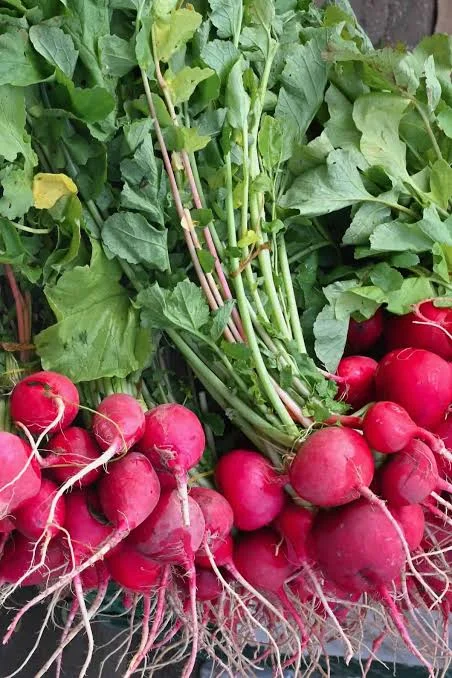
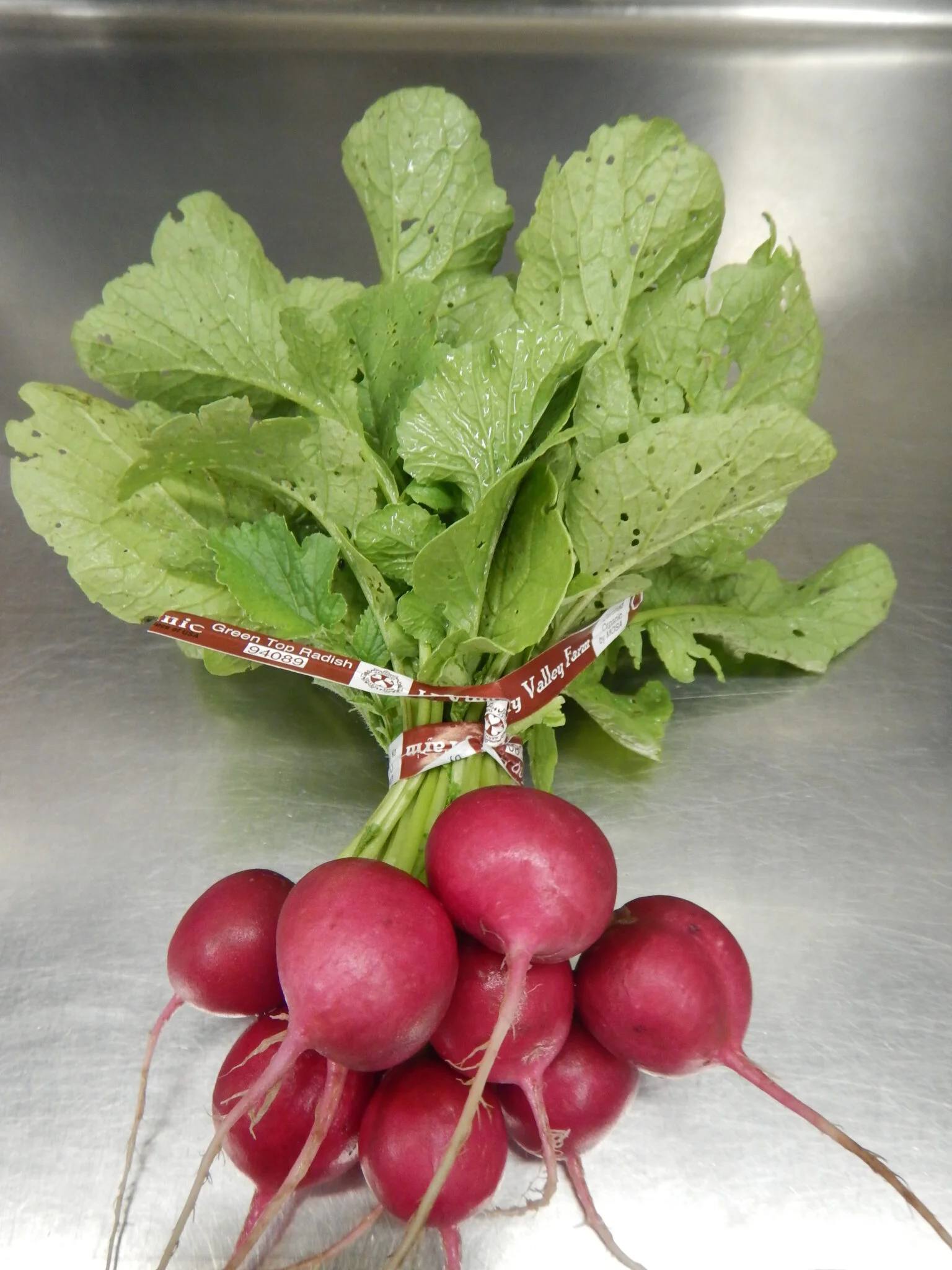
Radish farming in Kenya is a great opportunity for farmers looking to diversify their vegetable production. Radishes are root vegetables known for their quick growth, with some varieties ready for harvesting within just a few weeks under favourable conditions. This short growing period allows farmers to plan multiple planting cycles and enjoy more frequent harvests throughout the year.
Their fast maturity makes radishes a suitable crop for both small-scale farmers and commercial vegetable growers who want to make productive use of their land while exploring different vegetable markets.
Radishes are popular for their crisp texture, slightly peppery flavour, and nutritional value. They are a good source of vitamin C and dietary fibre, making them a healthy addition to everyday meals. The roots are commonly enjoyed raw in salads, sliced into sandwiches, or added to cooked dishes. Some varieties are also used in pickling and other food preparations.
With several ways to prepare and enjoy them, radishes offer versatility in both household kitchens and food businesses.
In Kenya, farmers can explore different markets for radishes, including greengrocers, fresh produce retailers, supermarkets, hotels, and restaurants. They are particularly useful to businesses that prepare fresh salads and international dishes. However, demand may differ from one region to another depending on consumer awareness, eating habits, and market preferences.
Before planting, farmers should take time to understand the demand in their target market and identify potential buyers. Choosing suitable varieties and maintaining a reliable supply of fresh, good-quality roots can also improve their chances of success. With proper planning and attention to market needs, radish farming can be a worthwhile addition to Kenya’s vegetable production sector.
You can also read our article on Carrot Farming in Kenya to learn more about growing healthy root vegetables. Discover suitable planting practices, soil requirements, and crop management techniques that can help improve your yields.
Suitable Climate and Soil Conditions for Growing Radishes
Ideal Temperature and Climate
Radishes perform best in cool to moderately warm weather, with temperatures ranging between 10°C and 20°C being particularly favourable for growth. Under these conditions, the roots develop steadily and are more likely to remain crisp, tender, and well-shaped.
When temperatures become too high, radishes may develop a stronger, unpleasantly pungent flavour or produce tough, woody roots. Excessive heat can also cause plants to flower prematurely before the roots reach a desirable size. Farmers should therefore consider local weather conditions when planning their planting seasons.
Rainfall and Water Requirements
Like most root vegetables, radishes need a consistent supply of moisture to develop properly. Regular watering helps the roots grow evenly, remain tender, and maintain their crisp texture. Where rainfall is unreliable, farmers can supplement it with irrigation to prevent the soil from drying out.
However, watering should be done carefully. Too little moisture can slow growth and affect root quality, while irregular watering may cause the roots to crack. Excess water can also create waterlogged conditions that encourage root problems. Maintaining even soil moisture throughout the growing period helps produce healthier and more uniform radishes.
Suitable Soil Types and pH
The type of soil used has a direct influence on the shape, size, and quality of radish roots. Radishes grow well in loose, fertile, and well-drained soils, with sandy loam and loamy soils being particularly suitable. These soil types allow the roots to expand easily without encountering too much resistance.
A soil pH of approximately 5.5–7.0 provides suitable growing conditions for most radish varieties. Before planting, farmers should prepare a fine seedbed by breaking up large soil clods and removing stones or other obstacles that could interfere with root development.
Incorporating well-decomposed organic manure can further improve soil structure, moisture retention, and nutrient availability. This creates a favourable environment for healthy root growth.
Importance of Proper Drainage
Good drainage is essential when growing radishes because excess water can affect both plant health and root quality. Heavy, compacted soils are particularly unsuitable as they restrict root expansion, often resulting in small, twisted, or misshapen radishes.
Waterlogged soil can also encourage root rot and other soil-related problems. Farmers should therefore ensure that their land drains properly, especially during periods of heavy rainfall. Proper land preparation, combined with suitable soil management, helps create the conditions needed for uniform root development and a better-quality harvest.
Suitable Radish-Growing Regions in Kenya
Several parts of Kenya offer favourable conditions for radish farming, particularly areas with relatively cool temperatures and suitable soils. These include parts of Kiambu, Nyeri, Meru, Nakuru, and Uasin Gishu counties, where highland conditions can support healthy crop development.
However, not every location within these counties will have the same growing conditions. Factors such as altitude, temperature, rainfall distribution, and soil characteristics all influence how well radishes perform.
Farmers in warmer regions can also grow radishes by selecting varieties suited to their local conditions and planting during cooler periods of the year. Where rainfall is insufficient, irrigation can help maintain the moisture needed for proper root development.
Understanding the conditions in a particular growing area allows farmers to make better planting decisions, reduce avoidable production challenges, and produce healthy, uniform radishes that are more likely to meet market expectations.
Popular Radish Varieties to Grow in Kenya
Common Radish Varieties
Radishes come in different varieties, with red, white, and daikon types being among the most recognised. Red radishes are popular for their round shape, bright skin, and crisp white flesh, making them suitable for salads and fresh consumption. White radishes are available in different shapes and sizes, while daikon radishes produce long, white roots commonly used in cooking, pickling, and Asian dishes.
Differences in Root Size, Maturity, and Flavour
Radish varieties differ in root shape, colour, flavour, and the time they take to mature. Many common red radishes are ready for harvesting within approximately 25–35 days under favourable conditions. White varieties may mature within a similar period, while larger daikon types often require around 45–70 days, depending on the cultivar and growing conditions.
Red radishes generally have a crisp texture and mildly peppery flavour, while white varieties can range from mild to pungent. Daikon radishes often have a milder taste and larger roots, making them suitable for different culinary uses. Yield potential depends on the variety, soil fertility, spacing, moisture, and overall crop management.
Choosing the Right Variety for Commercial Production
Farmers should select radish varieties based on local market demand, climate suitability, maturity period, and the preferences of potential buyers. Red radishes may suit greengrocers, salad vendors, and restaurants, while larger white and daikon varieties may appeal to specialised vegetable markets and restaurants serving international cuisine.
Seed availability and adaptability to local growing conditions are also important considerations. Before investing in large-scale production, farmers should consult reputable seed suppliers, confirm the variety’s maturity period, and identify buyers who are willing to purchase the expected root size and type. Growing a variety that matches market requirements can
Land Preparation and Planting Radish Seeds
Preparing the Land for Planting
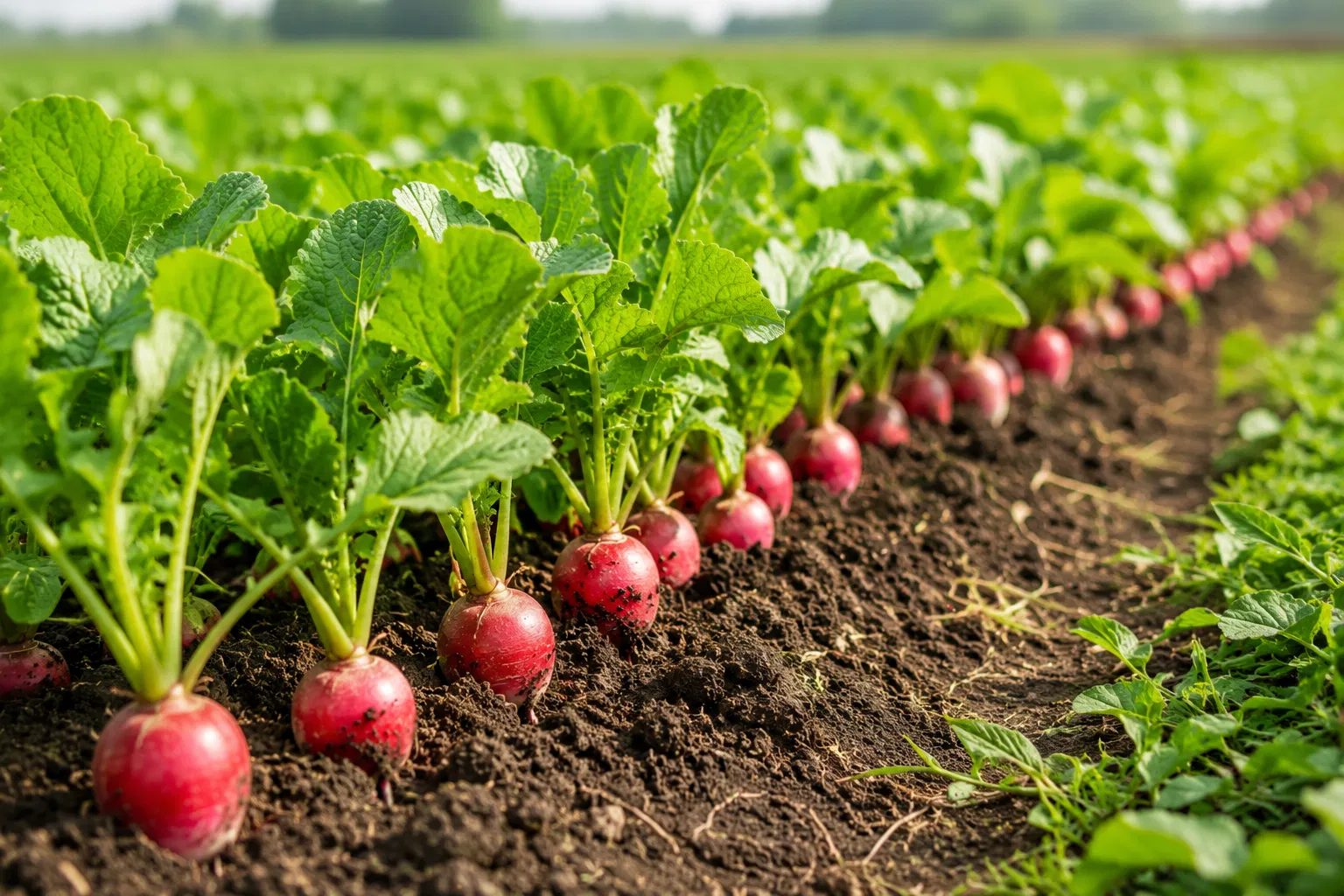
Proper land preparation helps radishes develop straight, smooth, and well-shaped roots. Farmers should clear the field of weeds, stones, and crop residues before loosening the soil to a depth of about 20–30 cm.
Incorporating well-decomposed organic manure improves soil structure and fertility, while removing large clods creates a fine seedbed that supports uniform root development.
The field should be level and well-drained to prevent waterlogging during the growing period. Avoid using fresh manure because it may encourage excessive leafy growth and contribute to irregular root development. Good land preparation also makes planting, watering, and subsequent weed control easier.
Recommended Planting Depth and Spacing
Radish seeds should generally be planted about 1–2 cm deep in moist, well-prepared soil. Seeds can be spaced approximately 2.5–5 cm apart within rows, with rows separated by about 15–30 cm, depending on the variety and expected root size. Larger varieties, such as daikon, may require wider spacing to allow sufficient room for root expansion.
Seed rates depend on seed size, variety, spacing, and the planting method used. Farmers should follow the seed supplier’s recommendations and avoid overcrowding, which can lead to small roots and uneven development. Where seedlings emerge too close together, thinning should be done early to maintain the recommended spacing.
Direct Sowing and Seed Germination
Radishes are usually established through direct sowing because their roots can be disturbed during transplanting. Farmers can sow seeds in shallow drills or individual planting spots, cover them lightly with fine soil, and water gently after planting. Under favourable conditions, germination commonly occurs within 3–7 days, depending on temperature, soil moisture, and seed quality.
Consistent soil moisture is essential during germination and early seedling development. The soil should remain moist but not waterlogged, as excessive water can reduce oxygen availability and encourage seed rot. Light, frequent watering may be necessary during dry weather to support uniform emergence and establish a healthy crop.
Watering and Nutrient Management for Healthy Radish Roots
Water Requirements at Different Growth Stages
Radishes require a steady supply of moisture throughout their growing period to support healthy leaves and root development. During germination, the soil should remain consistently moist to encourage uniform seed emergence. As the plants develop, regular watering helps roots expand properly, especially during dry weather when rainfall is insufficient.
Farmers should adjust watering according to soil type, temperature, and rainfall. Sandy soils may require more frequent watering because they drain quickly, while heavier soils retain moisture for longer. Watering early in the morning helps maintain adequate soil moisture while reducing unnecessary evaporation during hotter periods.
Maintaining Consistent Soil Moisture
Consistent soil moisture is essential for producing crisp, tender, and well-shaped radish roots. Irregular watering, particularly alternating between dry soil and excessive moisture, can cause roots to crack or develop a tough, woody texture. Water stress and high temperatures may also contribute to a stronger, more pungent flavour that some consumers find undesirable.
Farmers should monitor soil moisture regularly and avoid allowing the root zone to dry out completely. Applying organic mulch around established plants can help reduce evaporation and maintain more stable soil moisture. Proper drainage is equally important because excessive watering and waterlogged conditions can encourage root rot and affect crop quality.
Applying Organic Manure and Fertilisers
Radishes grow well in fertile soil with sufficient nutrients to support balanced leaf and root development. Before planting, farmers can incorporate well-decomposed farmyard manure or compost to improve soil structure, moisture retention, and nutrient availability. The manure should be fully decomposed to avoid problems associated with fresh manure, including irregular root development.
Where additional nutrients are needed, farmers can use suitable organic fertilisers based on soil testing and crop requirements. Apply nitrogen carefully, as excessive amounts may encourage leafy growth at the expense of root development.
Adequate phosphorus and potassium help support root growth and overall plant health, while balanced nutrient management can improve root size, uniformity, and market quality.
Weed Control and General Radish Crop Management
Early Weed Control
Weeds compete with radishes for water, nutrients, sunlight, and growing space. Removing them early helps young plants establish themselves and develop healthy roots. Regular weeding also reduces competition that can lower yields.
Hand weeding and shallow hoeing are effective ways to control weeds in radish fields. Farmers should avoid deep cultivation because it can damage developing roots. Removing weeds before they spread also makes crop management easier.
Thinning Seedlings for Better Root Development
Thinning involves removing excess seedlings to give the remaining plants enough room to grow. Overcrowding causes competition for nutrients and moisture, often resulting in small or misshapen roots. Farmers should thin seedlings once their first true leaves appear.
Most small-rooted varieties can be spaced approximately 2.5–5 cm apart within rows. Larger varieties may require wider spacing for proper root development. Careful thinning encourages uniform growth and improves the quality of harvested radishes.
Regular Field Monitoring and Crop Care
Farmers should inspect their radish crops regularly for wilting, leaf damage, uneven growth, and signs of pests. Early identification allows problems to be addressed before they significantly affect yields. Soil moisture and drainage should also be checked frequently.
Consistent watering, timely weeding, and proper nutrient management help maintain healthy plants. Farmers should avoid disturbing the soil around developing roots to prevent damage. Regular crop monitoring supports better root quality and increases the proportion of radishes suitable for sale.
Organic Farming Practices for Radish Production in Kenya
Using Organic Manure and Safi Sarvi Organic Fertilisers
Organic manure and compost help improve soil fertility and create favourable conditions for healthy radish root development. Farmers can incorporate well-decomposed farmyard manure before planting to improve soil structure, moisture retention, and nutrient availability. Combining organic matter with suitable organic fertilisers supports balanced crop growth and productive soil.
Farmers can also incorporate Safi Sarvi Organic Fertiliser into their soil fertility management practices to support soil improvement and nutrient management. When applied according to product recommendations, organic fertilisers can complement well-decomposed manure and help create suitable conditions for radish cultivation. Avoiding fresh manure and excessive nitrogen application also helps reduce the risk of poor root formation.
Crop Rotation and Mulching for Healthy Radishes
Crop rotation helps maintain soil health and reduces the buildup of pests and diseases associated with repeatedly growing the same crop. Farmers can rotate radishes with crops from different plant families, such as maize and beans, to support sustainable land management. Combining crop rotation with organic soil amendments helps maintain productive growing conditions.
Mulching with clean organic materials, such as dry grass, helps conserve soil moisture and suppress weed growth. Farmers should apply mulch carefully to avoid excessive moisture around developing roots. Together with appropriate organic fertiliser application, these practices can improve soil conditions and support the production of healthy, marketable radishes.
Soil Fertility and Water Management for Sustainable Production
Consistent watering and proper drainage are essential for producing crisp, well-shaped radish roots. Farmers should maintain adequate soil moisture throughout the growing period while avoiding waterlogging. Drip irrigation and organic mulching can help improve water efficiency, especially during dry periods.
For farmers seeking organic soil improvement solutions, Safi Sarvi Biochar Organic Fertiliser can be considered as part of a broader soil fertility programme. Biochar-based soil amendments may help improve certain soil properties, depending on the soil type and product formulation.
Farmers should follow the product label recommendations and combine suitable soil amendments with responsible watering, crop rotation, and regular field monitoring to support sustainable radish production in Kenya.
Harvesting and Post-Harvest Handling of Radishes
Signs of Maturity and the Right Harvesting Time
Radishes are generally ready for harvesting within 25–35 days for wide small-rooted varieties, while larger types may take longer. Mature roots usually develop their characteristic colour and reach the expected size for their variety. Farmers should check root size by gently exposing the upper part of a few roots before harvesting the entire crop.
Harvesting at the right time helps maintain the crisp texture and mild flavour that consumers prefer. Leaving radishes in the ground for too long, especially during hot weather, can result in woody roots, excessive pungency, or splitting. Farmers should follow seed supplier recommendations and monitor crop development to determine the best harvesting period.
Proper Harvesting Techniques
Radishes should be harvested carefully to prevent bruising, cuts, and other damage that can reduce their market value. Farmers can loosen the soil around the roots using their hands or suitable garden tools before pulling the plants gently by their leaves. Harvesting when the soil is slightly moist can make root removal easier.
Damaged roots should be separated from healthy produce to prevent quality problems during handling and storage. Farmers should avoid throwing radishes into containers or piling them too high, as excessive pressure may cause bruising. Gentle handling helps preserve their appearance and reduces post-harvest losses.
Cleaning, Sorting, and Grading
After harvesting, radishes should be cleaned to remove soil and other visible dirt. Clean water should be used where washing is necessary, followed by proper draining to remove excess moisture. The leafy tops can be trimmed according to buyer preferences, while damaged or diseased roots should be removed.
Radishes can then be sorted and graded according to size, colour, shape, freshness, and overall quality. Uniform roots are generally easier to package and present attractively to buyers. Clean, consistent produce can help farmers meet the requirements of greengrocers, supermarkets, hotels, and restaurants.
Packaging and Storage for Freshness
Radishes should be packed in clean, ventilated crates or suitable food-grade containers to protect them during transportation. Overfilling containers should be avoided because pressure can damage the roots and reduce their shelf life. Packaging should also protect the produce from direct sunlight and excessive heat.
For longer freshness, radishes should be kept cool and protected from moisture loss. Refrigeration at approximately 0–4°C with high relative humidity can help maintain quality when suitable facilities are available. Farmers should arrange prompt transportation and delivery to buyers to minimise spoilage and preserve the crispness of harvested roots.
Market Opportunities and Profitability of Radish Farming in Kenya
Potential Markets for Radishes in Kenya
Radish farmers in Kenya can target fresh produce markets, greengrocers, supermarkets, hotels, and restaurants that use the vegetable in salads and other dishes. Urban centres such as Nairobi, Nakuru, and Kiambu may offer opportunities where consumers and food businesses seek a wider variety of fresh vegetables. Farmers can also approach speciality vegetable retailers supplying customers who prefer international cuisines.
Building relationships with buyers helps farmers understand preferred root sizes, packaging requirements, and delivery schedules. Supplying clean, fresh, and uniform radishes can help growers establish repeat customers. Farmers should confirm local demand before expanding production because radishes may have a smaller market than more commonly consumed vegetables.
Factors Affecting Demand and Selling Prices
Radish prices depend on supply, consumer demand, root quality, seasonality, and the distance between farms and markets. Demand may be higher among restaurants and retailers that regularly prepare salads or specialised dishes. However, prices can fluctuate when several farmers supply the same market or when buyers have limited interest in the crop.
Farmers can improve their competitiveness by producing uniform roots, harvesting at the right time, and minimising post-harvest losses. Comparing prices from several potential buyers can also help growers identify suitable selling opportunities. Understanding local market trends makes it easier to plan planting quantities and avoid producing more radishes than buyers can absorb.
Production Costs and Profitability
The cost of radish farming includes seeds, land preparation, organic manure or fertilisers, irrigation, labour, packaging, and transportation. Although many radish varieties mature quickly, profitability depends on achieving good yields and selling the harvest at prices that cover production expenses. Efficient water use and proper crop management can help farmers control costs.
Farmers should calculate their expected expenses and estimate potential revenue before planting. Keeping records of input costs, harvested quantities, rejected roots, and sales helps determine whether the enterprise is profitable. Starting with a manageable plot can also help growers assess production performance and market response before investing in larger areas.
Identifying Reliable Buyers Before Planting
Identifying buyers before planting helps farmers choose suitable varieties and estimate how much produce they can sell. Growers should contact greengrocers, restaurants, supermarkets, and fresh produce traders to establish their preferred quantities, quality standards, and delivery arrangements. This reduces the risk of harvesting roots without a ready market.
Farmers should also agree on realistic prices and payment terms wherever possible. Supplying consistent quantities and maintaining good communication can strengthen long-term business relationships. By combining market research with careful budgeting and quality production, radish farmers in Kenya can make better-informed decisions and improve their chances of earning sustainable returns.
Conclusion
Radish farming in Kenya offers an opportunity for farmers to diversify their vegetable production and explore new markets. Successful cultivation depends on selecting suitable varieties, preparing fertile, well-drained soil, maintaining consistent moisture, and controlling weeds. Proper crop management helps produce healthy, uniform roots that meet market quality requirements.
Choosing the right variety, managing soil fertility, and harvesting at the correct time are essential for achieving good yields and reducing post-harvest losses. Farmers should also use sustainable practices such as crop rotation, organic manure application, and efficient water management to maintain soil productivity and support healthy crop growth.
For long-term success, farmers should identify reliable buyers before planting and understand local demand, production costs, and selling prices. Supplying fresh, well-graded radishes consistently can help build lasting relationships with greengrocers, supermarkets, hotels, and restaurants. With proper planning and effective marketing, radish farming can become a worthwhile addition to Kenya’s vegetable production sector.