
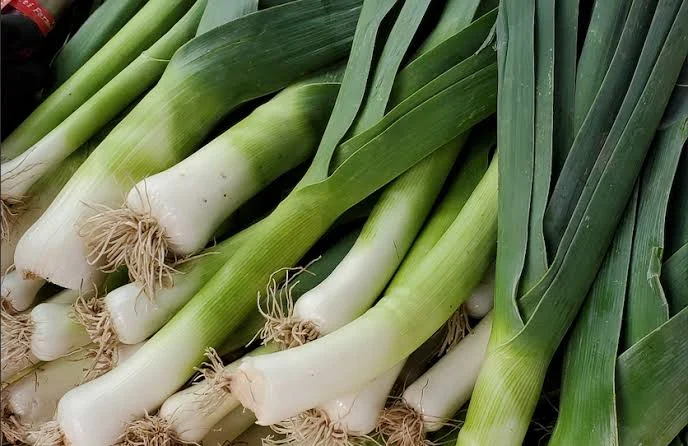
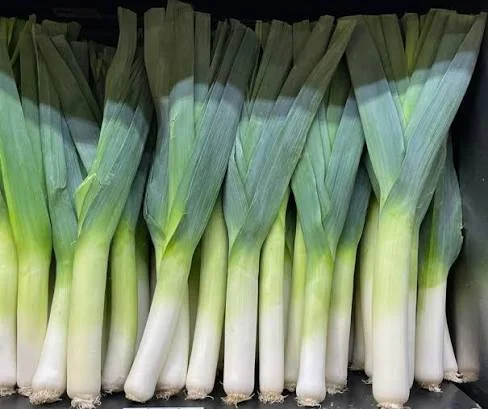
Leek farming in Kenya is an interesting opportunity for farmers looking to diversify their vegetable production and explore new markets. Leeks belong to the onion family and are commonly used in soups, stews, salads, and other meals. Their mild, onion-like flavour makes them a popular ingredient in different cuisines.
The growing demand for fresh vegetables among households, hotels, restaurants, and supermarkets creates potential market opportunities for leek farmers. However, the success of the venture depends on several factors, including production costs, crop management, access to buyers, and prevailing market prices.
Getting started with leek farming requires proper planning, beginning with the selection of suitable varieties and preparation of the planting area. Farmers also need to raise healthy seedlings, provide adequate water, and maintain good soil fertility throughout the growing period. Harvesting at the right stage is equally important, as it helps maintain the quality and appearance of the produce.
Maintaining healthy soil is another important part of successful leek production. Farmers can incorporate suitable organic soil amendments, including organic fertiliser such as Safi Sarvi, as part of their soil fertility management practices. Combining these inputs with proper crop care helps create favourable conditions for plant growth.
If you are interested in growing other vegetables from the same plant family, you can also explore our guide on Onion Farming in Kenya. It covers planting, crop management, and harvesting practices that farmers can apply when growing another member of the allium family.
Climatic and Soil Requirements for Leek Farming
Suitable Temperatures and Climatic Conditions
Leeks grow well in relatively cool conditions, with temperatures ranging between 13°C and 24°C generally favouring their development. They can tolerate cool weather, making them suitable for several highland areas in Kenya. However, extremely hot conditions may affect plant growth, particularly when accompanied by insufficient soil moisture.
Adequate sunlight is necessary for healthy leaf development and photosynthesis. Leeks also need a consistent supply of moisture throughout their growing period, especially when seedlings are establishing and plants are actively developing.
In areas where rainfall is unreliable, farmers can supplement it with irrigation to prevent moisture stress. Watering should be managed carefully, however, because excessively wet soil can damage roots and interfere with normal plant development. Maintaining the right balance helps support healthy growth and good-quality stems.
Ideal Soil Type, Fertility, and pH
The quality of soil plays an important role in determining how well leeks develop. The crop performs best in deep, fertile, well-drained loamy soils with sufficient organic matter. Loose soil allows roots to spread easily, while good drainage prevents excess moisture from accumulating around the plants.
Different soil types may require some improvement before planting. For instance, heavy soils may need better drainage to prevent waterlogging, while sandy soils can benefit from additional organic matter to improve their ability to retain moisture and nutrients.
A soil pH of approximately 6.0–7.0 is generally suitable for leek cultivation. When soil conditions are too acidic or alkaline, the availability of certain nutrients may be affected, which can interfere with plant growth. Conducting a soil test before planting can help farmers understand their soil’s pH and nutrient status.
Preparing the land with well-decomposed organic manure is another useful practice. It helps improve soil structure and contributes to nutrient availability as the crop develops. Farmers can also select suitable organic fertilisers based on their soil conditions and the nutritional needs of the crop.
Suitable Regions for Leek Farming in Kenya
Several parts of Kenya have climatic conditions that can support leek production. These include areas within Kiambu, Nyandarua, Nyeri, Meru, Nakuru, and Uasin Gishu counties, where relatively cool highland conditions can favour crop growth.
However, growing conditions are not the same throughout these counties. Differences in altitude, temperature, rainfall, and soil characteristics can influence how well leeks perform in a particular location.
Before establishing a commercial leek farm, farmers should assess the conditions on their land. Areas with fertile, well-drained soils and access to reliable water sources are generally more suitable than fields that experience prolonged water shortages or frequent waterlogging. Local agricultural extension officers can also provide guidance on suitable varieties and production practices.
For farmers who are unsure about how leeks will perform in their area, starting with a small trial can be a practical approach. This makes it easier to observe crop development and identify any challenges before investing in large-scale production. Access to potential buyers, transport, and suitable post-harvest handling facilities should also be considered when choosing a production site.
Leek Varieties Suitable for Growing in Kenya
Leeks come in different varieties, with noticeable differences in maturity periods, stem size, leaf colour, and growing characteristics. Some varieties mature relatively quickly, while others take longer but produce larger stems.
Understanding these differences helps farmers choose planting materials that suit their production plans and the preferences of their intended buyers.
Carentan Leeks
Carentan is a leek variety recognised for its relatively thick stems and blue-green leaves. It is commonly grown for its good stem development and culinary use. Its reported maturity period is approximately 75–90 days, although the actual time to harvest may vary depending on the growing environment and crop management practices.
Farmers considering this variety should check the specific seed type available from their supplier and confirm its recommended growing conditions. This helps ensure that the selected planting material is suitable for their production area.
King Richard Leeks
King Richard is an early-maturing leek variety known for its long, slender stems and attractive green foliage. It is often ready for harvesting in approximately 75 days under favourable conditions, although this period can change depending on temperature, soil fertility, and general crop care.
One of its useful characteristics is that farmers can harvest it at different stages depending on the desired stem size. This flexibility can be helpful when supplying different buyers with varying preferences for leek size and appearance.
Giant Musselburgh Leeks
Giant Musselburgh is a traditional leek variety known for producing large stems and broad green leaves. Compared with early-maturing varieties such as King Richard, it generally requires a longer growing period before reaching full maturity.
Its larger stems may appeal to buyers who prefer bigger leeks for cooking and food preparation. However, farmers should consider the additional time required before harvesting and assess whether the variety performs well under their local growing conditions.
Differences in Maturity Periods, Stem Size, and Adaptability
Leek varieties differ in how long they take to mature and the size of stems they produce. Early-maturing types can be useful for farmers looking for a shorter production cycle, while varieties that take longer may be more suitable when the market prefers larger stems.
Stem shape and thickness also influence the choice of variety. Some produce long, slender stems, while others develop thicker stems that may appeal to different buyers. These characteristics should be considered alongside the intended harvesting period and market requirements.
It is also important to remember that maturity periods are not fixed. Weather conditions, soil fertility, water availability, and general crop management can all influence how quickly leeks reach harvest size.
Factors to Consider When Selecting Leek Seeds
Choosing the right leek seeds is an important decision because the variety selected will influence the crop’s growth characteristics and eventual market suitability. Farmers should consider the expected maturity period, stem size, local climatic conditions, and availability of quality seeds before making a purchase.
Market preferences should also guide the selection process. For instance, farmers supplying supermarkets, restaurants, and hotels may need to produce leeks with specific stem sizes and appearance. Understanding these requirements beforehand makes it easier to select a variety that meets buyer expectations.
Finally, farmers should purchase seeds from reputable suppliers and check the packaging for the variety name, germination information, and expiry date. Where the performance of a particular variety under Kenyan conditions is uncertain, planting a small trial first can help farmers assess its suitability before committing to large-scale production.
Land Preparation for Leek Farming
Clearing the Land and Removing Weeds
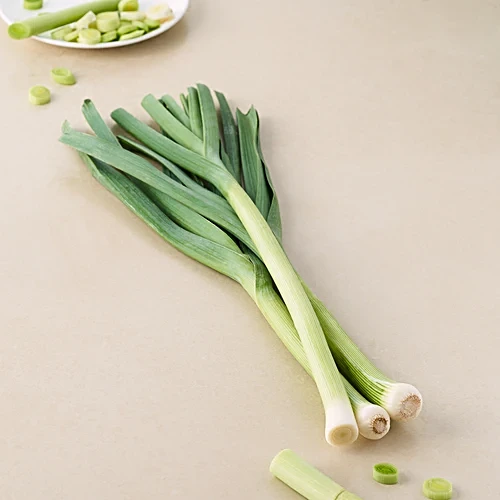
Begin by clearing the field of bushes, crop residues, stones, and other materials that may interfere with planting. Remove existing weeds because they compete with leeks for water, nutrients, sunlight, and space. Perennial weeds should be removed carefully to minimise regrowth. Farmers should also ensure that the field is accessible for irrigation and routine crop maintenance.
Preparing Fine, Well-Drained Soil
After clearing the land, dig or plough the soil to loosen compacted areas and break large soil clods. Prepare a fine, level seedbed for direct sowing or nursery establishment. For transplanted seedlings, ensure the soil is loose enough to allow roots to establish without obstruction.
Good drainage is essential because leeks require consistent moisture but do not perform well in waterlogged soil. Where drainage is poor, farmers can prepare raised beds or planting ridges to help excess water drain away. The soil should remain moist and workable without becoming excessively compacted.
Incorporating Well-Decomposed Organic Manure
Apply well-decomposed organic manure during land preparation to improve soil structure and contribute nutrients for crop growth. Spread the manure evenly across the field and mix it thoroughly into the topsoil before planting. Avoid fresh manure because it can damage young plants and may introduce weed seeds or harmful microorganisms.
The amount of manure required depends on soil fertility, manure quality, and the crop’s nutrient needs. Where possible, conduct a soil test to guide manure and fertiliser application. Proper incorporation allows the organic material to become part of the soil before seedlings are planted, supporting moisture retention and healthier root development.
How to Plant Leeks in Kenya
Seedbed Preparation
Prepare a nursery bed with fine, fertile, well-drained soil. Sow leek seeds in shallow drills approximately 1 cm deep and cover them lightly with soil. Water gently to maintain consistent moisture without washing away the seeds. Germination usually takes about 7–14 days under suitable conditions, although temperature and moisture can affect the timing.
Keep the nursery free from weeds and protect young seedlings from heavy rainfall and excessive heat. Water regularly to prevent the soil from drying out, but avoid waterlogging. Healthy seedlings should develop strong roots and several leaves before they are transplanted into the main field.
Seedling Transplanting
Leek seedlings are generally ready for transplanting when they are approximately 8–12 weeks old, depending on their growth and growing conditions. At this stage, they should be strong enough to withstand movement from the nursery to the main field. Water the nursery before lifting the seedlings to make removal easier and reduce root damage.
Transplant the seedlings into moist soil, preferably during the cooler parts of the day. Make a planting hole deep enough to accommodate the roots, position each seedling carefully, and firm the soil gently around its base. Water immediately after transplanting to help the roots establish. Avoid burying the growing point under the soil.
Spacing and Planting Depth
Spacing depends on the variety, desired stem size, and production system. A practical starting point is to leave approximately 10–15 cm between plants and 30–45 cm between rows. Wider spacing may be appropriate for varieties that produce larger stems or where farmers need easier access for weeding and harvesting.
Some farmers plant seedlings in holes approximately 10–15 cm deep to encourage the development of longer white stems. However, the planting depth should accommodate the roots without covering the growing point. Soil can later be drawn gently around the lower stems as the plants develop to increase the blanched portion.
Plant Population
Maintaining adequate spacing helps reduce competition for sunlight, water, and nutrients. Overcrowded plants may develop thinner stems and become more difficult to weed and harvest, while excessively wide spacing can reduce the number of plants grown per unit of land.
At a spacing of 10–15 cm between plants and 30–45 cm between rows, farmers can expect approximately 148,000–333,000 planting positions per hectare before allowing for paths and other field losses. The actual plant population will depend on the selected spacing and usable field area. Farmers should choose a spacing that balances stem size, crop management, and the requirements of their target market.
Watering and Crop Management for Leek Farming
Water Requirements at Different Growth Stages
Leek seeds and young seedlings require consistent moisture for germination and establishment. During this stage, farmers should water gently and regularly to prevent the nursery soil from drying out. Excessive watering should be avoided because waterlogged soil can damage young roots.
After transplanting, leeks need adequate water to establish their roots and produce new leaves. Water requirements increase as plants grow, particularly during dry weather. Farmers should check soil moisture regularly and irrigate when necessary, ensuring that water reaches the root zone without saturating the soil.
Suitable Irrigation Methods for Leek Farming
Drip irrigation is suitable for leek farming because it delivers water directly to the root zone and can reduce water wastage. It also helps maintain consistent soil moisture when properly managed. However, the system requires an initial investment and regular maintenance.
Furrow irrigation can also be used where the field has suitable slopes and drainage. Water flows through shallow channels between rows, allowing moisture to reach the roots. Overhead sprinklers are another option, particularly for smaller farms, although irrigation should be managed carefully to avoid excessive wetness and uneven watering.
Weed Control and Routine Field Maintenance
Weeds compete with leeks for water, nutrients, sunlight, and growing space, especially during early development. Farmers should remove weeds regularly through shallow hand-weeding or careful hoeing to avoid damaging the leek roots. Maintaining clean planting rows helps reduce competition and makes crop inspection and harvesting easier.
Routine field maintenance should include checking soil moisture, repairing irrigation systems, and removing badly damaged plant material. Farmers should also inspect the crop regularly for unusual leaf discolouration, poor growth, or other signs of stress. Addressing problems early helps maintain healthy plants throughout the growing period.
Earthing Up to Encourage Longer, Blanched Stems
Earthing up involves drawing loose soil around the lower portions of leek stems as the plants grow. This reduces light exposure to the covered stem sections, encouraging them to remain white rather than turning green. The white portion is valued in many markets because of its mild flavour and tender texture.
Farmers should earth up gradually as the stems develop, ensuring that soil does not cover the central growing point or become trapped between the leaves. The soil should be loose and free from large clods to avoid damaging the plants. Proper earthing up can improve stem appearance and marketability, particularly when buyers prefer leeks with longer white sections.
Fertilizer Requirements for Leek Farming
Importance of Soil Fertility and Balanced Nutrient Management
Leeks need nitrogen for leaf growth, phosphorus for root development, and potassium for essential plant functions. Adequate nutrition supports healthy growth and the development of marketable stems. However, excessive fertilizer application can increase production costs and create nutrient imbalances.
Conducting a soil test before planting helps identify nutrient deficiencies and guides fertilizer selection. Farmers should also monitor plant growth throughout the season to determine whether additional nutrients are necessary.
Using Well-Decomposed Organic Manure
Apply well-decomposed organic manure during land preparation, preferably two to three weeks before planting or transplanting. Mix it thoroughly into the topsoil to improve soil structure, increase organic matter, and contribute nutrients for crop growth.
The amount required depends on soil fertility and manure quality. Avoid fresh manure because it may damage young roots and introduce weed seeds or harmful microorganisms.
Applying Safi Sarvi Premium Planting Fertilizer
Safi Sarvi Premium Planting Fertilizer can be incorporated into the soil during land preparation or applied at planting, depending on its formulation and recommended use. Applying planting fertilizer at the appropriate stage helps supply nutrients during early crop establishment.
Avoid placing concentrated fertilizer directly against seeds or young roots unless the product is specifically designed for that application method.
Using Safi Sarvi Premium Topper Fertilizer
Apply Safi Sarvi Premium Topper Fertilizer after transplanted seedlings have established and begun producing new leaves, provided the product is suitable for leek cultivation. This stage allows farmers to support nutrient requirements as plants enter active vegetative growth.
Further applications should depend on the crop’s nutritional needs and the recommended application interval. Avoid excessive feeding, particularly where soil fertility is already high.
Applying Safi Foliar Fertilizer
Safi Foliar can supplement the crop’s nutrient supply during active growth if its formulation is suitable for leeks. Foliar feeding may help address certain nutrient deficiencies, but it should complement rather than replace appropriate soil fertility management.
Apply the product at the recommended dilution during cooler parts of the day to reduce the risk of leaf damage. The frequency of application depends on the product instructions and the crop’s needs.
Leek Fertilizer Application Schedule
A practical fertilizer programme can follow these stages:
- Two to three weeks before planting: Incorporate well-decomposed organic manure during land preparation.
- At planting or transplanting: Apply Safi Sarvi Premium Planting Fertilizer where appropriate.
- After seedling establishment: Apply Safi Sarvi Premium Topper Fertilizer to support active growth.
- During vegetative growth: Use Safi Foliar as a supplementary nutrient source when needed.
- Throughout the growing period: Monitor crop development and soil moisture to maintain balanced nutrition.
The exact application rates and intervals depend on soil conditions, crop requirements, and the formulation of each product. A well-planned fertilizer programme helps farmers manage nutrient costs while supporting healthy leek development.
Harvesting and Post-Harvest Handling of Leeks
Harvesting leeks at the right stage helps farmers obtain tender stems with good appearance and market quality. Proper handling after harvesting is equally important because damaged or poorly stored leeks can lose moisture and freshness. Farmers should plan harvesting around crop maturity and the requirements of their intended buyers.
Signs That Leeks Are Ready for Harvesting
Leeks are generally ready for harvesting when their stems have reached the desired thickness and length for the target market. The white lower portion should be well developed, while the leaves should appear healthy and firm. Farmers should assess stem size rather than relying entirely on the plant’s age.
Harvesting at the appropriate stage helps maintain tenderness and quality. Leaving leeks in the field for too long may result in oversized or tougher stems, depending on the variety and growing conditions. Farmers should check the crop regularly as it approaches maturity.
Expected Maturity Period for Leeks
Leeks commonly take approximately 90–150 days to mature, although some varieties may mature earlier or require a longer growing period. The actual harvesting time depends on the variety, temperature, soil fertility, moisture availability, and crop management. Farmers should consult the seed supplier’s maturity information when planning production.
Early-maturing varieties may allow quicker harvesting, while varieties grown for larger stems may need additional time. Monitoring plant development helps farmers determine when the crop has reached a suitable marketable size rather than harvesting according to a fixed calendar alone.
Proper Harvesting Methods to Prevent Stem Damage
Water the field lightly before harvesting if the soil is dry and hard, as this can make lifting the plants easier. Use a garden fork or suitable digging tool to loosen the soil around the roots, then lift each leek carefully. Avoid pulling forcefully because this may break the stems or damage the lower portion.
After lifting, shake off loose soil gently and trim the roots if required by the buyer. Remove damaged outer leaves without cutting away too much healthy material. Harvesting during cooler parts of the day can also help reduce moisture loss before the leeks are moved to a shaded handling area.
Cleaning, Sorting, Storage, and Transportation
Remove excess soil from the stems and roots. If washing is necessary, use clean water and allow the leeks to drain properly before packing. Sort the harvested crop according to stem size, freshness, and overall appearance, separating damaged or diseased specimens from marketable produce.
Store leeks in a cool, shaded environment while preparing them for sale. Refrigeration can help maintain freshness for longer, while high temperatures and direct sunlight accelerate moisture loss. Avoid leaving harvested leeks exposed to the sun for extended periods.
For transportation, arrange the leeks carefully in clean crates or suitable containers to prevent crushing and bending. Keep them protected from excessive heat and handle them gently during loading and unloading. Proper post-harvest handling helps preserve appearance, reduce losses, and deliver better-quality leeks to retailers, restaurants, and other buyers.
Marketing Opportunities for Leeks in Kenya
Potential Markets for Leeks in Kenya
Leek farmers can target greengrocers, fresh produce retailers, supermarkets, hotels, restaurants, and catering businesses. These buyers may use leeks in soups, sauces, salads, and other dishes. Farmers can also explore supplying vegetable vendors and fresh produce distributors who serve urban markets.
Direct sales to restaurants and hotels may provide opportunities to develop regular supply arrangements, although buyers may require specific stem sizes and consistent quality. Farmers should contact potential customers before harvesting to establish their purchasing quantities, delivery schedules, and payment terms.
Factors Affecting Leek Demand and Market Prices
Demand and selling prices depend on factors such as location, season, available supply, product quality, and buyer preferences. Since market conditions vary, farmers should not assume that leeks will command the same price throughout the year or across different regions.
Transport costs, packaging, labour, and post-harvest losses also affect profitability. Farmers should compare prices offered by different buyers and calculate their production and delivery costs before agreeing to supply arrangements. Checking local market conditions regularly helps them make informed decisions about when and where to sell.
Importance of Quality, Consistent Supply, and Reliable Buyers
Producing clean, fresh leeks with firm stems, healthy leaves, and minimal damage helps farmers meet buyer expectations. Proper harvesting, sorting, and handling also improve presentation and reduce losses during transportation.
Consistent supply can help farmers build long-term relationships with retailers, restaurants, and other customers. Before expanding production, farmers should confirm buyers’ expected quantities, quality standards, delivery schedules, and payment terms. Starting with manageable production volumes and gradually expanding as demand becomes clearer can help reduce marketing risks and support sustainable farm operations.
Conclusion
In conclusion, Leek farming in Kenya offers farmers an opportunity to diversify vegetable production where suitable growing conditions and reliable markets are available. Successful cultivation depends on selecting appropriate varieties, preparing fertile soil, maintaining consistent moisture, and providing balanced nutrients throughout the growing period.
Proper harvesting and post-harvest handling are equally important for maintaining quality and reducing losses.
Farmers should assess local growing conditions, production costs, and buyer requirements before investing in large-scale cultivation. Incorporating well-decomposed organic manure and using suitable fertilizers can support soil fertility and healthy crop development.
With proper planning, effective crop management, and reliable market connections, leek farming can become a worthwhile addition to a diversified horticultural enterprise.

