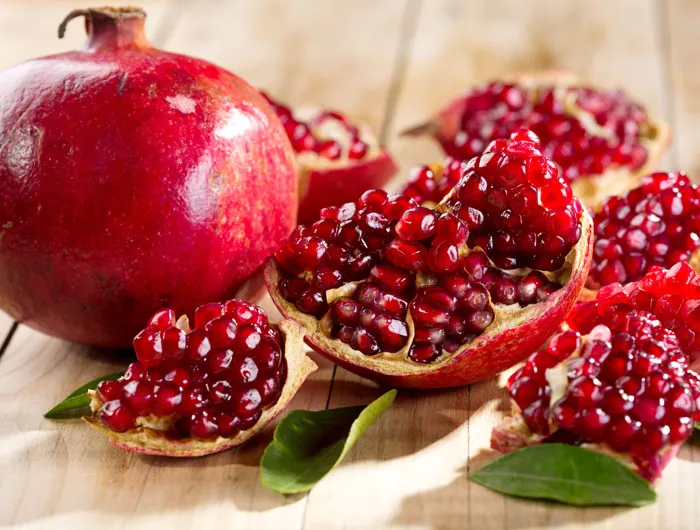
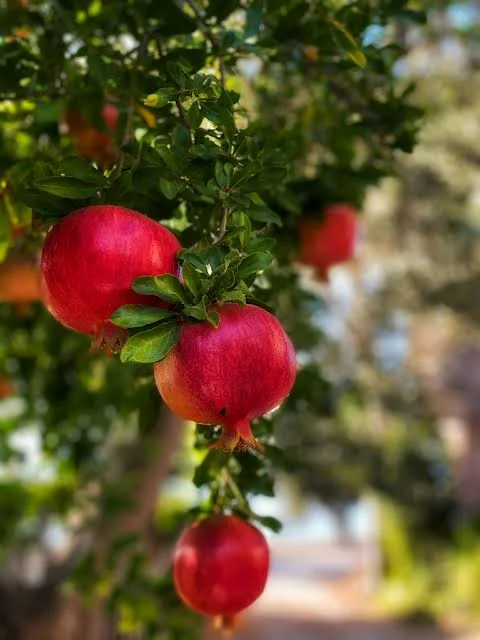
Pomegranate farming in Kenya is gaining attention as farmers explore high-value fruit crops with growing demand. Pomegranates are hardy fruit trees that can perform well in areas with adequate sunlight, well-drained soils, and proper water management.
Overview of Pomegranate Farming in Kenya
Pomegranates can be grown in several parts of Kenya, particularly in areas with warm temperatures and relatively dry conditions. The crop requires good soil drainage, regular watering during establishment, and proper pruning to support healthy growth and fruit production.
Importance and Demand for Pomegranates
Pomegranates are valued for their sweet, juicy fruits and nutritional benefits. The fruits are consumed fresh and are also used to make juices, beverages, salads, and other processed products. Demand from consumers, supermarkets, hotels, fruit vendors, and processors creates opportunities for farmers.
Benefits of Growing Pomegranates Commercially
Commercial pomegranate farming can provide farmers with an additional source of income while making use of land suitable for fruit production. Pomegranate trees can produce fruit for several years when properly managed, and good-quality fruit can attract better prices in the market.
You can read more about Mango Farming in Kenya to learn about another high-value fruit crop. Learn about mango varieties, growing conditions, farm management, harvesting, and marketing.
Climatic and Soil Requirements for Pomegranate Farming
Pomegranates grow well in warm, sunny conditions and can tolerate relatively dry climates once established. Choosing a suitable site with fertile, well-drained soil is important for healthy trees, good fruit development, and consistent yields.
Suitable Temperature
Pomegranates perform well in warm conditions, with temperatures of about 25°C to 35°C being suitable for active growth and fruit development. Very low temperatures can damage young plants, while excessive heat may affect flowering and fruit quality if water is limited.
Rainfall Requirements
Pomegranate trees can tolerate dry conditions, but they require adequate moisture during establishment, flowering, and fruit development. Areas receiving about 500–800 mm of rainfall annually can be suitable when rainfall is well distributed, although irrigation can help maintain consistent production during dry periods.
Altitude
Pomegranates can grow across a range of elevations, generally performing well in low to medium-altitude areas with warm conditions. Selecting an area with adequate sunlight and a suitable temperature range is more important than altitude alone.
Soil Type and Drainage
Pomegranates grow best in deep, fertile, well-drained loamy soils with good water-holding capacity. Waterlogged soils should be avoided because excess moisture can cause root problems and reduce plant growth. A soil pH of around 5.5–7.5 is generally suitable.
Sunlight Requirements
Pomegranate trees require plenty of sunlight for vigorous growth, flowering, and fruit production. Farmers should choose an open site that receives at least 6–8 hours of direct sunlight per day and avoid areas shaded by buildings or large trees.
Pomegranate Varieties Grown in Kenya
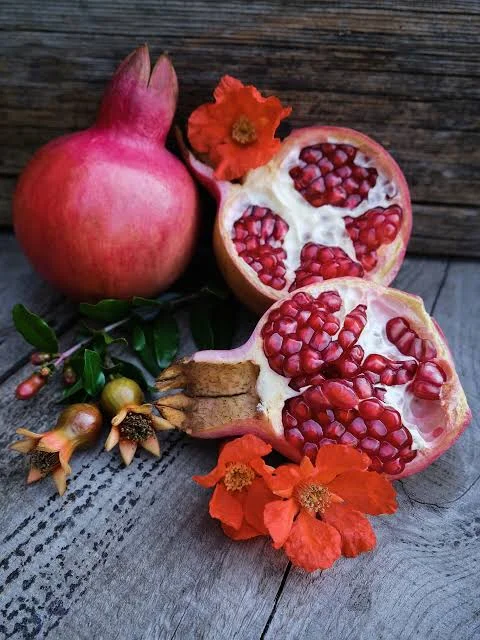
Choosing the right pomegranate variety is important because varieties differ in fruit size, colour, sweetness, maturity period, and market preference. Some varieties suitable for commercial production include Wonderful, Hicaz, Bhagwa, and Acco.
Wonderful
Wonderful is a widely known commercial variety that produces large fruits with deep red skin and attractive red arils. It has a sweet-tart flavour and is suitable for both fresh consumption and juice processing.
Hicaz
Hicaz is known for its deep red fruits and dark-coloured arils. The variety is valued for its attractive appearance, good flavour, and suitability for fresh fruit markets and processing.
Bhagwa
Bhagwa produces medium to large fruits with reddish skin and soft, sweet arils. It is popular for fresh consumption because of its attractive colour and pleasant taste.
Acco
Acco is an early-maturing variety that produces attractive red fruits with sweet arils. Its earlier harvesting period can provide farmers with opportunities to target markets before some other varieties reach maturity.
Land Preparation for Pomegranate Farming
Site Selection
Choose a site with well-drained soil, adequate sunlight, and reliable access to water. Avoid low-lying areas where water can accumulate, as waterlogging can damage pomegranate roots.
Land Clearing
Clear bushes, weeds, crop residues, and other unwanted vegetation from the planting area. Remove tree stumps and large roots that may interfere with planting and allow enough space for farm operations.
Soil Testing
Conduct a soil test before planting to determine the soil’s pH, nutrient levels, and fertility status. The results help farmers determine the appropriate manure, lime, and fertiliser requirements for the orchard.
Manure and Fertiliser Application
Apply well-decomposed farmyard manure or compost to improve soil fertility and organic matter. Fertilisers should be applied according to soil-test recommendations to provide nutrients needed for healthy tree establishment and fruit production.
Farmers can also use Safi Sarvi Organic Biochar Fertiliser to improve soil fertility, enhance nutrient availability, and support healthy root and fruit development.
Land Preparation and Spacing
Plough and harrow the land to create a fine, weed-free planting area. Dig planting holes of suitable size and incorporate well-decomposed manure into the soil before planting. A spacing of about 4–5 metres between trees and 4–5 metres between rows can provide adequate room for growth, sunlight penetration, and orchard management.
Pomegranate Seedlings and Planting
Using healthy planting materials and following proper planting practices helps establish a strong pomegranate orchard. Farmers should select quality seedlings, plant them at the right time, and provide enough space for proper growth.
Choosing Quality Seedlings
Select healthy, vigorous seedlings free of pests, diseases, and physical damage. Seedlings should have a strong root system, well-developed stems, and uniform growth. For commercial production, grafted or properly propagated seedlings from reliable sources are preferred.
Where to Source Seedlings
Farmers can obtain pomegranate seedlings from registered nurseries, certified fruit tree nurseries, agricultural research institutions, and reputable horticultural suppliers. Buying from trusted sources helps ensure that the seedlings are healthy and true to the desired variety.
Planting Time
Pomegranate seedlings should preferably be planted at the beginning of the rainy season when there is sufficient soil moisture. Planting during this period helps young trees establish their roots while reducing the need for frequent irrigation.
Planting Procedure
Dig planting holes before bringing the seedlings to the field and mix the topsoil with well-decomposed manure. Carefully remove the seedling from its container without damaging the roots, place it upright in the hole, and cover the roots with soil. Firm the soil gently around the plant and water immediately after planting.
Recommended Spacing
Pomegranate trees can be planted at about 4–5 metres between trees and 4–5 metres between rows. Adequate spacing allows sufficient sunlight and air circulation while providing room for pruning, harvesting, and other orchard management activities.
Pomegranate Farm Management
Proper farm management is essential for healthy pomegranate trees, good fruit development, and consistent yields. Farmers should maintain adequate moisture, control weeds, prune the trees, and provide nutrients throughout the growing season.
Watering and Irrigation
Young pomegranate trees require regular watering during establishment, especially during dry periods. Mature trees are relatively drought-tolerant but need adequate moisture during flowering and fruit development. Drip irrigation is useful because it delivers water directly to the root zone while reducing water wastage.
Weeding
Regular weeding prevents competition for water, nutrients, and sunlight. Farmers can remove weeds manually, use shallow cultivation, or apply suitable mulch around the trees. Care should be taken not to damage the shallow roots when cultivating near the trees.
Mulching
Apply organic materials such as dry grass, crop residues, or compost around the base of the trees. Mulching helps conserve soil moisture, suppress weeds, regulate soil temperature, and improve soil organic matter as it decomposes.
Pruning and Training
Pruning helps maintain a manageable tree structure and improves sunlight penetration and air circulation. Remove weak, damaged, diseased, and overcrowded branches, as well as unwanted suckers growing from the base. Young trees should be trained to develop a strong framework that can support fruit production.
Fertilizer Application
Apply well-decomposed manure or compost to improve soil fertility and organic matter. Fertilisers should be selected and applied according to soil-test results and the growth stage of the trees. Adequate nutrients support vegetative growth, flowering, fruit development, and overall productivity.
Pollination and Fruit Development
Pomegranates are generally self-pollinating, although insects such as bees can improve pollination and fruit set. Farmers should avoid unnecessary pesticide applications during flowering to protect pollinating insects. Consistent moisture, adequate nutrition, and good sunlight are important during fruit development to support healthy and quality fruits.
Common Challenges in Pomegranate Farming
Pomegranate farmers may face several challenges that can affect tree growth, fruit quality, and overall production. Proper orchard management and early identification of problems can help reduce these losses.
Water Stress
Insufficient water, especially during flowering and fruit development, can reduce growth and fruit size. Irregular watering can also contribute to fruit cracking. Farmers should maintain consistent soil moisture and use irrigation during prolonged dry periods.
Poor-Quality Seedlings
Weak or unhealthy seedlings may result in slow growth, poor yields, and increased susceptibility to pests and diseases. Farmers should source planting materials from reliable nurseries and select healthy seedlings of the desired variety.
Pest Problems
Pests can damage leaves, flowers, shoots, and developing fruits, reducing both yield and fruit quality. Regular monitoring helps farmers identify infestations early and apply appropriate integrated pest management practices.
Fruit Cracking
Fruit cracking can occur when the fruits experience irregular water supply, particularly when dry conditions are followed by heavy watering or rainfall. Maintaining consistent soil moisture and providing balanced nutrition can help reduce the problem.
Poor Fruit Set
Poor pollination, unfavourable weather, nutrient deficiencies, and water stress can result in low fruit set. Maintaining healthy trees and encouraging pollinating insects can help improve fruit production.
Weed Competition
Weeds compete with pomegranate trees for water, nutrients, and sunlight, particularly when trees are young. Regular weeding and the use of organic mulch can help control weeds and maintain favourable growing conditions.
Harvesting and Post-Harvest Handling
Proper harvesting and post-harvest handling help maintain pomegranate quality, reduce fruit damage, and extend shelf life. Farmers should harvest fruits at the right maturity stage and handle them carefully from the orchard to the market.
When Pomegranates Are Ready for Harvest
Pomegranates are ready for harvesting when the fruits have reached their characteristic size and colour and the skin becomes firm and fully developed. The fruits should have well-developed, juicy arils, while the crown at the top may begin to flatten and change colour. Depending on the variety and growing conditions, fruits can mature several months after flowering.
Harvesting Methods
Harvest pomegranates using clean, sharp pruning shears or secateurs to cut the fruit from the tree. Avoid pulling or twisting the fruits because this can damage the skin and branches. Harvesting should preferably be done during cool, dry conditions, and the fruits should be placed gently into clean containers.
Sorting and Grading
After harvesting, sort the fruits to remove those that are damaged, cracked, diseased, or overripe. Grade the healthy fruits according to size, colour, appearance, and overall quality. Proper grading helps farmers meet different market requirements and can improve the value of high-quality fruits.
Storage
Store pomegranates in a cool, dry, and well-ventilated environment away from direct sunlight. Under suitable storage conditions, pomegranates can maintain their quality for several weeks or longer. Regular inspection helps identify fruits showing signs of spoilage.
Packaging and Transportation
Pack pomegranates in clean, strong crates or suitable cartons that provide adequate protection during handling and transportation. Avoid overfilling containers because pressure can cause bruising and cracking. Transport the fruits carefully and protect them from excessive heat, moisture, and rough handling.
Marketing and Profitability of Pomegranate Farming
Pomegranate farming can provide farmers with income opportunities when they produce quality fruits and identify reliable markets. Profitability depends on production costs, fruit yields, market prices, and the ability to reduce post-harvest losses.
Where to Sell Pomegranates in Kenya
Farmers can sell pomegranates through different channels depending on their production volume, fruit quality, and location. Establishing reliable buyers before harvesting can help farmers reduce losses and improve returns.
Local Markets
Local fruit markets, open-air markets, and fruit vendors provide accessible outlets for farmers selling fresh pomegranates. Selling directly to consumers can provide better prices, although farmers may need to handle their own transportation and marketing.
Supermarkets
Supermarkets can provide a market for properly graded and packaged pomegranates. Farmers supplying supermarkets need consistent quality, reliable quantities, and appropriate packaging to meet buyer requirements.
Hotels and Restaurants
Hotels, restaurants, juice bars, and catering businesses can purchase pomegranates for fresh consumption, juices, desserts, and other food products. Farmers can build direct supply arrangements with businesses that require regular deliveries.
Juice Processors
Juice processors can purchase pomegranates in larger quantities for processing into juice and other products. This can provide an alternative market for fruits that may not meet premium fresh-market appearance requirements but are still suitable for processing.
Export Market
The export market offers opportunities for farmers producing high-quality pomegranates that meet required standards. Exporters generally require consistent supply, proper grading, packaging, traceability, and compliance with market and food-safety requirements.
Production Costs
Major production costs include land preparation, seedlings, manure and fertilisers, irrigation, labour, pest and weed management, pruning, harvesting, packaging, transportation, and marketing. Farmers should keep accurate records of these expenses to determine the actual cost of production.
Factors Affecting Profitability
Profitability is influenced by tree productivity, fruit quality, market prices, irrigation costs, labour expenses, post-harvest losses, and access to reliable buyers. Farmers can improve profitability by using quality seedlings, maintaining healthy orchards, reducing fruit losses, and targeting markets that offer suitable prices.
Role of Organic Fertilisers in Pomegranate Farming
Organic fertilisers can improve soil health and provide nutrients needed for healthy pomegranate growth. They can be incorporated into an orchard management program alongside other recommended soil fertility practices.
Benefits of Organic Fertilisers
Organic fertilisers add nutrients and organic matter to the soil while supporting beneficial soil organisms. They can also improve soil structure and moisture retention, especially when used consistently.
Improving Soil Fertility
Regular application of well-decomposed manure, compost, or other organic fertilisers helps replenish nutrients removed through fruit production. Organic matter also improves soil structure, aeration, and water-holding capacity.
Improving Fruit Quality and Yield
Adequate nutrient availability supports healthy vegetative growth, flowering, fruit development, and fruit quality. Maintaining good soil fertility can therefore contribute to better yields and more uniform fruits when combined with proper irrigation and orchard management.
Using Organic Biochar Fertiliser in Pomegranate Production
Organic biochar fertiliser can be incorporated into the soil to improve nutrient availability, soil structure, and moisture retention. Applying a quality biochar-based fertiliser according to soil requirements can support healthy root development and overall pomegranate productivity.
Conclusion and Frequently Asked Questions
In conclusion, pomegranate farming in Kenya can be a promising fruit enterprise when farmers select suitable varieties, use quality seedlings, and provide proper water and nutrient management. Good orchard practices, timely harvesting, and reliable markets are important for maintaining productivity and profitability.
Key Tips for Successful Pomegranate Farming
Farmers should choose a suitable site, plant healthy seedlings, maintain adequate soil moisture, control weeds, prune regularly, and monitor the orchard for pests and diseases. Proper harvesting and post-harvest handling also help maintain fruit quality and reduce losses.
Importance of Proper Orchard Management
Consistent orchard management supports healthy tree growth, flowering, fruit development, and long-term productivity. Practices such as irrigation, mulching, pruning, fertilisation, and regular monitoring should be carried out throughout the production cycle.
Market Potential of Pomegranate Farming
Pomegranates can be sold through local markets, supermarkets, hotels, restaurants, fruit vendors, processors, and potentially export markets. Growing consumer interest in fresh fruits and fruit-based products creates opportunities for farmers who can supply quality produce consistently.
FAQs About Pomegranate Farming in Kenya
Is Pomegranate Farming Profitable in Kenya?
Pomegranate farming can be profitable when farmers achieve good yields, maintain fruit quality, control production costs, and access reliable markets. Profitability varies depending on location, variety, farm size, management practices, and prevailing market prices.
How Long Does Pomegranate Take to Mature?
Pomegranate trees generally begin producing fruit within about 2–3 years after planting, depending on the variety and growing conditions. Commercial production usually improves as the trees become more established.
Which Pomegranate Variety Is Best for Kenya?
Suitable variety selection depends on the local climate, target market, and availability of quality planting materials. Varieties such as Wonderful, Hicaz, Bhagwa, and Acco can be considered for commercial production.
How Many Pomegranates Can One Tree Produce?
Yield per tree varies according to the variety, tree age, spacing, irrigation, soil fertility, and orchard management. Mature, well-managed trees can produce substantially more fruit than young trees.
Where Can Farmers Sell Pomegranates in Kenya?
Farmers can sell pomegranates to local markets, supermarkets, fruit vendors, hotels, restaurants, juice processors, wholesalers, and exporters. Direct agreements with reliable buyers can help farmers secure consistent markets.
Can Pomegranates Grow in Dry Areas of Kenya?
Yes. Pomegranates are relatively tolerant of dry conditions once established and can perform well in suitable warm areas. However, irrigation is important during establishment and during critical stages such as flowering and fruit development, particularly where rainfall is limited.