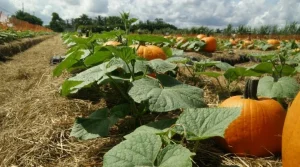
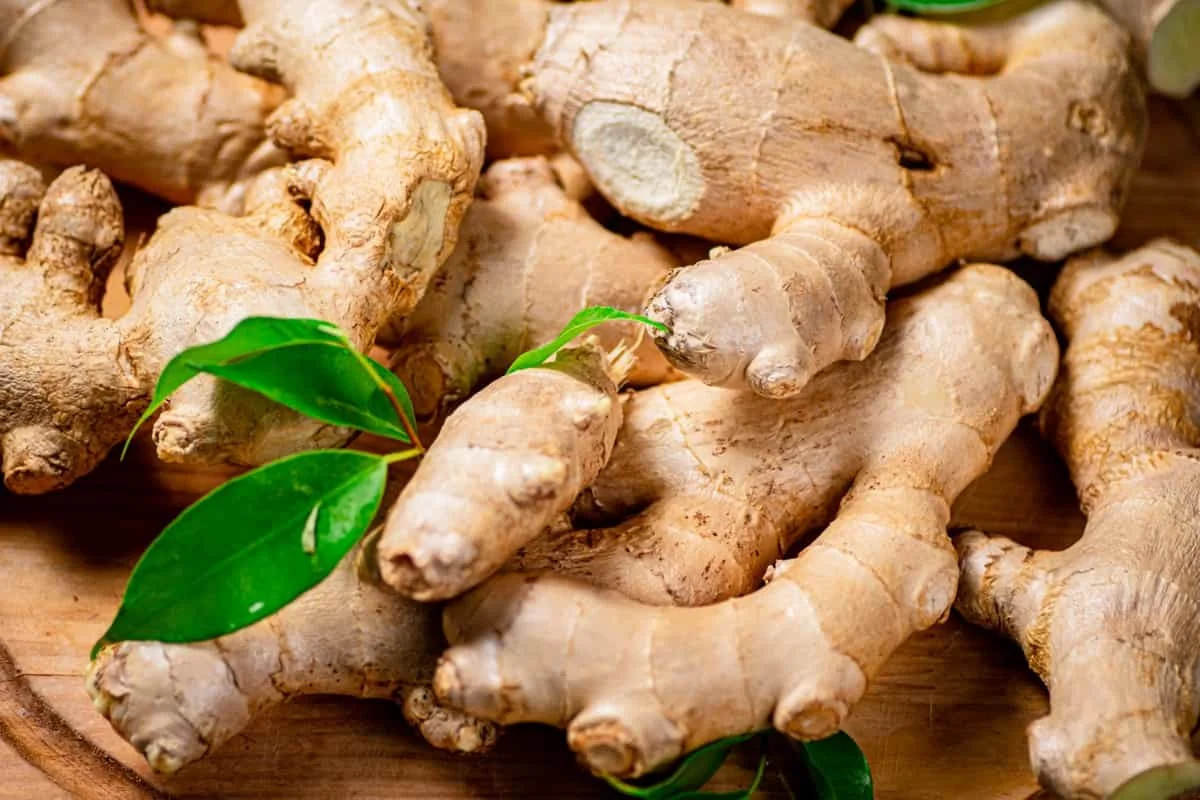
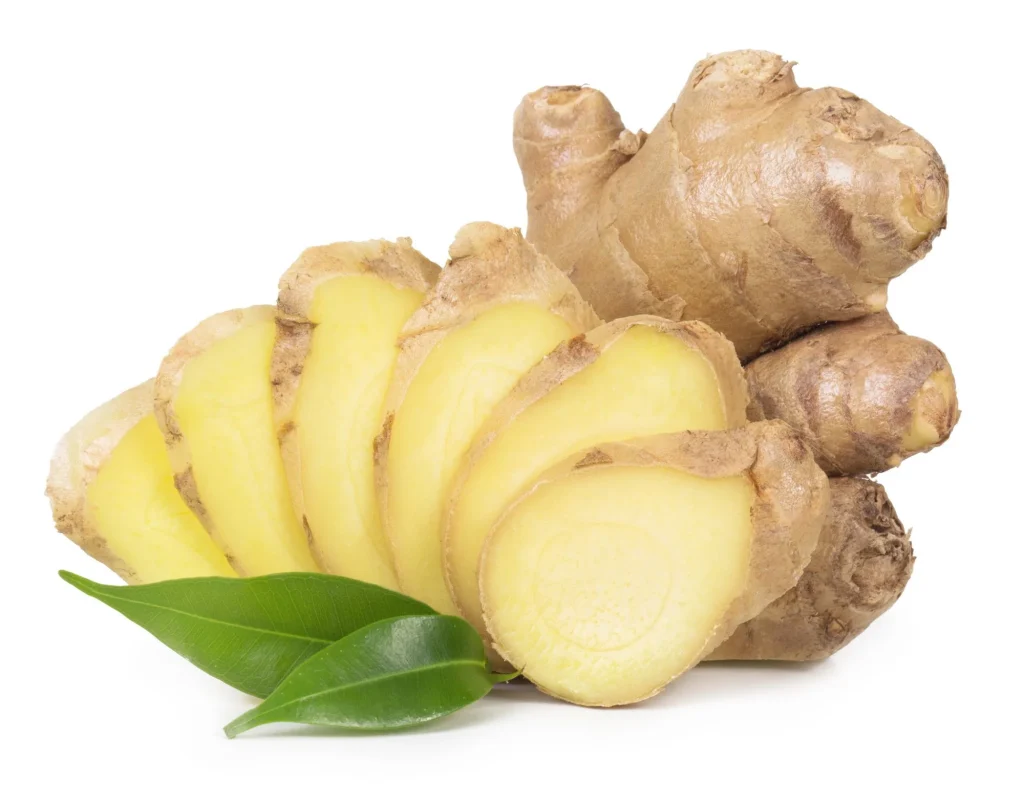
Ginger farming is gaining popularity in Kenya as farmers seek high-value crops that can generate attractive returns from relatively small land sizes.
The crop is increasingly being grown in regions with adequate rainfall and well-drained soils, where demand from local consumers, processors, and export markets continues to rise. With proper management, ginger farming in Kenya can be a profitable venture due to its strong market demand and versatile uses in food, beverages, and herbal products.
One of the most important factors that determines success in ginger farming is soil nutrition. Ginger is a nutrient-demanding crop that requires a steady supply of essential nutrients throughout its growth cycle.
Without adequate nutrition, plants may develop slowly, produce smaller rhizomes, and become
As more farmers focus on sustainable agriculture, organic fertilizers are becoming the preferred option for ginger production. They not only supply nutrients but also improve soil health, enhance moisture retention, and support beneficial soil microorganisms that contribute to long-term productivity.
Why Fertilizer Matters in Ginger Farming
Ginger Is a Heavy-Feeding Crop
Ginger requires substantial amounts of nutrients to support its vigorous vegetative growth and underground rhizome development.
Throughout the growing season, the crop continuously absorbs nutrients from the soil, making fertility management a key component of successful production.
Essential nutrients are needed at different stages of growth. Nitrogen promotes healthy foliage development, phosphorus supports root establishment and rhizome formation, while potassium helps improve rhizome size, quality, and resistance to diseases.
A balanced nutrient supply ensures optimal crop performance from planting to harvest.
Impact of Poor Soil Fertility on Ginger Production
Poor soil fertility can significantly reduce the productivity and profitability of ginger farming. When nutrients are lacking, plants struggle to develop healthy foliage and strong root systems, resulting in weak growth and poor rhizome formation.
Nutrient-deficient soils often produce smaller rhizomes with reduced market value. Yields may decline substantially, affecting overall farm income. In addition, stressed plants become more susceptible to pests, diseases, and adverse weather conditions.
Poor fertility can also lead to uneven crop growth and lower-quality harvests. Farmers may experience reduced rhizome size, poor appearance, and inconsistent maturity, making it more difficult to meet market requirements.
Nutritional Requirements of Ginger
Nitrogen (N)
Nitrogen is essential for vegetative growth and plays a major role in chlorophyll production. Adequate nitrogen promotes healthy green leaves and vigorous stem development, enabling the plant to produce the energy needed for rhizome growth.
A sufficient nitrogen supply helps ginger plants establish a strong canopy that supports photosynthesis throughout the growing season. However, excessive nitrogen should be avoided as it may encourage excessive leaf growth at the expense of rhizome development.
Phosphorus (P)
Phosphorus is important during the early stages of growth because it encourages strong root development and improves crop establishment. Healthy roots allow the plant to access water and nutrients more efficiently.
The nutrient also supports rhizome initiation and development, contributing to better yields and improved crop performance. Fields with adequate phosphorus typically produce stronger plants and more uniform growth.
Potassium (K)
Potassium is one of the most important nutrients for ginger production. It contributes directly to rhizome size, quality, and overall yield while improving the plant’s ability to regulate water use and nutrient movement.
Adequate potassium also enhances resistance to diseases and environmental stress. As a result, ginger plants are better equipped to withstand drought conditions, temperature fluctuations, and other production challenges.
Secondary Nutrients and Micronutrients
In addition to the primary nutrients, ginger requires several secondary nutrients and micronutrients for healthy growth and development.
Calcium helps strengthen cell walls and supports healthy root growth.
Magnesium plays a critical role in chlorophyll formation and photosynthesis, helping plants maintain healthy green leaves.
Sulfur contributes to protein formation and supports overall plant vigor.
Zinc is essential for enzyme activity and proper plant growth, while boron supports nutrient movement, root development, and rhizome formation.
Although required in smaller quantities, these nutrients are crucial for achieving healthy crops and maximizing ginger yields.
Common Signs of Nutrient Deficiencies in Ginger
Nutrient deficiencies can significantly reduce ginger growth, rhizome development, and overall yields.
Identifying deficiency symptoms early allows farmers to take corrective action before productivity is affected. Understanding the signs of nutrient shortages is therefore essential for successful ginger farming.
Nitrogen Deficiency in Ginger
Nitrogen is responsible for healthy vegetative growth and chlorophyll production. When ginger plants do not receive enough nitrogen, growth slows, and leaves lose their healthy green color.
Symptoms
- Pale green or yellow leaves, especially older leaves.
- Stunted plant growth.
- Reduced leaf development and smaller foliage.
Effects on Yield
Nitrogen-deficient plants have a reduced capacity for photosynthesis, limiting the energy available for rhizome formation. This often results in smaller rhizomes and lower overall productivity.
Phosphorus Deficiency in Ginger
Phosphorus plays a critical role in root establishment and rhizome development. Deficiencies are more common in acidic soils where phosphorus becomes less available to plants.
Symptoms
- Slow plant growth.
- Weak and poorly developed root systems.
- Purplish discoloration on older leaves.
Effects on Yield
Without adequate phosphorus, ginger plants struggle to develop healthy rhizomes. The result is reduced rhizome size, poor crop establishment, and lower yields at harvest.
Potassium Deficiency in Ginger
Potassium supports water regulation, disease resistance, and rhizome development. It is one of the most important nutrients for producing high-quality ginger.
Symptoms
- Yellowing or browning along leaf margins.
- Leaf scorching and drying.
- Weak stems and reduced plant vigor.
Effects on Yield
Potassium deficiency often leads to lower rhizome weight and poor quality. Affected plants are also more vulnerable to diseases and environmental stress.
Magnesium Deficiency
Magnesium is a key component of chlorophyll and is essential for photosynthesis.
Symptoms
- Yellowing between leaf veins while veins remain green.
- Older leaves affected first.
- Reduced photosynthetic activity.
If left untreated, magnesium deficiency can reduce plant growth and negatively impact rhizome development.
Calcium Deficiency
Calcium supports strong cell walls and healthy root growth.
Symptoms
- Poor root development.
- Weak plant structure.
- Reduced vigor and growth.
Calcium-deficient plants often struggle to absorb water and nutrients efficiently, affecting overall productivity.
Micronutrient Deficiencies
Although required in smaller amounts, micronutrients are essential for healthy ginger growth.
Zinc Deficiency
Symptoms
- Stunted growth.
- Smaller leaves.
- Reduced plant vigor.
Boron Deficiency
Symptoms
- Poor rhizome formation.
- Reduced nutrient movement within the plant.
- Irregular growth patterns.
Micronutrient deficiencies can significantly affect crop performance even when major nutrients are present in adequate quantities.
Causes of Nutrient Deficiencies in Ginger Farms
Continuous Cropping
Growing ginger repeatedly on the same land without replenishing nutrients gradually depletes soil fertility. Over time, nutrient reserves become exhausted, resulting in poor crop performance.
Soil Acidity Problems
Highly acidic soils can limit the availability of essential nutrients such as phosphorus, calcium, and magnesium. Even when these nutrients are present in the soil, ginger plants may be unable to absorb them effectively.
Nutrient Leaching During Heavy Rainfall
Heavy rainfall can wash nutrients below the root zone, particularly nitrogen and potassium. This is a common challenge in many ginger-growing regions of Kenya.
Poor Organic Matter Content
Soils with low organic matter have limited capacity to retain nutrients and moisture. This increases the risk of nutrient deficiencies and reduces soil productivity.
Overreliance on Synthetic Fertilizers
Long-term use of chemical fertilizers without incorporating organic matter can degrade soil structure and reduce microbial activity. This may eventually lead to nutrient imbalances and declining soil fertility.
What Is the Best Fertilizer for Ginger Farming?
The best fertilizer for ginger farming is one that provides balanced nutrition while improving long-term soil health. Since ginger is grown for its underground rhizomes, farmers should focus on fertilizers that support root development, nutrient uptake, and sustained crop growth throughout the season.
Characteristics of a Good Ginger Fertilizer
An effective ginger fertilizer should:
- Provide a balanced supply of essential nutrients.
- Improve soil fertility and structure.
- Support beneficial soil microorganisms.
- Enhance moisture retention.
- Deliver long-term fertility benefits.
Fertilizers that improve both crop nutrition and soil health tend to produce the most sustainable results.
Organic vs Synthetic Fertilizers for Ginger
Advantages of Organic Fertilizers
Organic fertilizers offer several benefits that make them ideal for ginger production.
Slow Nutrient Release
Organic fertilizers release nutrients gradually, ensuring a steady supply throughout the growing season while reducing nutrient losses.
Improved Soil Structure
The addition of organic matter improves soil aeration, root penetration, and water infiltration.
Better Nutrient Retention
Organic materials increase the soil’s ability to hold nutrients, making them available to crops for longer periods.
Reduced Soil Degradation
Unlike excessive chemical fertilizer use, organic fertilizers help maintain healthy soil ecosystems and support sustainable farming practices.
Limitations of Chemical Fertilizers
While synthetic fertilizers can provide nutrients quickly, they may create long-term challenges if used exclusively.
Soil Acidification Over Time
Repeated use of chemical fertilizers can gradually lower soil pH, reducing nutrient availability.
Nutrient Imbalances
Applying only selected nutrients may create deficiencies of other essential elements.
Reduced Soil Biological Activity
Overreliance on synthetic fertilizers can negatively affect beneficial soil microorganisms that contribute to nutrient cycling and soil health.
Why Safi Sarvi Is One of the Best Fertilizers for Ginger Farming
What Is Safi Sarvi?
Safi Sarvi is an organic fertilizer developed to improve soil fertility while supporting sustainable crop production. Its biochar-enhanced formulation helps improve nutrient retention, moisture conservation, and overall soil health.
Unlike conventional fertilizers that focus primarily on nutrient supply, Safi Sarvi is designed to build productive soils that support long-term agricultural success.
Benefits of Safi Sarvi in Ginger Farming
Improves Soil Fertility Naturally
Safi Sarvi enriches the soil with organic matter and nutrients that improve fertility over time.
Benefits
- Enhances nutrient availability.
- Supports healthier crop growth.
- Improves soil structure.
Promotes Strong Rhizome Development
Healthy soils create ideal conditions for rhizome formation and expansion.
Benefits
- Larger ginger rhizomes.
- Improved market quality.
- Increased yields.
Improves Moisture Retention
Biochar helps the soil retain water for longer periods.
Benefits
- Improved drought tolerance.
- More consistent crop growth.
- Reduced moisture stress.
Enhances Soil Microbial Activity
Beneficial microorganisms play a critical role in nutrient cycling and plant health.
Benefits
- Increased microbial populations.
- Improved nutrient availability.
- Better soil biological health.
Reduces Nutrient Losses
Biochar improves nutrient retention in the root zone, reducing losses through leaching.
Benefits
- More efficient nutrient use.
- Improved fertilizer effectiveness.
- Lower nutrient wastage.
Supports Sustainable and Organic Farming
Safi Sarvi aligns with environmentally responsible farming practices while improving productivity.
Benefits
- Supports regenerative agriculture.
- Improves long-term soil health.
- Suitable for sustainable farming systems.
How to Apply Safi Sarvi in Ginger Farming
During Land Preparation
Apply Safi Sarvi during land preparation and incorporate it thoroughly into planting beds. This allows nutrients to become available before planting begins.
At Planting
Place the fertilizer around planting rows or seed rhizomes to support early root establishment and vigorous crop growth.
During Crop Development
Supplemental applications can be made during the growing season to maintain nutrient availability and support rhizome development.
Combining Safi Sarvi With Compost and Mulching
For best results, combine Safi Sarvi with quality compost and organic mulches. This integrated approach improves nutrient availability, moisture retention, and soil health.
Additional Tips for Maximizing Ginger Yields
Conduct Regular Soil Testing
Soil testing helps identify nutrient deficiencies and guides fertilizer recommendations.
Maintain Proper Soil pH
Ginger performs best in slightly acidic to neutral soils with good nutrient availability.
Use Quality Seed Rhizomes
Healthy planting material contributes to strong crop establishment and higher yields.
Practice Mulching
Mulch conserves soil moisture, suppresses weeds, and contributes organic matter to the soil.
Ensure Adequate Irrigation
Consistent moisture is essential for healthy rhizome development and optimal growth.
Rotate Crops to Prevent Soil Exhaustion
Crop rotation helps reduce pest pressure and prevents nutrient depletion.
Frequently Asked Questions (FAQs)
Which fertilizer is best for ginger farming?
Organic fertilizers that provide balanced nutrition while improving soil health are generally the best choice. Safi Sarvi is particularly beneficial because it combines nutrient supply with long-term soil improvement.
How often should ginger be fertilized?
Fertilizer applications typically begin during land preparation and continue through key growth stages depending on soil fertility and crop requirements.
Can organic fertilizers produce high ginger yields?
Yes. When applied correctly, organic fertilizers can support excellent yields while improving soil health and sustainability.
What causes yellow leaves in ginger plants?
Yellow leaves may result from nitrogen deficiency, magnesium deficiency, poor drainage, disease pressure, or other environmental stresses.
Is Safi Sarvi suitable for organic farming?
Yes. Safi Sarvi is designed to support sustainable farming systems and improve long-term soil fertility.
Conclusion
Balanced nutrition is essential for successful ginger farming. Nutrient deficiencies can significantly reduce plant growth, rhizome development, and overall yields, making proper fertility management a key factor in profitable production.
Organic fertilizers offer a sustainable solution by supplying nutrients while improving soil structure, moisture retention, and biological activity. Unlike fertilizers that focus only on short-term nutrient supply, organic inputs help build healthier and more productive soils over time.
Safi Sarvi stands out as an excellent fertilizer for ginger farming because it combines nutrient availability with the soil-enhancing benefits of biochar and organic matter.
By improving nutrient uptake, supporting soil health, and promoting strong rhizome development, Safi Sarvi helps farmers achieve higher yields while building long-term agricultural sustainability.