
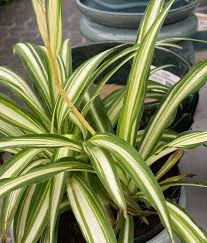

The Spider Plant (Chlorophytum comosum) is one of the world’s most beloved ornamental houseplants, and for good reason. Its elegant, arching leaves and effortless maintenance make it a favorite for beginners and seasoned plant lovers alike.
Whether placed in a living room, office, hallway, or classroom, the Spider Plant adapts beautifully to a variety of indoor environments. Beyond its visual appeal, the Spider Plant is celebrated for its natural air-purifying abilities.
It absorbs harmful indoor pollutants, such as formaldehyde, xylene, and carbon monoxide, helping create a cleaner, healthier indoor environment. Because of this, it is often recommended for homes, offices, hospitals, and public spaces where air quality matters.
Perfect for Any Indoor Space
Spider Plants thrive in hanging baskets, on windowsills, desks, and shelves, thanks to their compact, flexible growth habit. Their presence adds a refreshing green touch, improving indoor ambiance and contributing to better humidity balance and microclimate regulation.
While Spider Plants are not widely known as a food crop, some cultures have used the leaves in traditional remedies. These uses hint at the plant’s medicinal and nutritional potential, although more research is still needed. Today, its primary value remains ornamental, but its multifunctional nature continues to attract interest.
Challenges in Growing Spider Plants
Although generally hardy, Spider Plants can be affected by pests, diseases, poor watering, and low-quality soil.
Fortunately, many of these challenges can be prevented through proper care, the use of organic fertilizers, and environmentally friendly growing techniques.
Using bio-organic inputs such as Safi biochar strengthens plant vigor, deepens leaf color, and boosts overall resiliency, making the plant healthier and more attractive.
Varieties of Spider Plants in Kenya
Spider Plants are widely grown across Kenya—from Nairobi apartments and Kisumu office spaces to home gardens in Nakuru and Eldoret. Their adaptability to Kenya’s indoor and semi-shaded outdoor environments has made them a favorite among plant lovers and commercial nurseries. Below are the main varieties available locally, each offering unique features and uses.
Plain Green Spider Plant (Chlorophytum comosum ‘Vittatum’)
This is the most common variety found in Kenya, especially in local nurseries, roadside plant stalls, and home gardens.
Key Characteristics
- Solid green leaves with no stripes.
- Fast-growing and extremely hardy, even in areas with inconsistent watering or fluctuating indoor temperatures.=
- Produces many offsets (“pups”), making it ideal for homeowners who want to multiply their plants for free.
Why It Works Well in Kenya
- Thrives in warm, humid regions like Coastal Kenya and tolerates drier climates like Machakos or Naivasha.
- Does well in indirect sunlight, making it suitable for Nairobi apartments, office corridors, shops, and schools.
- Because of its robust nature, it is commonly used for mass propagation by Kenyan plant sellers.
Best Uses
- Home décor (living rooms, balconies).
- Office desk plants.
- Hanging baskets for verandas.
- Outdoor shaded gardens.
Variegated Spider Plant (White Stripe / Cream Stripe Variety)
The variegated type is especially popular in urban home décor and is commonly sold in indoor plant shops across Nairobi, Thika, Mombasa, and Nakuru.
Key Characteristics
- Leaves have white or cream stripes running down the center or edges.
- Slightly slower-growing than the plain green variety.
- More visually striking and considered more premium.
Why It Works Well in Kenya
- Very popular for interior design, especially in modern apartments, Airbnb units, hotels, and corporate offices.
- Adds brightness to indoor spaces, especially in areas with minimal natural light.
- Holds up well in Kenya’s mild indoor temperatures (18–28°C).
Best Uses
- Stylish indoor decoration.
- Hanging planters for homes or cafés.
- Office entryways and reception areas.
- Airbnb staging to enhance aesthetics.
3. Miniature Spider Plant (Dwarf Variety)
This variety is less common but increasingly available in Kenyan plant shops, especially among plant collectors and apartment owners with limited space.
Key Characteristics
- Smaller leaves and compact growth make it perfect for tight spaces.
- Produces fewer pups than other varieties.
- Often grown in small ceramic pots or decorative containers.
Why It Works Well in Kenya
- Fits well in studio apartments, student hostels, office cubicles, and small desks.
- Highly favored in Nairobi and Mombasa restaurants for table decorations due to its neat size.
- Requires minimal care, making it ideal for beginners or busy lifestyles.
Best Uses
- Desk plants (offices, home workspaces, study areas).
- Shelf and tabletop décor.
- Gifts or small ornamental arrangements.
- Space-limited indoor gardens.
Differences in Growth and Use
Green varieties are the most robust and tend to multiply quickly, making them ideal for propagation or large displays. Variegated types grow slightly more slowly but offer greater visual appeal. In addition, miniatures are low-maintenance and excellent when space is limited.
Because of these differences, home gardeners often choose varieties based on aesthetics and space, while commercial growers prioritize traits like offset production, market appeal, and consistency.
Role of Organic Fertilizer
Incorporating Safi Sarvi Fertilizer during cultivation enhances:
- Leaf color and vibrancy
- Offset (pup) production
- Root strength and disease resistance
- Overall plant density and health
This makes it valuable for both small home setups and larger commercial nurseries.
Agro-Ecological Requirements
Spider Plants thrive in moderate temperatures between 18°C and 28°C. They prefer bright, indirect sunlight and moderate humidity levels. While tolerant of indoor variations, extreme heat or cold can stress the plant, reducing growth and offsetting production.
Soil quality is vital for healthy growth. Spider Plants grow best in well-drained, fertile soils with a pH of 6.0 to 7.0. Adding organic matter enhances aeration, water retention, and nutrient availability, supporting strong roots and lush foliage.
Spider Plants are versatile and can grow indoors or outdoors in Kenyan climates. In homes and offices, they benefit from stable temperatures and indirect sunlight, whereas outdoor cultivation requires protection from direct sunlight and heavy rain. Soil enrichment with Safi Sarvi Organic Fertilizer enhances plant vigor, leaf size, and resistance to environmental stresses.
Beyond aesthetics, Spider Plants improve the environment. They purify indoor air by removing harmful toxins, and their presence regulates the microclimate by increasing humidity and reducing dust accumulation.
Propagation and Planting
1. Methods of Propagation
Spider Plants are easily propagated through offsets (plantlets) that form on long stems from the mother plant. This is the fastest and most reliable method. Other propagation options include dividing mature plants and seed propagation, though these methods take longer and are less commonly used.
2. Preparing the Planting Medium
A well-prepared growing medium is crucial for successful propagation. Spider Plants thrive in a well-drained soil mix made of:
- Loam
- Sand
- Organic compost
Incorporating bio-organic fertilizers enriches the soil, improves nutrient availability, and supports faster root development.
3. Planting Depth and Spacing
Offsets should be planted at a shallow depth in pots, ensuring the roots are covered but the crown remains above the soil. Proper spacing allows the leaves to expand freely and prevents overcrowding. Choosing appropriately sized pots promotes root development and minimizes waterlogging issues.
4. Best Time for Propagation
Propagation success depends heavily on timing. Warm, humid periods encourage:
- Faster rooting
- Stronger establishment
- Increased plant vigor
Fertilization and Soil Management
1. Nutrient Requirements
Spider Plants need balanced nutrients for optimal growth.
- Nitrogen — promotes lush, green foliage.
- Phosphorus — supports strong root growth and offset production
- Potassium — enhances plant strength and overall resilience
2. Role of Organic Fertilizers
Organic fertilizers, including Safi Sarvi, play a key role in healthy cultivation. They:
- Improve soil structure
- Boost microbial activity
- Enhance nutrient availability
- Promote vigorous, vibrant leaves
Regular application supports consistent growth and long-term plant performance.
3. Soil Moisture Management
Spider Plants prefer soil that remains slightly moist but never waterlogged.
Mulching with organic material helps retain moisture and regulate soil temperature. Safi Sarvi improves moisture retention, ensuring steady nutrient uptake—especially important during dry seasons.
4. Long-Term Soil Health
Sustainable practices such as:
- Adding compost
- Using bio-organic fertilizers
- Ensuring proper drainage
- Periodic soil aeration
These maintain fertile, loose soil and support continuous offset production and overall plant longevity.
Plant Management Practices
1. Watering and Moisture Control
Spider Plants thrive in evenly moist soil, but overwatering can cause root rot. Using well-drained soil enriched with Safi Sarvi helps maintain moisture balance and strengthens root systems.
2. Pest Management
Common pests include aphids, mealybugs, and spider mites. Safi Sarvi strengthens the plant’s natural immunity, reducing pest attacks.
Manual removal, wiping leaves, and natural remedies like neem oil offer effective control.
3. Disease Prevention
Spider Plants may develop:
- Root rot
- Leaf spot
- Fungal infections
Good drainage, clean gardening practices, and strong soil fertility using Safi Sarvi reduce disease risks. Removing diseased leaves stops further spread.
4. Pruning and Aesthetic Care
Regular trimming enhances appearance and encourages new growth. In addition, removing yellow, dry, or damaged leaves promotes healthier foliage. Fertilization with Safi Sarvi boosts leaf vibrancy and overall aesthetic appeal.
5. Light Management and Seasonal Adjustments
Spider Plants prefer bright, indirect light but can tolerate low indoor light. Seasonal changes might require adjustment of:
- Watering
- Light exposure
- Fertilization schedules
Harvesting and Propagation of Offsets
Spider Plants naturally produce offsets (plantlets) that hang from the mother plant. For successful propagation, it is best to harvest plantlets with visible, well-developed roots. Mature offsets establish more quickly when transplanted into pots or garden beds.
Detaching Offsets Correctly
Proper removal prevents damage to both the mother plant and the plantlets. Use clean, sharp scissors or gently twist the plantlet from the stolon. This minimizes stress and reduces the risk of injury or rot.
Rooting and Establishment
Rooting offsets in a well-prepared medium increases survival rates. An ideal mix includes:
- Loam
- Sand
- Organic matter
Enriching this mixture with Safi Organic Fertilizer enhances root growth, leaf formation, and disease resistance. Maintaining consistent moisture and providing bright, indirect light encourages quick establishment.
Potting and Continued Care
Once the offsets develop strong roots, transplant them into well-draining containers of appropriate size. Applying Safi Sarvi lightly during early growth boosts vigor. Continued care of the mother plant, including pruning, watering, and fertilization, ensures it continues to produce healthy offsets for future propagation.
Economic Importance
Ornamental and Commercial Value
Spider Plants hold significant economic value due to their attractive appearance and low maintenance needs. They are widely used in homes, offices, malls, hospitals, and public spaces, creating consistent demand for healthy plants and decorative arrangements.
Income Generation for Growers
Growers can earn income from selling:
- Mature Spider Plants
- Offsets
- Decorative arrangements
Value Addition Opportunities
Growers can diversify earnings through:
- Decorative pots
- Gift packages
- Themed plant collections
- Office décor packages
Strong, well-formed plants—supported by Safi Sarvi—have greater visual appeal and commercial value.
Challenges in Spider Plant Cultivation
Pest Susceptibility
Spider Plants may be attacked by aphids, mealybugs, and spider mites, which weaken the plant and slow offset production. Safi Sarvi strengthens plant immunity, helping them resist pest infestations naturally.
Disease Concerns
Common diseases include:
- Root rot
- Leaf spot
- Fungal infections
Good drainage, proper watering, and soil enrichment with Safi Sarvi reduce disease risks and promote stronger root systems.
Access to Quality Planting Material
Commercial growers often struggle to find healthy offsets or strong mother plants. Integrating Safi Sarvi into the growing process ensures vigorous plants, improving the availability of top-quality planting material.
Indoor Environmental Limitations
Low light, high humidity, or poor ventilation can affect the Spider Plant’s health. These conditions may reduce photosynthesis or promote fungal issues. Safi Sarvi boosts resilience, helping plants withstand less-than-ideal indoor environments.
Need for Regular Maintenance
Spider Plants require consistent care such as:
- Pruning
- Cleaning
- Monitoring soil moisture
Routine fertilization with Safi Sarvi reduces stress, enhances growth, and makes ongoing maintenance easier and more effective.
Opportunities and Innovations
Expanding Market Potential
Spider Plants continue to grow in popularity across Kenya and internationally, providing opportunities for both small-scale and commercial growers to increase production and tap into new markets.
Enhanced Production Through Bio-Organic Fertilizers
Integrating Safi Sarvi into routine plant care boosts:
- Leaf coloration
- Offset production
- Plant strength
Healthier, more vibrant Spider Plants attract premium prices.
Use in Modern Interior Landscaping
Many commercial buildings, hospitals, hotels, and schools now use Spider Plants for air purification and interior landscaping. Safi Sarvi ensures these plants remain healthy, visually appealing, and effective at air cleaning.
Smart Gardening and Digital Tools
Technologies such as smartphone apps and sensors allow growers to monitor:
- Light
- Humidity
- Watering schedules
- Fertilization needs
Conclusion
Spider Plants are highly valued for their aesthetic beauty, environmental benefits, and commercial potential. They enhance indoor and outdoor spaces, purify air, and serve as a reliable source of ornamental income for growers.
Sustainable care practices, such as proper watering, light management, pest control, and organic soil enrichment, are essential for maintaining healthy Spider Plants. Lastly, Safi Sarvi Fertilizer plays a vital role in promoting strong roots, lush leaves, and abundant offsets.
By adopting good propagation techniques, regularly pruning, and consistently applying Safi Sarvi, growers can ensure long-term plant health, improved productivity, and increased profitability.