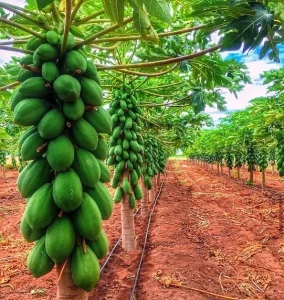

Healthy soil is more than just dirt that holds plant roots. Beneath the surface lies a living ecosystem filled with billions of microorganisms that play a major role in crop growth and soil fertility.
These tiny organisms, commonly known as soil microbes, help break down organic matter, release nutrients, improve soil structure, and support healthier plant development.
Many farmers in Kenya are currently facing declining soil fertility caused by continuous farming, soil erosion, excessive use of chemical fertilizers, and loss of organic matter.
As soil health declines, crops struggle to access nutrients efficiently, resulting in poor growth, low yields, and increased vulnerability to drought and diseases. Restoring soil life has therefore become an important part of sustainable agriculture.
In addition, soil biology is directly connected to crop productivity. When beneficial microorganisms are active in the soil, plants are able to absorb nutrients more effectively and develop stronger root systems.
Organic fertilizers play an important role in feeding and supporting beneficial soil microorganisms.
Unlike synthetic fertilizers that mainly supply nutrients, organic fertilizers add organic matter that nourishes microbial life and helps rebuild soil health naturally. This creates a healthier growing environment that supports long-term agricultural productivity.

What Are Soil Microbes?
Soil microbes are tiny living organisms found naturally in the soil. Although they are too small to see with the naked eye, they perform essential functions that keep soils fertile and productive. These microorganisms help decompose organic materials, recycle nutrients, improve soil structure, and support healthy plant growth.
Types of Soil Microorganisms
Bacteria
Bacteria are among the most abundant microorganisms in the soil. They help decompose organic matter and convert nutrients into forms that crops can easily absorb. Some beneficial bacteria also fix nitrogen from the atmosphere, improving soil fertility naturally.
Fungi
Soil fungi break down complex organic materials and help form stable soil structure. Certain fungi, known as mycorrhizae, form partnerships with plant roots and improve the uptake of nutrients such as phosphorus and water.
Protozoa
Protozoa are microscopic organisms that feed on bacteria and other microbes in the soil. Their activity helps regulate microbial populations and release nutrients that become available to crops.
Actinomycetes
Actinomycetes are microorganisms that resemble both bacteria and fungi. They are important in decomposing tough organic materials such as crop residues and contribute to the earthy smell found in healthy soils.
Beneficial Nematodes
Not all nematodes are harmful to crops. Beneficial nematodes help improve nutrient cycling and control certain soil pests, contributing to a balanced soil ecosystem.
Where Soil Microbes Live
Around Plant Roots (Rhizosphere)
The rhizosphere is the narrow region of soil surrounding plant roots. This area contains high microbial activity because plant roots release substances that feed beneficial microorganisms.
In Organic Matter and Compost
Compost, crop residues, and decomposing organic materials provide food and shelter for soil microbes. Soils rich in organic matter usually contain more beneficial microbial activity.
Inside Healthy, Fertile Soils
Healthy soils with good structure, moisture, and organic content provide ideal conditions for microorganisms to thrive. These living soils support stronger crop growth and better agricultural productivity.
Why Soil Microbes Matter in Kenyan Agriculture
Soil microorganisms play a critical role in maintaining soil fertility and supporting healthy crop growth.
In Kenya, where many farmers rely on the same land season after season, maintaining active and healthy soil biology is becoming increasingly important. Beneficial microbes help recycle nutrients, improve soil structure, and create conditions that allow crops to thrive naturally.
Declining Soil Fertility in Kenya
Continuous Cropping
Many Kenyan farmers continuously cultivate the same land without giving the soil enough time to recover. Over time, this depletes essential nutrients and reduces organic matter in the soil. As soil fertility declines, microbial populations also decrease, making it harder for crops to access nutrients efficiently.
Excessive Chemical Fertilizer Use
While chemical fertilizers can provide quick nutrients to crops, excessive and prolonged use may negatively affect soil biology.
Some soils become acidic and lose beneficial microorganisms that are important for nutrient cycling and long-term fertility.
Soil Erosion and Nutrient Depletion
Heavy rains, deforestation, and poor farming practices contribute to soil erosion across many parts of Kenya. Topsoil, which contains most of the organic matter and microbial life, is often washed away, leaving soils less fertile and less productive.
The result is weaker crop growth, lower yields, and increasing production costs for farmers. Healthy microbial activity is therefore essential for restoring soil productivity and improving long-term agricultural sustainability.
The Link Between Soil Life and Crop Performance
Improved Nutrient Availability
Beneficial microorganisms break down organic matter and release nutrients into forms that crops can absorb easily. This improves nutrient efficiency and reduces losses in the soil.
Better Root Development
Microbial activity supports stronger and deeper root systems. Healthy roots allow crops to absorb more water and nutrients, leading to better plant growth and higher yields.
Increased Resilience Against Drought and Diseases
Living soils with active microbial populations hold moisture more effectively and help crops tolerate dry conditions. Some beneficial microbes also protect plants from harmful pathogens that cause diseases.
How Soil Microbes Improve Crop Yields
1. Breaking Down Organic Matter
Soil microbes decompose crop residues, compost, manure, and other organic materials found in the soil. During this process, nutrients trapped in plant materials are released back into the soil where crops can use them again.
Microbial decomposition also contributes to the formation of humus, a stable organic substance that improves soil fertility, soil structure, and nutrient retention. Soils rich in humus are usually more productive and better able to support healthy crop growth.
2. Improving Nutrient Availability
Nitrogen Fixation
Certain beneficial bacteria convert nitrogen from the atmosphere into forms that crops can absorb through their roots. Nitrogen is one of the most important nutrients for plant growth, especially for crops such as maize, beans, and vegetables.
Nitrogen-fixing bacteria help reduce nutrient deficiencies and improve crop vigor naturally.
Phosphorus Solubilization
In many Kenyan soils, phosphorus becomes locked in the soil and unavailable to crops. Some soil microorganisms help dissolve and release this trapped phosphorus, making it accessible to plants.
Improved phosphorus availability supports stronger root development, better flowering, and improved fruit and grain formation.
3. Enhancing Soil Structure
Microorganisms help bind soil particles together to form stable soil aggregates. Good soil structure improves air circulation, water movement, and root penetration within the soil.
Well-structured soils are easier for roots to grow through and less likely to become compacted. This creates a healthier environment for crops and improves overall productivity.
4. Increasing Water Retention
Microbial activity increases organic matter levels in the soil, helping the soil retain moisture for longer periods. This is especially important in Kenya, where many regions experience irregular rainfall and prolonged dry spells.
Soils rich in organic matter lose water more slowly, allowing crops to survive drought conditions more effectively and maintain healthy growth.
5. Protecting Crops From Diseases
Beneficial soil microorganisms help suppress harmful pathogens that cause crop diseases. They compete with disease-causing organisms for nutrients and space, reducing the spread of infections in the soil.
Healthy microbial populations can lower the risk of root rot, wilting, and other soil-borne diseases that commonly affect crops.
6. Supporting Stronger Root Systems
Some fungi, particularly mycorrhizal fungi, form beneficial partnerships with crop roots. These fungi extend deep into the soil and help plants absorb more nutrients and water than roots could access on their own.
Stronger root systems improve plant stability, nutrient uptake, and overall crop performance, leading to healthier plants and higher yields.
How Safi Organics Fertilizers Support Soil Microbial Life
Healthy soils depend on active microbial populations to recycle nutrients, improve soil structure, and support crop growth.
Safi Organics fertilizers are designed to improve soil fertility while also creating favorable conditions for beneficial soil microorganisms to thrive. By combining organic nutrients with biochar technology, these fertilizers help rebuild living soils and promote sustainable farming practices in Kenya.
Biochar-Based Organic Fertilizer Benefits
Improves Microbial Habitat
Biochar contains tiny pores that provide shelter and protection for beneficial microorganisms in the soil. These spaces help microbes survive and multiply, especially during dry conditions. A healthy microbial population improves nutrient cycling and supports stronger crop growth.
Enhances Nutrient Retention
One of the major challenges facing Kenyan farmers is nutrient loss through leaching and soil erosion. Biochar helps hold nutrients in the soil for longer periods, making them more available to crops. This improves fertilizer efficiency and reduces nutrient wastage.
Supports Long-Term Soil Regeneration
Unlike quick-fix soil solutions, biochar-based organic fertilizers contribute to long-term soil improvement. They increase soil organic matter, improve microbial activity, and help restore degraded soils over time. This creates a healthier growing environment season after season.
Benefits for Kenyan Farmers
Better Crop Yields
Healthy soils with active microbial life support better nutrient uptake and stronger crop growth. Farmers often experience improved yields when soils contain sufficient organic matter and beneficial microorganisms.
Improved Soil Health
Safi Organics fertilizers help improve soil structure, aeration, and moisture retention. These improvements create healthier soils that can support crops more effectively.
Reduced Fertilizer Losses
By improving nutrient retention, biochar-based fertilizers help reduce the loss of nutrients caused by heavy rainfall and leaching. This allows crops to utilize nutrients more efficiently.
Increased Climate Resilience
Healthy soils rich in microbial activity retain water more effectively and help crops tolerate drought stress. This is especially important for Kenyan farmers facing unpredictable rainfall patterns due to climate change.
Crops That Benefit Most From Healthy Soil Microbes in Kenya
Maize
Maize benefits greatly from active soil microbes because of its high nutrient demand. Improved microbial activity supports nitrogen availability, stronger root systems, and healthier plant growth. Farmers may notice greener leaves, improved cob formation, and better grain yields.
Tomatoes
Tomatoes require fertile, well-structured soils to produce healthy fruits. Beneficial microorganisms improve nutrient uptake and help reduce soil-borne diseases that commonly affect tomato crops. This leads to stronger plants and improved fruit quality.
Beans
Beans benefit from nitrogen-fixing bacteria that naturally improve nitrogen availability in the soil. Healthy microbial populations support vigorous growth, better pod development, and improved yields.
Coffee
Coffee plants perform better in soils rich in organic matter and microbial life. Beneficial microbes help improve nutrient absorption and maintain soil health, resulting in stronger plants and improved bean quality.
Tea
Tea farming depends heavily on healthy soils with balanced nutrient availability. Microbial activity helps improve soil structure and nutrient cycling, supporting healthy leaf production and long-term plantation productivity.
Vegetables and Fruit Crops
Vegetables and fruit crops such as onions, cabbages, sukuma wiki, bananas, and avocados benefit from healthy soils with active microbial populations. Improved nutrient availability and moisture retention support healthier growth, stronger root systems, and better harvest quality.
External Resource on Soil Biology
For additional information on soil microorganisms and sustainable soil management, refer to:
FAO.
Conclusion
Soil microbes are essential for maintaining healthy, fertile, and productive soils. They help recycle nutrients, improve soil structure, increase water retention, and protect crops from diseases. Healthy microbial activity directly contributes to stronger crop growth and higher agricultural yields.
For Kenyan farmers, focusing on long-term soil health is becoming increasingly important as many soils continue to face nutrient depletion and degradation.
Building living soils through organic matter and sustainable farming practices provides a more lasting solution than depending entirely on short-term fertilizer inputs.
Organic fertilizers such as Safi Organics help restore soil biology naturally by supporting beneficial microorganisms and improving soil fertility over time. Through biochar-based technology and organic nutrient sources, farmers can rebuild healthier soils that support sustainable crop production.