
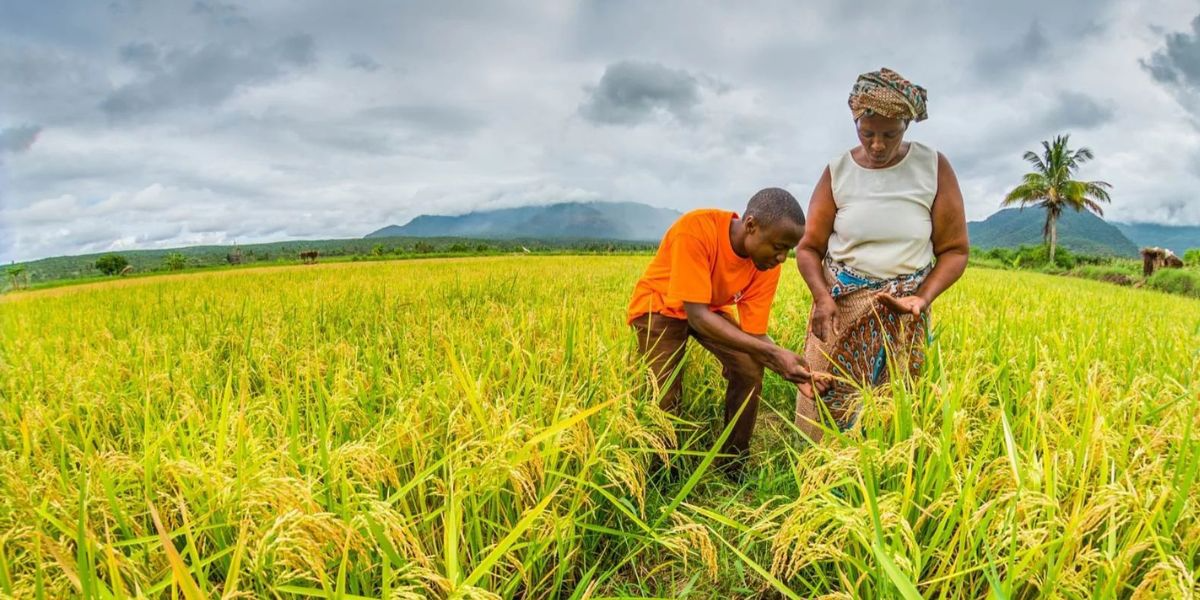
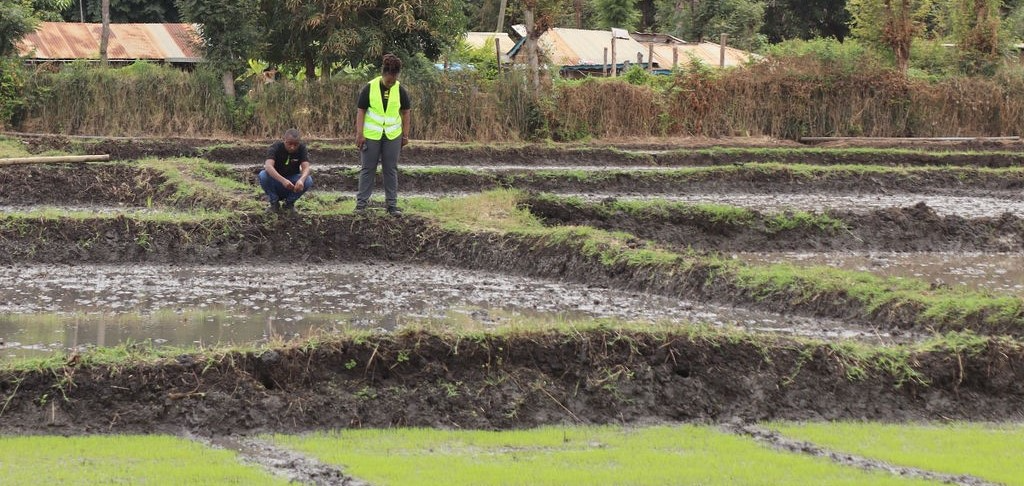
Continuous cultivation refers to growing crops repeatedly on the same land without allowing adequate fallow periods or replenishing soil nutrients. This practice is widespread among smallholder farmers in Kenya, where limited land, population pressure, and high food demand force multiple cropping cycles each year.
While it helps meet immediate food needs, continuous cultivation often leads to soil exhaustion, reduced fertility, and lower long-term productivity.
Over time, the soil becomes less able to support healthy crop growth, creating a cycle of declining yields and increased reliance on external inputs.
Importance of Soil Health in Crop Productivity
Soil health is a cornerstone of sustainable agriculture, influencing crop growth, yield quality, and resilience to environmental stress. Healthy soils are rich in nutrients, have good structure, and host diverse microbial communities that aid nutrient cycling and organic matter decomposition.
Maintaining soil health not only improves crop performance but also enhances water retention and reduces vulnerability to pests and diseases.
For smallholder farmers, productive soils are directly linked to food security, household income, and long-term farm sustainability.
Relevance of the Topic to Kenyan Farming Systems
Kenya’s smallholder farms face growing challenges from soil degradation caused by continuous cultivation, overuse of chemical fertilizers, and limited organic inputs.
Declining soil fertility reduces crop performance, increases production costs, and threatens rural livelihoods.
Understanding and addressing the effects of continuous cultivation is essential for maintaining sustainable farming systems, protecting soil resources, and ensuring long-term agricultural productivity in the country.
To learn more about practical methods for restoring degraded soils, you can also read our article on Using Cover Crops and Biochar to Rebuild Soils: A Guide for Kenyan Farmers. The article explains how combining cover crops with biochar can improve soil fertility, structure, and long-term productivity in Kenyan farming systems.
Promoting effective soil restoration strategies and nutrient management practices can help farmers break the cycle of soil depletion and secure better yields for the future.
Meaning and Characteristics of Continuous Cultivation
Continuous cultivation is the practice of growing crops repeatedly on the same piece of land without allowing the soil to recover. Key characteristics include the absence of fallow periods, minimal use of organic amendments, and limited crop rotation.
This method often leads to overexploitation of soil nutrients, reduced organic matter, and gradual soil degradation.
Farmers adopt this approach mainly to maximize short-term production, often overlooking the long-term consequences for soil health.
Drivers of Continuous Cultivation in Kenya
Several factors drive continuous cultivation among Kenyan smallholder farmers. The most prominent factor is population growth and land pressure. Land fragmentation reduces available farm sizes, making fallowing impractical.
Also, economic pressures, such as the need for immediate food or income, limit the ability to invest in soil-improvement strategies.
Additionally, limited access to inputs like organic fertilizers or improved seeds encourages repeated cultivation on depleted soils.
Common Cropping Patterns under Continuous Cultivation
Continuous cultivation often involves repeated planting of staple crops such as maize, beans, and cassava.
These crops are nutrient-demanding and can quickly deplete essential soil nutrients when grown consecutively.
Farmers sometimes interplant or rotate crops within the same season, but this is often insufficient to restore soil fertility.
Over time, reliance on monocropping and nutrient-exhaustive crops contributes to declining yields and increased vulnerability to pests and diseases.
Effects of Continuous Cultivation on Soil Health

Decline in Soil Nutrient Levels
Continuous cultivation leads to nutrient mining, in which essential elements such as nitrogen, phosphorus, and potassium are removed from the soil faster than they can be replenished.
Repeated crop harvesting without replenishing nutrients through organic or mineral fertilizers reduces soil fertility over time.
As a result, soils become less productive, forcing farmers to apply higher quantities of inputs to maintain crop yields.
Reduction in Soil Organic Matter
Continuous cropping reduces the addition of organic residues, such as crop leftovers and manure, to the soil. This depletion weakens soil structure, lowers water-holding capacity, and diminishes nutrient retention.
Similarly, Loss of organic matter also decreases microbial activity, which is essential for nutrient cycling and maintaining fertile soils.
Soil Structure Degradation and Compaction
Repeated tillage and cultivation break down soil aggregates, leading to structural degradation. Compacted soils restrict root penetration, reduce water infiltration, and hinder nutrient uptake. Poor soil structure also increases susceptibility to erosion and reduces the soil’s capacity to support healthy crop growth.
Increase in Soil Acidity
Continuous cropping, coupled with improper fertilizer use, can lead to soil acidification. Excessive removal of basic cations like calcium and magnesium lowers pH, making nutrients less available to plants.
Acidic soils can stunt crop growth, reduce yields, and further degrade soil fertility if left unmanaged.
Loss of Soil Biodiversity
Continuous cultivation disrupts soil ecosystems, leading to declines in beneficial organisms such as bacteria, fungi, and earthworms. Reduced microbial diversity limits nutrient mineralization and slows organic matter decomposition.
Impact of Continuous Cultivation on Crop Production
Declining Crop Yields
Continuous cultivation often results in progressively lower crop yields over time. Nutrient depletion, reduced organic matter, and soil structure degradation all contribute to poor crop growth.
Farmers may notice that crops appear stunted, leaves yellow prematurely, and grain or tuber production decreases, despite using the same farming practices as before.
This decline threatens food security and can lead to increased dependence on external inputs to sustain production.
Increased Crop Stress and Vulnerability
Soils weakened by continuous cropping retain less water and nutrients, making crops more susceptible to environmental stresses.
Plants grown in degraded soils have poor root development, which limits their ability to access moisture during dry periods.
As a result, crops are more vulnerable to pests, diseases, and extreme weather, further reducing overall productivity.
Repeated stress cycles can also weaken plant resilience, making recovery in subsequent seasons more difficult.
Rising Production Costs
Farmers cultivating degraded soils often spend more on fertilizers and other inputs to maintain yields.
Chemical fertilizers may temporarily replenish nutrients, but long-term reliance increases production costs and can worsen soil acidity.
Higher input expenses, coupled with declining yields, reduce farm profitability and can strain smallholder households.
Investing in sustainable soil restoration practices becomes essential to lower costs and improve long-term productivity.
Environmental Consequences
Increased Soil Erosion
Continuous cultivation leaves fields bare, especially after harvest, exposing the soil to wind and water erosion. Topsoil, which is rich in organic matter and nutrients, is gradually lost, reducing the land’s fertility. Eroded soil can also clog streams and rivers, affecting aquatic ecosystems and downstream water quality.
Nutrient Loss and Water Pollution
Repeated cropping without replenishing nutrients leads to leaching of essential elements such as nitrogen and phosphorus. These nutrients can enter water bodies through runoff, causing algal blooms and deteriorating water quality. Loss of soil fertility means farmers must rely more on chemical fertilizers, which increases costs and potentially harms the environment.
Reduced Climate Resilience
Degraded soils have lower water-holding capacity, making crops more vulnerable to drought stress. During heavy rains, compacted or eroded soils increase surface runoff, increasing the risk of flooding and soil loss.
Lastly, Poor soil structure reduces crops’ ability to recover from extreme weather, threatening long-term productivity.
Role of Safi Sarvi Fertilizers – Premium Planting
Safi Sarvi Premium Planting is a bio-organic fertilizer formulated for smallholder farms. It combines natural organic matter with essential nutrients to enhance soil fertility.
This fertilizer supports sustainable crop production while reducing dependence on chemical inputs. Farmers can use it for a wide range of crops, including cereals, vegetables, and legumes.
Its organic composition improves soil structure, promotes healthy root development, and boosts overall crop growth.
Contribution to Soil Organic Matter
Safi Sarvi Premium Planting encourages the accumulation of organic matter in soils. This improves soil texture, water-holding capacity, and nutrient retention.
Higher organic content enhances soil porosity, allowing roots to penetrate more easily. Over time, regular application helps restore degraded soils, making them productive again.
It also reduces the risk of soil erosion and enhances resilience to drought.
Support for Nutrient Cycling and Availability
The fertilizer provides a slow, consistent release of nutrients, including nitrogen, phosphorus, and potassium. This supports nutrient cycling and ensures crops have access to essential elements throughout the growing season.
It minimizes nutrient losses caused by leaching and runoff. Crops grown with Safi Sarvi show improved nutrient uptake efficiency and healthier foliage.
The steady nutrient supply also supports soil microorganisms that aid in nutrient transformation.
Enhancement of Soil Microbial Activity
Safi Sarvi stimulates beneficial soil bacteria and fungi that decompose organic residues.
Active microbial populations naturally release nutrients, reducing the need for synthetic fertilizers. Improved microbial activity also enhances soil structure and fertility over time.
Healthy soils with abundant microbial life are more resilient to pests and diseases.
This microbial stimulation ensures sustainable soil productivity for multiple cropping seasons.
Integration into Sustainable Soil Management
Safi Sarvi Premium Planting can be applied alongside compost, manure, or crop residues. It complements other organic fertilisers and supports integrated soil fertility management practices.
Farmers can use it to reduce reliance on chemical inputs while maintaining high yields. It fits into crop rotation systems, cover cropping, and other conservation agriculture practices.
Consistent use of Safi Sarvi strengthens the soil’s natural fertility, improves water retention, and supports long-term farm sustainability.
Soil Fertility Management Practices
Use of Organic Inputs
Manure, compost, and crop residues are key organic inputs that improve soil structure and fertility. They supply essential nutrients such as nitrogen, phosphorus, and potassium naturally to the soil. Regular use of organic inputs promotes microbial activity, which enhances nutrient cycling.
Organic amendments also improve soil water retention, reducing the risk of drought stress for crops. Over time, repeated additions of organic matter restore degraded soils and support long-term productivity.
Use of Mineral Fertilizers
Mineral fertilizers provide targeted nutrients that promote rapid crop growth and high yields.
Applying the correct rates at the proper growth stages maximizes nutrient use efficiency. Overuse or misuse can lead to nutrient imbalance, soil acidity, or environmental pollution.
Combining mineral fertilizers with organic amendments helps sustainably maintain soil fertility.
Farmers benefit from improved crop quality and reduced reliance on repeated high chemical inputs.
Crop Rotation and Diversification
Rotating crops balances nutrient extraction from the soil, preventing depletion of specific elements. Diversifying crops helps control pests and diseases naturally, reducing the need for chemical interventions. Different crops return organic residues to the soil, improving soil structure and fertility.
This practice also enhances system resilience, allowing farmers to cope with variable climate and market demands.
Adopting rotation and diversification supports sustainable yields and long-term soil health.
Nutrient Use Efficiency in Smallholder Agriculture
Factors Affecting Efficiency
Nutrient use efficiency depends on soil type, fertility status, and texture. Sandy soils, for example, are prone to nutrient leaching, whereas clay soils may retain nutrients, limiting their availability.
Rainfall patterns influence how nutrients move through the soil, thereby affecting crop uptake.
Poor management practices, such as irregular fertilizer application or shallow placement, reduce efficiency. Erosion, leaching, and volatilization contribute to nutrient losses, lowering the value of applied fertilizers.
Repeated cultivation without replenishing nutrients further reduces efficiency and impacts yields.
Practices to Improve Efficiency
Applying fertilizers at the right time ensures nutrients are available when crops need them most.
Proper placement, such as banding or side-dressing, reduces losses and increases root uptake. Integrating organic inputs, such as manure or compost, with mineral fertilizers improves nutrient retention.
Adopting crop rotation and cover cropping also enhances nutrient availability for subsequent crops.
Using slow-release or bio-organic fertilizers, such as Safi Sarvi, ensures a steady nutrient supply and reduces wastage.
Benefits to Farmers
Efficient nutrient use improves crop growth, leaf development, and overall yields. Farmers save money on inputs by reducing fertilizer losses and optimizing application rates.
Enhanced efficiency supports sustainable farming, making systems more resilient to climate variability.
Better nutrient management contributes to long-term soil fertility and profitability for smallholder farms.
Challenges to Soil Fertility Improvement in Kenya
Economic and Resource Constraints
High fertilizer, seed, and input costs limit the adoption of best soil management practices. Many smallholder farmers have limited access to credit, making it difficult for them to invest in soil fertility measures.
Limited financial resources often force farmers to prioritize short-term yields over long-term soil health.
Knowledge and Extension Limitations
Access to soil testing services is limited in rural areas, making it hard to identify nutrient deficiencies.
Many farmers lack training in integrated soil fertility management and modern agronomic practices.
This knowledge gap reduces the effectiveness of fertilizer use and organic amendments.
Climate Variability and Change
Erratic rainfall patterns and prolonged droughts affect nutrient availability and crop growth. Heavy rains can also lead to erosion and nutrient leaching, further degrading soils.
Smallholder farmers face increased risk of crop failure and reduced productivity due to climate-related soil challenges.
Opportunities for Improving Soil Fertility
Farmer Training and Capacity Building
Training programs improve farmers’ awareness of soil fertility management techniques. Farmers learn best practices such as crop rotation, organic input application, and nutrient management.
Capacity building encourages sustainable adoption of fertilizers and soil restoration methods.
Policy and Institutional Support
Government initiatives and development partners provide access to inputs and technical guidance. Support programs include subsidies, extension services, and soil testing facilities for smallholder farmers.
Institutional backing ensures that farmers can implement soil improvement strategies effectively.
Adoption of Sustainable Soil Fertility Inputs
Encouraging the use of bio-organic fertilizers enhances soil health and crop productivity. Integrated approaches combining compost, manure, and mineral fertilizers also optimize nutrient availability.
In conclusion, soil health, nutrient cycling, and integrated fertility management are critical for sustainable agriculture. Maintaining balanced nutrients, organic matter, and microbial activity ensures long-term productivity.
Also, effective management reduces degradation, improves crop performance, and supports resilient farming systems.
Importance for Smallholder Farmers
Healthy soils directly support higher yields, better-quality produce, and improved farmer incomes. Sustainable practices reduce reliance on expensive inputs and strengthen food security.
Farmers adopting these practices can maintain productive land for future generations.

