
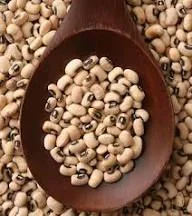
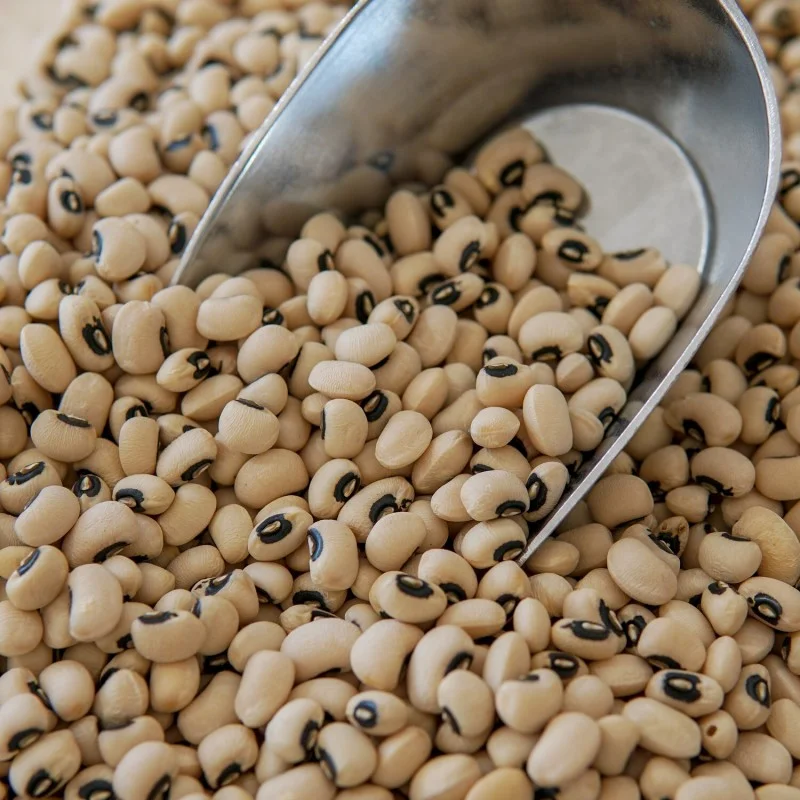
Cowpeas (Vigna unguiculata) are a vital legume crop in Kenya, serving as a primary source of protein and essential nutrients for millions of households. They are widely cultivated across semi-arid and arid regions due to their adaptability and resilience.
In addition, cowpeas support both household nutrition and income generation, making them essential for smallholder farmers.
Despite their importance, production challenges often limit their full potential. Poor soil fertility, pests, diseases, and limited access to quality seeds reduce yields and affect crop quality.
Conventional reliance on chemical fertilizers provides short-term nutrient benefits but often degrades soil health over time. This underscores the need for sustainable farming practices that maintain soil fertility, enhance productivity, and protect the environment.
Organic fertilization and improved agronomic practices have emerged as practical solutions. They improve soil structure, enhance nutrient availability, support microbial activity, and increase plant resilience.
However, when combined with high-yielding cowpea varieties, these approaches can significantly boost productivity, enhance crop quality, and reduce dependency on chemical inputs.
Varieties of Cowpeas in Kenya
Kenya cultivates a wide range of cowpea varieties to meet different climatic conditions and farming objectives. Selecting the right variety is critical for maximizing yields, maintaining crop health, and ensuring successful harvests.
Local Varieties
Local or landrace varieties are well-adapted to specific microclimates. They are hardy, drought-tolerant, and resilient to pests and diseases. However, they often produce smaller pods and lower overall yields compared to improved types. Common local varieties include:
- K80: Highly drought-tolerant, suitable for marginal soils, and reliable under low-input conditions.
- K131: Resistant to common pests and diseases, adaptable in semi-arid regions.
- Blackeye: Well-suited to semi-arid areas, with moderate yield potential and adaptability under variable rainfall.
Improved Varieties
Improved high-yielding varieties are bred for productivity, uniformity, and disease resistance. They offer several advantages:
- Larger and more uniform pods, facilitating easier handling and better market value.
- Faster maturity periods, allowing multiple harvests within a season.
- Enhanced drought tolerance and pest resistance make them suitable for commercial production.
Choosing the Right Variety
The choice of cowpea variety depends on the farmer’s objectives:
- Smallholder farmers prioritize resilience, drought tolerance, and adaptability under low-input conditions.
- Commercial farmers focus on yield, pod quality, and responsiveness to fertilization and irrigation.
When combined with sustainable soil fertility practices, both local and improved varieties can achieve optimal growth and consistent yields, ensuring food security and income generation.
2. Agro-Ecological Requirements
Cowpeas grow best at temperatures between 20°C and 30°C. They are moderately drought-tolerant but require sufficient moisture during flowering and pod development to maximize yields.
Soil Requirements
- Well-drained loamy or sandy loam soils
- pH range of 5.5–6.5
- Rich in organic matter for better nutrient availability
Poorly drained or compacted soils can cause stunted growth, root rot, and lower pod production. Fertile soils support vigorous vine growth, stronger roots, and higher-quality seeds. Organic amendments, such as bio-organic fertilizers, can enhance soil fertility and microbial activity, making soils more productive over time.
Climatic Adaptability
Cowpeas thrive in semi-arid and arid regions, where other legumes often fail. Their deep-root systems allow access to moisture stored in lower soil layers, enabling growth during dry spells. Integrating cowpeas into crop rotations also benefits subsequent crops by:
- Improving soil nitrogen levels
- Reducing reliance on chemical fertilizers
- Supporting long-term soil fertility and structure
These qualities make cowpeas a strategic crop for smallholder farmers in challenging environments.
3. Land Preparation and Planting
Proper land preparation and field management are crucial for successful cowpea cultivation.
Field Selection and Clearing
- Select well-drained soils free from debris, weeds, or residues of previous crops. This reduces pest and disease pressure.
- Early clearing of weeds and crop residues allows timely planting and ensures seedlings establish quickly.
Soil Preparation
Ploughing and ridging improve soil aeration, drainage, and nutrient availability. In heavy soils, raised beds prevent waterlogging, which can otherwise reduce plant growth and pod formation.
Seed Preparation and Planting
- Use disease-free seeds and treat them to enhance germination and early vigor.
- Plant seeds at a depth of 2–4 cm with 50–60 cm between rows. The recommended seed rate is 25–30 kg/ha, depending on the variety.
- Proper spacing improves sunlight exposure, airflow, and nutrient distribution, which reduces competition and disease risk.
Planting Season
- Long rains (March–May): Ideal for high yields.
- Short rains (October–December): Possible with careful soil and fertility management.
Intercropping
Cowpeas are often intercropped with cereals such as maize, sorghum, or millet, which:
- Maximize land use efficiency
- Enhance soil nitrogen levels.
- Reduce soil erosion
- Provide complementary root systems that optimize nutrient and water uptake.
Intercropping improves overall farm productivity and supports sustainable farming practices.
4. Crop Management Practices
Successful cowpea cultivation relies on careful attention to fertilization, weed, pest, and disease management.
Fertilization
- Phosphorus: Essential for early root development.
- Nitrogen: Supports vegetative growth until the plant begins biological nitrogen fixation.
- Potassium: Critical during flowering and pod formation for seed filling and pod quality.
Balanced fertilization ensures robust growth, higher yields, and improved plant resilience.
Weed Control
- Manual weeding during the first 6–8 weeks is critical.
- Organic mulching suppresses weeds, conserves soil moisture, and gradually enriches the soil with nutrients.
Pest and Disease Management
- Common pests: aphids, pod borers, leafhoppers
- Disease threats: bacterial blight, fungal infections, viral mosaics
- Practices such as crop rotation, the use of disease-free seeds, and intercropping reduce pest and disease pressure. Well-nourished plants are naturally more resistant.
Irrigation and Moisture Management
- Supplemental watering during flowering and pod formation increases yields in semi-arid regions.
- Mulching and organic amendments improve soil water retention, reducing water stress and irrigation frequency.
Support Structures
- Climbing cowpea varieties may require staking or trellising.
- Proper support improves airflow, reduces pod deformation, and facilitates easier harvesting.
5. Benefits of Organic Fertilizers Such as Safi Sarvi in Cowpea Farming
Organic fertilizers like Safi Sarvi play a crucial role in boosting cowpea productivity, especially in Kenya’s semi-arid and low-fertility soils. Cowpeas require well-aerated, nutrient-rich soils for optimal root development and efficient nitrogen fixation.
Safi Sarvi enhances soil organic matter, improving structure and moisture retention—critical for cowpea growth during dry spells. This steady nutrient supply supports vigorous vine development, healthier foliage, and stronger flowering, leading to higher pod formation and improved yields.
Cowpea farming greatly benefits from the microbial activity stimulated by Safi Sarvi. Cowpeas rely heavily on soil bacteria (Rhizobia) to fix atmospheric nitrogen. Organic fertilizers create favorable conditions for these microbes to thrive, increasing the plant’s natural nitrogen fixation capacity.
This reduces the need for synthetic nitrogen fertilizers and results in more robust plants that can withstand drought stress, pests, and diseases more effectively.
In addition, Safi Sarvi enhances long-term soil fertility, supporting sustainable cowpea production season after season.
Farmers often struggle with soil degradation due to continuous cropping, but organic fertilizers restore essential nutrients and improve soil resilience.
Cowpeas grown with Safi Sarvi typically produce larger, more uniform pods and high-quality seeds, improving both household nutrition and market value.
Over time, farmers experience reduced input costs, better soil health, and more stable yields—key factors for profitability and food security in cowpea farming.
6. Harvesting and Post-Harvest Handling
Cowpeas are ready for harvest when:
- Pods change color, and seeds reach full size
- Seeds are firm to the touch.
Timing is crucial to prevent pod shattering and maintain seed quality.
Harvesting Methods
- Manual: Common among smallholders; allows selective picking of mature pods
- Mechanized: Suitable for larger farms to save labor and time
Post-Harvest Handling
- Dry pods thoroughly under the sun to prevent mold
- Gently thresh to avoid damaging seeds.
- Store seeds in moisture-proof containers or silos to reduce insect infestations
Proper handling preserves seed quality, improves marketability, and reduces post-harvest losses.
7. Economic Importance
Cowpeas are a key source of protein, amino acids, and micronutrients in Kenyan diets. They enhance food security and provide income through local and regional markets.
Value Addition Opportunities
- Cowpea flour for porridge, snacks, or baked goods
- Packaged snacks for local markets
- Animal feed from residual biomass
Cowpeas also enrich soils through biological nitrogen fixation, benefiting subsequent crops and reducing reliance on chemical fertilizers, making them integral to sustainable farming systems.
8. Challenges in Cowpea Farming
Despite their resilience, cowpea farmers face several challenges:
- Environmental: Drought, erratic rainfall, and temperature fluctuations
- Pests and diseases: Aphids, pod borers, bacterial blight, fungal infections, and viral mosaics
- Input limitations: Restricted access to high-quality seeds and fertilizers
- Post-harvest losses: Poor drying, threshing, and storage practices
- Soil fertility depletion: Continuous cultivation without organic amendments reduces productivity
Addressing these challenges requires improved varieties, sustainable farming practices, and the use of organic fertilizers.
9. Opportunities and Innovations
Kenya’s cowpea sector offers significant growth potential:
- Adoption of improved high-yielding varieties
- Integration of organic fertilization with regenerative practices
- Intercropping and crop rotation to enhance soil fertility and reduce erosion
- Access to training, government, and NGO support for smallholders
- Agro-processing and value addition, producing flour, snacks, and animal feed
- Digital farming tools for soil monitoring, irrigation management, and pest control
These innovations enhance productivity, resilience, and profitability while promoting sustainable agriculture.
10. Conclusion
Cowpeas remain a crucial crop in Kenya, providing protein, income, and environmental benefits. Their adaptability to semi-arid regions ensures they thrive where other crops fail.
Sustainable practices, improved varieties, and selective bio-organic inputs enhance growth, yield, and crop resilience. Proper land preparation, fertilization, pest management, and post-harvest handling ensure high-quality harvests.
Integrating cowpeas into rotations strengthens soil fertility, supports long-term productivity, and promotes regenerative farming. By adopting modern practices, farmers can achieve higher yields, better-quality seeds, increased income, and improved food security.

