
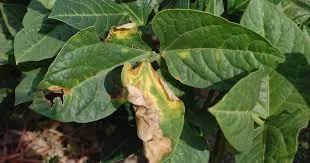
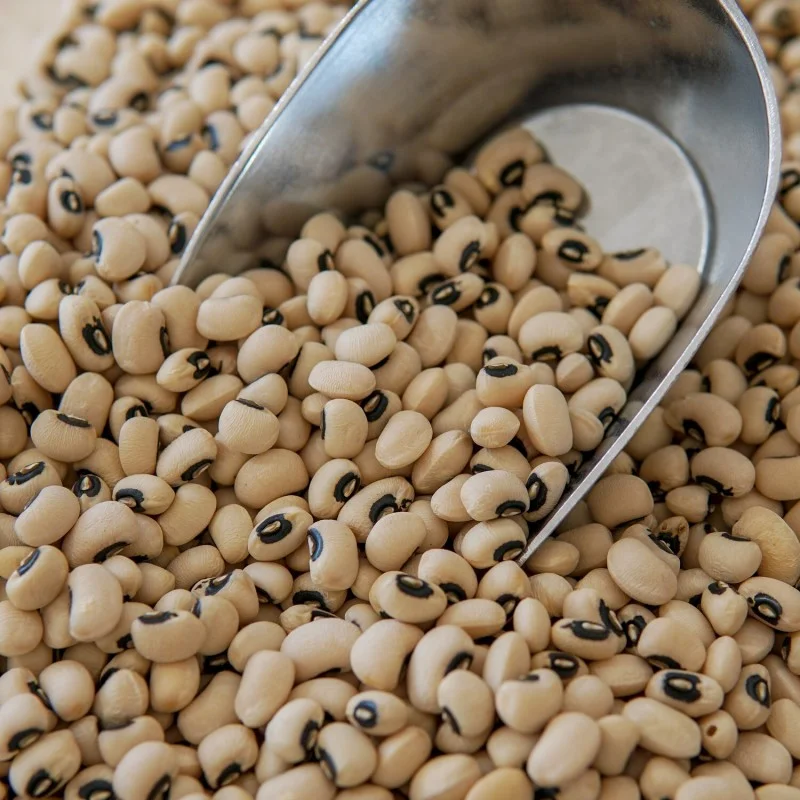
Cowpea is one of the most important legume crops for smallholder farmers in Kenya. It provides a reliable source of protein, essential nutrients, and income, while also contributing to soil fertility through nitrogen fixation.
Its adaptability to different agro-ecological zones makes it a key crop for ensuring food security and supporting rural livelihoods.
To learn more about cowpea farming and its benefits, you can read more in our article Cowpea Farming in Kenya.
However, cowpea production is often threatened by a range of diseases that can significantly reduce yields and compromise harvest quality.
Leaf, stem, and root infections, as well as viral, bacterial, and fungal diseases, can lead to stunted growth, poor pod formation, and even total crop loss if not properly managed.
Effective disease management is therefore crucial for maintaining healthy cowpea crops.
Healthy soils, good agricultural practices, and timely interventions help reduce the incidence and severity of diseases, ensuring higher productivity and sustainable farming outcomes for Kenyan smallholder farmers.
10 Common Cowpea Diseases in Kenya
Viral Cowpea Diseases
1. Cowpea Mosaic Virus (CPMV)
Infected cowpea plants develop a distinctive mosaic pattern on their leaves, showing irregular light and dark green patches. The plants may appear stunted with smaller leaves and poor pod development.
In severe cases, leaf curling, chlorosis, and reduced flowering can occur, significantly lowering yield. CPMV is primarily spread by aphids, which carry the virus from infected plants to healthy ones during feeding.
The virus can also be seed-borne, meaning that planting infected seeds introduces CPMV into new fields. Overcrowded planting and poor field hygiene can further increase the rate of virus spread.
Management
To manage CPMV effectively, farmers should use certified virus-free seeds to prevent introducing the virus into the field. Planting resistant or tolerant cowpea varieties helps reduce the impact of infections.
Controlling aphid populations through cultural practices, such as intercropping and timely weeding, or using approved insecticides, can limit virus transmission.
Maintaining good field hygiene by removing infected plants and practising crop rotation helps reduce the virus reservoir in the soil.
Additional Considerations
Early detection is critical, as identifying mosaic patterns at the initial stages allows timely interventions. Similarly, combining resistant varieties with healthy soil management practices can improve plant vigour and resilience against CPMV.
While balanced soil fertility through compost or organic fertilisers can help plants withstand viral stress, it should complement, not replace, other disease control measures.
2. Cowpea Mild Mottle Virus (CpMMV)
Symptoms of Cowpea Mild Mottle Virus
Cowpea plants infected with CpMMV exhibit yellowing and mottling of the leaves, which may appear patchy or streaked. The virus often leads to reduced pod formation and poor grain development. In severe infections, stunted growth and overall weakening of the plant can occur, reducing both yield and quality.
Ways of Transmission
CpMMV is primarily transmitted by whiteflies and leafhoppers that feed on infected plants and carry the virus to healthy ones. The virus can also be introduced through infected seeds. High plant density and poor field sanitation can accelerate its spread.
Management of Cowpea Mild Mottle Virus
Managing CpMMV begins with planting virus-free or certified seeds to prevent the introduction of the virus. Intercropping cowpea with other crops can help reduce the impavectorof vectopting their feeding patterns.
In addition, controlling whiteflies and leafhoppers through cultural practices, such as regular weeding, proper spacing, and, where necessary, using approved insecticides, helps limit virus transmission.
Maintaining clean fields and removing infected plants further reduces the risk of spread.
Additional Considerations
Early detection of leaf yellowing and mottling allows for prompt action to minimise losses.
Healthy, well-nourished plants are more resilient to viral stress, so integrating soil fertility practices such as compost or bio-organic fertilisers such as Safi Sarvi Fertiliser can support plant vigour.
However, these measures do not replace direct disease management strategies.
Bacterial Diseases
3. Bacterial Blight
Symptoms of Bacterial Blight in Cowpeas
Cowpea plants affected by bacterial blight develop water-soaked lesions on the leaves,
Ways Bacterial Blight is spread
The disease is primarily spread through rain splash, which moves bacteria from infected plant parts to healthy ones. Infected seeds can also introduce the pathogen to new fields.
Also, overcrowded planting and poor field hygiene increase the likelihood of rapid disease spread.
Management of Bacterial Blight
Effective management of bacterial blight involves using crop rotation to prevent the buildup of the pathogen in the soil. Planting resistant cowpea varieties can significantly reduce disease incidence. Field sanitation, such as removing and destroying infected plant debris, helps limit the source of bacteria for subsequent crops.
Avoiding overhead irrigation and maintaining proper plant spacing can further reduce the spread of the disease.
Early identification of water-soaked lesions is essential for timely interventions.
Maintaining soil fertility through organic amendments can improve plant health and resilience, though it does not replace direct disease-control measures.
Healthy, vigorous plants are better able to tolerate mild infections and recover more effectively.
4. Bacterial Wilt
Symptoms of Bacterial Wilt
Cowpea plants infected with bacterial wilt show sudden wilting, often starting with the lower leaves.
Affected leaves may yellow and eventually die, while stems can display vascular discolouration when cut open.
Severe infections can lead to complete plant collapse, drastically reducing yield.
Ways Bacterial Wilt is Spread
The disease is primarily soil-borne and spreads through contaminated soil, water, and farming tools.
Fields with a history of bacterial wilt are particularly at risk.
Poor drainage and waterlogging can also favour disease development.
Management of Bacterial Wilt
To manage bacterial wilt, farmers should avoid planting cowpeas in infested fields.
Using resistant or tolerant cowpea varieties can reduce susceptibility to infection.
Proper soil preparation, including deep ploughing and maintaining good drainage, helps minimise the presence of the pathogen.
Crop rotation with non-host crops reduces the buildup of bacteria in the soil over time.
Additional Considerations
Early detection of wilting and yellowing leaves is critical for intervention.
Maintaining overall plant health through adequate nutrition and organic amendments can improve resilience, although it does not eliminate the need for direct disease management practices.
Combining resistant varieties with good field hygiene and crop rotation offers the best control strategy.
Fungal Cowpea Diseases
5. Anthracnose Cowpea Disease
Cowpea plants affected by anthracnose develop dark, sunken lesions on stems, pods, and leaves. These lesions can merge, causing extensive tissue damage, leaf drop, and reduced pod formation. Severe infections may lead to stunted growth and significant yield losses.
Ways Anthracnose is Spread
Anthracnose is spread by rain splash, wind, and contaminated seeds. Humid and wet conditions also favour the development and spread of the fungus. Lastly, overcrowded planting and poor field sanitation can increase disease incidence.
Management of Anthracnose
Managing anthracnose begins with the use of clean, certified seeds to prevent introducing the fungus into new fields. Fungicide applications, especially during wet periods, can help control the spread of the disease.
Another strategy is to praticle crop rotation with non-host crops to reduce the buildup of the pathogen in the soil. LastlyMaintaining proper plant spacing and removing infected plant debris from the field further minimises infection risk.
Additional Considerations
Early detection of dark lesions allows for timely intervention and prevents severe yield losses.
Promoting overall plant health through balanced nutrition and organic soil amendments can improve resistance to infection, though direct control measures remain essential.
6. Fusarium Wilt
Symptoms of Fusarium Wilt
Cowpea plants affected by Fusarium wilt exhibit yellowing of the lower leaves, wilting, and stunted growth. When stems are cut open, the vascular tissue appears brown, indicating internal infection. Severe cases can lead to complete plant collapse, reducing both pod formation and overall yield.
Ways Fusarium Wilt is Spread
Fusarium wilt is caused by a soil-borne fungus that can persist in the soil for several seasons. The disease spreads through contaminated soil, water, and farm tools Overcrowded planting and poor drainage create conditions that favour fungal development.
Management Of Fusarium Wilt
The most effective control measures include planting resistant or tolerant cowpea varieties.
Crop rotation with non-host crops helps reduce the fungal population in the soil. Ensuring proper drainage and avoiding waterlogging canminimisee disease development.
Additionally, removing and destroying infected plant debris prevents the pathogen from surviving between cropping seasons.
Additional Considerations
Early detection of yellowing and wilting leaves allows for timely intervention.
Maintaining overall plant vigour through balanced soil fertility and organic amendments can help plants tolerate mild infections, but it does not replace direct disease management practices.
Combining resistant varieties, crop rotation, and good field hygiene provides the best results.
7. Cercospora Leaf Spot
Symptoms of Cercospora Leaf Spot
Cowpea plants infected with Cercospora leaf spot develop small, circular spots on the leaves.
The centres of these spots often turn grey or brown, surrounded by a darker border. Infected leaves may yellow and drop prematurely, reducing the plant’s ability to photosynthesise.
Severe infections can stunt growth, reduce flowering, and lead to poor pod formation, significantly lowering yields. In some cases, the disease can also affect stems and young pods, causing dark lesions that reduce seed quality.
Spread of Cercospora Leaf Spot
Cercospora leaf spot spreads mainly through rain splash, which carries fungal spores from infected leaves to healthy ones. High humidity, wet conditions, and overcrowded planting create favourable conditions for rapid disease development.
The fungus can survive on infected plant debris, so fields left with old crop residues iincreases risk of infection in subsequent seasons.
Poor field sanitation and continuous cowpea planting in the same soil also contribute to the spread.
Management of Cercospora Leaf Spot
Managing Cercospora leaf spot begins with using clean, certified seeds to prevent introducing the fungus into the field. Fungicide application at early disease stages can reduce infection severity, especially during wet and humid periods.
Removing and destroying infected plant debris prevents the fungus from surviving between cropping seasons.
Proper plant spacing and avoiding excessive irrigation improve air circulation, reducing humidity levels around the plants and lowering infection risk.
Crop rotation with non-host crops further helps reduce fungal buildup in the soil.
Considerations for Cercospora Leaf Spot
Early detection is key to preventing significant yield losses. Farmers should regularly inspect their fields, especially after rainy periods, to spot the first signs of infection.
Maintaining healthy and vigorous plants through balanced soil fertility, compost, or organic amendments can improve resilience to disease.
While improving plant health supports disease tolerance, direct control methods such as fungicides and field hygiene are essential for effective management.
8. Powdery Mildew in Cowpeas
Cowpea plants affected by powdery mildew develop a white, powdery coating on the surface of leaves, stems, and sometimes pods. Infected leaves may curl, twist, or become distorted, reducing photosynthesis and overall plant vigour.
In severe infections stunt growth can occure, delaying flowering, andcausing lower pod yield and quality.
Spread of Powdery Mildew
Powdery mildew is caused by airborne fungal spores that can travel long distances withthe wind. High humidity and moderate temperatures create favourable conditions for spore germination and infection.
Overcrowded planting and poor air circulation within the canopy further encourage the rapid spread of the disease.
Management of Powdery Mildew
Managing powdery mildew involves planting resistant or tolerant cowpea varieties to reduce disease severity.
Proper plant spacing and pruning improve air circulation, lowering humidity around the leaves and reducing infection risk.
Fungicides can be applied during early stages of infection to control the spread, particularly in regions with prolonged wet or humid conditions.
Considerations for Powdery Mildew
Regular monitoring of cowpea fields is essential to detect the first signs of infection.
Maintaining healthy plants through balanced soil fertility, compost, or organic amendments can improve resistance to stress and mild infections.
While improved plant vigour helps, direct disease management methods, including fungicides and cultural practices, remain necessary for adequate control.
Nematode and Other Soil-Borne Diseases
9. Root-Knot Nematodes
Symptoms of Root-Knot Nematodes
Cowpea plants affected by root-knot nematodes develop galls or swellings on the roots, which disrupt normal nutrient and water uptake.
Above ground, plants may show stunted growth, yellowing of leaves, wilting during hot periods, and reduced flowering and pod formation.
Severe infestations can lead to significant yield losses.
Spread of Root-Knot Nematodes
Root-knot nematodes are soil-borne and spread through contaminated soil, water, and farming equipment.
Infested fields, movement of soil from infected areas, and continuous cultivation of susceptible crops increase the risk of nematode buildup.
Poor crop rotation and lack of organic matter in the soil can also favour nematode proliferation.
Management of Root-Knot Nematodes
Managing root-knot nematodes involves planting resistant or tolerant cowpea varieties where available.
Crop rotation with non-host crops helps reduce nematode populations in the soil over time.
Incorporating organic amendments such as compost or bio-organic fertilisers can improve soil health and support beneficial microorganisms that suppress nematode activity.
Soil solarisation in severely infested areas can also reduce nematode numbers.
Considerations for Root-Knot Nematodes
Early detection through root inspection allows farmers to implement management strategies before severe yield loss occurs.
Maintaining healthy, vigorous plants through proper nutrition and soil fertility improves resilience to nematode damage.
Integrated management combining resistant varieties, crop rotation, and organic soil amendments offers the best long-term control.
10. Charcoal Rot
Symptoms of Charcoal Rot
Cowpea plants affected by charcoal rot develop dark, sunken lesions at the base of the stem.
Infected plants often show wilting, yellowing of leaves, and poor pod formation.
Severe infections can lead to premature plant death and significant yield losses.
The disease is most damaging during hot and dry conditions, which stress the plants and favour fungal growth.
Spread of Charcoal Rot
Charcoal rot is caused by a soil-borne fungus that thrives in warm, dry soils.
The pathogen spreads through contaminated soil, crop residues, and infected plant material.
Fields with poor sanitation or continuous cultivation of susceptible crops are at higher risk of infection.
Management of Charcoal Rot
Managing charcoal rot requires good field sanitation, including the removal and destruction of infected plant debris.
Crop rotation with non-host crops helps reduce the fungal population in the soil. Proper irrigation practices that avoid water stress can help reduce disease severity.
Maintaining healthy soil with adequate organic matter and nutrients supports plant vigour, making cowpea less susceptible to infection.
Considerations for Charcoal Rot
Early detection of dark lesions at the stem base allows farmers to intervene before significant yield losses occur.
While maintaining plant health through soil fertility and organic amendments can improve resilience, direct management practices such as sanitation, crop rotation, and proper irrigation are essential for adequate control.
Conclusion
In conclusion, managing cowpea diseases is essential for maintaining healthy crops and achieving better yields.
Farmers should adopt an integrated approach that includes using clean seeds, resistant varieties, crop rotation, and proper field management. Regular monitoring helps detect early signs of infection and prevent significant losses.
Additionally, improving soil health through organic or bio-organic fertilizerslike Safi Sarvi can enhance plant vigour and resilience, supporting sustainable and productive cowpea farming.